
A seed packet is not a miniature encyclopedia. It is a legal label, a production record, a planting aid, and a promise of identity compressed into a few square inches. Trouble begins when gardeners expect every number on it to mean more than it does.
Read the packet in layers: first the seed’s identity, then the lot and date, then the amount, and finally the cultural guidance. Each answers a different question.
Kind, variety, lot, and required test information belong to seed law and traceability. Sowing depth, spacing, and maturity are practical guidance that still must be adjusted for soil, weather, and the way the crop will be used.
What a seed packet actually means
The front usually carries the market name and image. The back or seam carries the information needed to trace and plant the seed. Read both before opening.
A well-designed packet makes the crop easy to identify without hiding the lot, date, or quantity in decorative language.
- Kind names the crop, such as tomato or bean.
- Variety identifies the named selection.
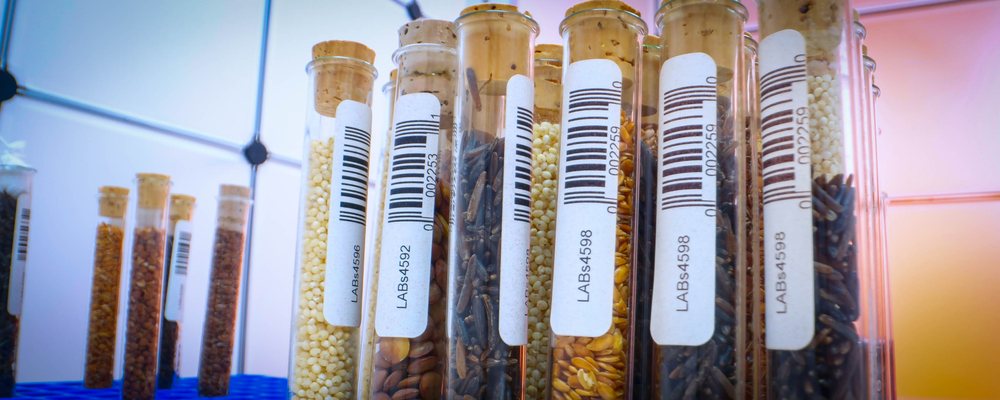
- Lot connects the packet to a larger quantity handled and tested together.
Separate the terms that are often confused
Seed count, weight, packed-for year, sell-by date, and germination percentage are not interchangeable. A count tells how many units are present; a germination test describes a sample under controlled conditions.
Days to maturity may be counted from direct sowing or from transplanting, depending on crop and source. That difference can shift the calendar by weeks.
| Term | Practical meaning | What it does not guarantee |
|---|---|---|
| Lot number | Traceability code for seed handled as one lot | A consumer-friendly variety name |
| Germination percentage | Result of a standardized test sample | A guarantee that every garden will match the laboratory |
| Packed for year | Marketing year assigned to the packet | The date the seed was harvested |
| Days to maturity | Estimated time under suitable conditions | A fixed harvest date in every climate |
Put the information to work
Before sowing, copy the variety, lot, and date into a garden record.
- Confirm whether maturity is from seeding or transplanting.
- Translate spacing into the bed system you actually use.
- Separate seed depth from transplant depth.
- Save the packet until the crop is evaluated.
Avoid the shortcuts that create bad decisions
Gardeners often discard the packet and later lose the lot number needed for a germination or identity question. Another mistake is reading a hardiness zone as an annual planting date.
Packet directions are a starting range, not permission to ignore soil temperature and local frost risk.
- Do not assume “heirloom” means organically produced seed.
- Do not treat seed count as a germination guarantee.
- Do not confuse botanical species with a cultivar name.
Account for place, season, and crop
A packet printed for a national market cannot replace local planting windows. Eastern North Carolina, the Virginia Piedmont, and mountain valleys can share a hardiness zone while having different heat, rainfall, and frost patterns.
Use the packet with a local extension calendar and your own records. The three together are stronger than any one.
Keep the claim tied to evidence
Keep the packet when a crop is unusual, culturally important, or difficult to replace. Lot and source records protect both the gardener and the seed company when questions arise.
Photographing the front and back before planting is a simple backup.
A seed packet is small, but it carries the chain of custody. Treat it like a record, not trash.
Put this guide to work in a real garden
Use How to Read a Seed Packet: Count, Lot, Test Date, Maturity, Depth, and More as a repeatable trial rather than a single sowing. Label the crop, variety, lot, sowing date, depth, medium, and temperature. When several variables change at once, the result becomes a story instead of evidence. A small second tray or short row, handled slightly differently, often teaches more than a large sowing with no comparison.
Check the seed zone itself. Room temperature is not soil temperature, and a damp surface does not prove the root zone has the correct moisture. Light, airflow, and depth begin influencing the crop as soon as the radicle emerges. The work is to keep every stage inside a useful range without overcorrecting.
When the result is weak, do not immediately blame the seed. Review storage, age, treatment, temperature, oxygen, water, and planting depth in order. Then run a controlled germination check with enough seed to make the result meaningful.
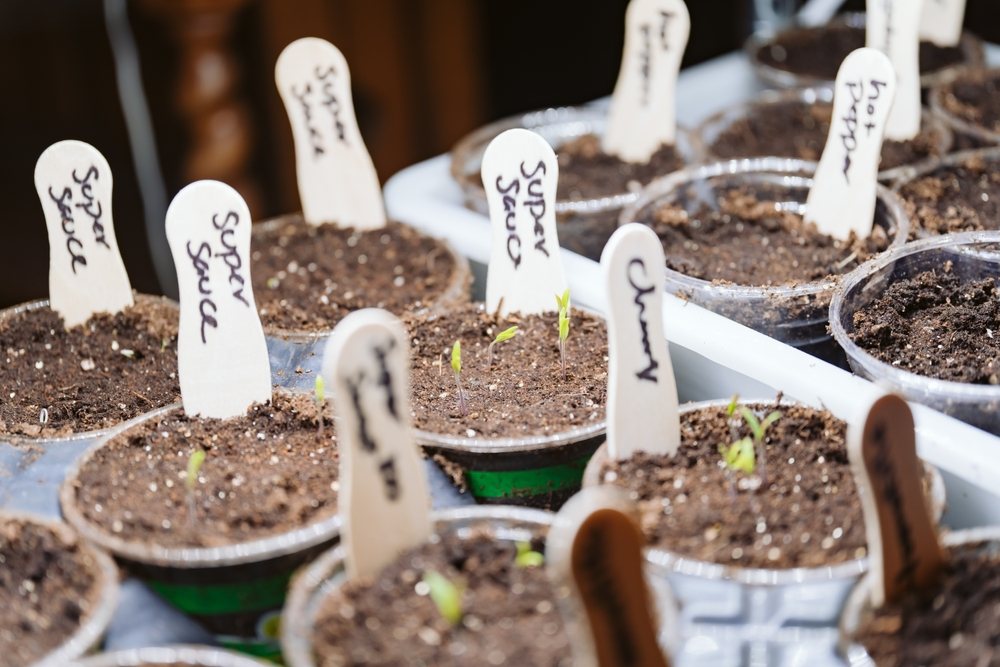
- Write the seed lot and source on the label.
- Measure actual medium or soil temperature.
- Record sowing depth and moisture method.
- Count emergence on more than one day.
- Photograph seedlings before thinning or transplanting.
Use a 30-day checkpoint instead of guesswork
Sowing day
Record lot, count, depth, medium, water, and actual temperature. Take one clear photograph of the labeled tray or row.
Emergence window
Count seedlings on several dates rather than once. Uneven emergence can reveal temperature, depth, moisture, or seed-vigor problems.
First true leaves
Reduce crowding, increase airflow, and verify that light is strong enough to hold compact growth.
Transplant or thinning day
Record root condition, losses, and weather. The next stage begins with the condition of the seedling, not merely its age.
A home trial can guide a garden decision, but it is not a substitute for an official seed test conducted under prescribed methods. Small samples also exaggerate chance, so avoid declaring a whole lot worthless from a handful of seeds.
Keep a one-season record
The record does not need to be elaborate. A notebook page, spreadsheet row, or labeled photograph is enough when it captures the variables that matter.
- Lot or packet identity
- Sowing and emergence dates
- Temperature range
- Number sown and number emerged
- Seedling quality, losses, and likely cause
Write enough that another grower—or you, one year later—could understand what was planted, what happened, and why the next decision changed.
Questions gardeners ask
Does the packed-for year tell me when seed was harvested?
No. It identifies the marketing year, not necessarily the production year. Seed may have been harvested earlier and held under appropriate storage.
What is a seed lot number?
It is a traceability identifier connecting packets to a larger quantity of seed handled, tested, and labeled together.
Why do days to maturity differ between companies?
Companies may use different trial locations, definitions, and starting points. Some crops are counted from transplanting, others from direct sowing.
Does a germination percentage predict field emergence?
Not exactly. Laboratory germination is measured under favorable conditions. Soil temperature, moisture, crusting, disease, and planting depth affect field emergence.
What should I save from an empty packet?
Save or photograph the variety name, source, lot number, date statement, and any planting notes until you have evaluated the crop.
The packet is the first page of the crop record. Read it before the soil closes over the seed, because memory becomes less precise with every passing row.


