
Vermicomposting guide
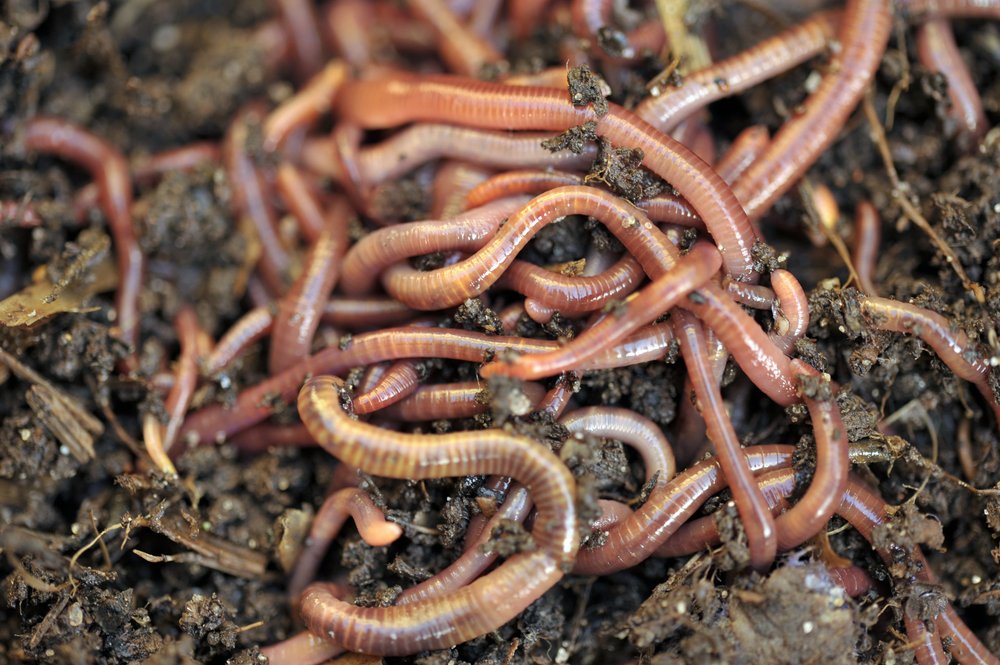
Vermicomposting uses surface-dwelling compost worms, usually red wigglers, to process food scraps and bedding into a dark mixture of castings and decomposed organic matter.
The system works when oxygen, moisture, carbon-rich bedding, food, and temperature remain in balance. Most failures come from feeding too much, keeping the bin too wet, or allowing heat and cold to exceed what the worms can tolerate.
A well-managed bin is quiet, earthy-smelling, and modest. It does not need exotic additives. It needs observation.
A worm bin is not a garbage can with livestock added. It is a small managed habitat, and the smell tells the truth before the gardener does.
Choose the right worms and a breathable container
- Use red wigglers or another species sold specifically for vermicomposting.
- Choose a container at least several inches deep with a secure lid.
- Provide ventilation above the bedding.
- Use drainage only as a safety feature, not as an excuse for saturation.
- Protect the bin from direct sun, freezing, and extreme heat.
Garden earthworms and deep-burrowing nightcrawlers are not automatically suited to a shallow food-waste bin. Buy from a reputable source and avoid releasing nonnative worms outdoors.
Build bedding that holds moisture and air
- Shred plain cardboard, paper, leaves, or other suitable carbon material.
- Mix materials so they do not mat into an airless sheet.
- Moisten to the feel of a wrung-out sponge.
- Fill the bin several inches deep.
- Add a small amount of mature compost or grit source if the system calls for it.
Bedding is habitat first and food second. It should be moist enough that worms do not dry, but open enough that air remains throughout the mass.
If squeezing bedding produces a stream, it is too wet. Add dry bedding and restore airflow before adding more food.
Add worms and let them settle
Place worms on the surface and allow them to move into the bedding. A dim light for the first night can encourage them downward. If they remain balled up or try to escape repeatedly, inspect temperature, moisture, acidity, salts, and airflow.
Do not celebrate their arrival by burying them under a week of scraps. Start lightly and wait until food is being consumed.
Feed according to consumption, not household output
Bury small amounts of fruit and vegetable scraps in different areas of the bin. Cover them with bedding to reduce flies and odor. Chop or freeze scraps when faster breakdown is needed.
Avoid meat, dairy, oily foods, and large amounts of spicy, salty, or acidic waste. Add more bedding whenever food introduces too much moisture or the structure begins to collapse.
Wait until most of the previous feeding is gone before adding more. The bin sets the rate, not the kitchen.
Maintain temperature, moisture, and oxygen
| Factor | Healthy sign | Warning sign |
|---|---|---|
| Moisture | Bedding feels like a wrung sponge | Pooling liquid, sour odor, or dry brittle bedding |
| Temperature | Cool to mild, worms active | Approaching freezing or hot compost temperatures |
| Airflow | Earthy smell and loose structure | Rotten smell and compacted mass |
| Food rate | Scraps disappearing steadily | Accumulating slimy food and flies |
| pH and salts | Worms distributed through bedding | Mass escape, irritation, or sudden decline |
Outdoor bins need shade and insulation, but insulation cannot overcome direct summer sun or a hard freeze indefinitely. Indoor bins need spill protection and ventilation.
Harvest castings without losing the colony
Move finished material to one side and add fresh bedding and food to the other, then allow worms to migrate. Or use light to drive worms downward while removing finished material from the surface.
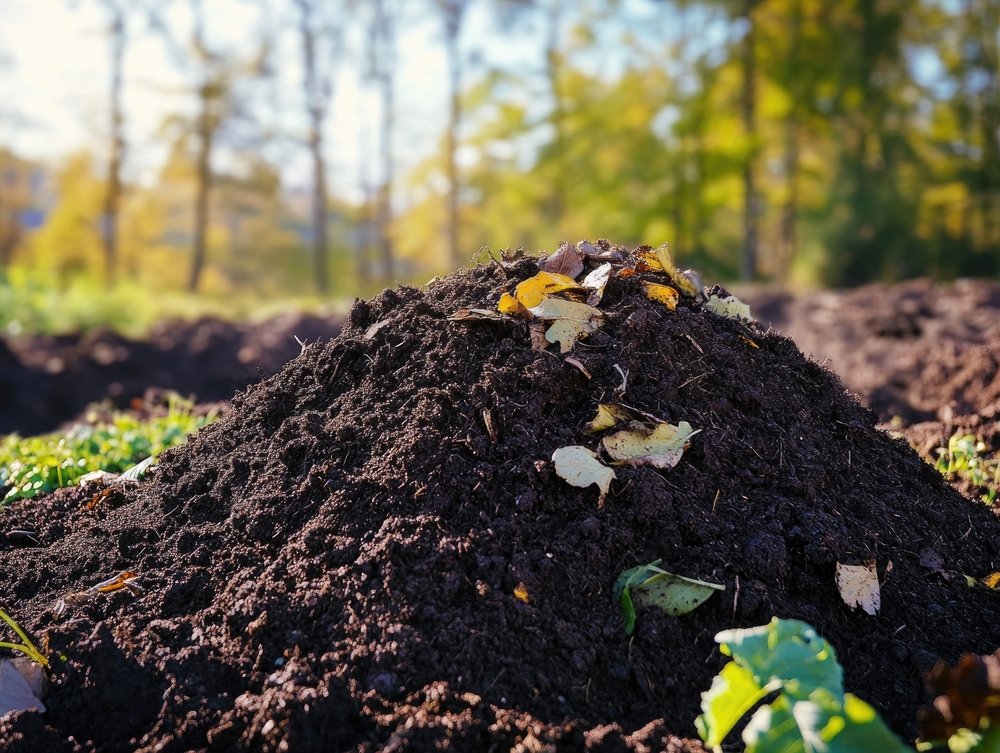
The harvested product is usually vermicompost, a mixture of castings, bedding, and decomposed matter. Use it as a modest amendment or topdressing. Do not treat it as a complete potting mix or apply concentrated leachate without understanding what it contains.
Troubleshoot the smell and the movement
| Symptom | Likely cause | Response |
|---|---|---|
| Rotten odor | Too much food, water, or too little air | Remove excess, add dry bedding, fluff gently |
| Fruit flies | Exposed food and repeated overfeeding | Bury scraps, freeze feed, reduce amount |
| Worms escaping | Unfavorable moisture, temperature, salts, or acidity | Correct conditions before adding food |
| Bin is hot | Too much fresh material decomposing rapidly | Remove material and cool the bin |
| No visible progress | Cold, dry, low worm population, or large pieces | Stabilize conditions and reduce particle size |
Use worm compost responsibly in the garden
Mix vermicompost with soil or potting components rather than filling containers with it alone. Topdress lightly around plants without burying stems. Use a soil test when the garden already receives regular compost and fertilizer.
Worms process waste. They do not cancel nutrient balance, salt buildup, sanitation, or the need for a stable mineral root zone.
Questions gardeners ask
What worms should I use?
Red wigglers are the standard because they live and feed near the surface in rich organic matter.
Why does my worm bin smell bad?
It is usually too wet, overfed, compacted, or lacking airflow.
Can I add coffee grounds?
Yes in moderation, balanced with bedding and other feed. Grounds should not become the bulk of the bin.
Can a worm bin stay outside all year?
Only where temperature remains suitable or the bin is protected. Extreme heat and freezing can kill worms.
Is worm-bin liquid a fertilizer?
Liquid from a saturated bin can be anaerobic and variable. Prevent pooling and use finished vermicompost more predictably.


