I treat stratification as one part of a species-specific propagation plan. Some seed needs a cold, moist interval. Some needs scarification instead. Some needs a warm period followed by cold. Some needs no treatment at all. The responsible answer begins with identity, not a universal recipe.
Cold stratification is easy to describe badly. “Put the seed in the refrigerator” sounds like a complete instruction, but it leaves out the questions that determine whether the treatment helps: which species, what kind of dormancy, how much moisture, how long, and what happens when the seed begins to wake.
The seed is not being stubborn. It is carrying instructions written by climate, season, habitat, and ancestry.
What cold stratification is—and is not
Cold stratification is a controlled period of cool, moist exposure used to reduce physiological dormancy in certain seeds. In nature, those seeds may fall in late summer or autumn, absorb moisture, experience winter, and germinate when spring conditions return.
Freezing is not automatically required. Many species need temperatures above freezing but cold enough to simulate winter. Use the individual product instructions rather than assuming every seed needs the same refrigerator setting.
Which seeds may need cold stratification
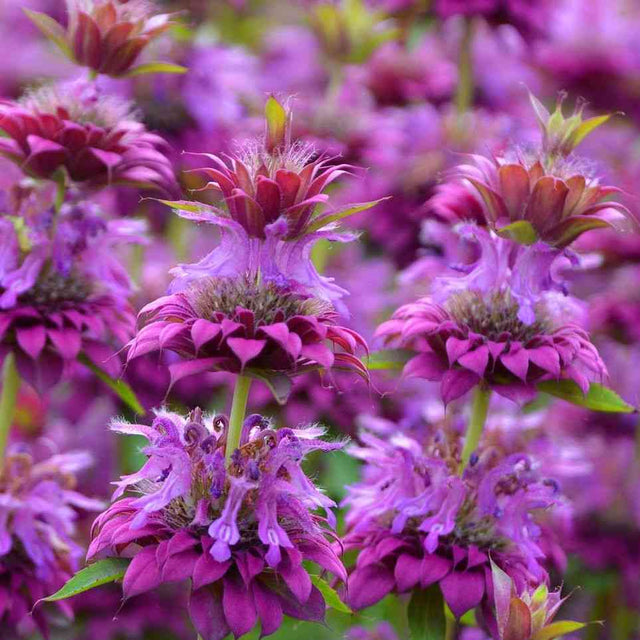
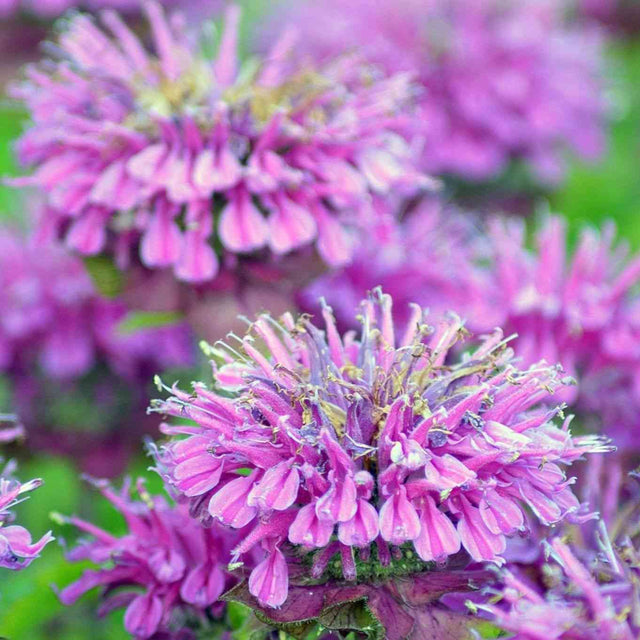
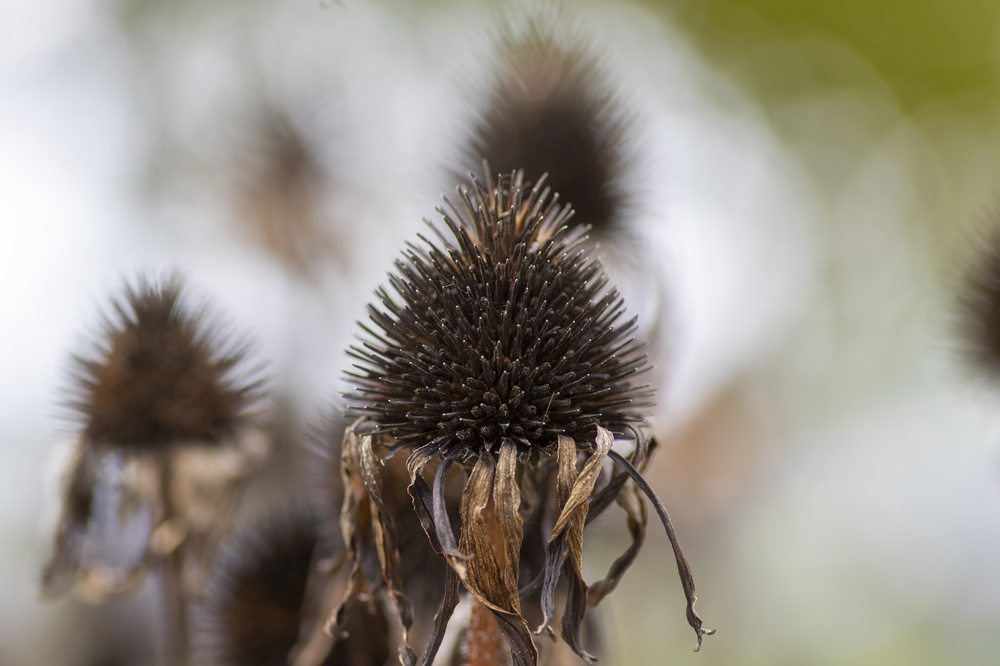
Cold stratification is common among temperate native perennials, shrubs, trees, and woodland species. Milkweeds, blazing stars, native asters, coneflowers, and other species may need or benefit from a cold period—but requirements vary substantially.
Do not use one universal rule
- Not every native seed needs stratification.
- Not every perennial seed needs stratification.
- Some seed lots have had dormancy reduced by age or prior handling.
- Some species need warm stratification before cold.
- Some need scarification rather than cold.
- Annual vegetables such as beans, cucumbers, squash, basil, and sunflowers generally do not need cold stratification.
The product page or packet should name the preparation method when known. If the species is unfamiliar, verify the scientific name before researching. Common names can refer to multiple species with different dormancy requirements.
Cold stratification, scarification, and double dormancy
Seed dormancy can involve more than one barrier.
| Dormancy issue | What blocks germination | Typical response |
|---|---|---|
| Physiological dormancy | Internal chemical or developmental conditions | Cold-moist or warm-moist stratification |
| Physical dormancy | Hard seed coat limits water entry | Scarification, nicking, sanding, or hot-water method when species-appropriate |
| Combined dormancy | Hard coat plus physiological dormancy | Scarification plus a stratification sequence |
| Morphophysiological dormancy | Embryo development plus physiological block | Species-specific warm/cold sequences and long timelines |
That is why “put it in the refrigerator for 30 days” can be incomplete advice. A hard-coated legume may remain dry and unchanged through refrigeration. A woodland plant may need a warm period before cold. A seed with simple dormancy may be harmed by an unnecessarily complicated treatment.
Three practical methods
1. Direct fall sowing
Sow in a labeled nursery bed, pot, or protected garden area so natural winter provides cold and moisture. This is often the simplest method, but seed can be lost to rodents, erosion, weeds, heaving, or misplaced labels.
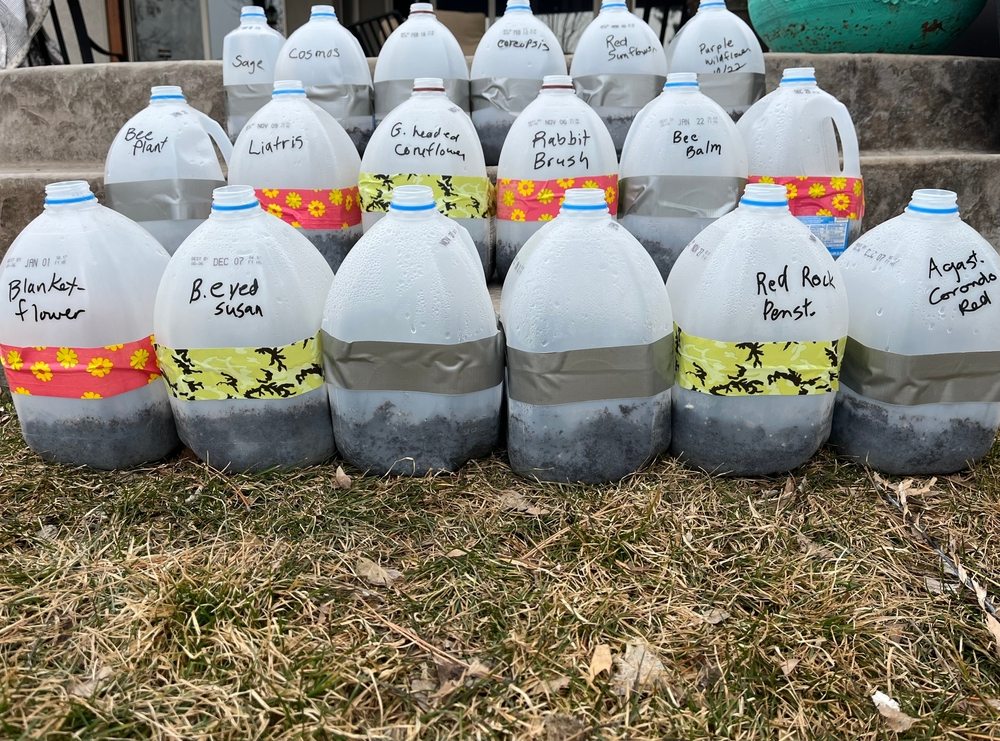
2. Outdoor winter sowing
Sow in a vented translucent container or protected tray outdoors. The container moderates moisture and keeps the seed lot together while still exposing it to seasonal temperature changes. It is not a sealed greenhouse; drainage and ventilation are essential.
3. Refrigerator stratification
Mix seed with a barely moist medium, label it, and refrigerate for the species-specific period. This provides control and visibility but requires careful moisture and mold management.
AONSK field note
Our work with a living seed catalog has taught us not to treat every seed as interchangeable. The most respectful and effective method is the one based on the seed’s identity and ecology—not the method that happens to be most popular online.
A container in the North Carolina mountains may remain cold for weeks while one near the coast cycles between cold rain and warm afternoons. Outdoor sowing can work beautifully, but the species, drainage, exposure, and local winter pattern still have to match.
Refrigerator method step by step
- Confirm the species and required duration. Record the scientific name, seed lot, and source.
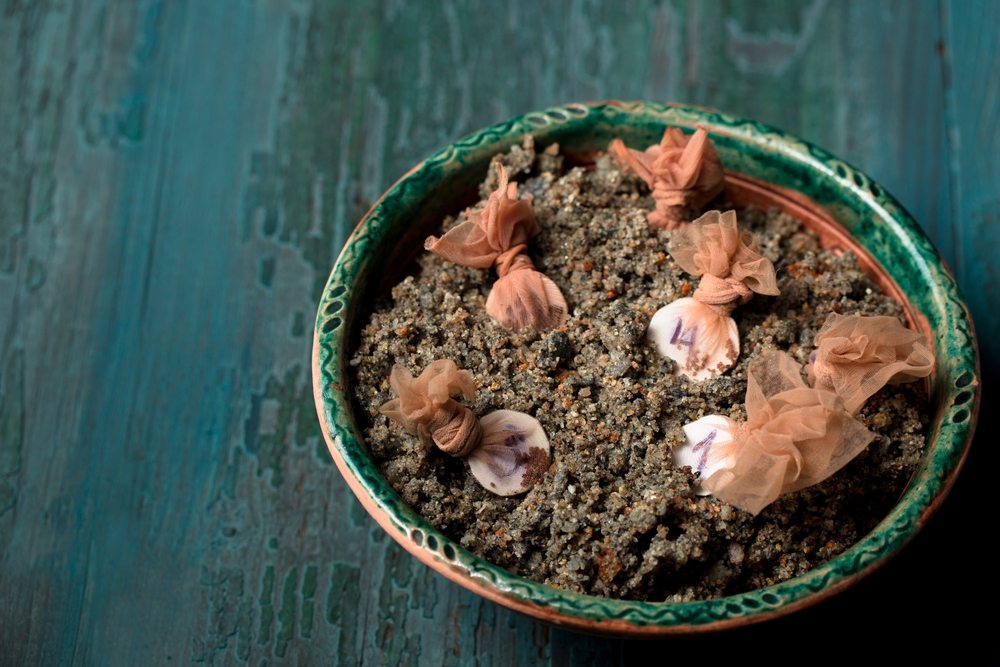
- Choose a clean medium. Common options include sterile sand, vermiculite, or a clean seed-starting mix.
- Moisten lightly. The medium should feel damp, not release water when squeezed.
- Combine seed and medium. Use a labeled resealable bag or container with enough air space for the species-specific method.
- Write start and target dates. Include the number of cold days required.
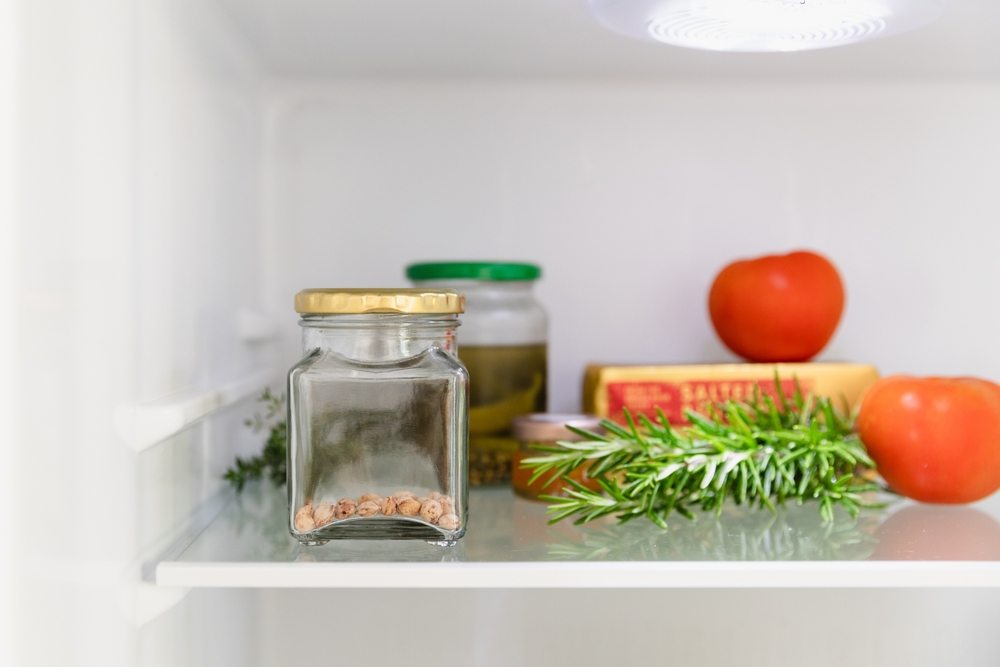
- Refrigerate, do not casually freeze. Keep the container in a stable cold area away from fruit that releases high levels of ethylene.
- Inspect regularly. Watch for mold, drying, standing water, or early roots.
- Sow promptly when the period is complete. If seed sprouts in the bag, handle the root carefully and plant immediately.
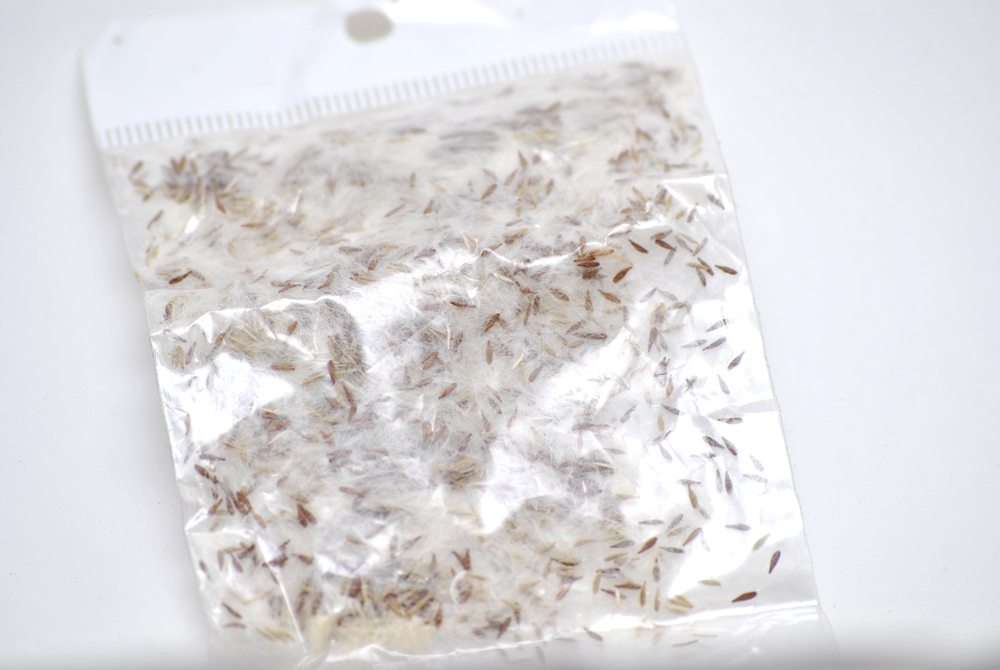
Small seed can be difficult to separate from medium. Some growers sow the entire mixture in a labeled tray. Plan for this before choosing the medium.
How to schedule 30, 60, or 90 days
Count backward from your planned sowing or transplant schedule.
| Instruction | If you want to sow March 1 | Planning note |
|---|---|---|
| 30 days cold | Begin around January 30 | Add several days for preparation and inspection. |
| 60 days cold | Begin around December 31 | Label clearly through holiday and winter storage. |
| 90 days cold | Begin around December 1 | Monitor moisture for the longer period. |
These are scheduling examples, not universal biological prescriptions. If a product calls for a warm period before cold, begin earlier. If the seed is intended for direct outdoor sowing, local winter conditions may provide the sequence naturally.
What happens after the cold period
After stratification, the seed still needs the correct germination environment. Cold treatment does not replace light, warmth, oxygen, moisture, or patience.
- Sow at the depth recommended for the species.
- Provide light or darkness according to the germination requirement.
- Use a clean, well-drained medium.
- Keep moisture even without waterlogging.
- Expect some perennial seeds to emerge unevenly.
- Do not discard a tray simply because germination is not simultaneous.
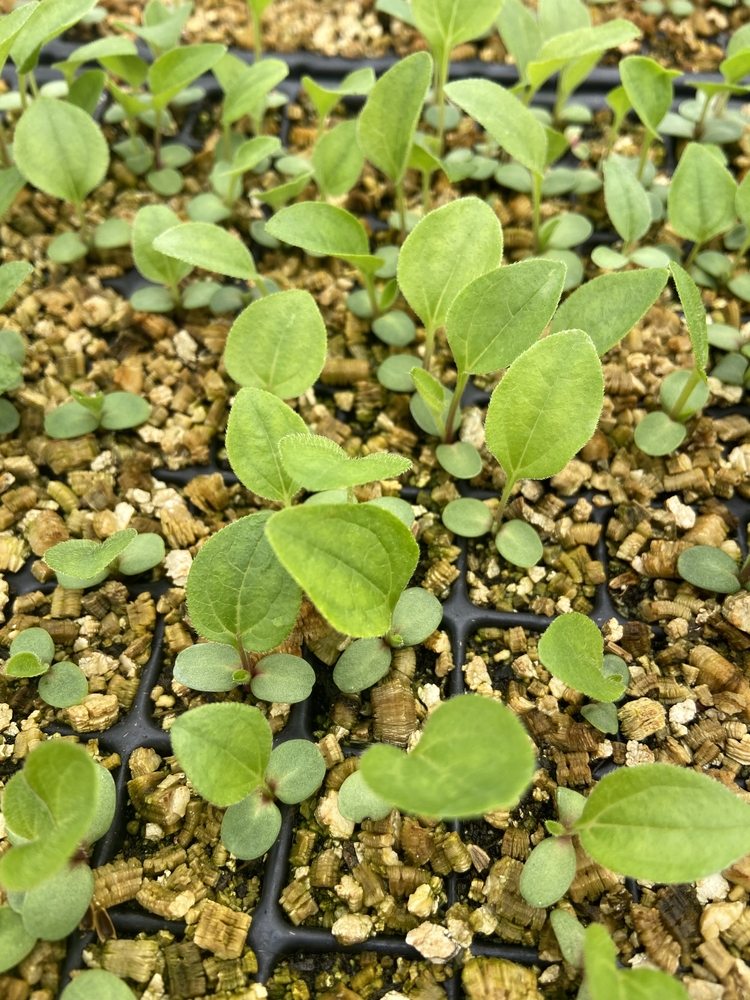
Some species germinate after one winter. Others establish across multiple cycles. Product pages should distinguish expected germination time from first bloom or first harvest; those are not the same milestone.
Mold, early sprouting, and other problems
| Problem | Likely cause | Response |
|---|---|---|
| Medium is dripping wet | Too much water | Drain or replace the medium before oxygen is limited and seed rots. |
| Medium dries out | Bag or container not sealed appropriately | Re-moisten lightly without soaking. |
| White growth appears | Mold or natural seed-surface fungi | Improve cleanliness and moisture control; remove badly decayed seed. |
| Seeds sprout in the refrigerator | Dormancy has been satisfied | Plant immediately and handle the emerging root gently. |
| No germination after treatment | Wrong species method, old seed, combined dormancy, or poor aftercare | Recheck identification, instructions, viability, and whether another sequence is required. |
| Seedlings appear over months | Naturally irregular germination | Maintain the tray and label; do not assume later emergence is failure. |
Keep a species-specific propagation record
One of the most useful lessons from maintaining a broad seed catalog is that memory is not a propagation system. By 2022, customers were asking for fuller packet directions because a seed name alone was not enough. That same lesson applies at home: a labeled record often tells you more than a second round of internet searching.
A propagation record protects against two common mistakes: repeating a failed method without realizing it, and changing so many variables at once that the result teaches you nothing. When seed is limited, divide it into carefully labeled portions rather than risking the entire packet on an unverified treatment.
AONSK seed-room lesson
As our catalog grew from a few bins into a living library, identification, labels, lot tracking, and written instructions became part of seed care. The same discipline belongs in propagation. A seed that takes months to emerge deserves a record strong enough to carry the story of what happened.
Why 30, 60, and 90 days are not interchangeable
Garden advice often turns stratification into a single number, but the duration is a species-level clue—not a general difficulty score. Penn State’s native-perennial guidance, for example, lists some species with roughly 30 days of cold treatment, others with 60 days, and blue wild indigo with a shorter cold period plus scarification. Those examples show why one treatment cannot be copied across an entire native-seed collection.
Use duration as a schedule, not a guarantee
- Shorter cold periods: may be enough for species with lighter physiological dormancy, but sowing depth and light can still control emergence.
- Longer cold periods: may be required for species adapted to a more complete winter signal.
- Scarification plus cold: means the seed coat and the embryo present separate barriers.
- Warm followed by cold: occurs in species whose natural seed cycle begins before winter rather than inside it.
- Multiple seasonal cycles: can occur in slow woodland species; the first spring is not always the final answer.
The product instructions should control. When reliable directions are unavailable, research the scientific name through a university, botanical institution, native-plant organization, or published propagation reference. Avoid building a schedule from a common name alone.
Seed stewardship when germination is slow
Slow germination can tempt a grower to overcorrect: warmer temperatures, more water, repeated digging, extra fertilizer, or another treatment layered on top of the first. Those interventions can damage seed that was simply following its own timing.
Before declaring a tray lost
- Confirm that the treatment duration was completed and documented.
- Check whether the species needs light at the soil surface or darkness below it.
- Confirm the medium stayed moist but not saturated.
- Look for algae, fungus gnats, crusting, or compaction that can interfere with tiny seedlings.
- Allow for uneven emergence when the species is known to germinate across a broad window.
- Keep labels in place through at least the expected season, and longer for species with complex dormancy.
For rare, community-held, or culturally sensitive seed, the propagation decision is also a relationship decision. Do not expose the whole sample to an improvised method. Keep part of the seed secure, document who holds responsibility, and follow community protocol before distribution or experimentation. Germination percentage is not the only measure of good stewardship.
Frequently asked questions
Is cold stratification the same as putting dry seed in the refrigerator?
No. Dry refrigeration is useful for storage. Stratification usually requires cold plus moisture so the seed can undergo dormancy-reducing changes.
Do all native seeds need cold stratification?
No. Native status does not determine one propagation method. Requirements depend on species, population, seed lot, and dormancy type.
How long should I cold-stratify seeds?
Use the species-specific product instructions. Common recommendations include 30, 60, or 90 days, but some seeds need shorter, longer, or warm-and-cold sequences.
Can I stratify seeds in the freezer?
Do not substitute freezing unless the species-specific instructions call for it. A refrigerator usually provides the cool, moist conditions intended by standard cold stratification.
What is the difference between stratification and scarification?
Stratification addresses internal physiological dormancy through temperature and moisture. Scarification weakens a hard seed coat so water can enter.
What if the seed sprouts in the refrigerator?
Plant it promptly. Handle the emerging root by the seed coat or surrounding medium rather than pinching the root.
Can I cold-stratify seed in a damp paper towel?
Sometimes, but tiny roots can grow into the towel and become difficult to remove. A clean sand, vermiculite, or seed-starting medium may be easier for small or delicate seed. Follow the species-specific method.
Why did only a few seeds germinate after stratification?
Possible causes include natural variability, incomplete dormancy release, old or poorly stored seed, incorrect moisture, sowing depth, light requirements, or a species that emerges across more than one cycle. Record the result before changing the method.
Can I sow stratified seed outdoors while nights are still cold?
Often yes if the species and season are appropriate, but freshly germinated roots are vulnerable to drying, heaving, and hard freezes. Protect the tray or bed and match sowing time to the species rather than the calendar alone.
Should I stratify the entire packet at once?
Not when seed is scarce or the method is uncertain. Treat a labeled portion, keep a reserve under proper storage, and compare results.
Editorial note: Dormancy treatment must be species-specific. When a product page and a generic article disagree, follow the reviewed instructions for the named species and seed lot.