A journal ofAlliance of Native Seedkeeperswith Bertie County Seeds
THE YAUPON TEA17 ARTICLESREAD • GROW • REMEMBER
17 published guidesCome for an answer. Leave knowing the seed.
Searchable. Find the crop, problem, story, or update you need.Complete. Browse every published article with working pagination.Rooted. From a Native-led seed company in rural North Carolina.
The complete article library
What are you trying to grow, learn, or solve?
Search The Yaupon Tea without mixing the results with seed products.
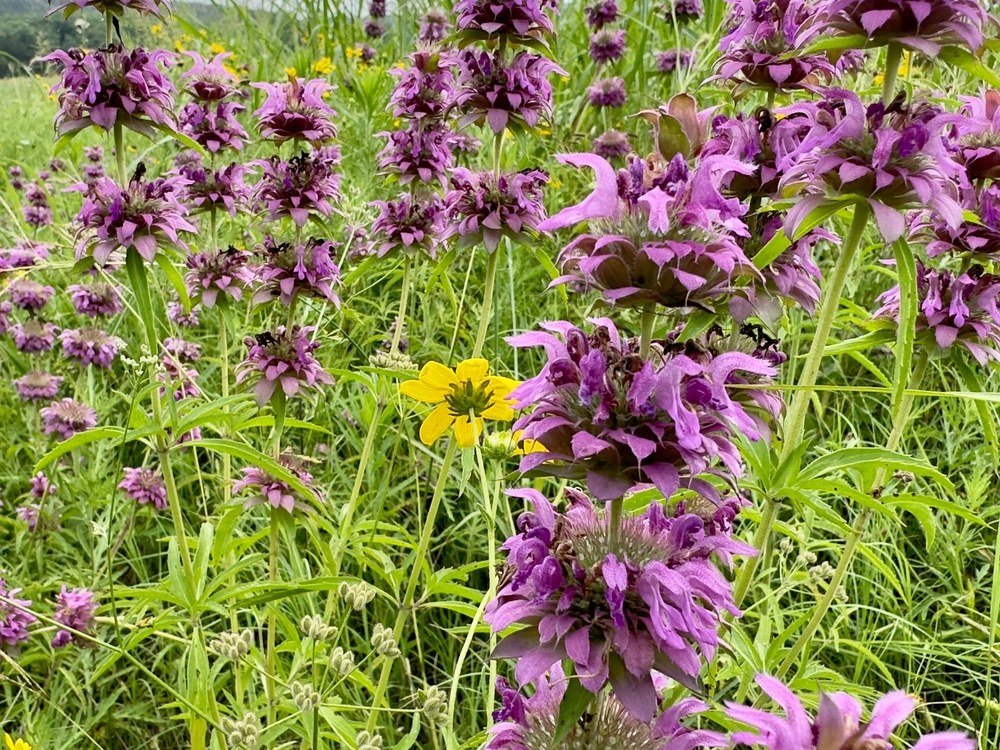
Surface sow lemon bee balm in warm conditions, keep the fine seed evenly moist, thin early for airflow, and expect this annual Monarda to flower in its first season.
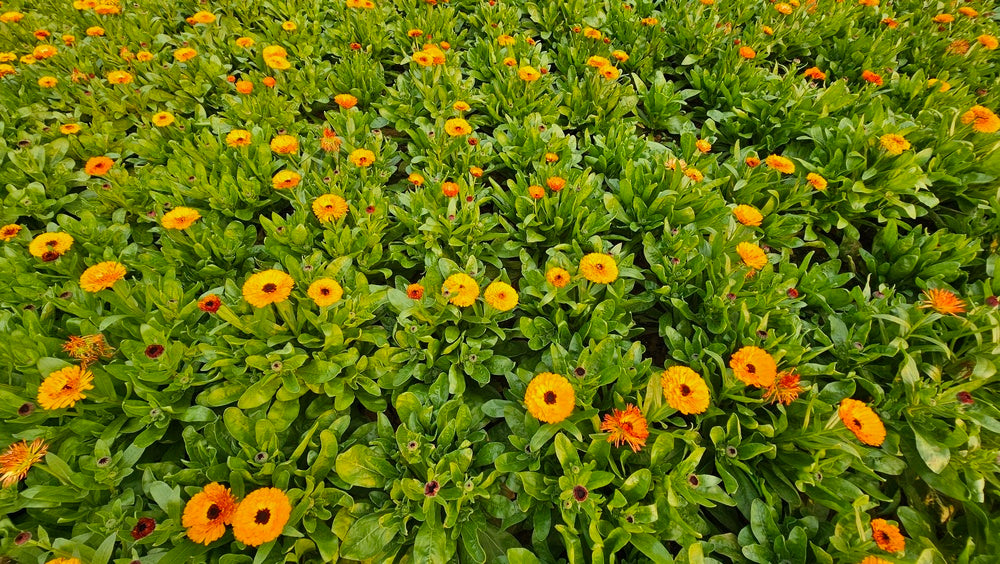
Calendula is a cool-season annual best sown in late winter, early spring, or again for fall where the season allows. Plant seeds about 1/4 inch deep, keep soil evenly moist but well drained, and thin or transplant most varieties 8 to 12 inches apart. Give plants full sun in cool weather, regular cutting or deadheading, and relief from severe summer heat. For kitchen use, grow correctly identified Calendula officinalis from untreated seed and harvest clean petals only from plants managed as food.
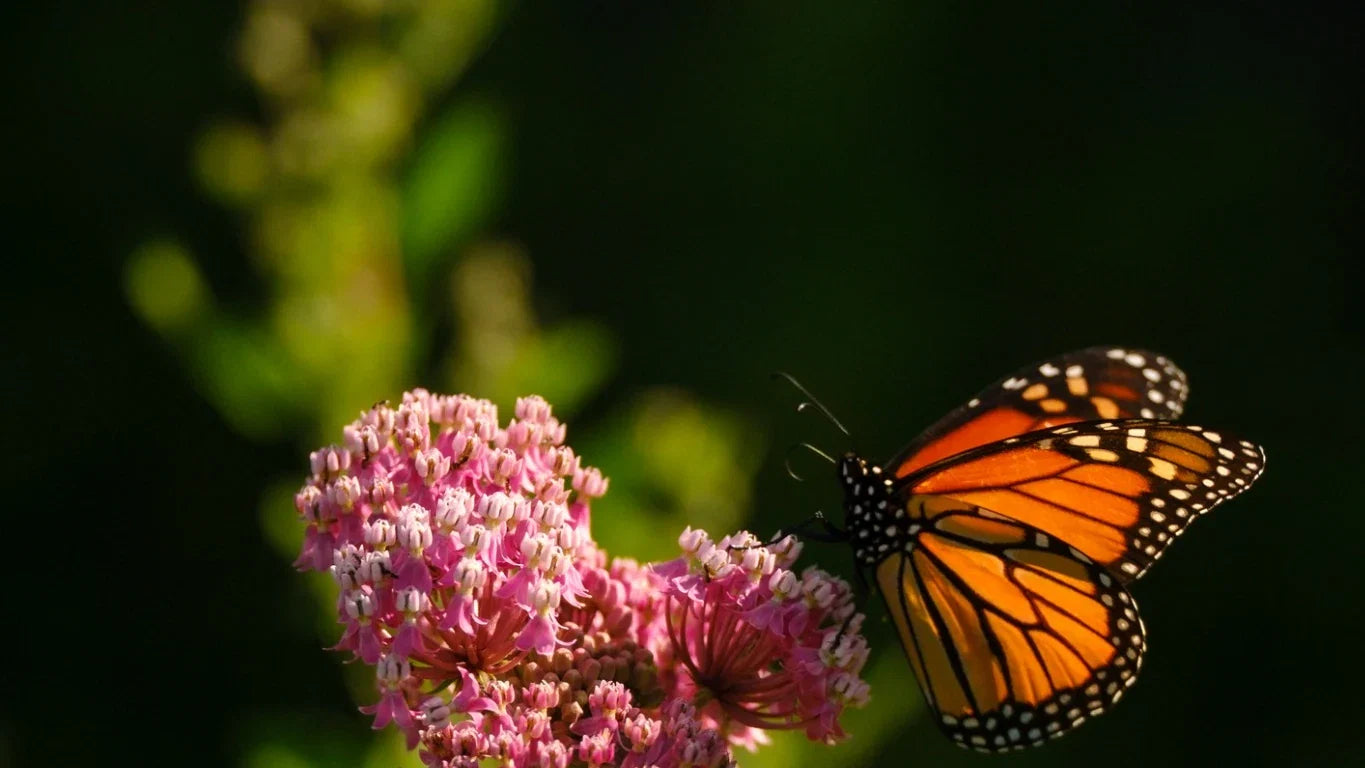
Match milkweed species to the site first, then fall sow or cold-moist stratify the seed, sow shallowly, transplant young, and build habitat beyond a single host plant.
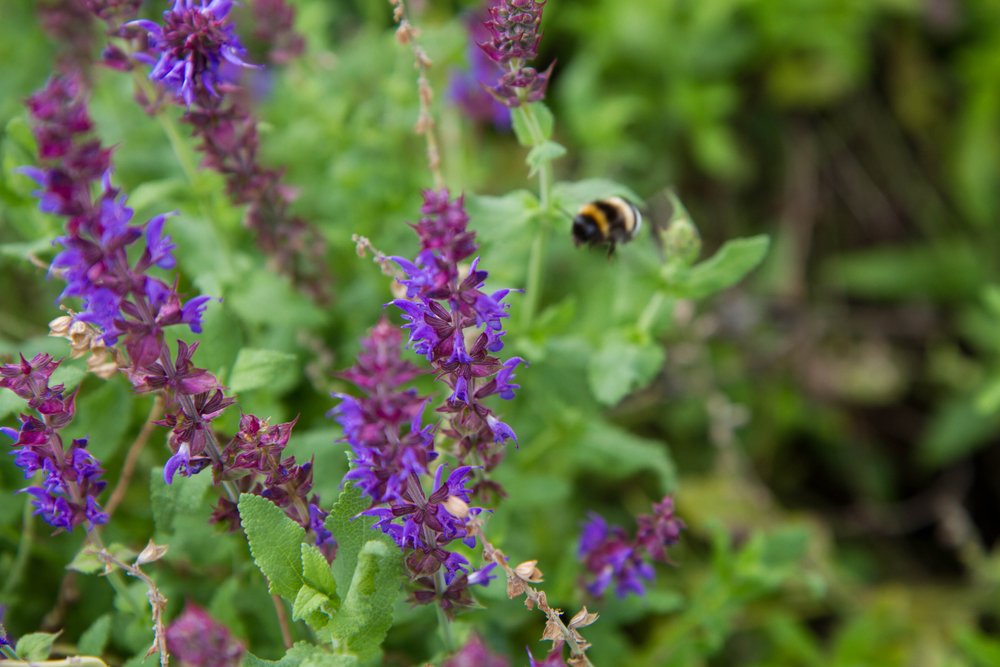
Beneficial insects are not one group with one job. Learn to recognize common predators and parasitoids, protect their life stages, and build habitat that keeps them working in the garden.
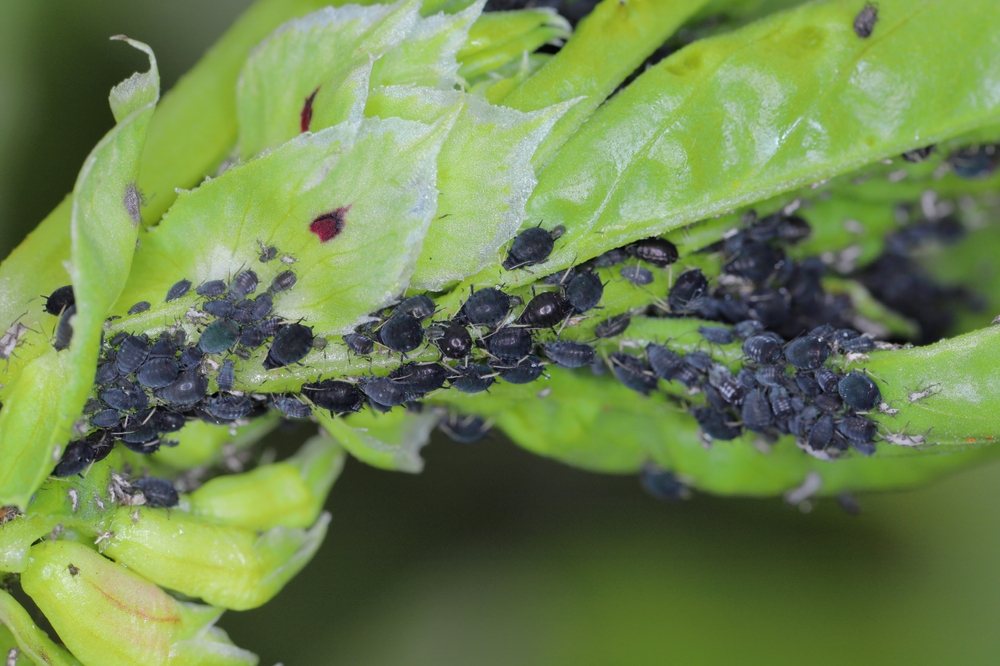
Confirm live aphids and damage before treating. Lady beetles, lacewings, hoverfly larvae, parasitoid wasps, and weather often reduce colonies; protect those natural enemies.
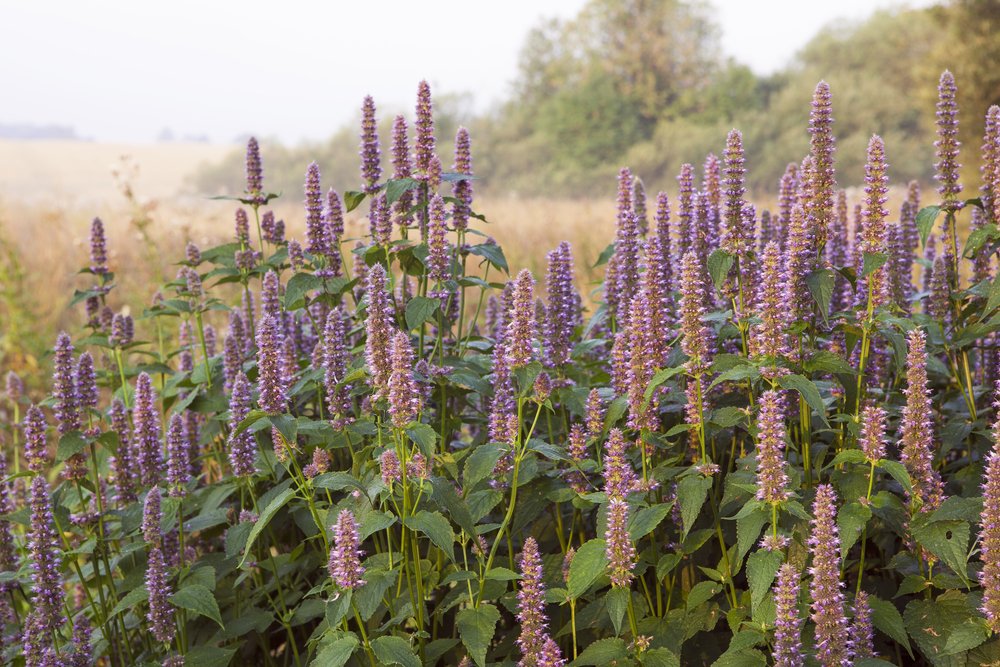
True hyssop and anise hyssop are different plants. Learn how to identify, sow, site, harvest, and manage Hyssopus officinalis and Agastache foeniculum.
Plant zinnias after frost in warm soil, match spacing to mature height, water at soil level, and use succession sowings for a longer run of healthy stems.
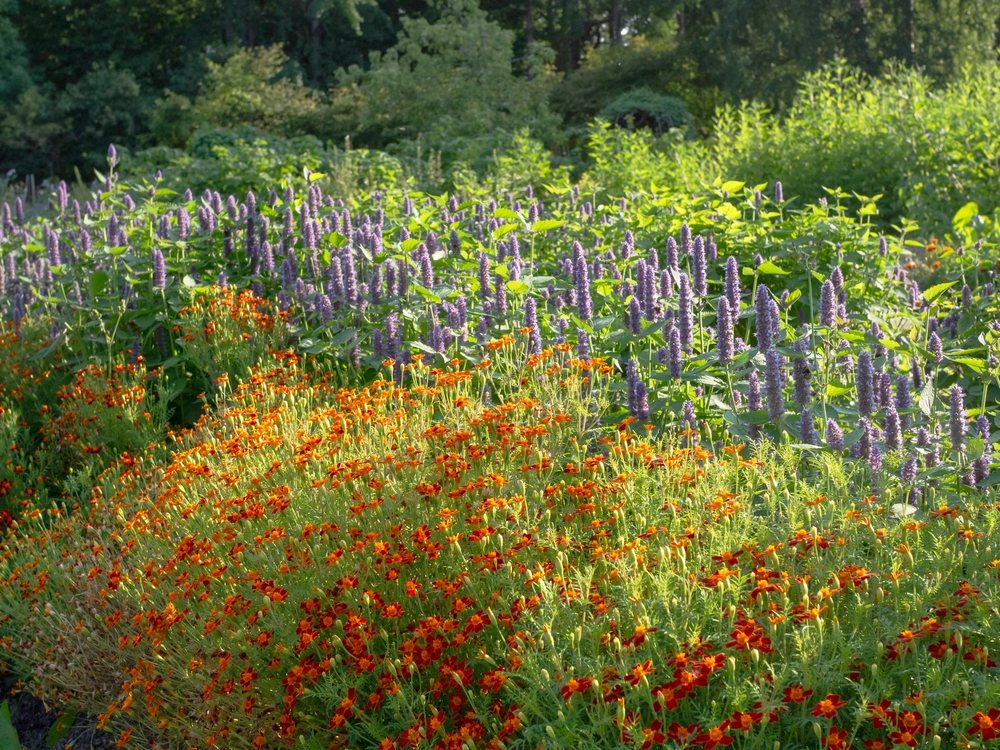
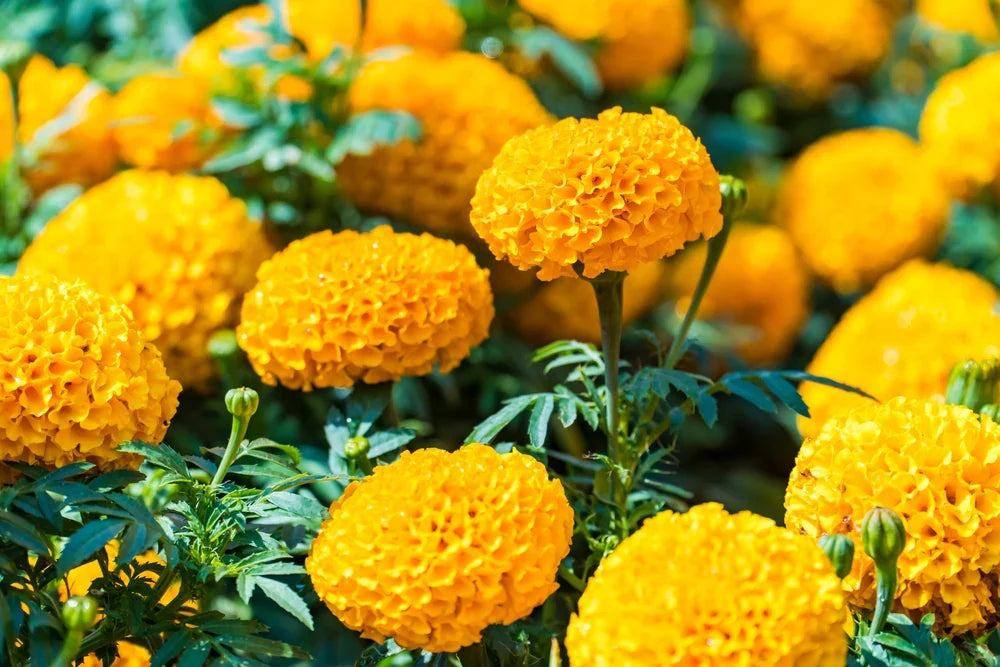
Identify the Tagetes species first, then sow after frost, match spacing to mature height, keep fertility moderate, and treat companion-planting claims realistically.
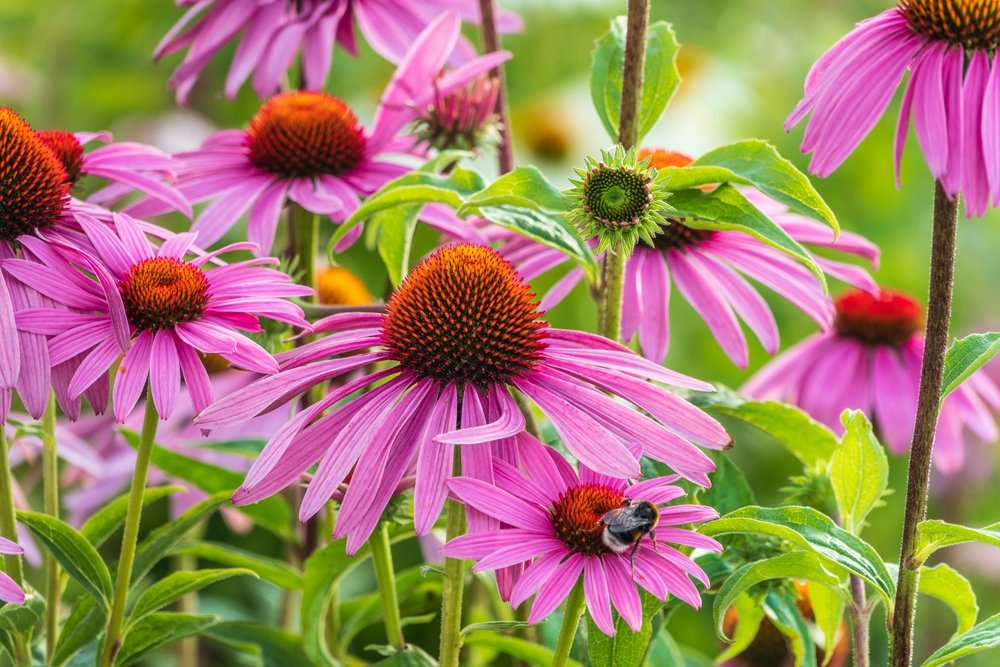
Prepare Echinacea purpurea seed with fall sowing or cold-moist stratification, sow shallowly, keep it evenly moist, and expect many plants to spend their first season building roots.
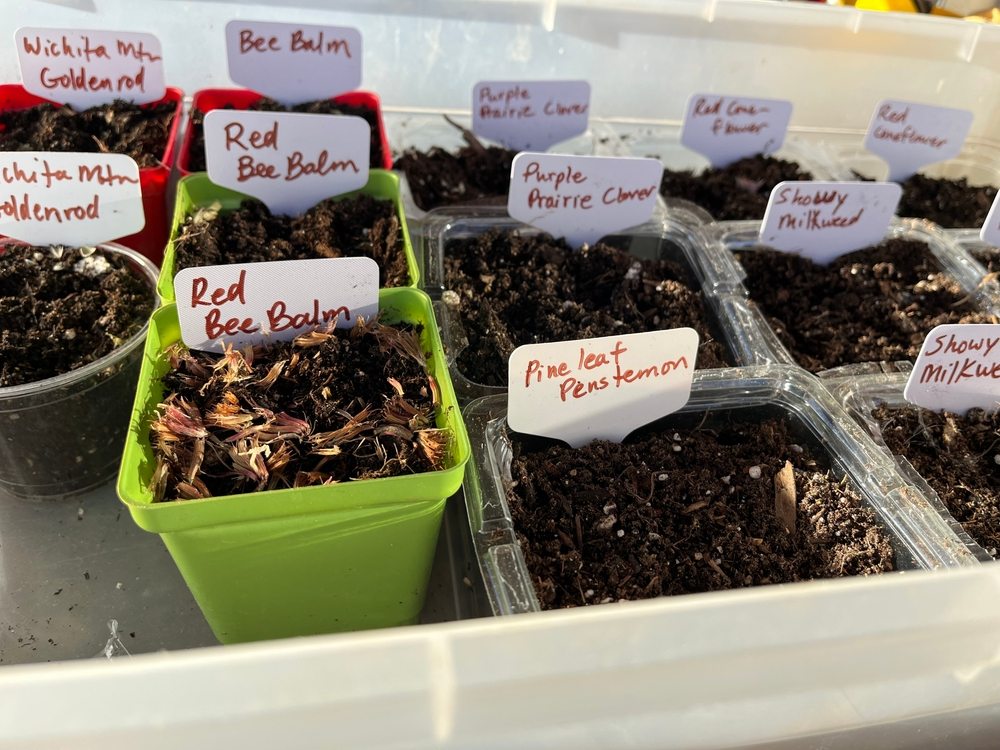
Winter sowing uses outdoor cold and moisture to condition suitable seeds. It works best for hardy species and stratification needs, not for every warm-season crop.
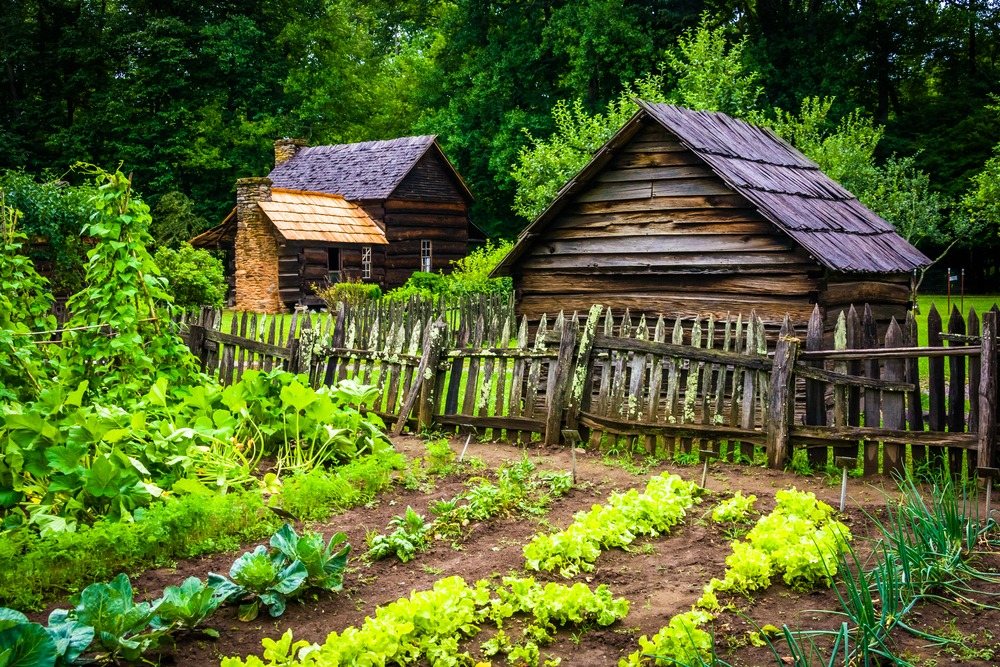
Establish a native wildflower garden by choosing locally appropriate species, controlling existing vegetation, preparing a firm seedbed, sowing at the right season, and managing weeds for several years.
Cold stratification is a species-specific period of cool, moist exposure used to reduce physiological dormancy. A dry seed packet sitting in a refrigerator is not automatically equivalent because moisture, temperature, duration, and aftercare all matter.
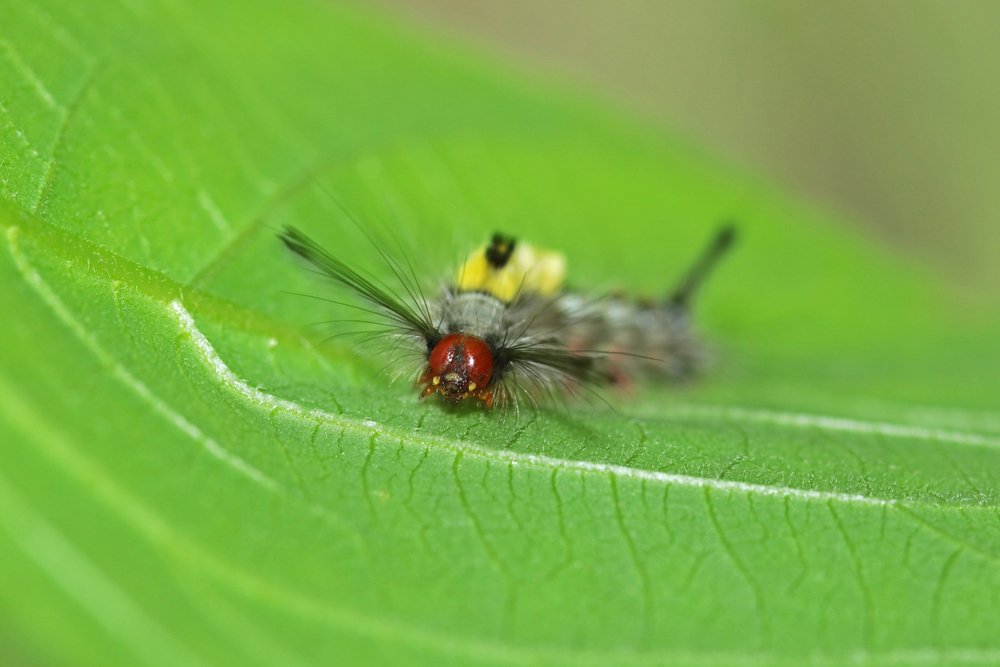
Identify host plant, feeding pattern, body markings, and life stage before removing a caterpillar. Some damage food crops heavily; others belong to valued native butterflies or moths.
Companion planting works best when it means purposeful crop diversity, habitat, timing, and space—not rigid charts of plants that supposedly like or hate one another.
By Frank J. Cain6 min read
Your cart
Updating your cart…
We could not update the cart shown here. Select View full cart to check your items and quantities.