Companion planting is useful when it describes a function. A low flower can feed hoverflies. A tall crop can cast afternoon shade. A fast radish can mark a slow carrot row. A flowering border can bring predators close before aphids arrive.
It becomes unreliable when every pairing is treated as a secret friendship or feud. Plants do not read charts. They compete for light, water, nutrients, and space, and they change the insect community around them.
If the answer is only “these plants like each other,” the plan is weak. Name the function: shade, support, timing, ground cover, pollinator food, predator habitat, or spatial efficiency.
Understand what companion planting can and cannot do
Companion planting can mean intercropping, sequential planting, insectary habitat, trap cropping, living mulch, or simply placing crops with compatible height and timing.
Those functions can be tested. A universal list of “good” and “bad” neighbors usually cannot.
- Diversity can interrupt pest movement.
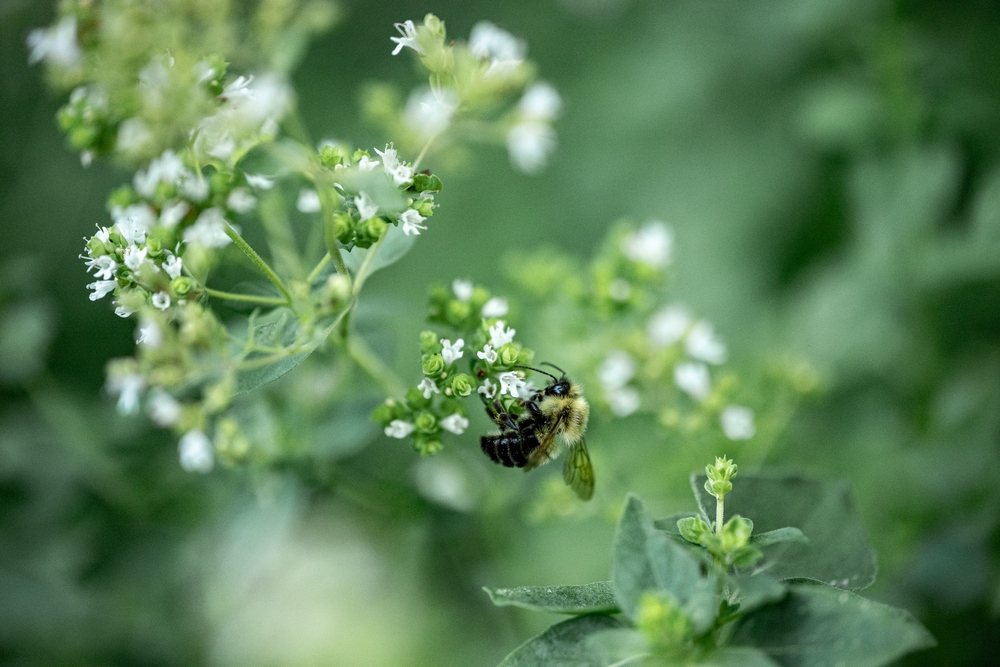
- Blooming plants can support beneficial insects.
- Mixed canopies can also increase humidity and disease.
Choose the method by the constraint that actually matters
Start with the limiting factor in the bed. In a dry garden, water competition matters. In a humid garden, airflow may matter more than theoretical pest deterrence.
Choose companions that mature, shade, spread, and root in ways the bed can support.
| Situation | Best starting choice | Why |
|---|---|---|
| Tomatoes plus low herbs or flowers | Possible insect habitat and soil cover | Do not crowd the tomato base or trap humidity |
| Corn plus pole beans | Structural support only when timing and strength align | Young corn can be pulled down by vigorous beans |
| Radish with slow-germinating rows | Marks the row and yields early | Radish does not magically repel every pest |
| Flower strip beside vegetables | Nectar and pollen for predators and pollinators | Choose bloom sequence and avoid weedy species |
Set the system up in the right order
Draw the mature footprint of each crop.
- Place tall plants where they will not steal critical light.
- Keep aggressive spreaders in containers or separate zones.
- Stagger sowing so one crop leaves as another expands.
- Add small-flowered habitat where it can remain in bloom without obstructing harvest.
Watch for the failure points
The garden can become overpacked because every empty inch is assigned a “beneficial” neighbor. Crowding reduces airflow, complicates harvest, and turns irrigation into guesswork.
Trap crops can also attract pests without containing them if they are not monitored and removed at the right time.
- Do not plant invasive herbs as living mulch.
- Do not use aromatic plants as a substitute for scouting.
- Do not ignore crop-family rotation because two plants appear on a favorable chart.
Adjust for North Carolina, Virginia, and the Mid-Atlantic
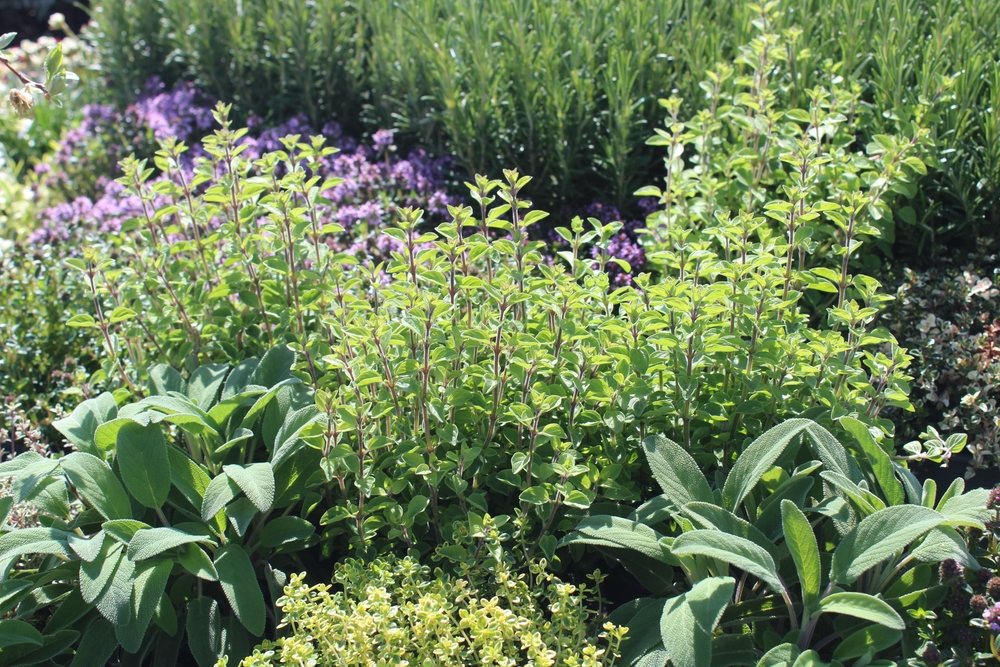
Humid Mid-Atlantic summers make airflow a primary design constraint. Pairing dense squash, tomatoes, and sprawling herbs can create a disease canopy even if the plants are chemically compatible.
Use flower borders, bed ends, and dedicated habitat strips to gain insect diversity without crowding the crop row.
Keep records that make the next season easier
Record the intended function and what actually happened: pest pressure, bloom period, yield, shading, and harvest access.
A companion is successful when it improves the system without creating a larger problem.
The best pairings are usually visible in the work: one plant shelters, feeds, supports, or leaves at the right time.
Put this guide to work in a real garden
Put Companion Planting: What Works, What Is Folklore, and What the Garden Actually Needs into a one-season plan before buying more inputs. Choose the variety or material, mark the bed or container, write the sowing or planting date, and decide what success will look like: first harvest, stem length, fruit set, bloom, survival, or control of spread.
Inspect on a schedule. Early problems are usually easier to correct because the crop has more season left and the cause has not been buried under secondary damage. Water, fertility, airflow, support, and harvest timing should be adjusted from the plant’s response rather than from a rigid weekly ritual.
At the end of the crop, keep the record honest. Note what performed, what merely survived, what required too much labor, and what deserves a larger planting next year. Experience becomes expertise only when it is remembered accurately.
- Choose the variety and define the intended use.
- Prepare soil, container, support, or irrigation before planting.
- Set a weekly inspection date.
- Harvest or prune at the stage described in the guide.
- Write a short end-of-season verdict.
Use a 30-day checkpoint instead of guesswork
Before planting
Choose the variety, site, support, soil preparation, and irrigation method while the bed is still easy to change.
First two weeks
Protect establishment. Watch moisture, light, wind, transplant shock, and early pest pressure.
At rapid growth
Adjust spacing, support, pruning, and fertility before the plant becomes difficult to handle.
At first harvest or bloom
Record quality, timing, labor, and the plant’s response. Use that evidence to guide the rest of the season.
A guide provides a sound starting system, not a guarantee. Cultivar, weather, soil history, and management interact, and the correct response may change as the plant moves from establishment to harvest.
Keep a one-season record
The record does not need to be elaborate. A notebook page, spreadsheet row, or labeled photograph is enough when it captures the variables that matter.
- Variety and source
- Planting date and location
- Water, fertility, and major weather events
- First harvest or bloom and total season length
- Problems, corrections, and next-year decision
Write enough that another grower—or you, one year later—could understand what was planted, what happened, and why the next decision changed.
Questions gardeners ask
Do marigolds repel every garden pest?
No. Some marigold effects are specific to certain nematodes and depend on species, density, and time. They are not a universal insect shield.
Can basil improve tomato flavor?
There is no dependable evidence that growing basil beside tomatoes changes fruit flavor. The pairing can still be convenient and attractive if spacing is adequate.
What is a trap crop?
A plant deliberately used to attract a pest away from the main crop. It must be monitored and managed so it does not become a breeding reservoir.
Can companion planting replace crop rotation?
No. Rotation addresses soilborne pests, diseases, nutrient demand, and residue. Companion planting does not erase crop-family history.
What flowers are useful near vegetables?
Small, accessible flowers such as alyssum, yarrow, dill, cilantro, mountain mint, and some asters can support beneficial insects when allowed to bloom.
A good companion earns its place. It does not need folklore when its shade, timing, flowers, roots, or structure can be seen doing real work.