Edible flower safety guide
Edible flowers can add flavor, color, aroma, and seasonal character to salads, cakes, teas, vinegars, and savory dishes. They also require more discipline than ordinary garnish.
A common name may cover more than one species. Some plants have edible petals but bitter or unsuitable bases. Flowers from a florist, roadside, or treated landscape should not enter the kitchen simply because the species appears on an edible list.
The standard is simple: identify the plant botanically, confirm the edible part from a reliable source, know how it was grown, and introduce small amounts carefully.
A flower does not become food because it is pretty, fragrant, or sitting beside an herb. The name, the plant part, and the treatment history must all be known.
Start with a short list of well-known edible species
| Plant | Commonly used part | Flavor or use |
|---|---|---|
| Calendula | Petals | Peppery, resinous color and garnish |
| Nasturtium | Flowers and leaves | Peppery, watercress-like |
| Viola and pansy | Whole clean flower | Mild, decorative, sometimes sweet |
| Borage | Flowers | Mild cucumber-like note |
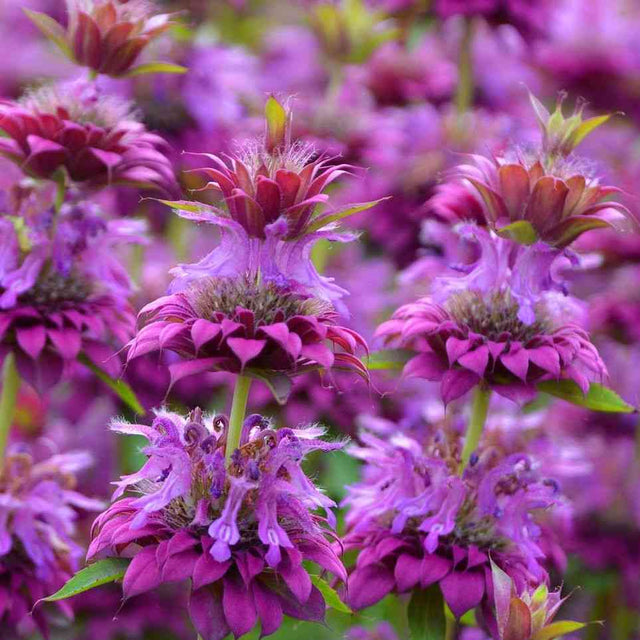
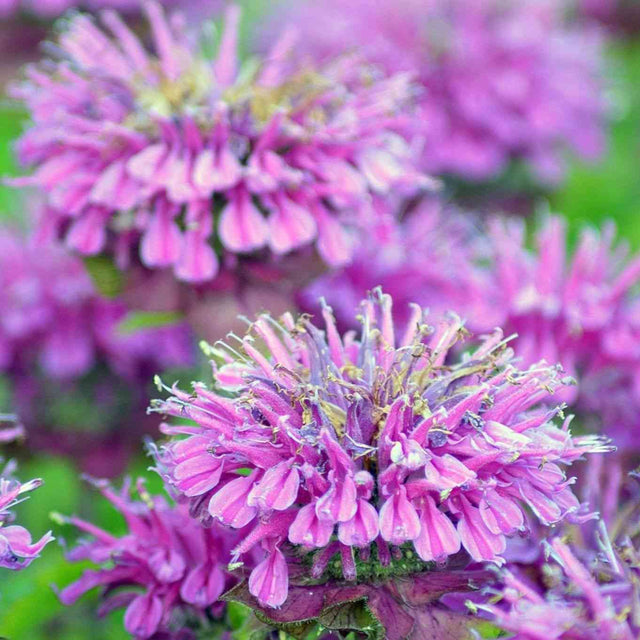
| Bee balm or Monarda | Petals and flowers of identified species | Minty, spicy, tea and garnish |
| Squash | Male blossoms or excess flowers | Mild, suitable for stuffing or frying |
| Marigold | Petals of selected Tagetes species | Citrus or spicy notes, species dependent |
This is not permission to eat any look-alike. Confirm the botanical name and edible plant part for the exact plant in front of you.
Grow kitchen flowers as food crops
Use seed or plants from a known source. Keep records of every pesticide, fertilizer, and soil amendment. Do not use systemic products or ornamental treatments that are not labeled for edible crops.
Site flowers away from pet waste, road splash, lead-painted structures, and contaminated soil. Use clean irrigation water and manage pests with the same care given to lettuce or herbs.
Separate kitchen harvest rows from purely ornamental plantings when possible. A clear boundary prevents visitors and workers from taking the wrong flowers.
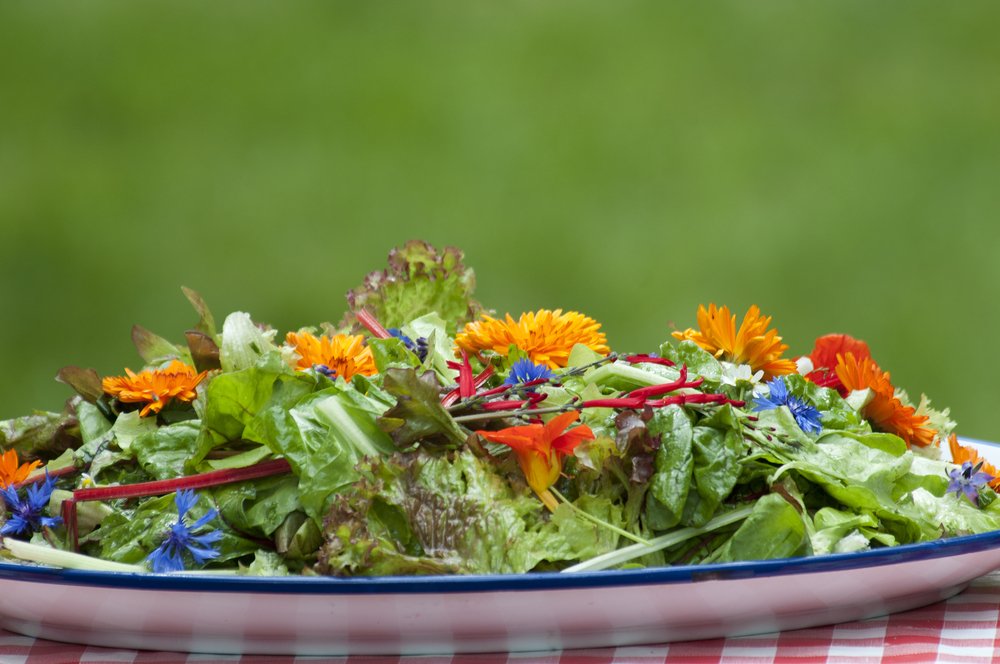
Identify before harvest, not after it reaches the plate
- Match the whole plant, not only the blossom.
- Read the botanical name on the original label or seed packet.
- Confirm the edible part and preparation.
- Check for toxic look-alikes or confusing common names.
- Reject any plant with uncertain treatment history.
Photographs and plant-identification apps can support a decision, but they should not be the only evidence for food use. When identity is uncertain, the flower stays in the garden.
Florist, nursery, roadside, and landscape flowers may carry treatments not intended for food. Species identity alone does not establish safety.
Harvest for flavor, cleanliness, and storage life
Harvest in the cool part of the morning after dew has dried. Choose fresh flowers without insects, disease, fading, or contamination. Carry them in a shallow clean container instead of crushing them in a deep bucket.
Inspect carefully, remove insects, and rinse only when the intended use and flower structure allow. Excess handling bruises delicate petals. Store cool and use promptly.
For composite flowers such as calendula and marigold, petals are often the useful part while the green base may be bitter. Follow species-specific guidance.
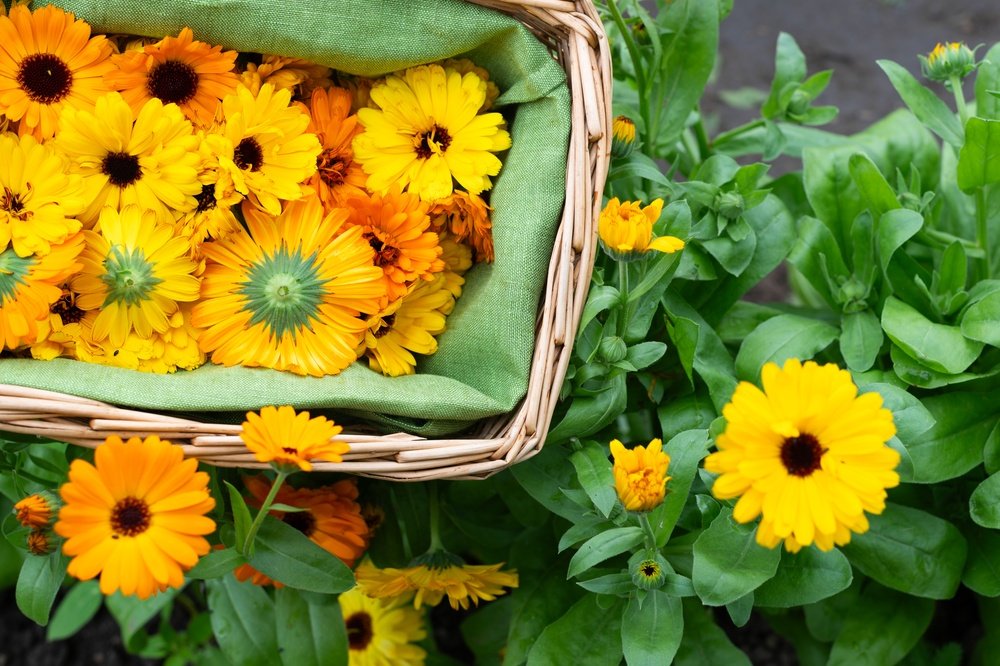
Use small amounts and honest labels in the kitchen
Flowers should support a dish, not overwhelm it. Strongly flavored petals can become bitter or medicinal when used heavily. Introduce one species at a time so flavor and individual response are easier to understand.
Anyone serving guests should identify the flowers and avoid implying that every decorative bloom is edible. People with pollen allergies or plant-family sensitivities may react even to a correctly identified edible flower.
Save seed without losing the kitchen crop
Leave selected flowers to mature on healthy, true-to-type plants. Mark them so they are not harvested for the kitchen. Allow seed to dry, collect before shattering, and label species and cultivar.
Open-pollinated varieties may cross with compatible neighbors. Hybrid flowers may produce variable offspring. For seed company or preservation work, isolation and records matter more than the beauty of the parent plant.
Troubleshoot common safety failures
| Problem | What it means | Decision |
|---|---|---|
| No botanical name | Identity is incomplete | Do not eat |
| Unknown spray history | Residue risk cannot be evaluated | Do not eat |
| Roadside or pet area | Contamination risk | Do not eat |
| Wilted or diseased petals | Poor quality and higher microbial load | Discard |
| Uncertain edible part | Some plant parts may differ in safety | Consult a reliable species source |
Choose species that fit regional conditions
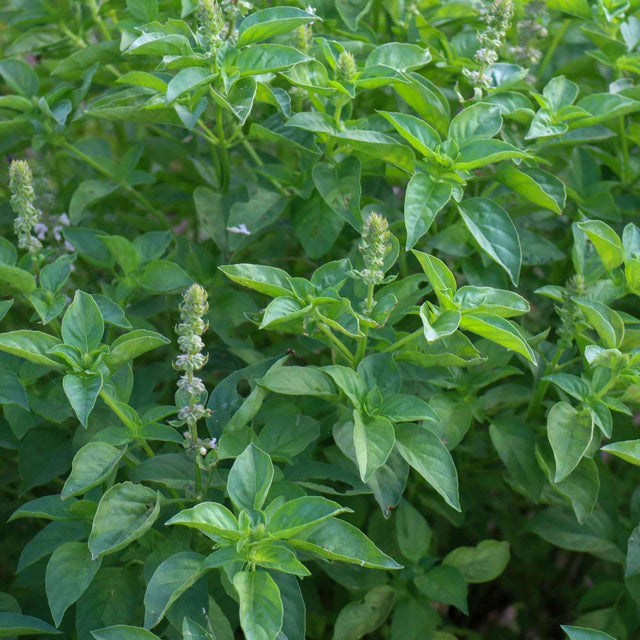
Calendula and violas favor cool weather. Nasturtium often declines in intense humid heat. Borage, marigolds, basil flowers, and some salvias perform later when the species and site are suitable.
A seasonal edible-flower garden is safer and more productive than forcing one species through weather it does not want.
Questions gardeners ask
Can I eat flowers from the garden center?
Only if the exact plant is edible and its treatment history confirms it was grown for food. Most ornamental nursery plants should be treated as non-food.
Are all marigolds edible?
No. Edible use varies by Tagetes species and cultivar. Identify the plant and use a reliable source.
Should edible flowers be washed?
Inspect and rinse as appropriate, but delicate flowers bruise easily. Clean growing and careful harvest reduce the need for rough washing.
Can I use flowers from a roadside?
No. Road spray, dust, herbicides, animal contamination, and unknown treatments make them unsuitable.
Are squash blossoms safe to harvest?
Yes when correctly identified and grown safely. Harvest excess male flowers first so fruit set is not reduced unnecessarily.