Hyssop and anise hyssop growing guide
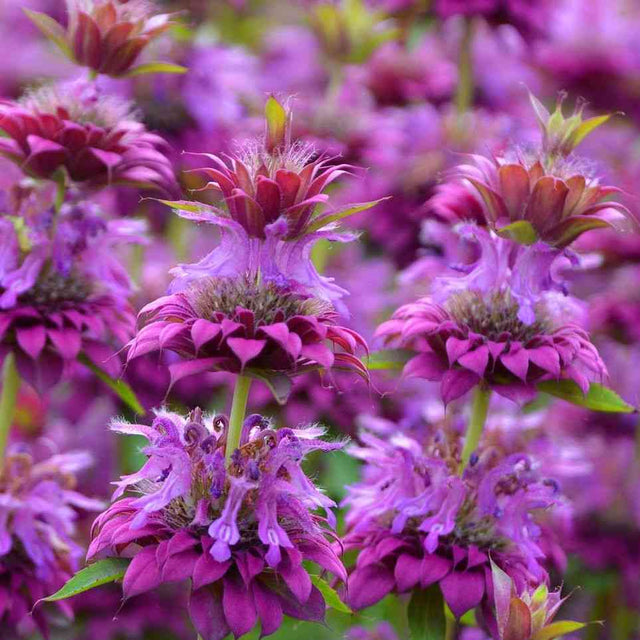
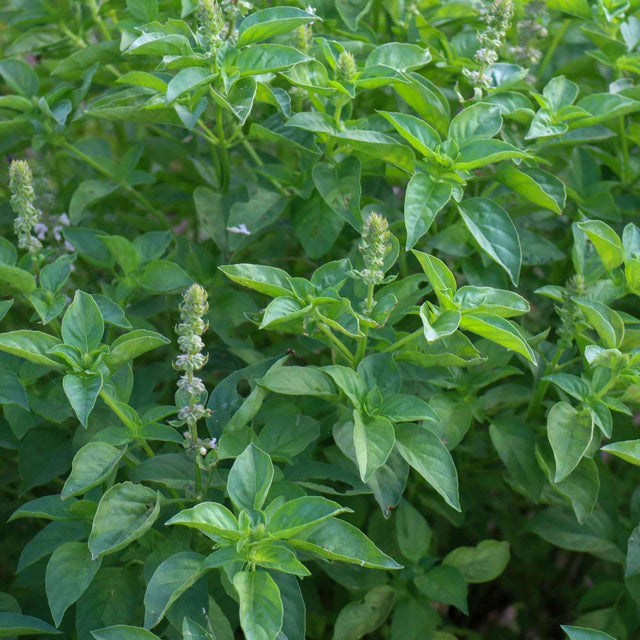
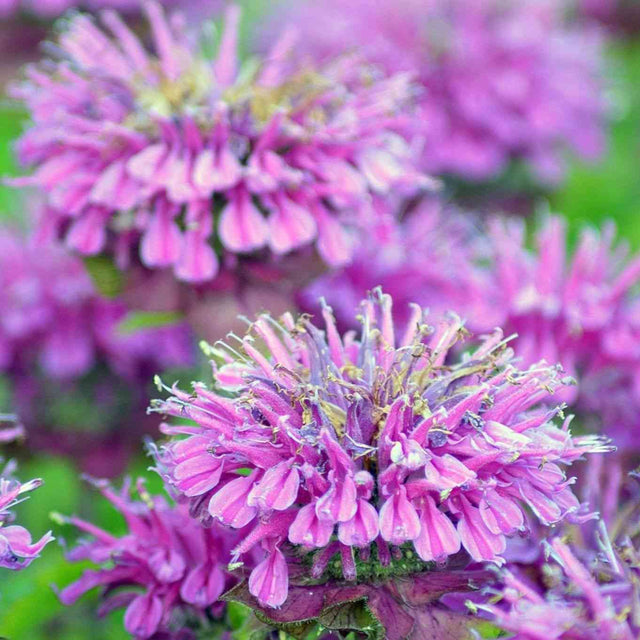
True hyssop and anise hyssop are both members of the mint family, both carry aromatic foliage, and both draw pollinators. They are not the same plant. True hyssop is Hyssopus officinalis, a compact woody perennial from the Mediterranean region. Anise hyssop is usually Agastache foeniculum, a taller North American perennial with licorice-scented leaves and dense flower spikes.
The confusion matters because the two plants differ in height, flavor, winter behavior, moisture preference, and garden use. It also matters when purchasing seed. A label that stops at “hyssop” leaves too much room for misunderstanding.
This guide uses botanical names throughout so the advice stays attached to the right plant.
A common name is useful until it is not. When two seed packets say hyssop and grow into different plants, the botanical name is not decoration. It is the lock on the gate.
Identify the plant before choosing a site
| Feature | True hyssop | Anise hyssop |
|---|---|---|
| Botanical name | Hyssopus officinalis | Agastache foeniculum |
| Habit | Compact, semi-woody, often 18 to 24 inches | Upright herbaceous perennial, often 3 to 5 feet |
| Foliage aroma | Sharp, resinous, tonic-like | Sweet anise or licorice |
| Native range | Mediterranean region | North American prairies and open ground |
| Best site | Sunny, lean, sharply drained soil | Sun to light shade, average to dry well-drained soil |
| Garden role | Edging herb, dry border, culinary or historic herb garden | Pollinator planting, meadow, tea garden, tall perennial border |
The genus name on the packet should determine the planting location. True hyssop tolerates leaner conditions and dislikes wet feet. Anise hyssop accepts richer soil but still resents stagnant winter moisture.
Start seed with patience and good drainage
Both plants can be started indoors or sown outdoors, but perennial seed does not always emerge as uniformly as a vegetable crop. Use a clean, well-drained mix, sow shallowly, and give seedlings strong light as soon as they appear.
- Label trays with the botanical name.
- Sow on the surface or barely cover according to the seed lot instructions.
- Keep the mix moist, not saturated.
- Thin or pot up before roots become tangled.
- Harden plants gradually before setting them outdoors.
Outdoor sowing can work well where the seed experiences natural temperature changes. Protect the location from washing rain and mark it clearly because perennial seedlings may be slow and easy to weed out.
Place each plant where its mature form belongs
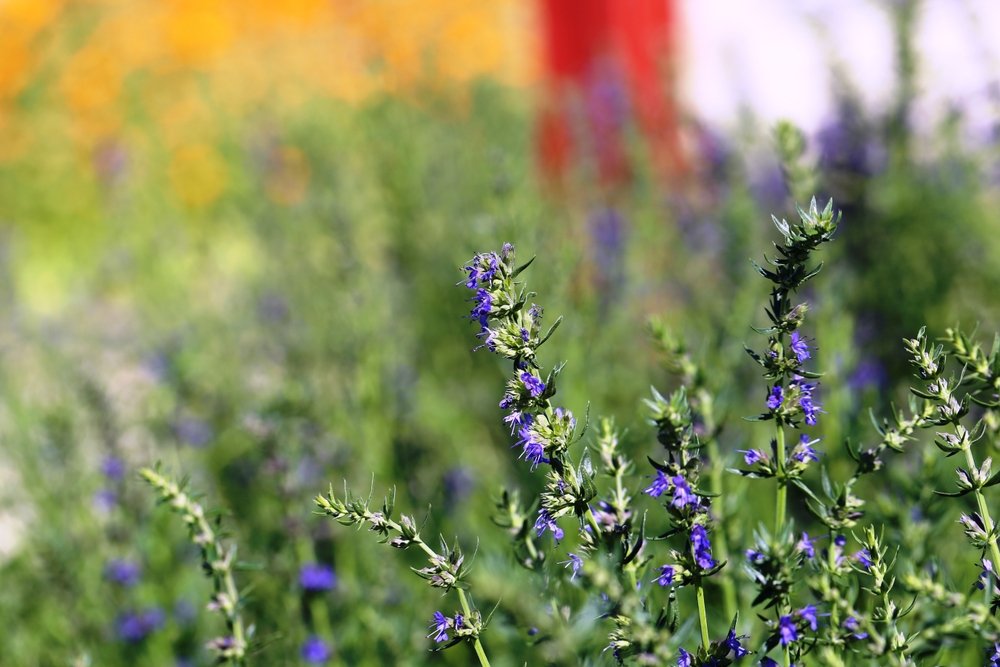
True hyssop belongs in the drier part of the herb garden, along a path, on a slope, or near other plants that prefer sharp drainage. Anise hyssop needs enough room for a tall flowering clump and should not be hidden behind a short border.
- Give true hyssop full sun and avoid heavy wet soil.
- Give anise hyssop sun for the strongest stems and heaviest bloom.
- Space for airflow in humid climates.
- Avoid crowding the crown with winter mulch.
- Use containers only when drainage and winter protection can be managed.
Manage bloom, pollinators, and reseeding
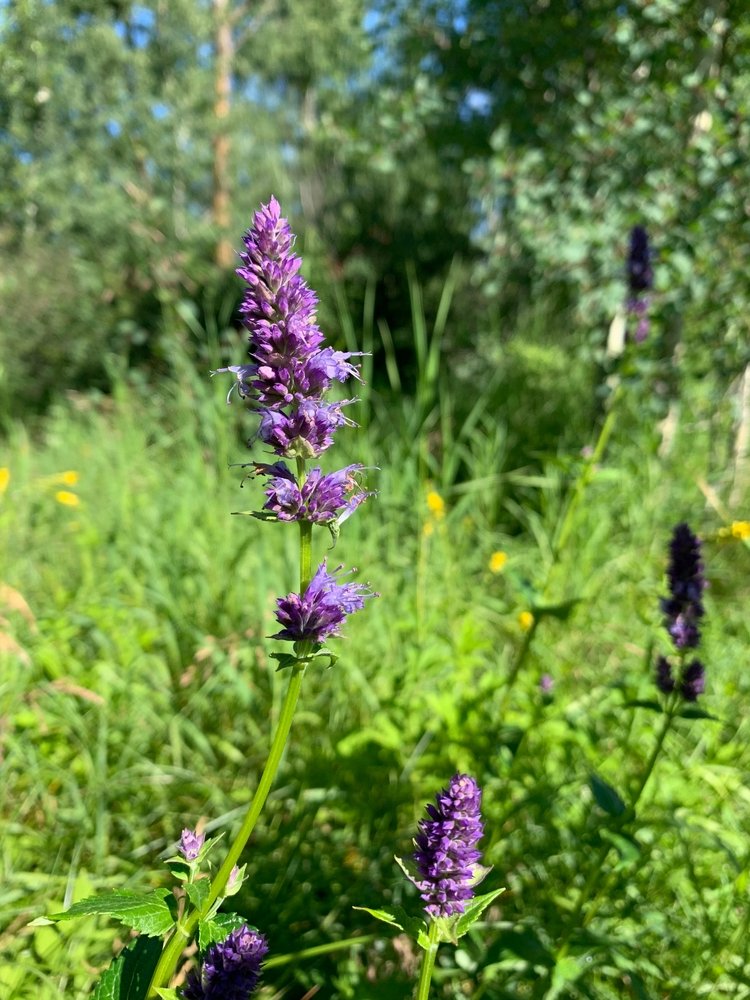
Anise hyssop can flower for weeks and may become one of the busiest plants in a pollinator garden. Deadheading extends a tidy bloom, while leaving selected heads supports seed saving and volunteers. True hyssop can be trimmed after flowering to retain a compact form.
Neither plant needs heavy feeding. Rich nitrogen can produce soft, leaning growth and reduce the concentrated character gardeners expect from aromatic herbs.
Where the planting is managed for wildlife, leave a portion of sound stems through winter. Hollow and pithy stems can support insects, and dry seed heads continue to hold structure after the flowers are gone.
Harvest leaves and flowers with the plant correctly identified
Harvest on a dry morning after dew has lifted. Use clean scissors and take modest amounts from healthy, untreated plants. Anise hyssop leaves and flowers are commonly used for tea and garnish; true hyssop has a stronger flavor and should be approached as a different ingredient.
Common-name confusion is not harmless in the kitchen. Never use a plant simply because a seller, neighbor, or phone application called it hyssop. Confirm the genus and species, know which plant part is used, and start with a small amount if it is new to you.
Save seed without losing the name
Allow selected heads to brown and dry. Cut them into a paper bag, finish drying under cover, then rub and screen the seed. Keep true hyssop and anise hyssop in separately labeled containers.
| Problem | What to inspect | Response |
|---|---|---|
| Seedlings collapse | Saturated mix, weak light, poor airflow | Reduce moisture, improve light and sanitation |
| Mature crown rots | Wet winter soil or mulch piled over crown | Improve drainage and expose the crown |
| Tall plants lean | Shade, rich soil, crowding | Increase light, reduce feeding, provide more space |
| Plants appear in unwanted places | Self-sown anise hyssop | Deadhead earlier or transplant volunteers while small |
| Flavor is not as expected | Wrong species or weak growing conditions | Verify identity and grow in stronger light |
Use regional conditions rather than the nursery label alone
In the Mid-Atlantic, humidity and winter drainage often decide survival more than the printed hardiness zone. Anise hyssop usually handles regional heat if the soil drains and air moves through the clump. True hyssop is more likely to fail from wet soil than from ordinary summer drought.
Coastal gardeners should raise crowns above waterlogged ground. Piedmont and mountain gardeners can often use lean slopes and gravelly edges to good advantage. The plant that dies in a wet rich bed may live for years ten feet away in poorer, drier soil.
Questions gardeners ask
Are hyssop and anise hyssop the same plant?
No. True hyssop is Hyssopus officinalis. Anise hyssop is usually Agastache foeniculum. They share a family and a common name, not a genus.
Which one is native to North America?
Agastache foeniculum is native to parts of North America. Hyssopus officinalis is native to the Mediterranean region.
Does anise hyssop spread?
It can form a wider clump and self-sow where seed heads are left. It is generally easier to manage than aggressive running mints.
Why did my hyssop die over winter?
Poor drainage and a wet crown are common causes. Check whether the plant was the species you intended and whether mulch or clay held water around it.
Can both be grown from seed?
Yes. Sow shallowly, maintain even moisture, provide strong light, and keep precise labels because the seedlings and names are easily confused.