Morning glories can cover a fence with flowers before breakfast and cover a neglected corner with seedlings the following spring. The same vigor that makes them useful makes them a poor choice for places where seed cannot be monitored.
The name “morning glory” covers several species and many cultivars. Some are ornamental annual vines; others are regulated or troublesome weeds in particular regions. Identification comes before enthusiasm.
A strong trellis and a clear boundary make morning glory beautiful. Let it wander through shrubs, gutters, and seed-bearing weeds, and the work multiplies. Plant with an exit plan.
Know what kind of morning glory you are growing
Ornamental morning glories are fast-growing twining vines, commonly grown as annuals. They climb by wrapping stems around supports rather than using tendrils or adhesive pads.
Flowers open most fully in morning light and may close by afternoon, especially in heat. Seed coats are hard, which can delay water uptake.
- Confirm the botanical name.
- Check local invasive or noxious-weed guidance.
- Do not confuse ornamental morning glories with field bindweed.
Choose the form or variety for the job
Choose a cultivar by color, mature vine length, and local suitability. The support must match the final weight, not the size of the seedling.
Compact spaces need a vine that can be reached for pruning and seedpod removal.
| Garden goal | Best fit | What to watch |
|---|---|---|
| Fence or large trellis | Vigorous ornamental cultivar | Monitor seed and neighboring plants |
| Container with obelisk | Moderate vine and large pot | Water demand rises quickly |
| Temporary screen | Fast annual vine | Remove before mature seed disperses |
| Wild or natural area | Usually avoid ornamental morning glory | Use locally appropriate native vines instead |
Start seed at the right time and depth
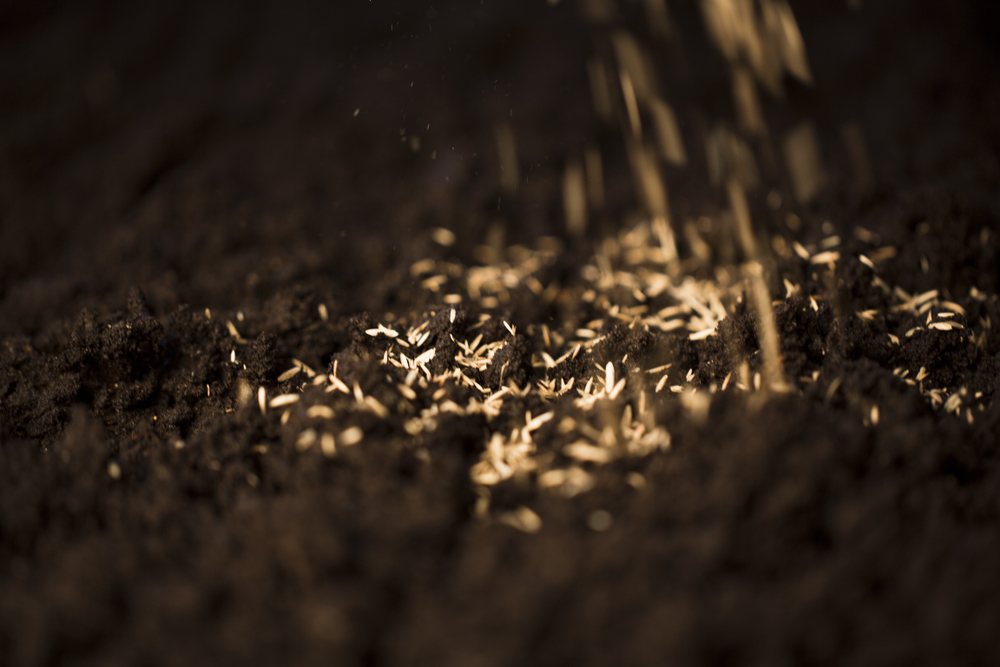
Sow after frost danger in warm soil. Nicking or lightly filing the seed coat and soaking for several hours can speed imbibition, but do not damage the embryo.
Indoor starting is possible a few weeks before transplanting, though direct sowing avoids root disturbance.
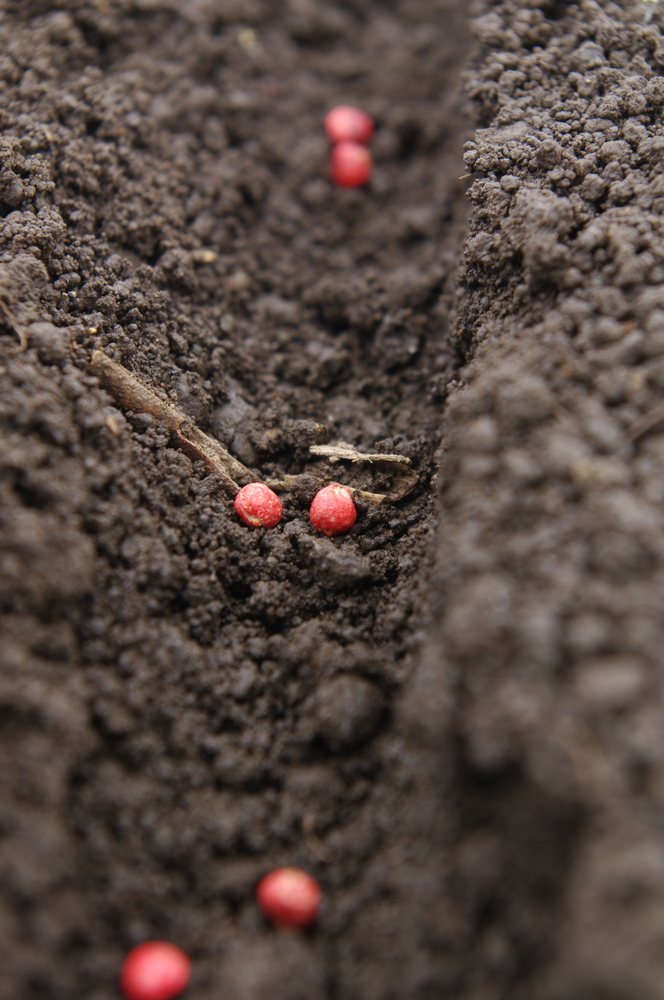
- Plant about 1/2 inch deep.
- Keep warm and evenly moist.
- Thin to prevent a knot of competing vines.
- Install support before growth accelerates.
Build the site before the plant asks for rescue
Use full sun and ordinary, well-drained soil. Rich, heavily fertilized soil produces abundant leaves and fewer flowers.
Place the support away from siding, wires, young shrubs, and crops the vine could smother.
- Use sturdy mesh, strings, or bamboo.
- Keep the root zone mulched after warming.
- Train early rather than untangling late.
Manage water, fertility, and growth
Water during establishment and prolonged drought, especially in containers. Avoid routine high-nitrogen feeding.
Redirect or prune wandering stems before they reach places where removal becomes destructive.
- Inspect weekly.
- Remove unwanted seedpods while green.
- Cut vines at the base after frost or when the display is finished.
Harvest at the stage that matches the use
The crop is ornamental bloom, not unchecked biomass. Remove spent vines before dry pods scatter where volunteers are not wanted.
Wear gloves if skin is sensitive and keep seed away from children and pets; morning glory seed is not food.
Troubleshoot the common failures
Few flowers usually point to shade, excess nitrogen, or a very late start. Yellowing may come from saturated roots or nutrient imbalance; sparse germination often comes from cool soil or hard seed coats.
The most serious “problem” is escape by seed.
| Symptom | Likely cause | First correction |
|---|---|---|
| Lots of leaves, few flowers | Excess nitrogen or shade | Stop feeding and increase light if possible |
| Seed fails to sprout | Hard coat or cool soil | Scarify gently and wait for warmth |
| Vines collapse from support | Support too weak or installed late | Add strong structure without tearing stems |
| Many volunteers next year | Pods matured and dispersed | Remove seedlings early and manage seedpods |
Adjust the plan across the Mid-Atlantic
Long warm seasons in the Coastal Plain can produce heavy seed set. Mountain gardens have less time but still need control before frost.
Where an ornamental species is discouraged or invasive, choose a locally appropriate native vine instead.
A vine should frame a garden, not annex it.
Put this guide to work in a real garden
Put How to Grow Morning Glories from Seed Without Losing Control of the Vine into a one-season plan before buying more inputs. Choose the variety or material, mark the bed or container, write the sowing or planting date, and decide what success will look like: first harvest, stem length, fruit set, bloom, survival, or control of spread.
Inspect on a schedule. Early problems are usually easier to correct because the crop has more season left and the cause has not been buried under secondary damage. Water, fertility, airflow, support, and harvest timing should be adjusted from the plant’s response rather than from a rigid weekly ritual.
At the end of the crop, keep the record honest. Note what performed, what merely survived, what required too much labor, and what deserves a larger planting next year. Experience becomes expertise only when it is remembered accurately.
- Choose the variety and define the intended use.
- Prepare soil, container, support, or irrigation before planting.
- Set a weekly inspection date.
- Harvest or prune at the stage described in the guide.
- Write a short end-of-season verdict.
Use a 30-day checkpoint instead of guesswork
Before planting
Choose the variety, site, support, soil preparation, and irrigation method while the bed is still easy to change.
First two weeks
Protect establishment. Watch moisture, light, wind, transplant shock, and early pest pressure.
At rapid growth
Adjust spacing, support, pruning, and fertility before the plant becomes difficult to handle.
At first harvest or bloom
Record quality, timing, labor, and the plant’s response. Use that evidence to guide the rest of the season.
A guide provides a sound starting system, not a guarantee. Cultivar, weather, soil history, and management interact, and the correct response may change as the plant moves from establishment to harvest.
Keep a one-season record
The record does not need to be elaborate. A notebook page, spreadsheet row, or labeled photograph is enough when it captures the variables that matter.
- Variety and source
- Planting date and location
- Water, fertility, and major weather events
- First harvest or bloom and total season length
- Problems, corrections, and next-year decision
Write enough that another grower—or you, one year later—could understand what was planted, what happened, and why the next decision changed.
Questions gardeners ask
Should morning glory seeds be soaked?
Soaking after lightly nicking the seed coat can speed germination. Do not soak so long that seed becomes soft or damaged.
Why are my morning glories not flowering?
Common causes are too much nitrogen, insufficient sun, cool weather, or a late start.
Are morning glories invasive?
Some species escape readily and may be invasive or regulated in certain places. Check the botanical name and local guidance.
Can morning glories grow in containers?
Yes, in a large container with strong support and consistent water.
How do I prevent reseeding?
Remove green seedpods before they mature and clean up vines at the end of the season.
Morning glory is a bargain with vigor. Give it a strong wall, deny it the rest of the property, and take the seedpods before they write next year’s plan without you.