Lemon bee balm is the fast Monarda, not a small copy of wild bergamot
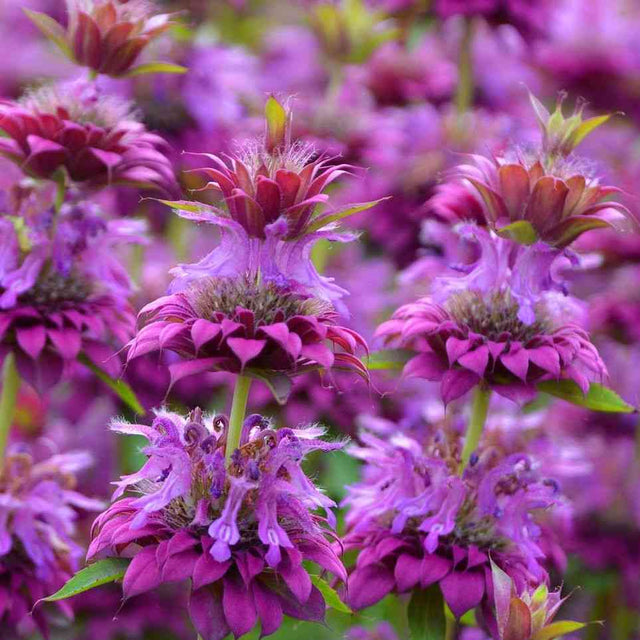
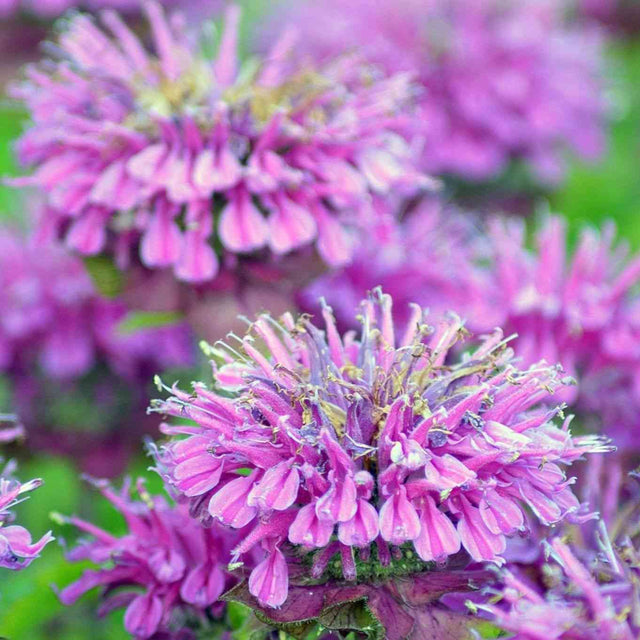
Monarda citriodora is commonly called lemon bee balm, lemon mint, lemon horsemint, or purple horsemint. It grows quickly, flowers in stacked rings along the stem, and usually completes its show in one season. That separates it from perennial wild bergamot, Monarda fistulosa, which develops a returning crown and spreading clump.
The seed is small enough to disappear under ordinary potting mix. Most failures come from deep sowing, a dry surface, weak indoor light, or crowded seedlings. The plant itself is not demanding once those early mistakes are avoided.
Surface sow or cover lemon bee balm seed only faintly, provide bright light and warm spring conditions, and keep the seed layer evenly moist. No long cold treatment is normally required. Thin or transplant for airflow, use full sun and moderate drainage, and expect first-season bloom.
Quick planting facts
| Question | Working answer |
|---|---|
| Life cycle | Annual in most gardens; sometimes a short-lived biennial. |
| Sowing time | Indoors several weeks before last frost or direct after frost. |
| Seed depth | Surface sow or cover faintly. |
| Cold stratification | Not required for routine spring sowing. |
| Light | Full sun; light afternoon shade can help in severe heat. |
| Spacing | About 10 to 15 inches, adjusted for airflow and garden use. |
| Bloom | First season under normal warm-season conditions. |
Lemon bee balm, wild bergamot, and citrus bergamot are different plants
Lemon bee balm is Monarda citriodora. Wild bergamot is Monarda fistulosa. Citrus bergamot is a tree in the genus Citrus. Shared common names do not make their growth habits or uses interchangeable.
Lemon bee balm has narrow leaves and stacked flower whorls. Wild bergamot forms a perennial clump with rounded flower heads. When buying seed, use the botanical name to know which plant and life cycle you are choosing.
Starting the fine seed indoors or outside
Fill trays with a fine, moist mix. Scatter the seed thinly, press it into contact, and cover only faintly. Keep the tray warm and bright. A vented humidity cover can slow drying, but remove it after emergence.
For direct sowing, wait until frost danger is past and the soil is workable. Smooth a small weed-free patch, scatter sparingly, and press the seed in. Mark the row because tiny Monarda seedlings are easy to weed out by mistake.
Thinning, transplanting, and container growing
Thin crowded seedlings before leaves overlap heavily. Move indoor starts when roots hold the plug together. Set them at the same depth they grew in the tray and water deeply.
Containers work well when they are large enough to buffer heat and drying. Use drainage holes, morning-to-midday sun, and regular watering. Avoid a tiny decorative pot that heats and dries every afternoon.
Growing for flowers instead of soft foliage
Use full sun, moderate fertility, and ordinary well-drained soil. High nitrogen can make weak leafy stems. Water during establishment, then water deeply when the upper soil dries.
Pinching young plants can increase branching, but it may delay the first bloom. In short seasons, leave some plants unpinched. Deadheading extends appearance; leaving dry heads allows seed saving and volunteers.
Preventing powdery mildew without pretending it never happens
Bee balms are known for powdery mildew. The goal is not to promise immunity. Give the plants sun, airflow, soil-level watering, and enough space. Remove badly infected debris rather than composting it beside next year's bed.
Mildew late in the season may be mainly cosmetic. Early severe mildew usually signals crowding, shade, drought stress, or susceptible plants. Record which individuals stay healthiest before saving seed.
Using lemon bee balm in a pollinator garden
The stacked flowers attract bees, butterflies, and hummingbirds, but one annual species cannot provide a full season of habitat. Combine lemon bee balm with earlier and later bloomers, host plants, water, shelter, and pesticide-aware management.
For a returning perennial Monarda, compare Wild Bergamot. For a broader shopping path, use the bee balm seed collection.
Saving lemon bee balm seed
Allow selected heads to dry brown. Clip them into a paper bag, crumble over a tray, and screen out the larger chaff. The seed is small, so work indoors out of wind. Dry again before storage.
Label the botanical name and year. Monarda species and selections can cross when compatible plants bloom nearby, so saved seedlings may vary.
Frequently asked questions
Does lemon bee balm need cold stratification?
No long cold treatment is normally required for spring sowing.
Is lemon bee balm perennial?
It is most often grown as an annual and may behave as a short-lived biennial in some climates.
Can it grow in a container?
Yes, in a reasonably large pot with drainage, sun, and regular water.
Why are my seedlings falling over?
Weak light, excess warmth, crowded sowing, or saturated mix can produce stretched or diseased seedlings.
Is it the same as wild bergamot?
No. Lemon bee balm is Monarda citriodora; wild bergamot is Monarda fistulosa.
Can I save seed?
Yes. Let heads dry fully, screen the tiny seed, and expect possible variation if other Monarda flower nearby.
Use a one-season record to improve the next planting
Record the sowing date, first emergence, transplant date, first flower, peak bloom, mildew onset, and final seed harvest. Add the amount of sun and whether the plants were in the ground or in containers. That simple record will explain more than a generic statement that bee balm was easy or difficult.
Where summers are hot, also note whether plants paused during drought or continued after deep watering. Save seed from plants that combined the flower form you wanted with strong stems and acceptable foliage health. The goal is not to pretend one generation creates a new stable variety. It is to keep a useful field record and make the next sowing decision from observed plants rather than memory alone.