Beans span several species, plant habits, and harvest stages. Bush, pole, snap, shell, dry, lima, runner, cowpea, soybean, and yardlong beans require different plans.
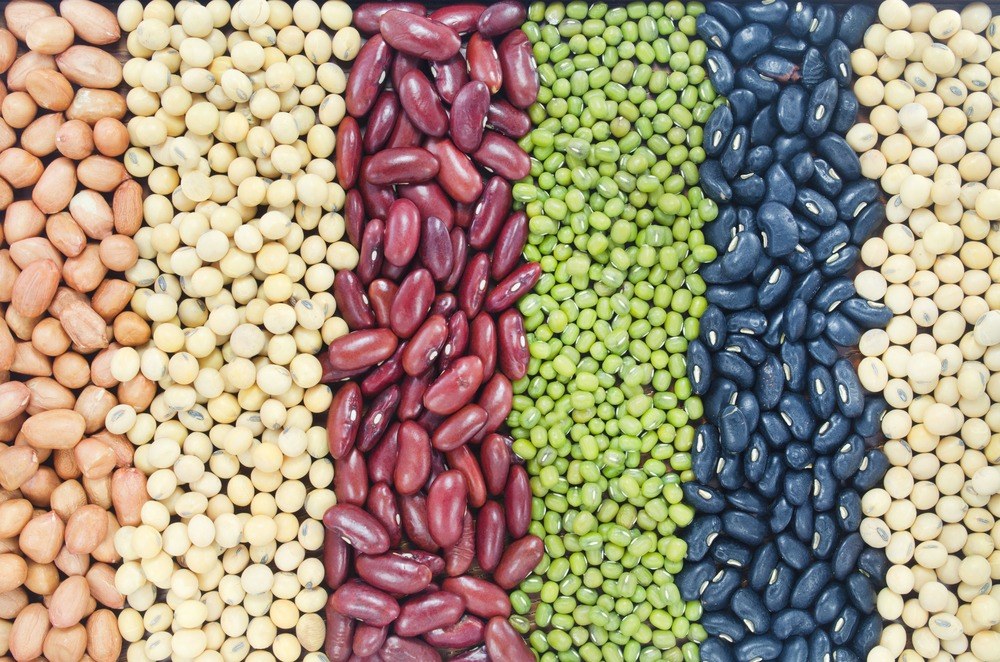
A jar of mixed beans is beautiful. A mixed planting plan can be chaos. Scientific name, habit, support, and harvest stage keep the beauty from becoming confusion.
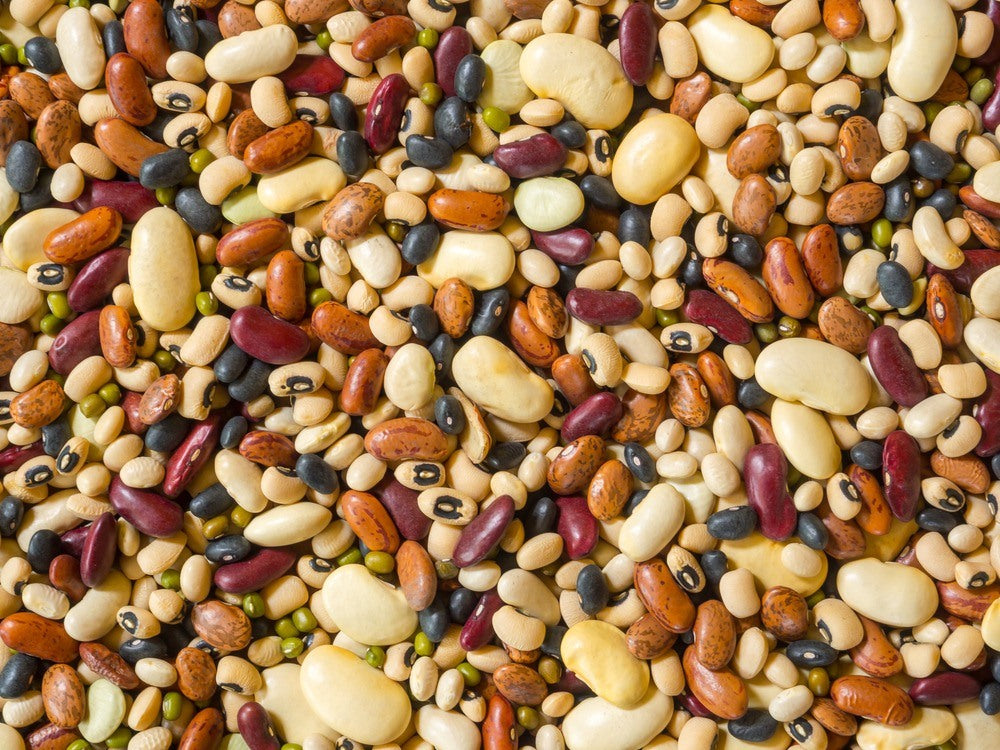
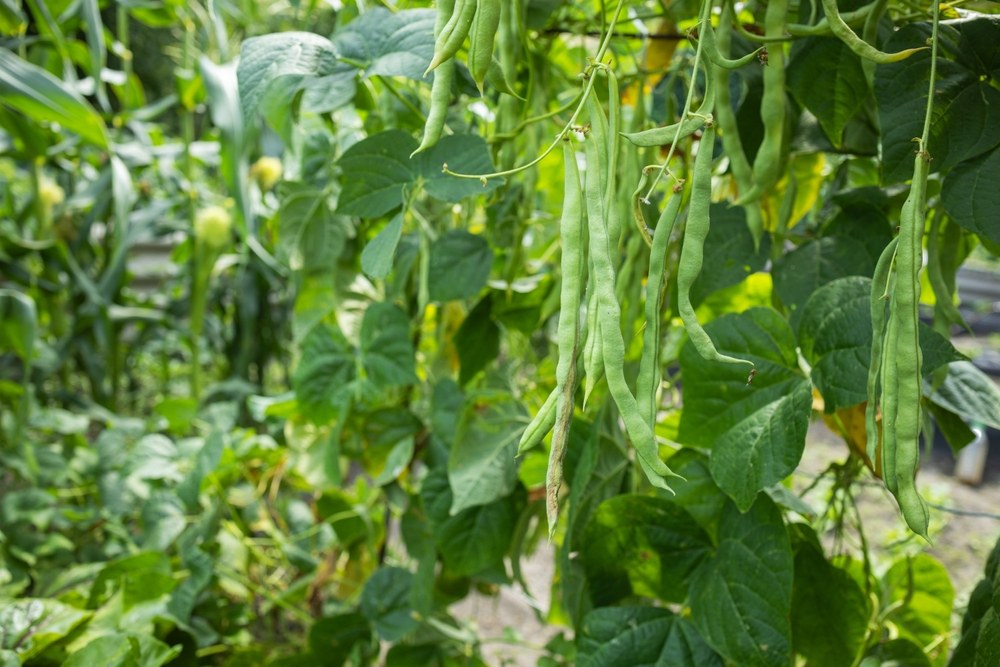
A bean catalog can place bush, pole, snap, dry, runner, lima, cowpea, and yard-long on the same page as though they were competing answers to one question. They are not. Some names describe how the plant grows. Others describe what is harvested. Others identify a different species entirely.
That confusion follows the seed into the garden. A gardener buys a beautiful dry bean and harvests it as a tough snap bean, plants a cool-loving fava in summer heat, or gives a vigorous runner bean the same support used for a compact bush variety.
This guide separates growth habit, harvest use, species, climate, support, and seed saving so the choice is made before the vines begin making their own arrangements.
Separate growth habit, harvest use, and species
| Term | What it describes | Example decision |
|---|---|---|
| Bush | Compact growth habit with little or no trellis need | Use where space, wind, or quick concentrated harvest matters |
| Pole | Climbing growth habit requiring durable support | Use where vertical space and extended harvest are useful |
| Runner | Often refers to Phaseolus coccineus, a separate species with vigorous vines and showy flowers | Use strong support and consider cooler conditions than cowpeas prefer |
| Snap | Pods harvested young and tender | Pick frequently before strings and seeds enlarge |
| Shell | Immature seeds removed from developed pods | Harvest when seeds are full but not dry |
| Dry | Mature seed harvested after pods dry | Allow a long enough season and protect from wet weather |
A single variety can be both pole and snap. Another can be bush and dry. Growth habit and harvest use belong on separate lines in the gardener’s mind.
Browse the main bean seed collection, then narrow by bush beans, pole beans, runner beans, snap beans, or lima beans.
Understand common bush and pole beans
Most familiar garden beans are common beans, Phaseolus vulgaris. This broad species includes many bush and pole forms used as snap, shell, or dry beans. The variety determines tenderness, string, seed color, days to maturity, and whether the crop is best eaten young or mature.
Bush beans generally produce earlier and in a more concentrated period. Pole beans need support and usually harvest over a longer window. Half-runners fall between the two and may benefit from modest support.
| Feature | Bush beans | Pole beans |
|---|---|---|
| Space | Wider ground footprint, low height | Smaller ground footprint with vertical growth |
| Support | Usually none or minimal | Trellis, poles, netting, or another durable structure |
| Harvest pattern | Often concentrated | Often extended with regular picking |
| Airflow | Can become dense near the soil | Can dry more quickly when trained well |
| Seed saving | Easy to inspect and isolate in small plots, though crossing remains possible | Flowers distributed over a taller, longer-season plant |
The choice is practical. A small garden against a fence may favor pole beans. A field row intended for one main harvest may favor bush beans. There is no prestige in a vine simply because it climbs.
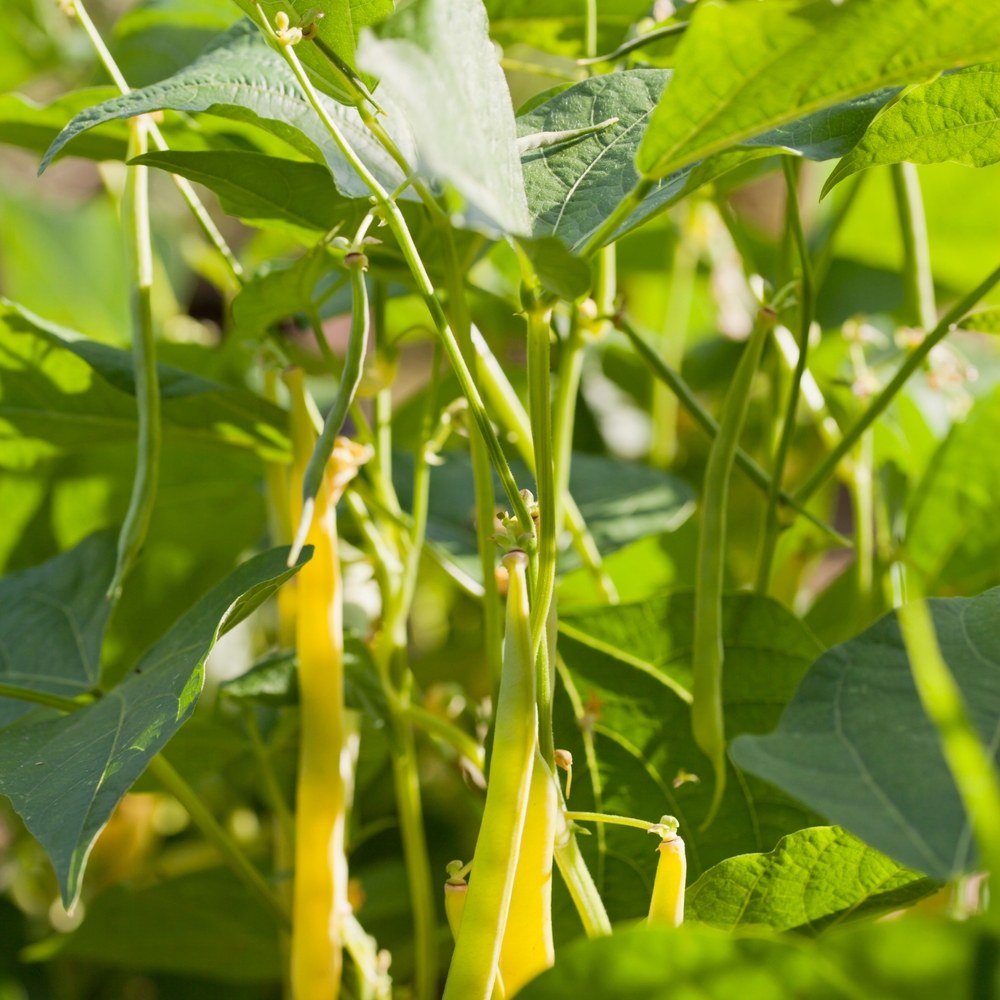
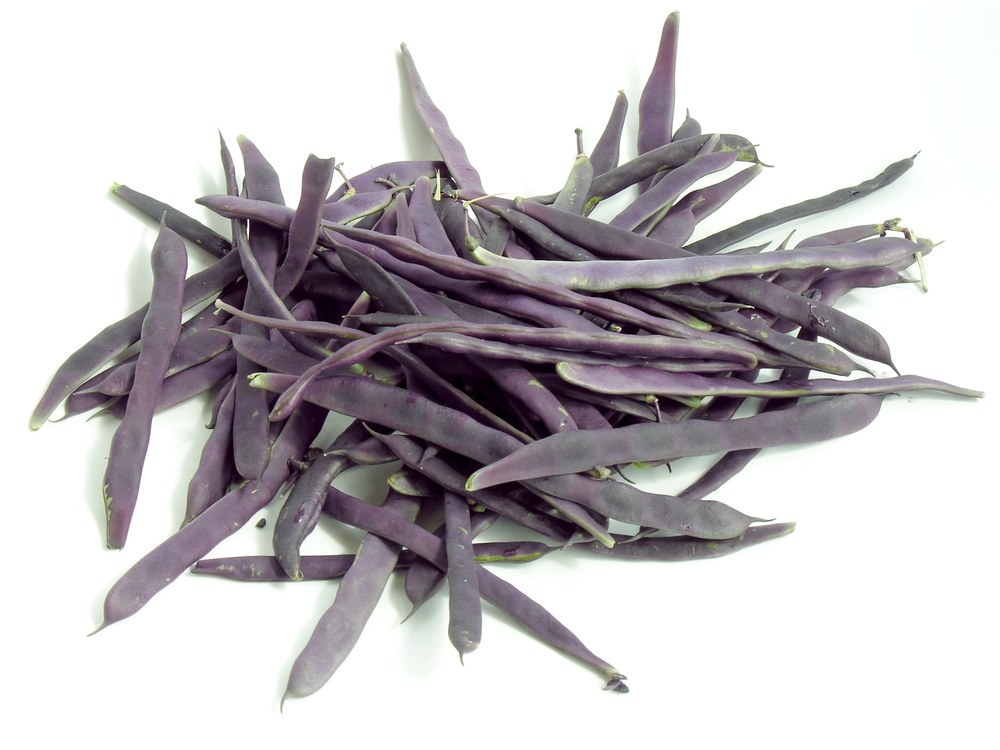
Compare runner, lima, cowpea, yard-long, and fava beans
| Crop group | Botanical or practical identity | Climate and use notes |
|---|---|---|
| Runner bean | Usually Phaseolus coccineus | Vigorous perennial-in-origin often grown as an annual; showy flowers; appreciates moderate conditions and strong support |
| Lima bean | Phaseolus lunatus | Bush and pole forms; needs warmth and a suitable season; harvested shell or dry |
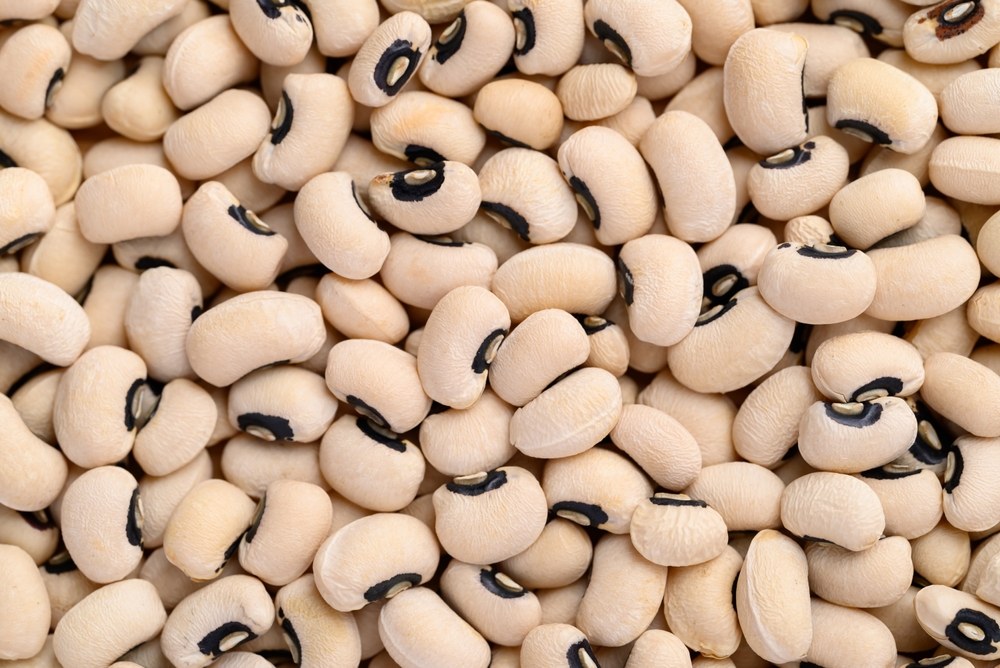
| Cowpea or Southern pea | Vigna unguiculata | Heat-adapted crop used snap, shell, or dry depending on type; not a common bean |
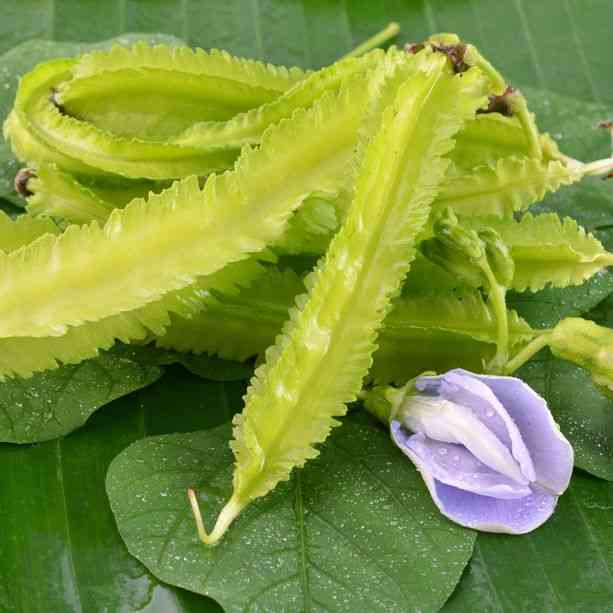
| Yard-long or asparagus bean | Vigna unguiculata subsp. sesquipedalis | Heat-loving climbing crop harvested as long tender pods |
| Fava or broad bean | Vicia faba | Cool-season legume that struggles in the heat preferred by cowpeas and yard-long beans |
Species matters for culture and crossing. Cowpeas are not merely common beans with a Southern name. Favas are not warm-season beans. Runner beans may flower well but set poorly in punishing heat.
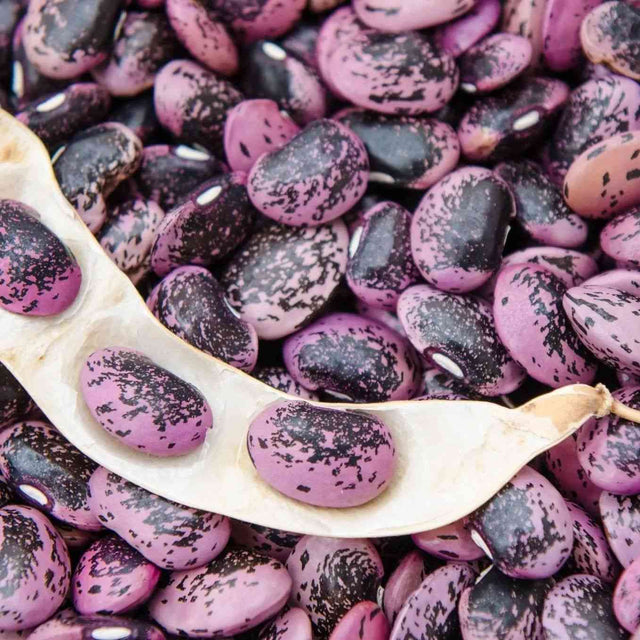
The Bear Paw Scarlet Runner Bean is a good example of why the full identity matters: it is a climbing runner bean with a growth habit, species, and story that should be read together.
Color sells the packet. Species decides the season.
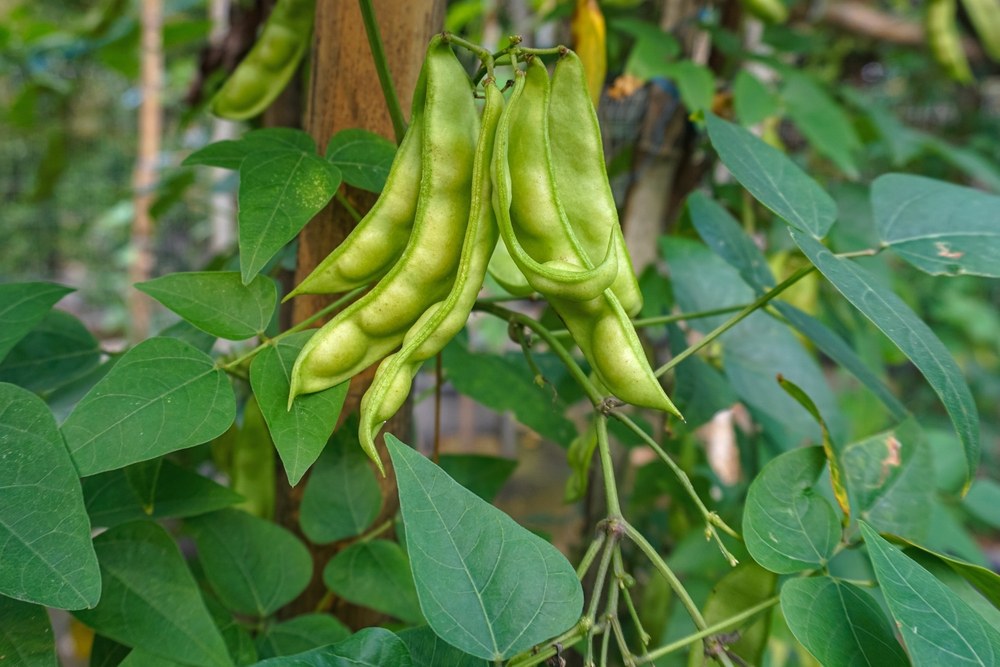
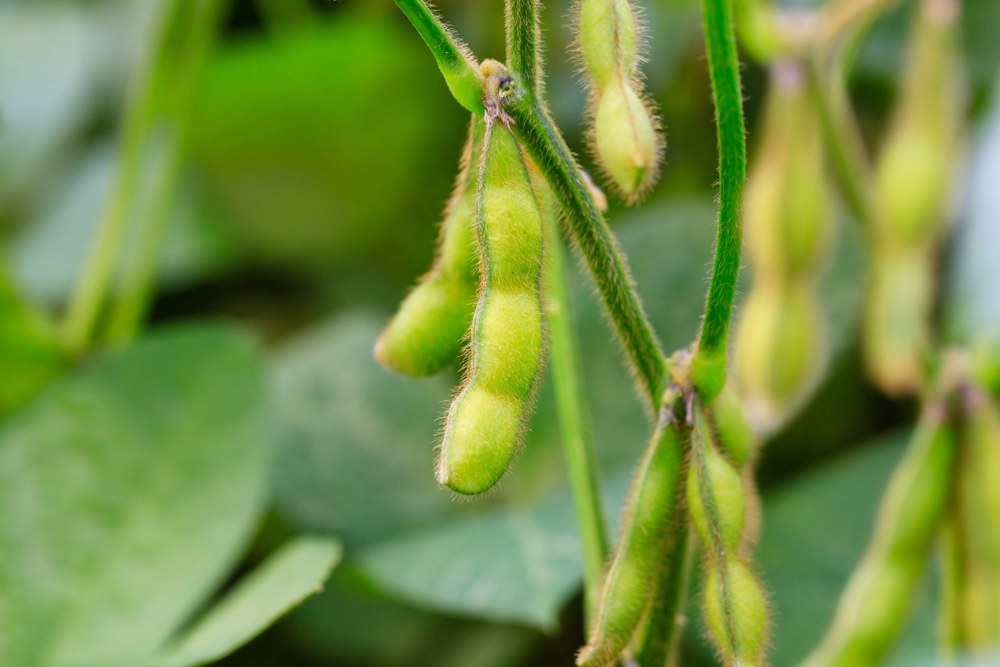
Match support to the mature plant
Build the trellis before sowing a pole or runner bean. Installing support after roots are established can damage plants, and weak support collapses when vines, rain, and wind combine.
| Support | Best use | Watch for |
|---|---|---|
| Teepee or pole cluster | Small plantings and children’s gardens | Crowded center, difficult picking, and shade |
| Vertical trellis or netting | Rows, fences, and efficient picking | Material strong enough for the mature vine load |
| Cattle panel or rigid arch | Long-term garden structure and easy access | Anchoring, sharp edges, and crop rotation limits |
| String trellis | Lightweight seasonal setup | Sagging, wind, and difficult cleanup |
| Living support such as corn | Traditional intercropping systems only when timing and varieties are matched | Beans overwhelming weak corn or competing before stalks are established |
Give climbing beans a route early. Turn loose shoots toward the support while they are flexible. Do not wind them tightly against their natural direction or break the growing tip through impatience.
Bush beans benefit from clear row access and enough spacing for airflow. Dense canopies hold moisture, hide pods, and make harvest damage more likely.
Plant each bean group in its proper season
Common beans prefer warm, workable soil and can rot in cold, wet conditions. Favas belong earlier. Cowpeas and yard-long beans belong later, when warmth is reliable. Planting all bean groups on the same date wastes the distinctions that make them useful.
Direct sowing is generally preferred. Beans establish quickly and do not need prolonged indoor growth. Where the season is short, a careful container start may help selected types, but root disturbance and oversized transplants can erase the advantage.
Beans need sun, reasonable fertility, and even moisture at flowering and pod set. Excess nitrogen can produce vines and leaves at the expense of a useful crop.
Harvest according to the intended use
Harvest timing changes the food. Snap beans are picked while pods are tender and seeds small. Shell beans are allowed to fill but are harvested before full dryness. Dry beans remain until pods and seeds mature.
| Use | Harvest cue | After harvest |
|---|---|---|
| Snap bean | Pod is full-sized but tender; seeds have not become coarse | Cool and use promptly; pick often to maintain production |
| Shell bean | Seeds are plump inside developed pods but still moist | Shell and cook, freeze, or preserve appropriately |
| Dry bean | Pods are dry and seeds hard | Finish drying under shelter if needed, shell, clean, and store dry |
| Seed stock | Healthy true-to-type plants with fully mature seed | Keep lots labeled; dry and test before the next planting |
Frequent picking keeps many snap varieties producing. Missing several harvests can shift the plant toward mature seed. That may be desirable for seed saving and undesirable for the kitchen. Decide which plants serve which purpose.
When wet weather arrives near dry-bean maturity, pull or cut plants and finish under cover with airflow rather than leaving pods to mold or shatter in repeated rain.
Save bean seed cleanly and honestly
Many common beans are largely self-pollinating, which makes them approachable for home seed saving, but crossing is still possible. Runner beans can cross readily within their species and are often visited by pollinators. Isolation and observation remain important.
- Mark healthy, true-to-type plants before the pods dry.
- Do not save only from the earliest convenient plant.
- Allow seed to mature fully.
- Dry thoroughly before sealing.
- Remove insect-damaged, moldy, or off-type seed.
- Label species, variety, year, source, and any crossing risk.
For a named variety, save from enough plants to represent the population rather than building the next generation from one remarkable pod. The heirloom and open-pollinated guide explains why population and documentation matter.
Dry beans can carry weevils or other insects. Inspect the lot, use appropriate cold treatment or storage practices, and keep suspect lots isolated.
Read common bean failures before adding inputs
| Problem | First questions | Likely direction |
|---|---|---|
| Seed rots before emergence | Was soil cold, wet, or compacted? Was seed cracked? | Wait for warmth, improve drainage, and test the lot |
| Leaves yellow while vines remain small | Is soil saturated, roots damaged, or pH extreme? | Correct root-zone conditions before adding fertilizer |
| Flowers fall without pods | Was weather extremely hot, dry, or windy? | Maintain moisture and choose a better seasonal window |
| Pole beans make vines but few flowers | Excess nitrogen, shade, heat, or late maturity? | Reduce forcing inputs and reassess variety and timing |
| Pods are tough and stringy | Were they harvested too late or is the variety intended for shell/dry use? | Pick younger or use the crop according to its intended class |
| Dry seed molds | Was it stored before fully dry? | Dry with airflow, discard damaged seed, and protect the remaining lot |
Do not treat every bean problem with fertilizer. Roots in cold, waterlogged soil cannot be fed into health. Correct the environment before adding another input.
How to build a bean collection that is useful instead of merely large
A useful bean collection gives gardeners a reason to choose among habits, species, pod types, seed types, seasons, and kitchen uses. One hundred packets labeled “bean” are not one hundred clear decisions. The catalog must say which are bush, pole, runner, lima, cowpea, soybean, yard-long, fresh shell, snap, or dry.
Within common beans, carry more than color. Include early and extended harvests, tender snap pods, wax pods, specialty flat pods, fresh-shell types, and dry beans with different textures. Make trellis and harvest requirements obvious. A beautiful dry bean can disappoint a customer who expected a tender snap pod because the catalog hid the use.
Availability matters. A guide should link toward products that can actually be purchased, while still teaching the crop group. Search traffic that lands on an unavailable variety should be directed toward a genuine substitute, not a wall of unrelated packets.
The strongest collection works like a good seed room: every name has a place, every place has a reason, and the next person can find what he needs without asking who built the shelves.
Frequently asked questions
What is the difference between bush beans and pole beans?
Bush and pole describe growth habit. Bush beans are compact; pole beans climb and require support. Either may be used as snap, shell, or dry beans depending on the variety.
Are runner beans the same as pole beans?
Runner beans are climbing, but the term often refers to a separate species, Phaseolus coccineus. Pole bean is a growth habit and often refers to climbing common beans.
What is the difference between snap beans and dry beans?
Snap beans are harvested as young tender pods. Dry beans are allowed to mature until the seed is hard. Some varieties can serve more than one use, but quality differs by stage.
Why did my bean seeds rot?
Cold, saturated, compacted soil, damaged seed, or poor storage can contribute. Test the seed and wait for warm, workable conditions for common beans.
Can I grow cowpeas in cool weather?
Cowpeas prefer warmth and are not substitutes for cool-season fava beans. Plant them when soil and nights are reliably warm.
Do beans need fertilizer?
Beans need fertile, well-drained soil, but excessive nitrogen can produce lush growth and fewer pods. Correct pH, drainage, and root conditions before adding strong fertilizer.
A bean should be chosen by the plant it becomes and the meal it is meant to make.