Lima beans need genuinely warm soil, a settled season, even moisture, and enough time for pods to fill. Bush varieties finish earlier and need no tall support; pole butterbeans need a trellis and a longer season. Harvest fresh shell limas when pods are full and seeds have turned creamy, or leave pods to dry for pantry beans and seed.
A lima bean will not be bullied into spring. Put it into cold, wet ground and it refuses the argument. Wait for warmth and the seed changes its mind. In the South, butterbeans are not a side note. They are a crop with timing, texture, and family preferences sharp enough to start a porch debate before the pot boils.
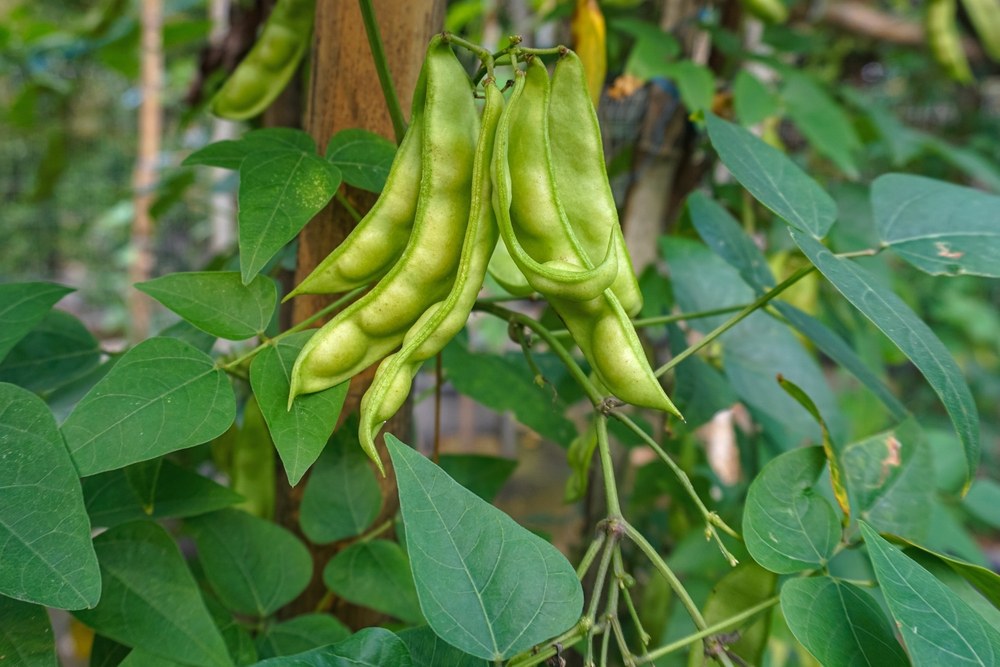
Lima beans, butterbeans, bush types, and pole types
Lima beans are Phaseolus lunatus. In many Southern kitchens, the name butterbean is used for lima beans, especially fresh shell beans with a creamy texture. Regional naming varies, but the species is distinct from the common bean, Phaseolus vulgaris.
Bush limas form compact plants and usually mature earlier. Pole limas climb strongly, produce over a longer period, and require a substantial trellis. Large-seeded pole varieties such as Christmas Butterbean may need considerably more heat and season than compact Henderson’s Bush Lima.
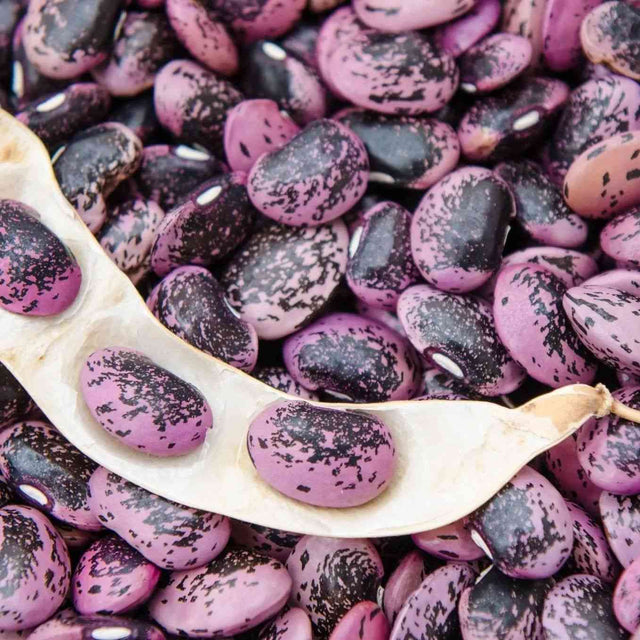
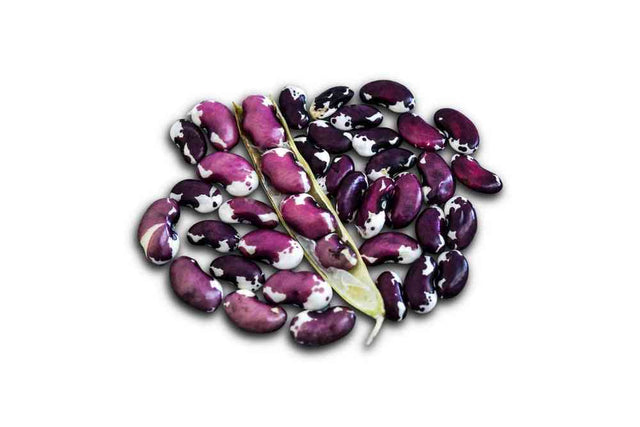
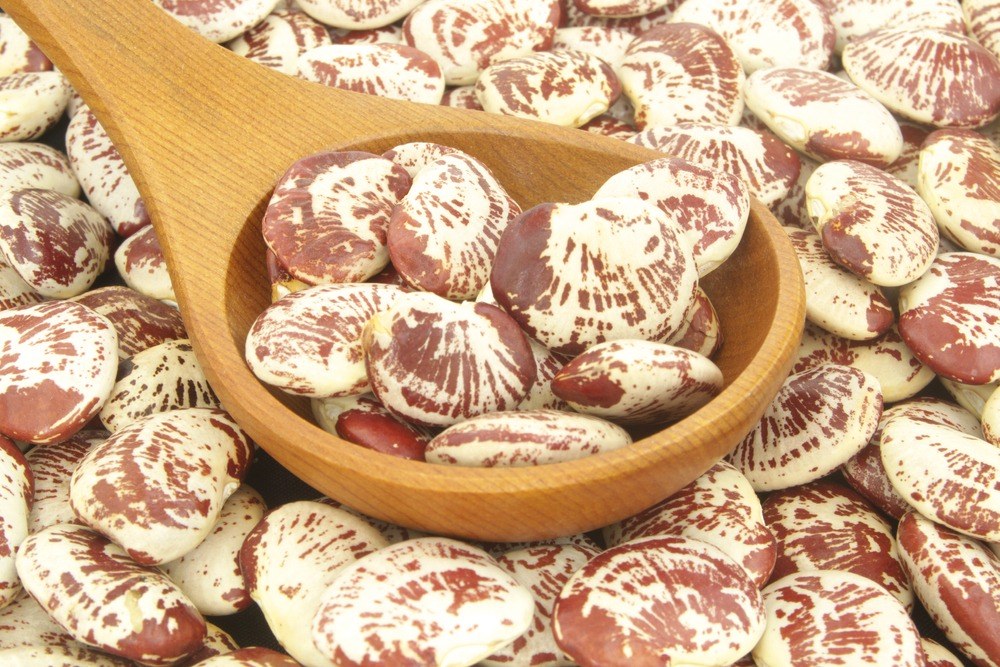
Seed size, color, and pattern vary widely. Some are small and pale; others are large, flat, and mottled. Do not assume they share the same maturity simply because all are called lima beans.
Why warm soil is non-negotiable
Lima beans are more sensitive to cold soil than common snap beans. Direct sow after frost only when the root zone has warmed and the forecast is settled. A cold rain immediately after planting can rot large seed before it establishes.
Plant about 1 inch deep in well-drained soil. Do not soak seed and then place it into questionable ground. Imbibed seed is vulnerable to chilling injury. If the season is short, choose an earlier bush type rather than trying to force a long-season pole lima through cold conditions.
In our seed work, the pattern is plain: gardeners often treat “after frost” as a single date. Lima beans treat it as the beginning of a temperature conversation.
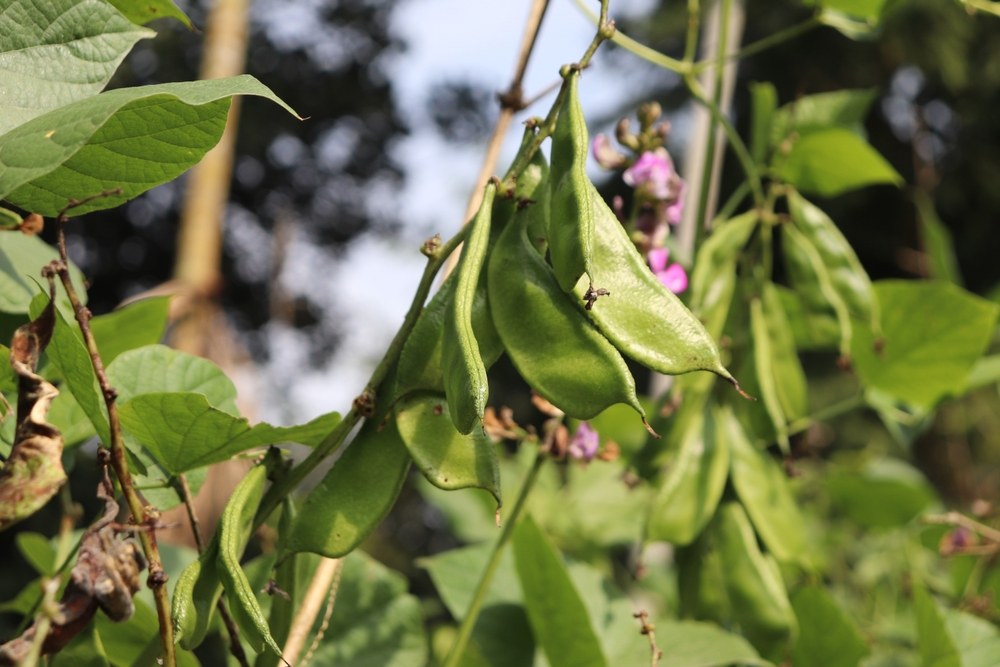
Soil, spacing, support, and water
Grow in full sun in soil that drains well. Lima beans often perform well in a somewhat lighter, coarser soil than common beans, provided moisture remains available. A pH near neutral to slightly acidic is generally suitable.
Space bush limas around 6 inches apart according to variety. Pole limas may need 6 to 8 inches or more on a tall trellis. Install support before sowing. A mature pole-lima vine is heavy and persistent.
Water evenly through flowering and pod fill. Drought can cause blossom and pod drop; saturated roots invite disease. Extreme heat can interfere with pollination and pod set even though the crop needs warmth. When a plant pauses during the hottest weeks, keep it alive and let moderate weather return.
Reading the pod at harvest
For fresh shell limas, wait until pods are plump and the seed has filled its space but remains moist and tender. Seed color often shifts from watery green toward cream, white, or the variety’s mature markings. Shell and cook promptly or blanch and freeze.
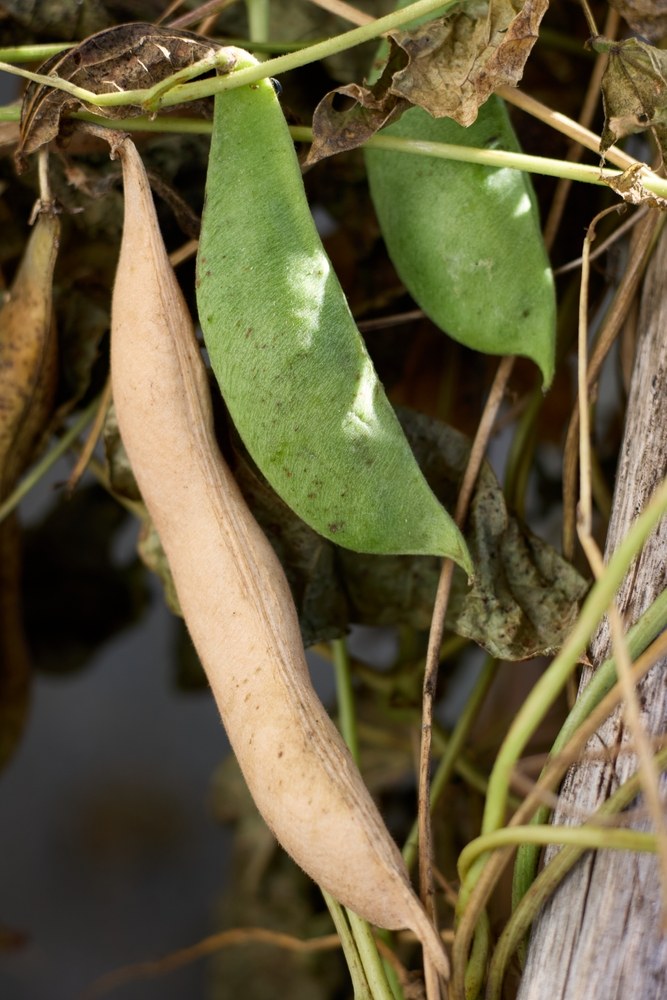
For dry beans, leave pods until papery and seed hard. Harvest before prolonged wet weather. Large limas dry slowly; after shelling, spread them in a single layer and continue drying before sealing.
Do not eat raw lima beans. Cook thoroughly. Naturally occurring cyanogenic compounds vary among varieties, and proper cooking is part of food safety, not an optional culinary preference.
Choosing a lima bean for your season
| Variety | Habit | Why choose it |
|---|---|---|
| Henderson’s Bush | Compact bush | Earlier small creamy limas and no tall trellis |
| Jackson Wonder | Bush | Patterned seed, rich flavor, Southern garden history |
| Christmas Butterbean | Vigorous pole | Large patterned beans and rich dry-bean quality |
| Alabama Blackeyed Butterbean | Pole | Distinctive seed pattern and Southern shell-bean use |
Why lima beans flower but do not fill pods
High heat, hot nights, drought, saturated roots, excessive nitrogen, and poor plant health can reduce pod set. Cool summers and cold soil can be equally limiting. Lima beans need warmth, but they do not need stress.
Bean beetles, aphids, leafhoppers, mites, stink bugs, caterpillars, bacterial blights, anthracnose, rust, mosaic viruses, and root rots may affect the crop. Scout flowers and young pods, rotate, keep foliage dry, and do not save seed from systemically diseased plants.
Large-seeded varieties can suffer storage insects. Dry seed fully and use a tested freezing protocol if bean weevils are a concern.
Saving lima bean seed
Lima beans can cross more readily than common beans. Because lima beans can outcross more readily than common beans, meaningful isolation is prudent when maintaining varietal purity. Home gardeners can also use cages, controlled pollination, or staggered flowering.
Save from many healthy, true-to-type plants. Mark seed plants before fresh shell harvest. Let pods dry completely, shell, remove off-type or damaged seed, and dry again. Record bush or pole habit, seed pattern, maturity, and isolation method.
Large, beautiful seed invites narrow selection. Resist keeping only the most dramatic handful. Preserve the working population along with the pattern.
Lima beans are their own species, with their own crossing rules
Lima beans are Phaseolus lunatus, not oversized common beans. That distinction explains why they differ in heat requirement, flower behavior, seed shape, and isolation. Common beans and lima beans do not normally cross with one another, but two lima varieties can cross and require separation when seed purity matters.
The names “lima bean” and “butterbean” overlap in American use. In some households butterbean means a smaller green-seeded type; in others it means any lima cooked fresh or dried. The packet should settle the ambiguity by listing species, bush or pole habit, seed color, maturity, and intended harvest.
Bush limas usually finish earlier and fit shorter seasons. Pole limas need support and more time, but they can carry a longer harvest. A large-seeded pole butterbean is not merely a bigger version of a bush lima. It is a different plan for the entire bed.
Fresh-shell harvest, dry storage, and why lima beans must be cooked
For fresh-shell use, harvest when pods are full and the seeds have changed from watery green toward their mature cream, white, red, or mottled color, depending on the variety. The pod will be tough, but the seed inside should still be tender. If the seed has become hard, treat it as a dry bean.
Raw and undercooked lima beans should not be eaten. They can contain cyanogenic compounds that are reduced by proper cooking. Use established preparation methods and cook thoroughly. A historic food remains food only when the kitchen respects its chemistry.
For planting seed, save from numerous healthy plants, dry beyond the point where seed merely feels dry, and record the neighboring lima varieties, plant count, isolation method, and germination result. Large seed can suffer invisible mechanical injury, so handle dry beans as living embryos rather than gravel.
Mid-Atlantic and Upper South field notes
The region suits lima beans well, especially from the coastal plain southward, but spring impatience remains costly. Wait for warm soil. Bush varieties are useful where the season is shorter or trellis space limited. Pole varieties thrive with long summers but need airflow in humidity.
In eastern North Carolina, choose a site that drains after heavy storms. Mulch after warming, anchor pole supports, and harvest dry pods before tropical moisture returns. In mountain gardens, select earlier limas and avoid the slowest large-seeded pole types unless the season is proven.
Why lima beans stall, flower, and sometimes refuse to set pods
Lima beans need warmth to germinate, but extreme heat during flowering can interrupt pod set. Cold soil delays emergence and increases decay. Saturated soil limits oxygen. Drought at bloom causes flowers and young pods to drop. Excess nitrogen can build a handsome wall of leaves while delaying the crop the gardener meant to harvest.
When flowers fall, do not immediately add fertilizer. Check the recent night temperatures, root-zone moisture, drainage, and whether the plants are shaded or crowded. A temporary pause during extreme weather is not always a failed crop. Keep the roots steady and wait for the next flowering cycle. Lima beans are slower than common snap beans and less interested in reassuring an impatient calendar.
Inoculant can help where compatible nitrogen-fixing bacteria are absent, especially in ground that has not grown the crop. It is not a substitute for suitable soil. Nodules form on healthy roots in a living partnership; they do not rescue waterlogged, compacted, or cold beds.
Fresh shell, green shell, and dry lima harvests
The same variety can be harvested at different stages. For fresh shell limas, pick when pods are full and the beans inside are plump but still moist. The pod may begin to lose its bright green color, but it should not be papery. Shell promptly and refrigerate or cook. For dry beans, leave selected pods until they are leathery to papery and the seed has hardened.
Do not let dry-seed pods remain through repeated rain if they can be harvested and finished under cover. Shell only after the seed is fully dry. Any seed that bends under a fingernail, feels cool and soft in the center, or carries damp pod tissue needs more drying before storage. Store clean seed in labeled containers in a cool, dry place.
Cooking quality belongs in the selection record. Note seed size, skin tenderness, texture, flavor, and how evenly the beans soften. A seedkeeper who selects only for the earliest pod can slowly lose the reason the bean was planted in the first place.
Preserving bush, pole, and butterbean identities
Phaseolus lunatus includes distinct bush and climbing forms, seed sizes, colors, and regional butterbean traditions. Keep the named variety's growth habit with its seed. A bush lima that throws a vigorous runner or a pole lima that remains permanently dwarf deserves a note and separate seed, not quiet blending.
Lima beans can cross more readily than common beans under insect activity. Use greater isolation, blossom protection, or caging when varietal purity matters. Save from a broad group of healthy plants and inspect the mature seed for expected color, markings, and shape. The goal is not to make every seed identical. The goal is to keep the population recognizable and useful.
A seedkeeper's lima-bean season record
Record soil temperature at sowing, not only the calendar date. Note emergence count, days to first flower, first pod, first fresh-shell harvest, and first dry pod. Distinguish bush from pole habit and mark any plants that do not match. Limas often mature unevenly, so the first harvest date and the main harvest window should both be recorded.
During flowering, note heat waves, dry periods, saturated soil, and insect activity. Those observations explain pod set better than a single end-of-season yield number. A line that produces well in one mild summer may pause in another. The record helps separate variety behavior from weather.
At harvest, compare pod fill and seed quality. Empty spaces in pods can signal interrupted pollination or stress. Shriveled seed can follow drought during fill. Stained or moldy seed points toward wet maturity or slow drying. Save from plants that carried healthy foliage and well-filled pods across the season, not only from the last pods left after kitchen picking.
Then cook a sample. Texture, skin, flavor, and cooking uniformity are crop traits. A seed company that never cooks a bean is judging only half the variety.
Frequently asked questions
Are lima beans and butterbeans the same?
Butterbean is a regional name commonly used for lima beans, especially fresh shell types. Both are Phaseolus lunatus.
Why did my lima beans rot before sprouting?
Cold, wet soil is a common cause. Wait for warm conditions, plant in well-drained ground, and avoid overwatering large seed.
Do lima beans need a trellis?
Pole varieties do. Bush varieties do not need a tall trellis.
When are fresh limas ready?
When pods are plump and seeds are full-sized but still moist and tender, often changing from watery green toward cream or the mature seed color.
Can lima beans handle extreme heat?
They need heat, but very high temperatures and drought can cause flower or pod drop. Maintain even moisture and allow the plant to resume when weather moderates.
Can I eat lima beans raw?
No. Cook lima beans thoroughly.
Can lima beans cross with common beans?
They are different species and do not normally cross with common beans, but different lima-bean varieties can cross with one another.
For more information and guidance
Explore the cited resources below for additional technical detail and background.