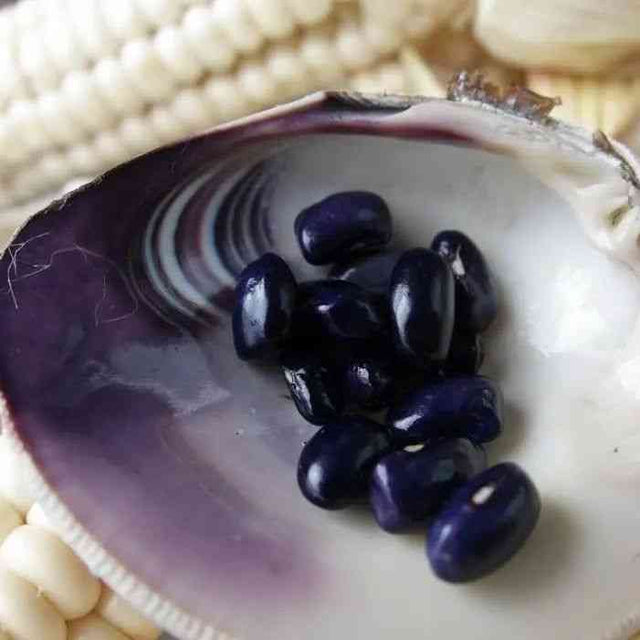
Cherokee Trail of Tears is a vigorous pole common bean with green pods washed in purple and glossy black mature seed. It can be harvested young as a snap bean or allowed to mature as a dry bean. Cherokee Nation currently grows Trail of Tears beans in its Heirloom Garden and uses those crops to support its Seed Bank. Modern public descriptions also associate the variety with Dr. John Wyche of Oklahoma. The deeper claim of a continuous seed line carried through the 1838–1839 forced removal remains reported history rather than a fully documented chain of custody.
There are seed names that can be sold carelessly and still move packets. This is not one of them. When a variety carries the name of a people and a forced removal, the first obligation is accuracy. The bean deserves a trellis, a long row, and a harvest. The history deserves fewer adjectives and better records.
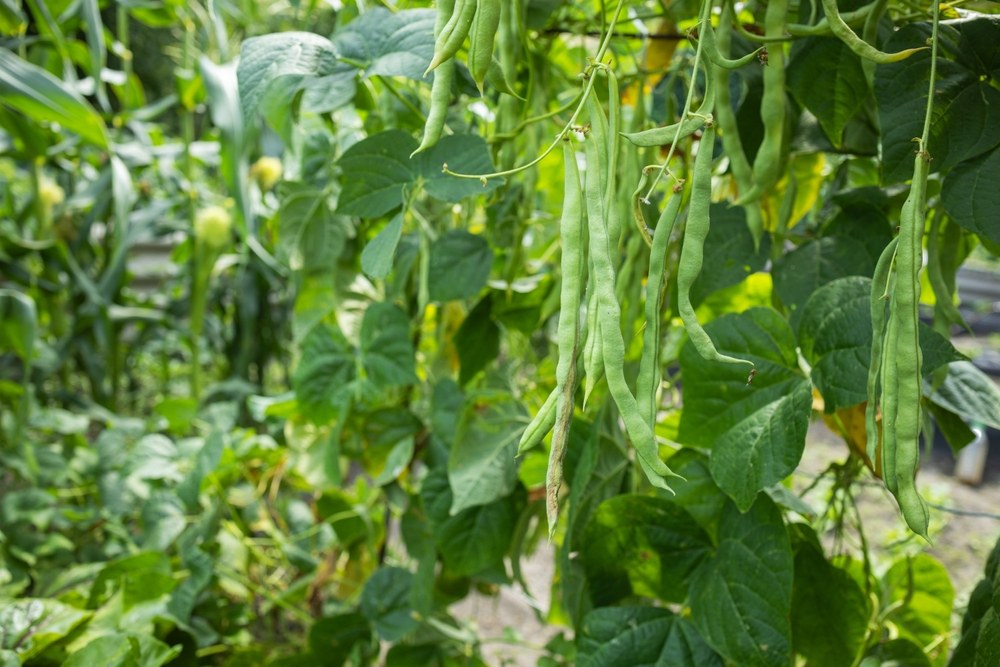
What the bean is in the garden
Cherokee Trail of Tears is Phaseolus vulgaris, the common bean species that includes many snap, shell, and dry beans. It climbs strongly and should be treated as a true pole bean. Vines commonly reach six to eight feet when heat, moisture, and soil are suitable.
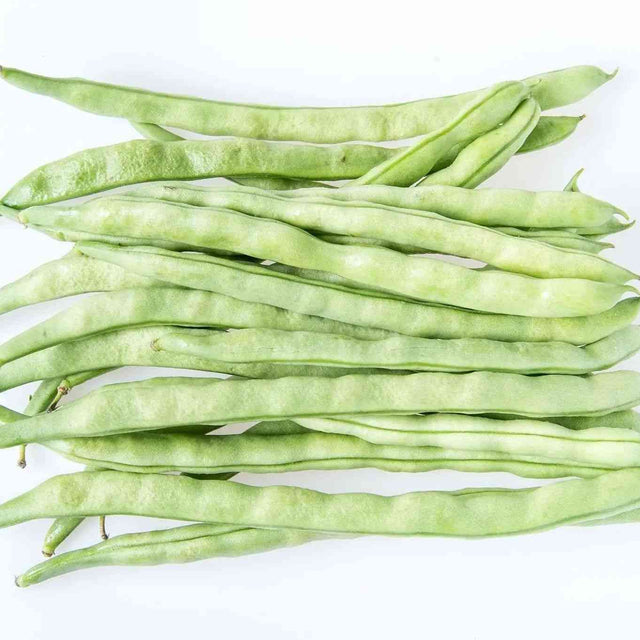
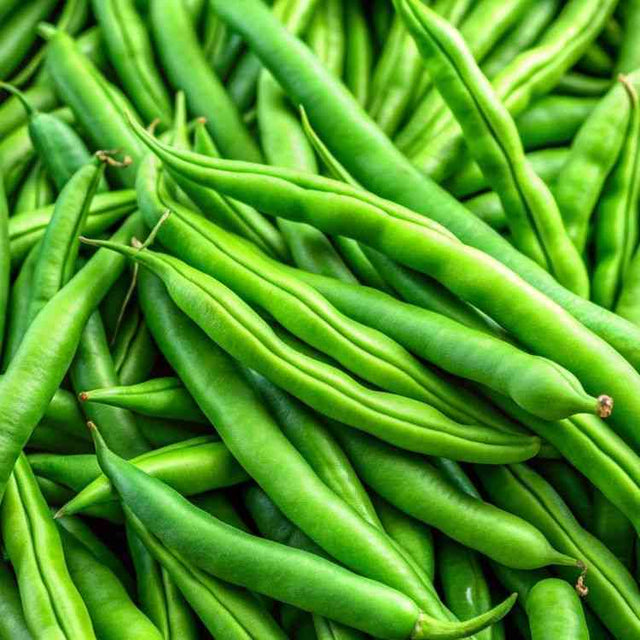
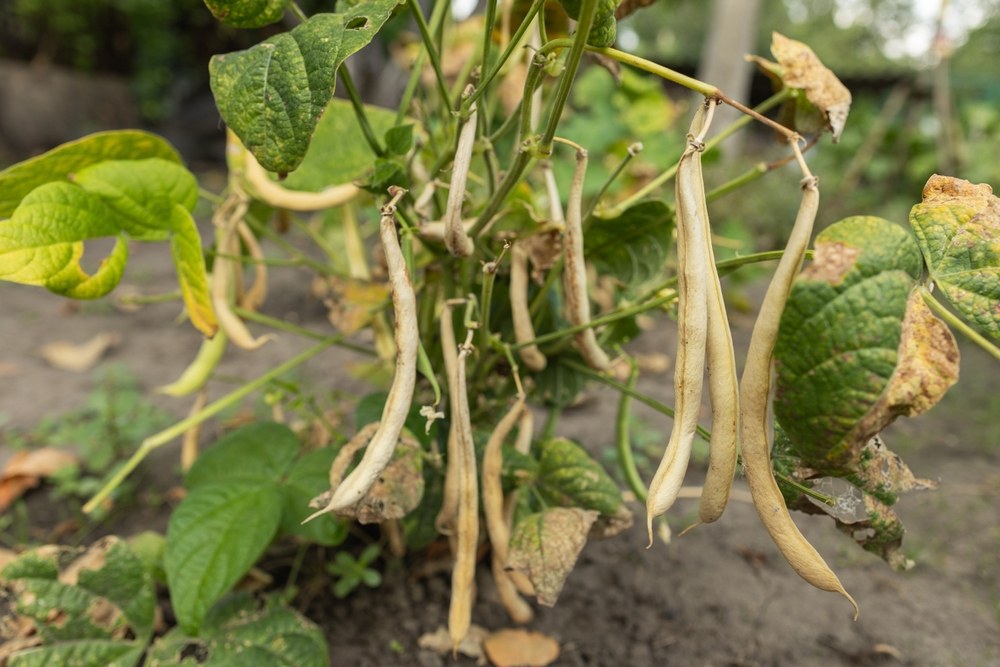
The young pods are green with purple coloration and can be picked as snap beans before the seed swells heavily. Left to mature, the pods darken and dry around shiny black seed. That dual-purpose habit matters. A gardener can eat the early crop and still reserve marked pods for seed and pantry beans.
The bean is not a soybean, cowpea, runner bean, or lima bean. Those distinctions matter for growing, food preparation, crossing, and seed-saving advice. A common name carries history; the scientific name keeps the crop identity from drifting.
What the documented record supports
Cherokee Nation currently includes Trail of Tears beans among the crops grown in its Heirloom Garden, where traditional plants help replenish the Cherokee Nation Seed Bank and support cultural and language education.
The variety is also associated in modern public descriptions with Dr. John Wyche of Oklahoma. The stronger claim—that a particular surviving seed line can be traced continuously through the 1838–1839 forced removal—remains reported family history. The cultural significance is real; the chain of custody is not fully documented. We state both facts plainly.
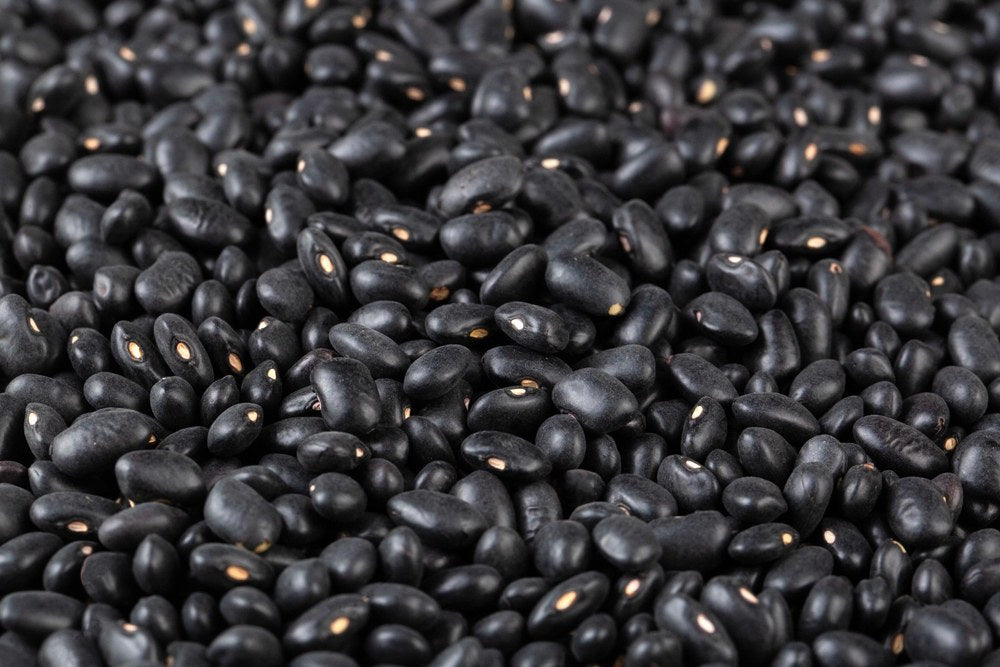
How to sow Cherokee Trail of Tears bean
Direct sow after frost danger when soil is warm enough for fast emergence. Cold, wet soil is one of the quickest ways to lose bean seed. Plant about 1 inch deep and roughly 4 to 6 inches apart along a strong trellis. In humid regions, generous airflow is worth more than squeezing one extra vine into the row.
Install support before planting. An eight-foot vine wrapped through a weak decorative cage becomes a lesson in leverage after the first storm. Use a cattle panel, strong netting, poles, or another structure anchored for mature weight.
Do not overwater after sowing. Keep the seed zone evenly moist, not saturated. If the soil crusts, use a light mulch only after the ground is warm and seedlings are established.
Growing a long pole-bean crop
Give full sun and well-drained soil. Beans need moderate fertility, but excessive nitrogen produces vines that look prosperous while setting fewer pods. Where beans have not been grown and local recommendations support it, a compatible Rhizobium inoculant may help nodulation.
Water deeply during flowering and pod fill. Drought can reduce set and make snap pods tough. Frequent shallow watering leaves roots near the surface and encourages stress. Keep foliage dry when possible and avoid working wet vines, which can spread bacterial disease.
Pick young pods every few days for snap use. Mark the seed-saving plants or pods early so the kitchen does not take the entire future. Once pods are reserved for dry seed, let them mature fully and protect them from prolonged wet weather.
Snap bean, shell bean, or dry bean?
| Harvest stage | What it looks like | How to use it |
|---|---|---|
| Young snap pod | Pod tender, seed still small, purple wash may be visible | Cook as a green bean; harvest frequently |
| Fresh shell stage | Seeds full-sized but still moist, pod beginning to toughen | Shell and cook promptly |
| Dry bean stage | Pod papery and seed hard, black, and glossy | Thresh, dry again, store, and cook thoroughly |
| Seed-saving stage | Dry seed from marked, healthy, true-to-type plants | Inspect, document, test, and store cool and dry |
Using the bean without reducing it to a symbol
The young pods can be cooked as snap beans. The mature black seed works in soups, stews, pot beans, and dishes where a firm, richly flavored dry bean is useful. Soak and cook according to a reliable bean method; raw or undercooked common beans can cause illness.
Do not plant this variety only as a memorial and then let every pod rot. A food crop remains alive through use. Eat some, save some, share some, and record what happened in your soil. Reverence without cultivation becomes another form of distance.
Common problems and what they usually mean
Mexican bean beetles can skeletonize leaves. Japanese beetles, aphids, leafhoppers, stink bugs, mites, and caterpillars may also feed on the crop. Scout the underside of leaves and the youngest pods rather than waiting for damage to become obvious from the path.
Bacterial blight, anthracnose, rust, mosaic viruses, and root rots can move through crowded, wet plantings. Use clean seed, rotate away from legumes, avoid overhead irrigation late in the day, and remove badly diseased residue. Do not save seed from plants showing systemic disease.
Poor pod set can follow extreme heat, drought, saturated roots, or excessive nitrogen. Diagnose the whole season, not only the flower.
Saving Cherokee Trail of Tears bean seed
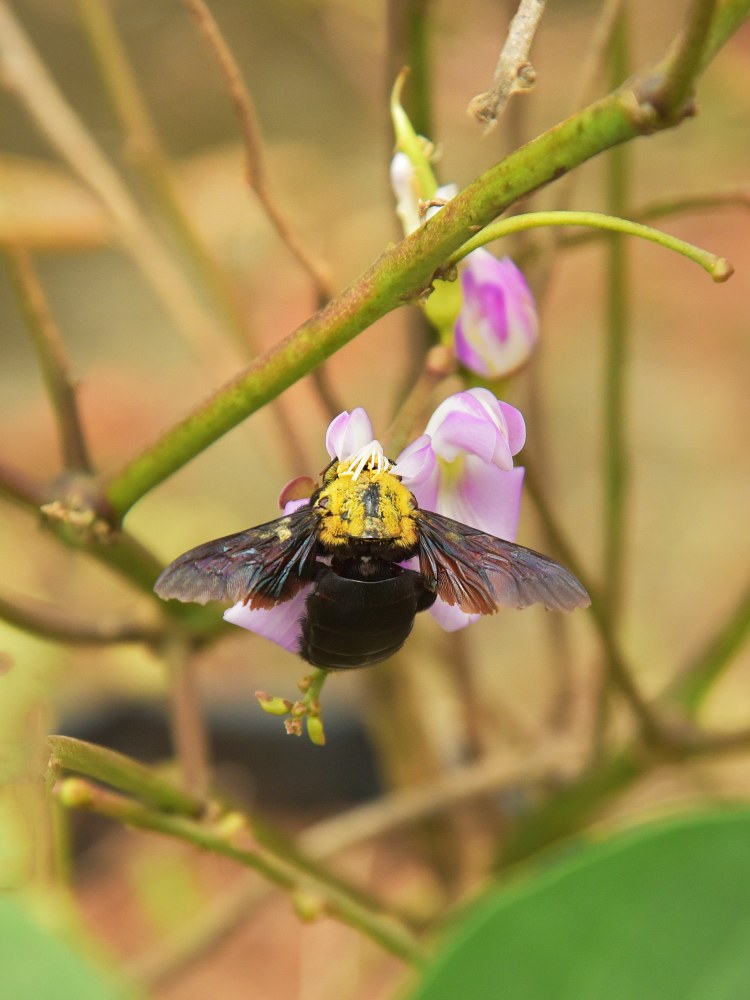
Common beans are primarily self-pollinating, but crossing can occur. Separate other common-bean varieties by distance or physical barriers according to the purity you need. Runner beans and limas are different species, but they have their own crossing relationships and should not be used as proof that a common-bean planting is isolated.
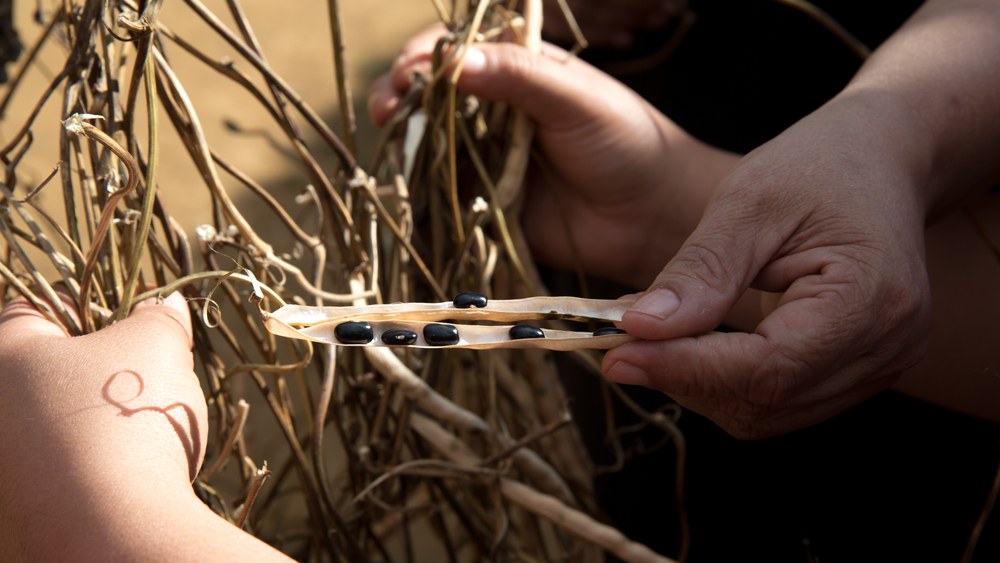
Save from several healthy plants. Keep pods from vines that match the expected climbing habit, pod color, seed color, maturity, and productivity. Let pods dry until papery. Harvest before long wet weather, finish drying under cover, shell, and discard insect-damaged or off-type seed.
Label the seed with the full variety name, year, source, plant count, isolation method, and any selection notes. For a variety carrying a historical account, the record should travel with the seed rather than being separated into marketing and memory.
How it compares with other pole beans
| Variety | Primary harvest | Distinctive trait |
|---|---|---|
| Cherokee Trail of Tears | Snap or black dry bean | Purple-washed pods; reported family history connected to removal |
| Kentucky Wonder | Snap bean | Long green pods and a classic extended harvest |
| Rattlesnake | Snap or dry bean | Purple-streaked pods and Southern heat performance |
| Blue Lake FM1K | Snap bean | Straight green pods and a familiar canning type |
Build the trellis as a harvest system, not a decoration
A pole-bean support must carry mature vines, wet foliage, pod weight, and wind. Six-foot netting may technically support the plant, but eight feet or more gives vigorous vines room and keeps the top from knotting into an unreachable crown. Anchor end posts deeply and brace long rows before the first storm makes the decision for you.
Leave walking space on at least one side and preferably both. A trellis that cannot be harvested from the back will hide overmature snap pods, diseased leaves, and seed pods until they split. Good access also lets you separate pods marked for food from those marked for dry seed.
Train young vines early, then let the plant twine. Keep the base weeded and visible so stem injury, standing water, and soil-borne problems are seen before the canopy becomes a wall. In our region, a serious support is not overbuilding. Tropical weather does not care how charming the teepee looked in May.
Drying, storing, and cooking the black seed safely
For dry beans, wait until pods are papery and the seeds are hard. Harvest before a long wet spell if the crop is mature, then finish drying under cover with airflow. Shell only when the pods release cleanly. If the seed can still be dented with a fingernail, it is not ready for sealed storage.
Inspect for insect holes, discoloration, mold, and shriveled seed. Freezing thoroughly dry seed in an airtight container can help manage hidden storage insects; let the sealed container return to room temperature before opening so condensation does not settle on cold seed.
Common beans should be cooked thoroughly. Raw or undercooked common beans can cause illness because of naturally occurring lectins. Soaking and a full boil are kitchen safety, not a judgment on the variety. Reserve the cleanest representative seed for planting before the pantry absorbs the entire lot.
Mid-Atlantic and Upper South field notes
This bean has enough season for most of the region when planted into warm soil. In humid summers, wide spacing, root-zone watering, and a trellis that permits airflow reduce disease pressure. Pick snaps before heat toughens the pods, and reserve dry-seed pods where they can finish without disappearing into dense foliage.
Storms matter. Tall vines collect wind. Anchor the support before hurricane season and harvest nearly dry pods ahead of prolonged rain. A seedkeeper who watches the forecast is not less traditional. He is simply paying attention.
Stewardship before storytelling
This variety requires a stricter record than ordinary catalog romance. Three different things must remain separate. First is the botanical identity: a climbing common bean, Phaseolus vulgaris, used as a snap bean and a black dry bean. Second is the modern public record associating the variety with Dr. John Wyche of Oklahoma. Third is the earlier family account connecting the seed to Cherokee forced removal. That earlier account is meaningful, but it is still a reported family history rather than independently verified proof of a continuous tribal seed lineage.
Cherokee Nation maintains active heirloom-garden and seed-bank programs for Cherokee citizens. Those programs show that crop stewardship is living work, not a museum label. They do not automatically authenticate every commercial packet carrying a Cherokee name. A seller should therefore avoid using the variety as costume, avoid turning forced removal into decorative copy, and make clear which part of the record is documented and which part is reported.
For our seed company, the practical standard is plain: keep the bean true, keep the record attached, correct exaggerated claims, and never let a serious history become a shortcut to a sale. A packet cannot carry sovereignty. It can carry seed and an honest account of how that seed reached the present.
Keeping a pole-bean population recognizable
Evaluate the whole crop before selecting seed. Look for vigorous climbing habit, the expected pod form and purple wash, glossy black mature seed, useful snap quality, and a maturity window that fits the recorded variety. Mark healthy plants early, because once vines intertwine it becomes difficult to remember which root produced which pods.
Save from numerous plants. A broad seed population protects vigor and reduces the chance that one plant's weakness becomes the next generation's definition. Keep selected dry pods separate from kitchen harvest, label them by row or plant group, and note disease, storm damage, unusual maturity, and any off-type seed. Dry pods under cover if humid weather arrives before they are fully crisp.
Records should include the source, year, population size, nearby common-bean varieties, isolation method, harvest stage, and any selection decisions. That may sound slow. It is. Names sell quickly. Reliable records travel more slowly, but they last.
Receiving and sharing seed without stripping away the record
When seed arrives from another keeper, preserve the original label even if you create a cleaner working label for the field. Record the sender, date, packet wording, lot or accession number, quantity, and any written history. Photograph the original material. Do not merge seed from different sources merely because the variety name matches; the populations may carry different selection histories or degrees of purity.
Grow a small increase only when you can maintain enough plants, isolation, and attention to return a healthy population. If emergence is poor, do not narrow the line to one or two plants without recording that bottleneck. A seed increase can preserve a variety, but it can also redefine it accidentally.
When sharing the seed, send the record with it. State what you observed and what you did not verify. Use “reported family history” where that is the level of evidence. Include the botanical species, plant habit, pod stage, dry-seed description, and seed-saving method. The recipient should not have to choose between a cultural story and practical growing information.
This is where seed commerce can either help or harm. A company can make a variety easier to access, maintain larger tested lots, and correct copied misinformation. It can also flatten a living history into a product title. The difference is not branding. It is discipline.
Frequently asked questions
Is Cherokee Trail of Tears a pole bean?
Yes. It is a vigorous climbing common bean and needs a tall, strong support.
Can the pods be eaten green?
Yes. Harvest young pods before the seeds enlarge for snap-bean use. Mature glossy black seed can also be dried and cooked.
Is the Trail of Tears history independently verified?
Cherokee Nation’s current Heirloom Garden documents the crop’s place in contemporary cultural preservation, while modern public descriptions associate the variety with Dr. John Wyche of Oklahoma. The earlier family history should be identified as reported rather than overstated as independently verified tribal provenance.
How tall does it grow?
Commonly six to eight feet or more in favorable conditions.
How far apart should I plant it?
About four to six inches between plants on a trellis is a practical home-garden range, with generous row space for airflow and harvest.
Can it grow with corn in a Three Sisters planting?
It can climb substantial corn, but modern garden spacing, corn strength, bean vigor, and harvest access must be planned. A separate trellis is more predictable.
Will saved seed grow true?
Usually, when saved from several true-to-type plants with adequate separation from other common beans. Crossing is possible even though the species is primarily self-pollinating.
For more information and guidance
Explore the cited resources below for additional technical detail and background.