Beans are not one crop with one harvest rule. A tender snap bean, a fresh shell bean, and a dry storage bean may come from closely related plants, but they ask the gardener to make different decisions. The useful question is not simply, “Which bean looks good?” It is, “What work do I need this planting to do?”

Start with the harvest, not the color
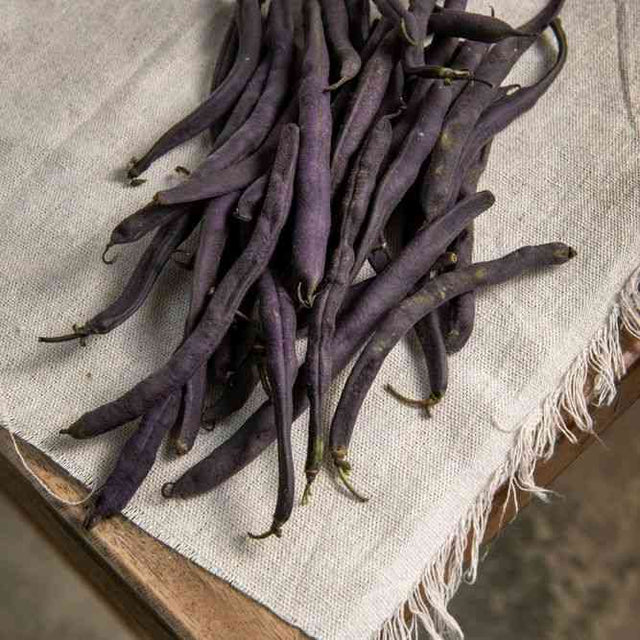
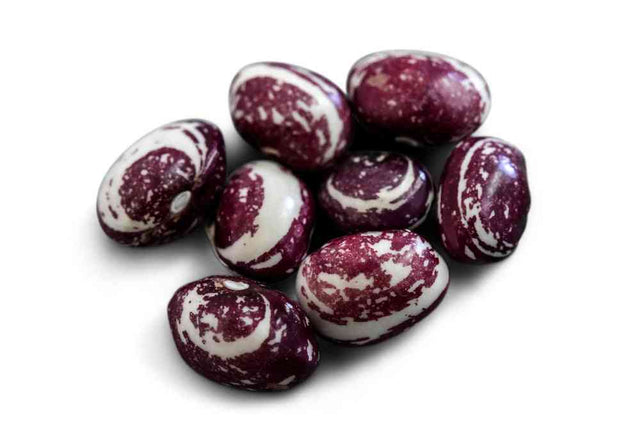
Bean names can hide the most important differences. Purple, green, yellow, red, mottled, and white beans may be bush or pole types. They may be bred for tender pods, large fresh shell beans, or fully dry seed. A beautiful bean used at the wrong stage can seem disappointing even when the plant performed exactly as selected.
- Snap beans are picked before the seeds swell heavily and before the pod wall becomes fibrous.
- Fresh shell beans are left until the seeds are plump, then shelled before the pods dry hard.
- Dry beans need enough season for the pods to mature and the seed to harden.
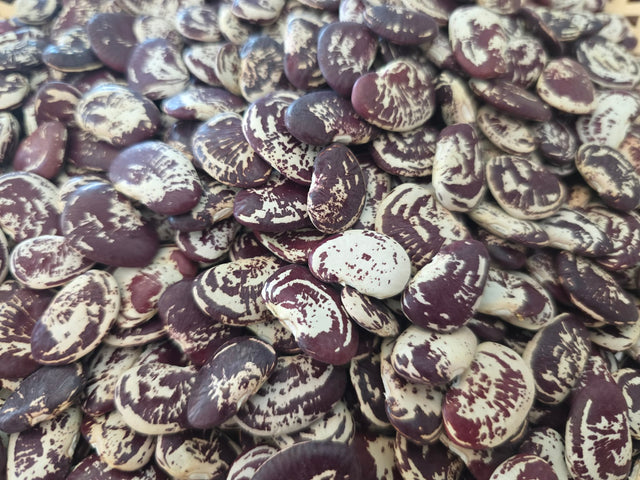
- Lima beans, Phaseolus lunatus, are a different species from common beans and usually want a warmer, longer season.
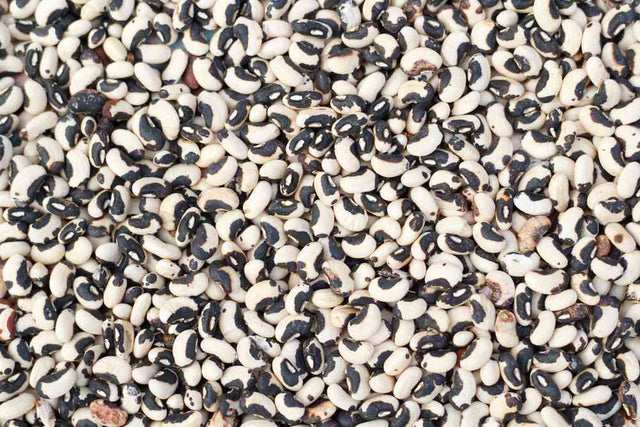
- Cowpeas, Vigna unguiculata, are not common beans at all. They tolerate heat differently and deserve their own planting plan.
This distinction matters in a Southern garden. When common snap beans begin struggling in sustained heat, that does not mean every “bean” must fail. It may mean the garden should shift toward cowpeas, yardlong beans, or another heat-adapted crop for the hottest stretch, then return to common beans when the weather fits them again.


Bush or pole is an infrastructure decision
Bush beans save vertical construction, but they do not save harvest labor. Their pods often arrive in a concentrated wave, which is useful for freezing, canning with a tested recipe, or taking one substantial harvest to the kitchen. Repeated short sowings can spread that work across the season.
Pole beans trade ground space for trellis work. The support must be in place before the vines run. A trellis added late can tear roots, break stems, and turn the row into a tangle. It also needs a picking side. A decorative wall of vines that cannot be reached from either side is not an efficient food system.
For a small household, a mixed strategy is often stronger than choosing one habit exclusively: one or two short bush rows for a dependable flush, plus a pole row for continued picking. That creates two harvest rhythms instead of one point of failure.
Wait for warm, drained soil
Common bean seed is large enough to look durable, but it can rot quickly in cold, saturated ground. Planting early does not create an earlier crop when the seed sits inactive, swells, and decays. The soil should be workable, warming, and able to drain after rain.
Sow directly. Beans generally resent root disturbance more than they benefit from ordinary transplanting. Follow the packet for depth and spacing, then adjust for the actual soil. Heavy soil should not be packed over the seed. Sandy soil may dry faster and need closer moisture attention during emergence.
Do not keep resowing the same cold row without asking why it failed. Dig carefully and inspect. Missing seed suggests animals or rot. Swollen soft seed points to cold wet soil. Hard intact seed may indicate dry soil or poor seed contact. Seedlings trapped under a crust need a surface-management correction, not another fertilizer.
Build airflow and access into the row
Spacing is not only about fitting the maximum number of plants into a bed. In a humid climate, it also controls airflow, leaf drying, disease pressure, and whether a person can actually harvest the crop. Crowded beans are difficult to inspect. Pods hide against wet foliage, damaged leaves remain unnoticed, and every picking round spreads moisture from plant to plant.
Thin weak clusters rather than accepting permanent crowding. Keep the row narrow enough to reach. For pole beans, keep vines off the ground and remove only badly damaged material. Excess handling can break stems and spread disease, especially when leaves are wet.
Water when the crop is doing expensive work
Flowering and pod fill are the expensive stages. A bean plant can survive short dryness and still lose flowers, abort pods, or produce coarse pods. Water deeply at the soil rather than repeatedly wetting the foliage. Mulch after the soil is warm to slow moisture swings and soil splash.
More nitrogen is not a universal answer. Beans can make a great wall of leaves and very few pods when the soil is overfed, the planting is shaded, or heat interrupts flowering. Use a soil test and read the whole plant. Dark vigorous growth with few flowers does not call for another high-nitrogen feeding.
Harvest by stage, not by calendar
The packet’s maturity range tells you when to begin looking. The pod tells you when to pick.
- Snap beans: Pick while the pod bends cleanly and before large seed bulges dominate the pod. Some varieties remain tender at a larger size than others.
- Shell beans: Pick when seeds are full sized but still moist. Shell promptly and cool them.
- Dry beans: Let pods mature and dry as far as weather permits. If a wet period threatens, pull or pick mature pods and finish drying under cover with airflow.
Use two hands. One supports the branch while the other removes the pod. Rough one-handed pulling breaks productive branches and can uproot shallow bush plants. Frequent picking also keeps snap varieties producing. Leaving overmature pods signals the plant that its reproductive work is nearly complete.
Read failure as a pattern
- No emergence: Check cold soil, saturation, crusting, seedcorn maggots, birds, rodents, and seed condition.
- Leaves but few flowers: Check shade, excess nitrogen, plant age, and sustained heat.
- Flowers drop: Check moisture swings and high temperatures before assuming disease.
- Pods turn tough quickly: Pick younger and confirm that the variety is meant for snap use.
- Spots spread after wet weather: Stop working wet plants, improve airflow, remove badly affected material, and rotate away from beans in the next cycle.
A single damaged leaf is not a diagnosis. A useful diagnosis asks where the damage began, whether it follows wet weather, whether several plants are affected, and whether the roots, stems, flowers, or pods show the same problem.

Save seed with the next season in mind
Do not wait until the final tired plants remain and call whatever is left “seed stock.” Mark healthy, productive plants while the crop is still performing. Let selected pods mature fully. Keep varieties labeled and separated through harvest, drying, shelling, and storage.
Common beans are largely self-pollinating, but crossing can occur. Greater separation and careful observation matter when preserving a rare line. Save from more than one healthy plant so the next generation does not depend on a single accident or a single plant’s weaknesses.
A stronger Southern bean plan
Instead of asking one bean planting to carry the whole year, divide the work. Use an early warm-soil planting for common beans. Plant enough bush beans to create a useful kitchen harvest, but not so many that every pod becomes overmature at once. Use pole beans where the trellis can be harvested comfortably. Let heat-adapted cowpeas take over when midsummer becomes hostile to tender common-bean quality. Where the frost-free season allows it, return to common beans for a later crop.
That is not failure or inconsistency. It is matching species, habit, harvest stage, and weather to the job.