Bush beans trade height for a concentrated harvest and simple support. Pole beans trade trellis work for vertical production and a longer picking window. Neither is universally better; the right choice depends on space, labor, harvest rhythm, weather, and what the kitchen needs.
A garden is not improved by choosing the taller plant or the faster plant. It is improved by choosing the plant whose work matches yours. Bush beans arrive like a crew on payday: nearly all at once. Pole beans keep coming back to the door. One asks for bending. The other asks for building.
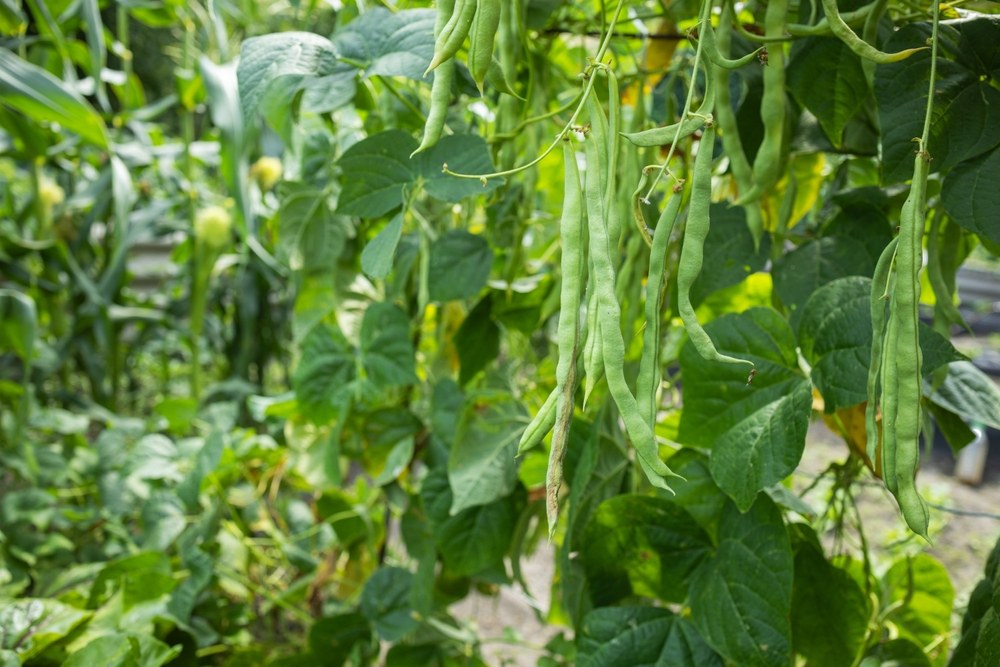
The practical difference between bush and pole beans
Most bush and pole snap beans are the same species, Phaseolus vulgaris. The difference is plant habit. Bush beans form compact plants with limited stem extension. Pole beans keep climbing and producing nodes as the vine grows.
Bush beans usually begin earlier and concentrate much of the crop into a shorter period. That can be ideal for canning, freezing, market batches, and gardeners who want a defined harvest window. Pole beans often start a little later but continue producing as long as weather, plant health, and picking permit.
The choice affects spacing, support, disease management, harvest posture, and seed saving. It should be made before planting, not after a packet title is forgotten.
| Question | Bush bean | Pole bean |
|---|---|---|
| Space | Uses horizontal bed space; compact height | Uses vertical space; smaller ground footprint but needs trellis clearance |
| Support | Usually self-supporting | Tall, strong support required |
| First harvest | Often earlier | Often slightly later |
| Harvest pattern | More concentrated | Longer repeated picking |
| Labor | More bending; simpler setup | More setup; easier standing harvest on good trellis |
| Preserving | Useful for one-time canning or freezing batches | Useful for steady fresh use and repeated smaller batches |
| Storm exposure | Lower profile | Trellis must resist wind and mature vine weight |
Choose by the work you want in July
A gardener with one short raised bed may assume bush beans are the only option. Sometimes the opposite is true. A narrow bed beside a fence can produce more with pole beans because the crop leaves the ground and climbs. A broad community plot without durable supports may favor bush beans.
Preservers often appreciate a concentrated bush-bean harvest. Families that want fresh beans over many weeks may prefer pole varieties. Market growers can use both: bush beans for planned volume and pole beans for distinctive varieties or extended picking.
Harvest posture matters. Repeatedly stooping over bush beans can be hard on the back and knees. A well-designed pole trellis places pods at hand and eye level, but only if the trellis is accessible from both sides and the vines are not allowed to become an impenetrable wall.
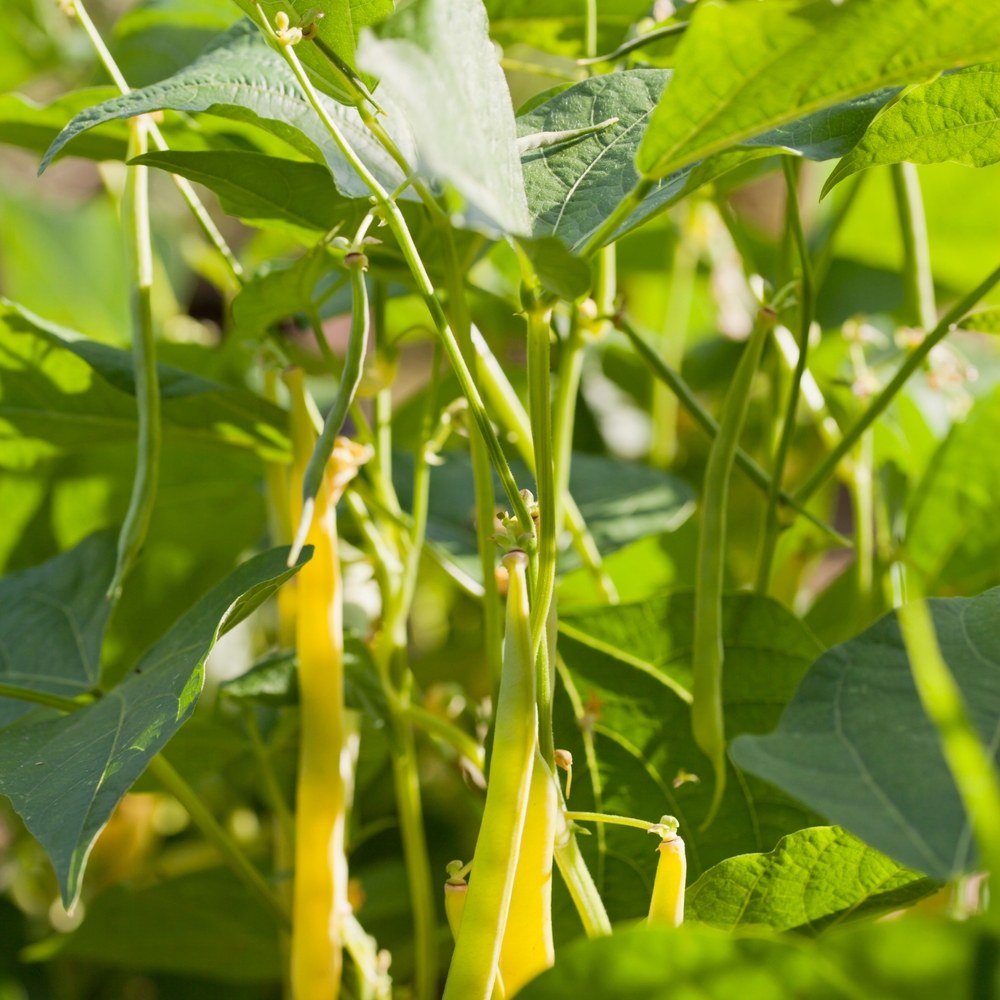
Sowing, spacing, and trellis timing
Direct sow beans after frost danger when soil is warm. Plant about 1 inch deep. Cold saturated ground can rot seed before emergence. Space bush beans commonly around 3 to 4 inches apart after thinning, depending on the variety and airflow. Pole beans are often spaced around 4 to 6 inches apart along the support.
Rows need enough room for harvest and air movement. The narrowest possible spacing is not automatically the most productive spacing. Crowded foliage stays wet longer and hides pests and diseased pods.
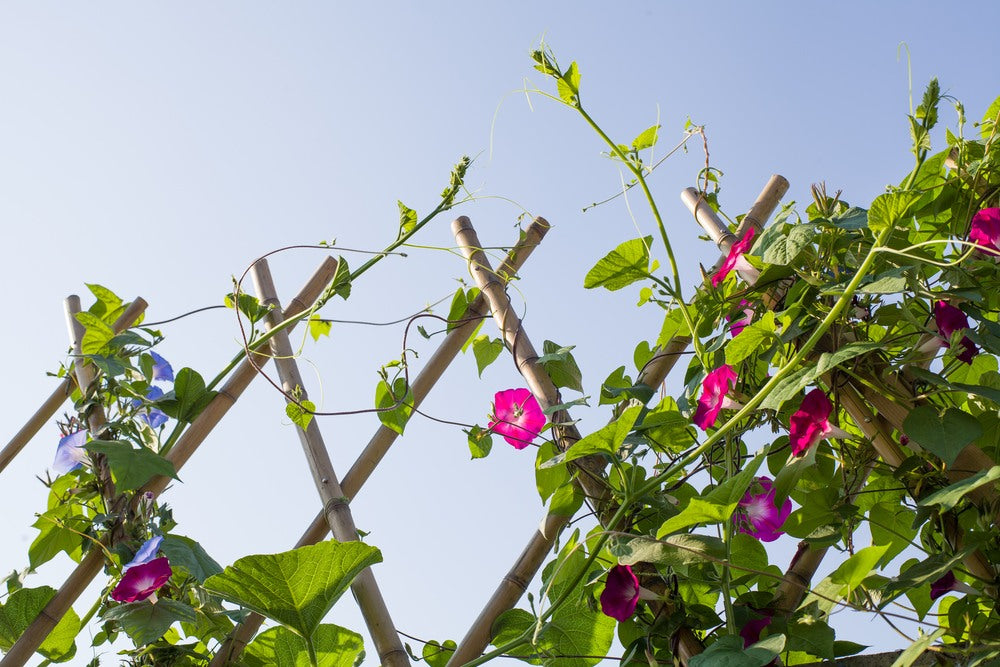
Install pole-bean support first. Cattle panels, strong netting, teepees, and wire systems can all work. The structure should be tall enough for the variety, anchored for storms, and arranged so the gardener can reach the center of the crop.
Water, fertility, and keeping beans productive
Beans need full sun, good drainage, and moderate fertility. Excess nitrogen can produce dense leaves and delayed pods. A soil test is more useful than habitually adding high-nitrogen fertilizer to a legume bed.
Keep moisture steady through flowering and pod fill. Drought makes snap pods tough and reduces seed fill. Saturated soil invites root disease. Mulch after the soil warms, and water at the base when possible.
Pick snap beans before seeds bulge heavily and return every few days. Missed mature pods tell the plant the season’s reproductive work is being completed. Regular harvest encourages continued production, especially in pole beans.
Examples of useful bush and pole choices
| Habit | Variety | Why it earns space |
|---|---|---|
| Bush | Blue Lake 274 | Straight green pods, concentrated production, no tall support |
| Bush | Dragon’s Tongue | Purple-streaked yellow wax pods and specialty market appeal |
| Pole | Kentucky Wonder | Classic long green snap-bean harvest |
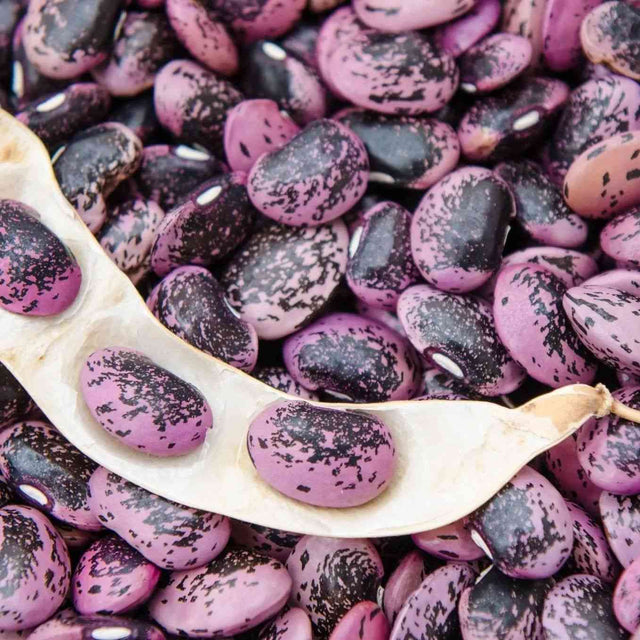
| Pole | Rattlesnake | Patterned pods, dual use, and Southern heat performance |
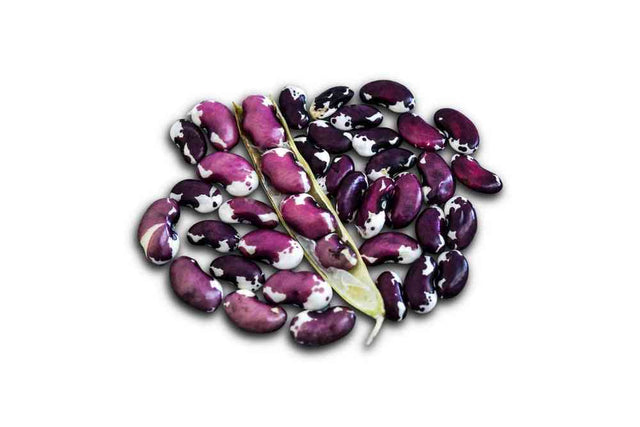
| Pole | Cherokee Trail of Tears | Snap or black dry bean with a reported family history |
| Pole | Blue Lake FM1K | Straight green pods and extended vertical production |
Pests, disease, and the role of plant habit
Mexican bean beetles, Japanese beetles, aphids, mites, leafhoppers, stink bugs, and caterpillars can attack either habit. Pole trellises often make scouting easier because leaves and pods are visible. Dense vine walls can also remain wet if support and spacing are poor.
Bacterial blights, anthracnose, rust, mosaic viruses, and root rots spread through susceptible plantings. Avoid handling wet leaves, rotate away from legumes, remove infected debris, use clean seed, and water the soil rather than repeatedly wetting foliage.
Bush beans near the ground can suffer splash and slug damage. Pole beans can lose an entire crop if a trellis fails. Plant habit changes the risk; it does not remove it.
Saving seed from bush and pole beans
Common bush and pole beans are primarily self-pollinating, but crossing can occur. Separate varieties according to the purity you need. Mark seed plants before the best pods are eaten, and save from several healthy, true-to-type plants.
Let pods become papery dry. If rain threatens, harvest mature pods and finish drying under cover. Shell, inspect, and dry seed again before storage. Record plant habit, pod type, seed color, year, source, and any off-types removed.
Do not select a pole bean that stopped climbing simply because it was convenient, or a bush bean that sprawled into the path because it yielded heavily. Save the variety, not only the seed.
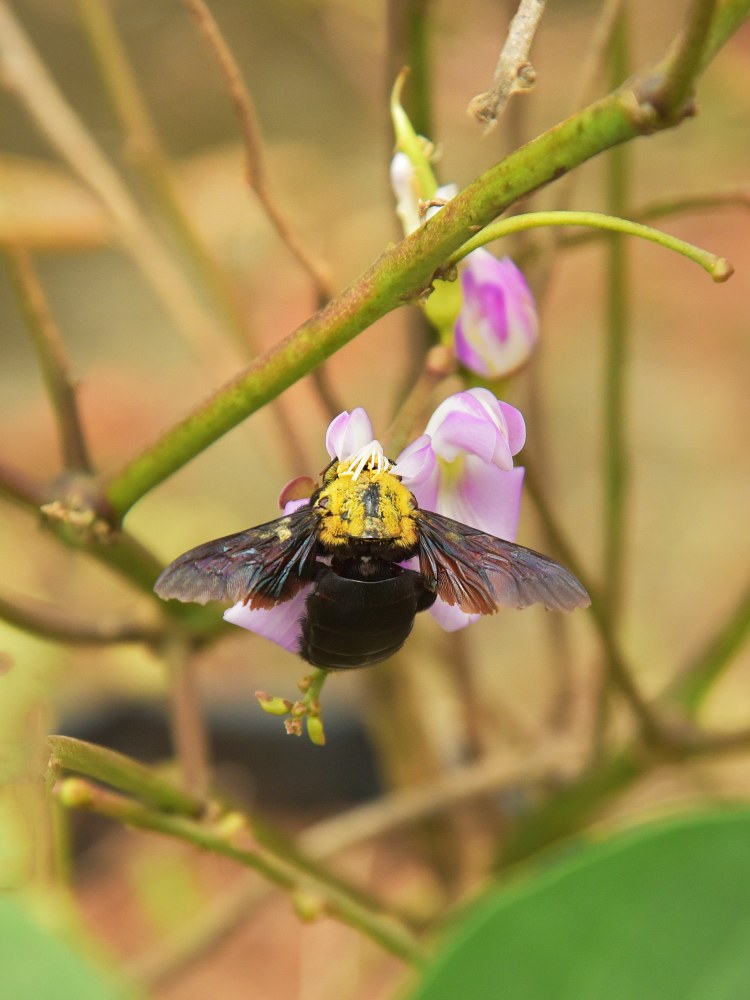
Containers, raised beds, and the geometry of a small garden
Bush beans suit broad containers and raised beds where the soil volume can remain evenly moist. They need more surface area than height. Pole beans suit deep containers only when the trellis is anchored independently or the container is heavy enough to resist wind. A full vine can lever a light pot onto the ground.
In a four-foot-wide raised bed, place a pole trellis along the north side when the site allows so the vines do not shade shorter crops. Leave enough distance from the bed edge to reach roots and harvest both faces. Bush beans can occupy blocks, but keep paths wide enough that wet plants are not brushed every morning.
Interplanting can work when timing and light are honest. Early lettuce may finish before beans close the canopy. A permanent herb placed beneath a pole wall may simply be starved. Small-space gardening rewards layers, but it punishes wishful geometry.
Vertical growing becomes efficient only when the support is reachable, the crop does not shade the rest of the bed, and the gardener can keep picking without stepping into the soil.
Mid-Atlantic and Upper South field notes
Warm soils arrive early enough for multiple bush-bean sowings across much of the region. Pole beans can produce through summer if moisture is steady and disease pressure is managed. In the hottest period, some varieties slow flowering and resume when nights moderate.
Humidity rewards wider spacing and strong airflow. Hurricane-season wind rewards serious trellis anchors. For fall beans, count backward from frost and remember that cooling nights slow maturity even when the catalog number looked comfortable in June.
Yield is a calendar, not one number
Bush and pole beans can both be productive, but they distribute work differently. A bush planting often gives a concentrated flush that suits canning, freezing, market harvest, and gardeners who want to clear the bed for another crop. Pole beans usually begin later, climb longer, and reward repeated picking over a wider window. Comparing only total pounds hides the labor pattern.
For a household that preserves food in large batches, a concentrated bush harvest can be an advantage. For a kitchen that wants fresh beans twice a week, a pole row may be more useful. Market growers may plant both: bush beans for early or scheduled volume, pole beans for a distinctive product and an extended display. The right type is the one whose harvest rhythm matches the people doing the picking.
Succession changes the comparison again. Two or three bush sowings can imitate an extended pole harvest while spreading weather risk. One pole planting can conserve ground space but concentrates risk in a single trellis. The seed packet does not know whether you have a pressure canner, a Saturday market, a small child who loves to pick beans, or a back that dislikes bending. Garden planning should.
Build support for the mature crop and the storm
A pole-bean trellis should be installed before emergence or while seedlings are small. Mature vines carry foliage, flowers, wet pods, and wind load. In the Mid-Atlantic and Upper South, a support that stands in calm May weather can fold during a thunderstorm in July. Anchor posts deeply, brace long runs, and avoid a broad solid surface that catches wind like a sail.
Netting, cattle panels, teepees, string systems, and wire fencing can all work. The choice depends on height, permanence, harvest access, and storage. Openings must be large enough to reach through. The bottom should begin where young vines can find it. If a trellis leans over a path, remember that every pod will ask the picker to stand there.
Bush beans do not need a tall structure, but exposed plants can still lodge under heavy pods or storms. Hilling lightly, using short side supports, and keeping rows narrow enough for airflow can protect the crop without turning a bush variety into a caged shrub. Support should solve a problem, not become a monument to the gardener.
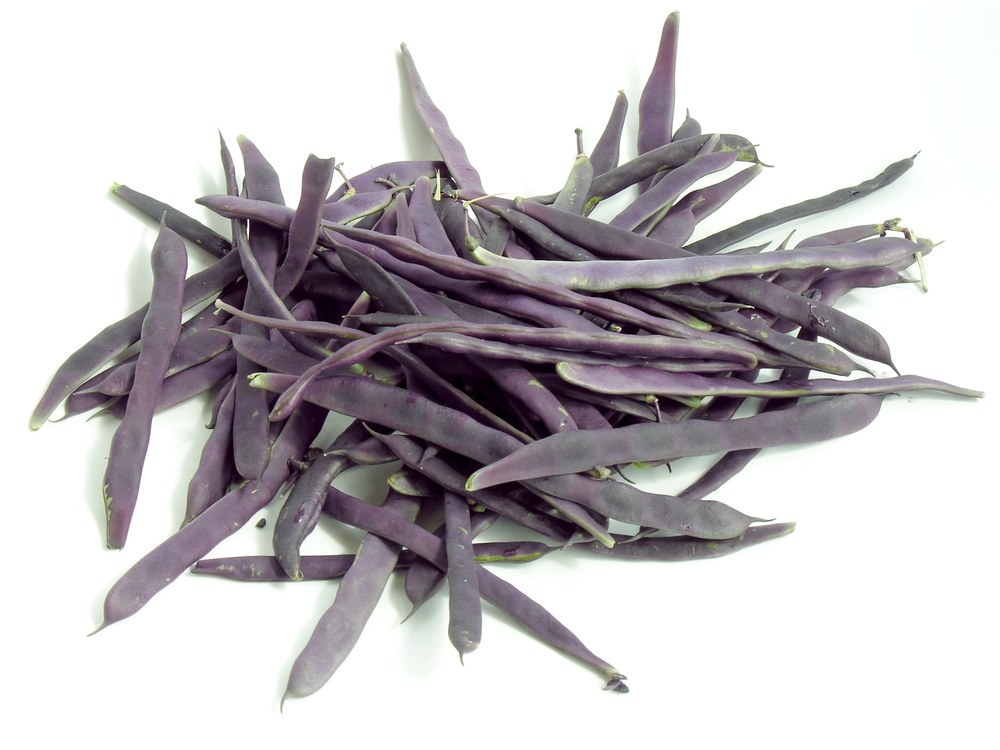
A real-garden decision: space, labor, and the next crop
Imagine one twelve-foot bed. Bush beans can occupy the full width in several rows, mature together, and leave the bed open for fall greens. Pole beans can occupy a narrower line along the north or west edge, rise above the bed, and continue producing while lower crops use the remaining ground. Neither plan is universally better. The rotation, shade pattern, and harvest schedule decide.
For a gardener with limited mobility, tall beans can reduce bending but create reaching. A trellis should place most pods between knee and shoulder height, with paths wide enough for a basket. For children, open panels and visible pods make harvesting easier than a dense teepee. For a market grower, straight rows and quick picking may matter more than squeezing the maximum number of plants into a photograph.
Also consider the crop that follows. Bush beans removed in midsummer can be followed by carrots, beets, brassicas, or a cover crop. Pole-bean roots and trellis may occupy the same space until frost. If the support is permanent, plan winter storage, crop rotation, and soil access around it.
Seed saving can change the layout. A few pods left for seed on every bush row may slow bed turnover. A dedicated section of pole vines can be marked and allowed to dry while the rest are picked as snaps. The garden is easier when food harvest and seed harvest are designed before the first flower opens.
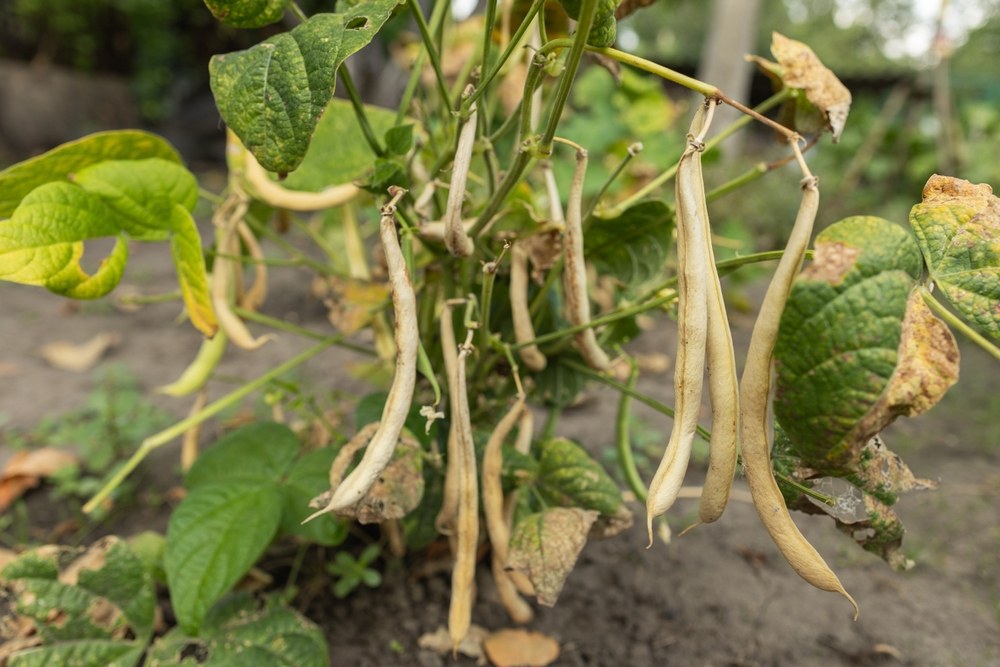
Frequently asked questions
Do pole beans yield more than bush beans?
Pole beans often yield more over a longer season per plant and use vertical space, but actual yield depends on variety, season, disease, water, and harvest frequency.
Which is better for canning?
Bush beans are convenient for a concentrated batch. Pole beans can also be canned, but the harvest is usually spread across more pickings.
Do bush beans need a trellis?
Most do not. A short support can help sprawling varieties, but they are selected to produce without a tall climbing structure.
How tall should a pole-bean trellis be?
Six to eight feet suits many varieties. Build for the mature vine and wind load, not the seedling.
Can bush and pole beans cross?
Yes, when they are compatible common-bean varieties. They are primarily self-pollinating, but insect-mediated crossing is possible.
Can I grow pole beans in containers?
Yes, in a large container with reliable water, adequate soil volume, and a trellis anchored independently of the pot.
Why did my beans make leaves but few pods?
Excess nitrogen, heat, drought, saturated roots, and poor harvest timing can all contribute. Review the whole growing pattern.
For more information and guidance
Explore the cited resources below for additional technical detail and background.