A squash plant can be covered with yellow flowers and still set almost no fruit. The common reaction is to add fertilizer, spray for insects, or assume the seed is bad. Those responses often miss the first and simplest question: are the flowers male or female?

Diagnose the stage of failure
“No fruit” can describe several different failures. Each begins at a different stage and needs a different response.
- No female flowers: The plant may still be in its normal early male-flower phase, or heat, excess nitrogen, or stress may be delaying female bloom.
- Female flowers open but fruit stops growing: Pollination may be incomplete, or the plant may be aborting fruit under stress.
- Small fruit turns soft or fuzzy: Wet flower tissue and fungal rot may be involved.
- Flowers are present but the vine suddenly wilts: The problem may be in the crown, stem, or roots, including squash vine borer or rot.
Do not treat these as one problem. Follow the failure backward from the fruit to the flower, then down the vine to the crown.
Learn male and female flowers
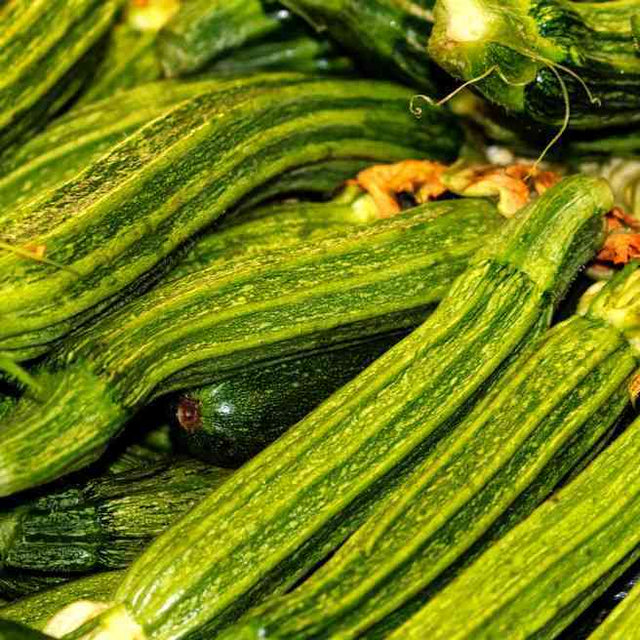
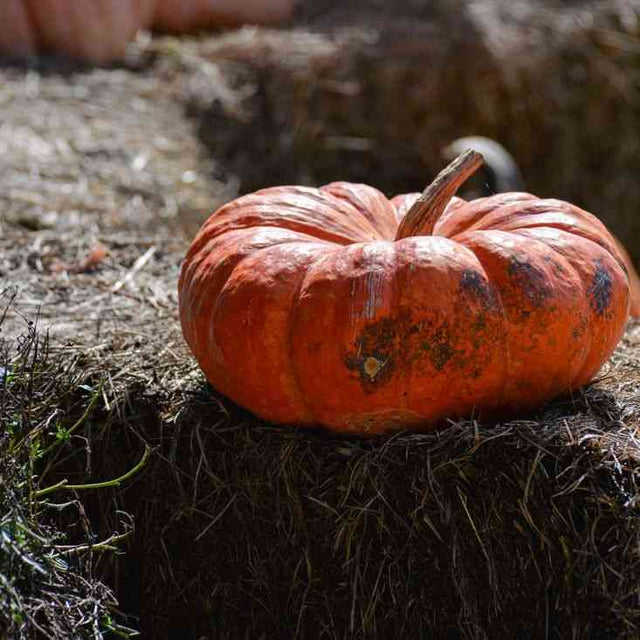
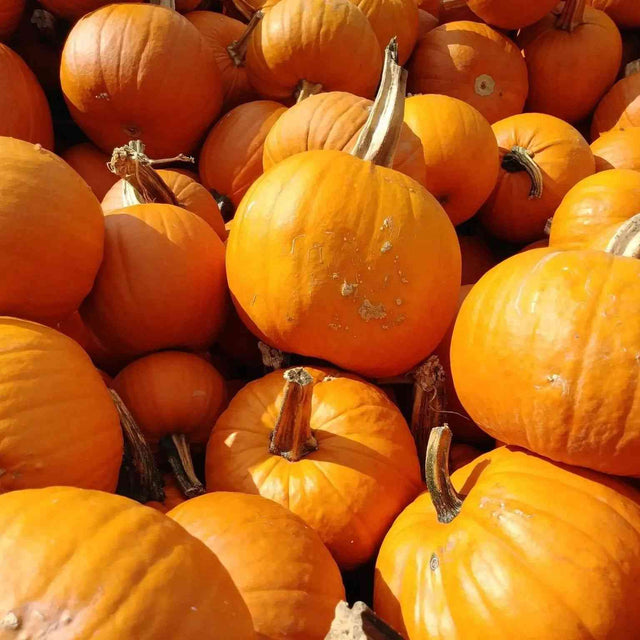
Cucurbit plants such as zucchini, summer squash, winter squash, and pumpkins make separate male and female flowers on the same plant.
- Male flower: A plain stem runs from the vine to the flower. Inside is a pollen-bearing anther.
- Female flower: A swollen ovary sits directly behind the petals. Inside is a multi-lobed stigma that receives pollen.
Early male flowers are normal. They establish a pollen supply and attract pollinators before female bloom begins. Removing every male flower for the kitchen can create a shortage just when the first female flowers open.
Observe before intervening
Spend ten minutes in the planting during the morning. Squash flowers are most useful for diagnosis while they are newly open.
- Count male and female flowers separately.
- Watch whether bees enter the flowers.
- Check whether rain, heavy dew, or overhead irrigation keeps petals wet.
- Look for wilt that continues after the heat of the day.
- Inspect the crown for holes, sawdust-like frass, splitting, or soft tissue.
This short observation prevents random treatment. A plant with only male flowers does not need hand pollination yet. A wilted vine with a damaged crown will not be saved by moving pollen.

Hand pollinate as a test
Hand pollination is useful both as a remedy and as a diagnostic test. If hand-pollinated fruit grows while unassisted fruit aborts, pollination was likely part of the problem.
- Work in the morning with newly opened flowers.
- Choose a male flower from the same compatible crop group.
- Remove the petals to expose the pollen-bearing anther, or use a clean small brush.
- Transfer pollen to every lobe of the female stigma.
- Mark the pollinated flower with a loose tag.
- Compare it with unmarked fruit over the next several days.
For eating fruit, the goal is simply enough compatible pollen. For seed saving, controlled pollination requires additional isolation and flower protection.
When heat changes the flower balance
High temperatures and warm nights can alter flowering, reduce pollen performance, increase water demand, and shorten the time pollinators work comfortably. A squash plant may continue making flowers while fruit set falls sharply.
Keep the root zone evenly moist and mulch after the soil is warm. Do not respond to heat stress with repeated shallow watering that leaves the deeper root zone dry. In containers, check moisture more often because the root volume is limited and can heat quickly.
Shade cloth can reduce extreme afternoon stress in a small planting, but permanent deep shade reduces the energy available for flowering and fruit growth. Use shade as a targeted heat-management tool, not as a substitute for sun.
When moisture swings cause abortion
A tiny fruit can begin growing and then stop when the plant cannot support it. Dry soil followed by flooding, damaged roots, severe leaf loss, or a heavy existing fruit load can all contribute.
Water the soil, not the flowers. Keep the crown from sitting in saturated soil. Avoid burying the crown under dense wet mulch. If the plant is carrying several large squash, harvest usable fruit before assuming every new ovary should mature at once.
When the blossom turns soft or fuzzy
A poorly pollinated fruit often yellows and shrivels. Wet-weather flower rot looks different. The blossom or young fruit may become water-soaked, soft, and covered with fuzzy growth. Choanephora rot is one disease that can move through wet flower tissue under warm, humid conditions.
Remove affected fruit, improve airflow, control weeds, and stop wetting the flowers unnecessarily. Do not compost heavily diseased tissue unless the compost system reliably manages plant pathogens. A calcium treatment will not correct a rotting flower infection.

When the problem is lower on the vine
If an otherwise flowering vine suddenly wilts, inspect the crown and lower stem. Squash vine borer injury may leave holes and frass near the base. Crown rot creates soft or discolored tissue. Root damage and saturated soil can also collapse the plant.
A vine that wilts only during the hottest afternoon and recovers by morning may be experiencing temporary water stress. A vine that remains wilted at dawn needs immediate inspection. The time of day is part of the diagnosis.
What not to do
- Do not apply more nitrogen to a dark green vine already making excessive leaves.
- Do not spray insecticide during bloom without identifying a damaging pest and protecting pollinators.
- Do not remove every male flower.
- Do not call every rotted young fruit blossom-end rot.
- Do not keep hand pollinating a vine whose crown is collapsing.

A one-week diagnostic plan
- Photograph one male and one female flower.
- Count female flowers each morning.
- Watch pollinator visits for ten minutes.
- Hand pollinate and mark two female flowers.
- Record rainfall, irrigation, and high temperatures.
- Inspect the crown and lower stem.
- Compare marked and unmarked fruit after three to five days.
The result tells you where to act. If marked fruit grows, improve pollination conditions. If both marked and unmarked fruit abort during heat, manage plant stress. If fruit rots wet and fuzzy, manage disease conditions. If the vine wilts from the base, stop treating the flowers and address the crown.