The first pumpkin vine I tried to keep inside a neat rectangle crossed the path, climbed a fence, and set fruit exactly where the mower needed to pass. That was not disobedience. It was information.
A pumpkin is not a round orange object waiting at the end of a generic vine. It is a species, a growth habit, a harvest deadline, a pollination system, and a claim on space. The right pumpkin can turn a corner of ground into winter food or a child’s October memory. The wrong pumpkin, planted without a plan, can occupy half the garden and still leave you with immature fruit.

Choose the fruit before the planting hill
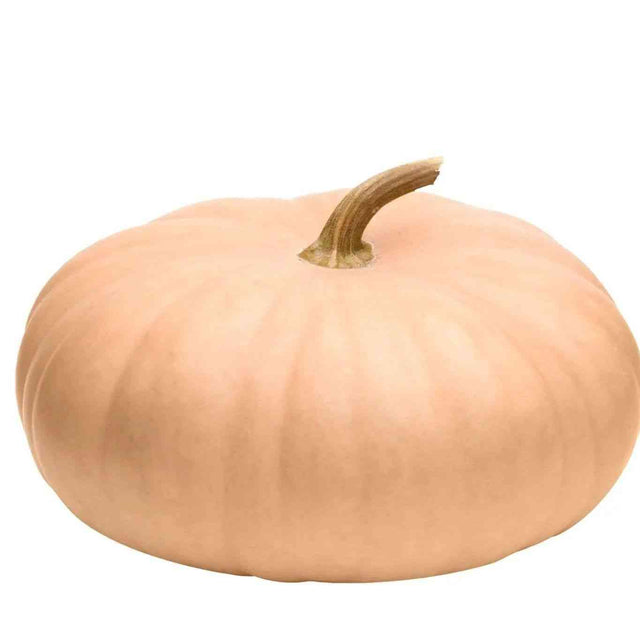
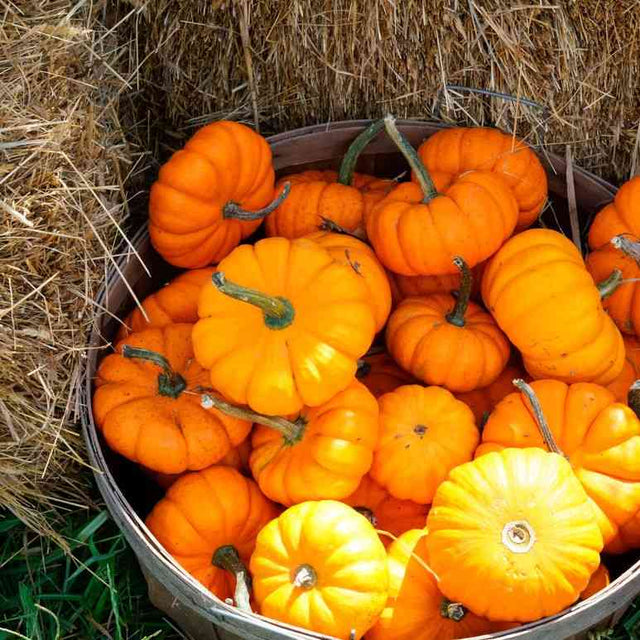
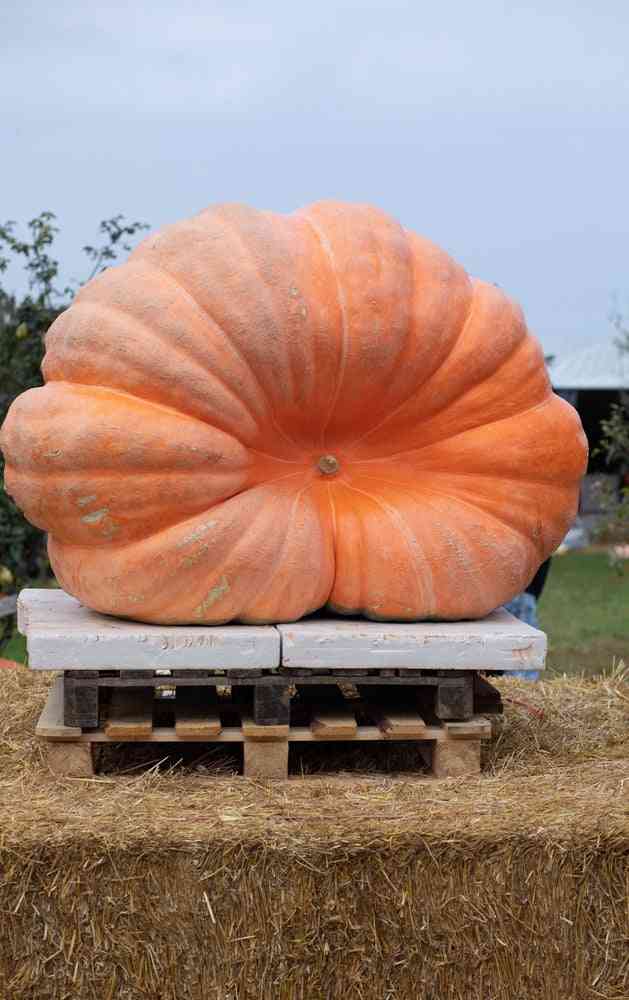
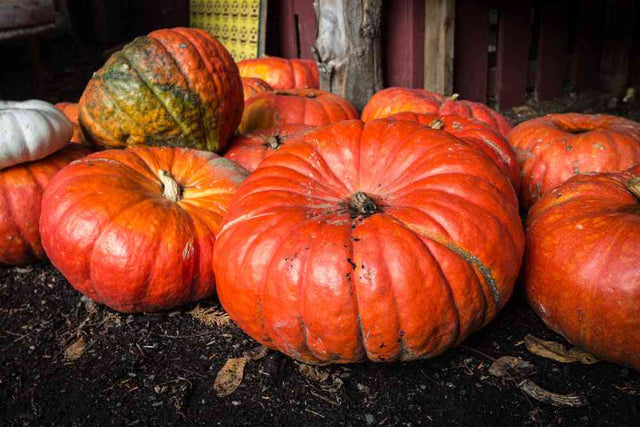
“Pumpkin” is a market word more than a botanical boundary. A carving pumpkin, a pie pumpkin, a miniature table pumpkin, a giant exhibition fruit, and a long-storing cheese pumpkin may ask for very different land, support, and harvest decisions.
| Garden goal | Useful traits | Hidden cost |
|---|---|---|
| Carving | Uniform shape, sturdy handle, timely orange color | Large fruit and open vines can consume considerable ground |
| Pie and cooking | Dense flesh, useful size, good flavor and texture | Not every attractive pumpkin has good culinary quality |
| Miniature | Small fruit, high fruit count, manageable individual weight | The vine may still be vigorous and needs harvest access |
| Storage | Hard rind, sound stem, mature dry matter, proven keeping quality | Immature fruit and damaged stems shorten storage |
| Giant exhibition | Genetics, vast root and vine area, selected fruit load | Requires intensive soil, water, pest, and fruit management |
| Decorative heirloom | Distinct color, ribbing, shape, and mature finish | Appearance alone does not prove flavor or storage life |
Start with the use. If the household wants soup and pie, flesh quality matters more than a perfect jack-o-lantern cavity. If the goal is a school display, a miniature type may serve better than a giant. If the crop must store, the fruit needs to reach full maturity before cold weather and be handled without injury.


Species matters in the garden and in the seed jar
Several Cucurbita species are sold as pumpkins or winter squash. Iowa State Extension explains that varieties within the same species can cross, while different species generally do not. The current fruit remains true to the mother plant, but saved seed can produce something different the next year.
| Species | Common examples | Seed-saving consequence |
|---|---|---|
| Cucurbita pepo | Many carving pumpkins, pie pumpkins, zucchini, acorn, delicata, spaghetti squash, and ornamental gourds | A carving pumpkin can cross with zucchini or another C. pepo variety |
| Cucurbita maxima | Giant pumpkins, kabocha, hubbard, buttercup, and turban types | Giant pumpkin pollen can cross with other C. maxima squash |
| Cucurbita moschata | Butternut, calabaza, Long Island Cheese, and some “Cinderella” or cheese types | Different C. moschata varieties can cross with one another |
| Cucurbita argyrosperma | Cushaw and related types | Keep separate from other flowering varieties of the same species |
Write the species on the garden map before flowering begins. A pumpkin patch is a poor place to discover, in September, that the seed-saving plan required decisions in June.
Choose the site before you choose the seed
Vines need a direction. Put them where runners can travel without smothering smaller crops, closing a walkway, or crossing ground that must be mowed. Small fruit does not always mean a small vine. Bush and semi-bush types reduce the footprint, but the mature habit still needs to be checked variety by variety.
Most pumpkins need full sun, warm soil, good drainage, and ready access to water. The garden also needs air movement. In humid climates, dense foliage that stays wet favors disease. Wide access lanes make it easier to scout crowns for squash vine borer injury, remove diseased fruit, and harvest without stepping on rooted nodes.
A vine will use every foot you fail to assign. Space is not wasted when it lets you inspect, water, and harvest the crop.

Time the maturity backward from the fall deadline
NC State’s eastern North Carolina planting calendar emphasizes that warm-season crops must fit between frost, high heat, humidity, and pest pressure. A packet’s maturity estimate is not a promise. Cold soil, transplant shock, drought, disease, and heavy fruit load can all delay the crop.
Work backward from the last practical harvest date. Add time for germination and establishment, then allow a weather margin. A 110-day pumpkin planted as though every day will be ideal is a gamble. In a short season, choose an earlier variety or start a young transplant in an individual pot. In a long Southern season, direct sowing into warm soil often avoids root disturbance and produces a strong start.
Planting early into cold ground can erase the advantage. A chilled seed or stalled transplant may watch a later planting pass it.
Read the flowers before blaming the plant
Pumpkins produce separate male and female flowers on the same plant. Male flowers usually appear first. A female flower carries a swollen ovary at its base that resembles a tiny fruit. That ovary still needs enough pollen during a short morning window to develop normally.
Cold rain, cloudy weather, extreme heat, few pollinators, or poorly timed pesticide use can reduce fruit set. UMN notes that pollinator activity can slow when temperatures become very hot. Poorly pollinated fruit may remain small, yellow, and rot instead of enlarging.
- Watch whether male and female flowers overlap.
- Look for bee activity during the morning.
- Avoid spraying insecticides while flowers are open whenever possible, and always follow the label.
- Hand pollinate an important fruit by moving fresh pollen from a newly opened male flower to a newly opened female flower.
- If saving seed, use pollen from the correct variety and species, then close and label the flower.
Manage the root zone, then manage the canopy
Pumpkins need steady moisture during flowering and fruit enlargement, but they do not need constantly wet leaves. Water at the soil. Mulch after the soil has warmed, keep mulch away from the crown, and avoid repeatedly dragging mature vines to a new position.
Young runners can be directed while flexible. Older vines may root at nodes and crack when moved. Those rooted nodes can help support a large plant, but they also make the patch less movable than it looks.
In the Southeast, scout for squash vine borers, squash bugs, powdery mildew, and fruit rots. Sudden wilt is not automatically drought. Inspect the crown for frass, boring, wounds, or rot. White leaf markings are not automatically powdery mildew either; some varieties have natural silver patterning. Diagnosis comes before treatment.
Match the support to the wet, mature fruit
Miniature pumpkins can be trellised on a structure built for the full weight of vines after rain and multiple mature fruit. Large pumpkins belong on the ground unless the support is engineered for them. A decorative panel that holds a cucumber may fail under a pumpkin crop.
Giant pumpkins are a separate discipline. UMN recommends hundreds of square feet and intensive vine management. The usual home-garden advice to let several fruits mature does not apply to a grower pursuing one exhibition giant. Keep the garden goal clear. A giant-pumpkin strategy can reduce total edible yield and increase risk.
Harvest maturity cannot be repaired indoors
UMN states that pumpkins and winter squash do not continue meaningful ripening after harvest. Leave fruit on the vine until it reaches mature color, the rind resists a fingernail, and the stem is hardening. Drought can kill a vine early, so a dead vine alone is not proof that the fruit is mature.
- Cut the fruit with pruners or a sharp knife.
- Leave a sound length of stem attached.
- Do not carry the fruit by the stem.
- Harvest before a hard freeze.
- Keep bruised or stemless fruit out of long-term storage.
- Cure storage types only under warm, dry, ventilated conditions appropriate to the variety.
UMN recommends warm curing conditions for many storage pumpkins and winter squash, followed by storage around 50 to 55°F with air movement. Not every home has that environment. Store the best fruit first, inspect it often, and use damaged fruit promptly.
What failure looks like
| Symptom | Likely question | Corrective direction |
|---|---|---|
| Only male flowers | Is the plant still in its normal early flowering stage? | Wait for female flowers while keeping growth steady |
| Tiny fruit yellows and drops | Was pollination incomplete or was the plant under heat or water stress? | Watch morning pollinators, hand pollinate future flowers, and stabilize moisture |
| Sudden whole-vine wilt | Is the crown damaged by squash vine borer, rot, or physical injury? | Inspect the base before assuming the plant only needs water |
| White coating spreads on leaves | Is it powdery mildew rather than natural silver patterning? | Confirm the pattern, improve airflow, and follow local disease guidance |
| Fruit rots in storage | Was it immature, bruised, stemless, or stored too warm and wet? | Separate damaged fruit and improve harvest and storage handling |
| Many vines, little usable crop | Did the variety fit the space, maturity window, and intended use? | Choose a smaller, earlier, or more culinary type next season |
Save seed with the species map in hand
Choose open-pollinated varieties and several healthy, representative plants. Protect selected flowers from unwanted insect pollination, hand pollinate with the intended male flower, close the blossom again, and label the fruit. Allow the seed fruit to reach full maturity.
Do not confuse a true-looking pumpkin with true seed. Cross-pollination usually does not change the current fruit. It changes the genetic combination inside the seed. The surprise arrives next year.
Clean seed from fully mature fruit, dry it thoroughly, label the species and variety, and record every compatible variety that flowered nearby. A seed jar without that record is a story with the last page missing.
Plant the pumpkin you can finish
The strongest pumpkin plan is not the one with the biggest name. It is the one that fits the land, the season, the water, and the work available when the vines are heavy and the weather turns.
Choose the fruit. Give the vine a direction. Protect the flowers. Harvest maturity, not hope. A pumpkin patch rewards ambition, but it respects preparation more.