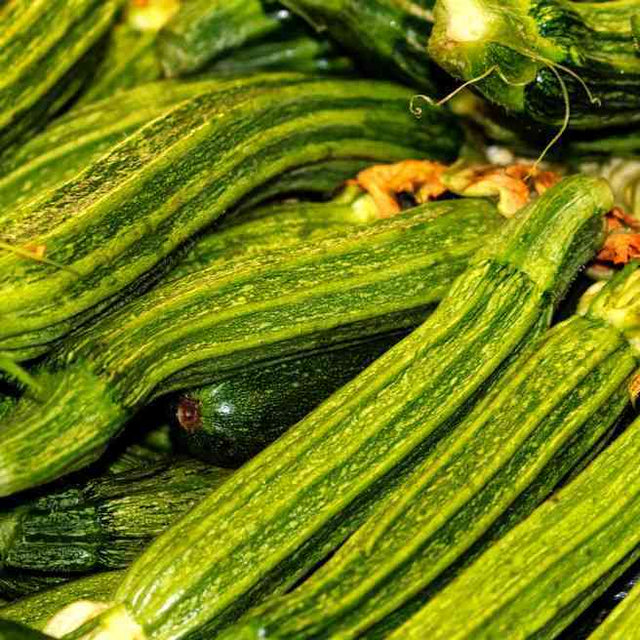
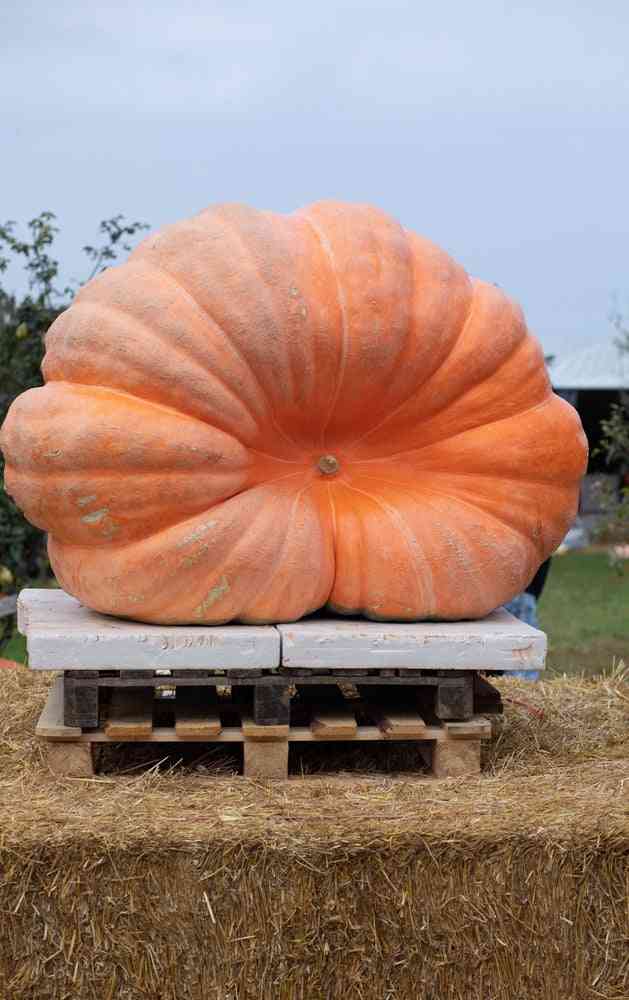
Plant squash after frost in warm soil, choose bush or vining varieties that fit the site, protect tender roots, maintain steady moisture, remove row cover at bloom, watch the crown and leaf undersides for pests, and harvest at the stage required by the crop.
Squash begins with a seed large enough to inspire confidence. The plant that follows can still surprise a gardener. Bush zucchini fills a container faster than expected. Winter squash crosses a path, climbs a fence, and sets fruit farther from the crown than anyone planned. Pumpkins ask for a season that ends after the fruit is mature, not when the gardener is tired.
The best squash planting starts by naming the crop accurately. Summer squash is harvested tender. Winter squash and pumpkins mature on the vine. Several Cucurbita species sit inside those categories, and each species changes the seed-saving plan.
Choose the squash that fits the site

| Crop direction | Harvest stage | Space and labor |
|---|---|---|
| Bush zucchini and summer squash | Young and tender, often every day or two | Compact compared with vines, but thirsty and fast producing |
| Vining summer squash | Tender fruit before seeds and rind harden | Needs a runner lane or trellis and frequent harvest |
| Winter squash | Fully mature with hard rind and developed seed | Longer season, larger footprint, one main harvest window |
| Pumpkins | Fully mature; use depends on carving, cooking, display, or competition | Varies from miniature vines to exhibition-scale plants |
Choose a mature plant, not a packet. Read growth habit, spacing, days to maturity, average fruit weight, support needs, and species before deciding where the seed belongs.
Warm soil and planting time
Squash is a warm-season crop. Cold soil slows germination and exposes seed to decay. Wait until frost danger has passed and the root zone is warming, especially in heavy or wet ground. Raised beds, dark mulch, and protected sites can warm earlier, but a warm afternoon does not mean the soil has reached a dependable planting temperature.
In the Mid-Atlantic and Upper South, a second small sowing of summer squash can be useful where the season is long. It spreads harvest and may avoid the worst local pest window. Winter squash and pumpkins usually need the longest uninterrupted season, so late sowing can leave hard green fruit at frost.
Some maturity figures are counted from direct sowing and others from transplanting. Read the individual variety page before turning a number into a calendar date.
Direct sowing and transplants
Direct sowing is usually simple once the soil is warm. Sow at the variety-specific depth, commonly around one inch, keep the seed zone evenly moist, and thin without tearing the roots of the plant that remains.
Indoor starting can provide a short head start in cool springs, but squash roots dislike being held, tangled, and repeatedly transplanted. Use a deep cell or biodegradable pot, give strong light immediately after emergence, and move the plant while it is young and actively growing. Harden seedlings gradually before they enter full sun and wind.
- Prepare the final bed before sowing.
- Confirm drainage and soil fertility.
- Sow only as early as the site can remain warm.
- Protect emerging plants from cucumber beetles.
- Remove protection when flowers require insect pollination.
Sun, soil, spacing, and water
Give squash full sun and fertile, well-drained soil. Finished compost improves soil structure and water-holding capacity, but excessive nitrogen can build a wall of leaves while delaying flowers and fruit.
Water deeply at the root zone. A broad-leaved squash plant can look wilted during the hottest part of a day even when the soil is moist, so check the root zone before watering automatically. Repeated drought and flooding can cause weak growth, poor fruit set, blossom-end problems, cracking, and disease pressure.
- Space bush plants for mature leaf spread and access to harvest.
- Direct vines away from paths while runners are flexible.
- Use a strong trellis only for fruit that can be supported safely.
- Place heavy developing fruit on straw, a board, or another dry surface when soil stays wet.
- Mulch after the soil is warm, not while the spring root zone is still cold.

Flowers and pollination
Squash plants carry separate male and female flowers. Male flowers often open first. Female flowers have a small immature fruit behind the bloom. A fruit that begins growing and then yellows, narrows, or falls is often incompletely pollinated.
Bees must transfer enough pollen during the brief morning life of a flower. Remove row cover when flowering begins unless every female flower will be hand-pollinated. Avoid broad-spectrum insecticides on open flowers and nearby blooming weeds.
How to hand-pollinate squash
- Choose a newly opened male and female flower of the same compatible variety or species.
- Remove the male petals or use a clean brush.
- Transfer pollen across the lobes of the female stigma.
- Repeat with fresh pollen when coverage is uncertain.
Hand pollination for fruit set is not the same as controlled pollination for seed purity. Seed saving also requires flowers to be protected before and after pollination.
Care through the season
Scout at least twice a week and daily when summer squash is producing. Look beneath leaves for egg clusters, at crowns for frass, along stems for damage, and across the planting for mildew patterns or wilt.
- Harvest zucchini and summer squash young and often.
- Do not remove healthy leaves merely to expose fruit.
- Cut fruit with a clean tool instead of twisting the plant.
- Side-dress lightly only when plant color, growth, soil test, and crop stage support it.
- Rotate cucurbits when space allows and remove diseased residue after the season.
Vines are the solar panels feeding the fruit. Severe pruning can reduce sweetness, delay maturity, and expose fruit to sunscald. Guide runners, but do not confuse neatness with plant health.
Harvest summer and winter squash correctly
| Crop | Harvest evidence | After harvest |
|---|---|---|
| Zucchini and summer squash | Tender skin, small seed cavity, variety-appropriate eating size | Refrigerate and use soon; keep picking to maintain production |
| Winter squash | Full mature color, hard rind, hardening stem, mature seed | Cure only as appropriate, then store cool, dry, and ventilated |
| Pumpkins | Full color and hard rind before frost damage | Keep sound stem, separate damaged fruit, use according to type |
Summer squash can become oversized in a few days. Winter squash cannot be rushed. Use clean pruners on mature fruit, leave a sound stem, keep fruit dry, and avoid carrying by the stem.

Pests and diseases
Squash bugs
Look for bronze eggs in clusters and pale young nymphs on leaf undersides. Management is most effective before the insects become large adults.
Squash vine borers
Watch for holes and moist sawdust-like frass near the crown. Prevention before larvae enter the stem is more reliable than surgery after a plant collapses. Moschata types are often less susceptible than many C. pepo varieties.
Cucumber beetles and wilt
Protect seedlings, rotate when possible, and identify beetles early. Remove row cover for pollination. A wilted plant may also have drought, root damage, stem injury, or disease, so inspect before treating.
Powdery and downy mildew
Confirm the pattern. Some squash leaves have natural silver markings. True mildew spreads as a growth or lesion pattern. Improve airflow, water at the root zone, and use labeled crop-safe controls only when needed.
Saving squash seed
Determine the species before flowers open. Most zucchini, acorn, Delicata, spaghetti squash, and many pumpkins are C. pepo. Buttercup, hubbard, Red Kuri, Jarrahdale, and many giant pumpkins are C. maxima. Butternut is usually C. moschata. Cushaws are commonly C. argyrosperma.
For controlled seed, bag unopened male and female flowers, hand-pollinate the female flower in the morning, close and label it, then allow that fruit to reach full botanical maturity. A zucchini selected for seed must remain on the plant far beyond the tender eating stage.
Clean the seed from fully mature fruit, rinse away pulp, dry it in a single layer in moving air and shade, then label the species, variety, year, parent plant, and pollination method. Test older seed before relying on it.
Questions gardeners ask
Can squash be started indoors?
Yes, but start only briefly and transplant young plants with minimal root disturbance after the soil and nights are warm.
Why are only male flowers appearing?
Male flowers commonly appear first. Plant age, heat, nitrogen, water stress, and weather can influence the balance and timing.
Why does baby squash rot at the blossom end?
Incomplete pollination is common. Moisture stress and calcium delivery problems can also contribute, so inspect the whole growing pattern.
Can zucchini and pumpkins cross?
They can when they share the same Cucurbita species and flower together. Common names do not determine compatibility.
How much room does squash need?
Use the variety record. Bush zucchini needs a broad root and leaf footprint, while winter squash and pumpkins may require long runner lanes.
Should squash vines be pruned?
Guide vines where practical, but avoid removing healthy leaves without a specific reason. Leaves power fruit development and shade the rind.
Sources and further reading
- University of Minnesota Extension: Growing summer squash and zucchini
- University of Minnesota Extension: Pumpkins and winter squash
- University of Minnesota Extension: Squash vine borers
- Oregon State University Extension: Soil temperature and vegetable seed germination
- Oregon State University Extension: Collecting and storing seeds from your garden