Salvia growing guide
Salvia is one of the largest genera in the mint family. It includes common culinary sage, tender red bedding plants, drought-tolerant perennials, humid-climate natives, tropical shrubs, and many of the finest pollinator plants in a seed catalog.
That diversity is the reason generic salvia advice often fails. Seed treatment, mature size, winter survival, moisture tolerance, and pruning all depend on the species. The botanical name belongs beside the common name from the first label to the final seed envelope.
This guide gives a framework for annual, perennial, culinary, and pollinator types without pretending they are one crop.
Salvia is a large room with many doors. A red bedding salvia, a culinary sage, and a native woodland species may share a genus while asking the gardener for entirely different terms.
Identify the salvia before deciding how to grow it
| Group | Examples | Garden behavior |
|---|---|---|
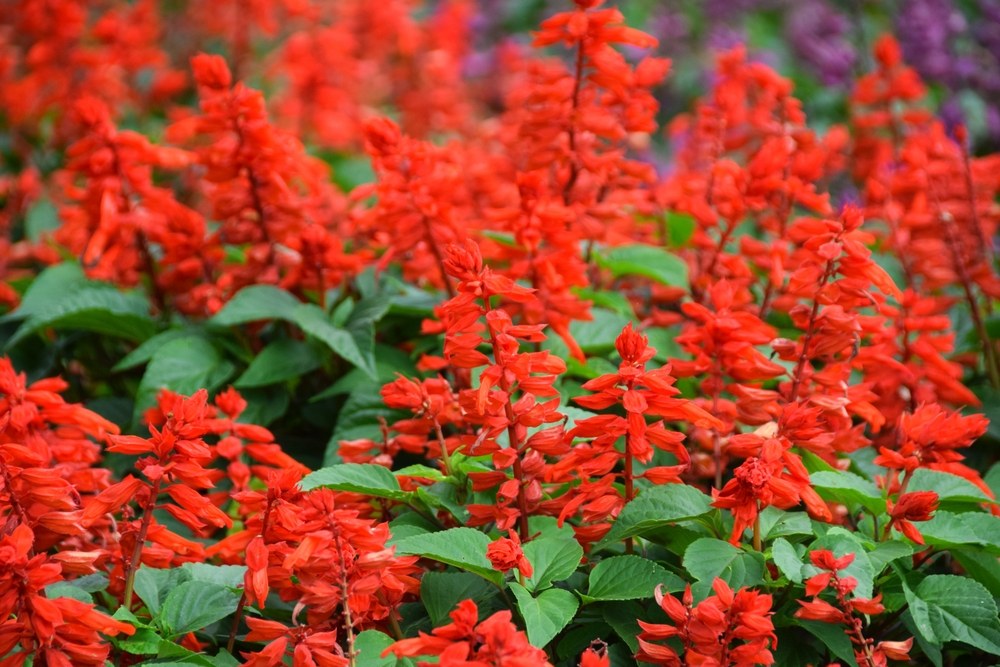
| Bedding salvia | Salvia splendens and hybrids | Tender, colorful, often grown as an annual |
| Culinary sage | Salvia officinalis | Woody perennial herb needing excellent drainage |
| Mealycup and prairie types | Salvia farinacea and relatives | Heat-tolerant flowering plants, annual or perennial by climate |
| Native woodland or regional species | Species such as Salvia urticifolia | Site needs follow native habitat |
| Tender ornamental shrubs | Pineapple sage and many hybrids | Fast warm-season growth, frost tender in much of the region |
Use the seed packet species and cultivar. Color alone cannot identify mature size, winter hardiness, or culinary use.
Treat seed according to species, not rumor
Many salvias germinate from shallow sowing in warm, bright conditions. Some perennial or native species benefit from a cool period or simply germinate more evenly after seasonal exposure. Follow species-specific guidance when it exists.
Use a clean mix, sow shallowly, and maintain moisture without closing every pore with water. Strong light after emergence keeps the square stems compact. Thin early because crowded mint-family seedlings can stretch quickly.
A plant in the genus Salvia is not automatically a culinary herb. Use only a correctly identified species with a documented food use and known treatment history.
Match sun, water, and drainage to the mature plant
Culinary sage dislikes wet crowns and rich constantly moist soil. Bedding salvias tolerate more regular water and fertility. Woodland species may accept some shade. Tropical types can grow explosively in heat and still die at the first hard freeze.
Good air movement reduces leaf disease. Water the root zone rather than keeping foliage wet through the night. In clay, plant drainage-sensitive species slightly high or use a raised position.
Prune for the type of growth in front of you
Pinching young bedding and tender ornamental salvias encourages branching. Deadheading can extend bloom, though many vigorous types continue without constant grooming. Woody sage should not be cut into old bare wood without living buds below the cut.
Leave some flower spikes for seed and wildlife only after the plant is established and the seed line is worth keeping. Hybrid ornamental salvias may not come true from collected seed.
Use salvia deliberately for pollinators
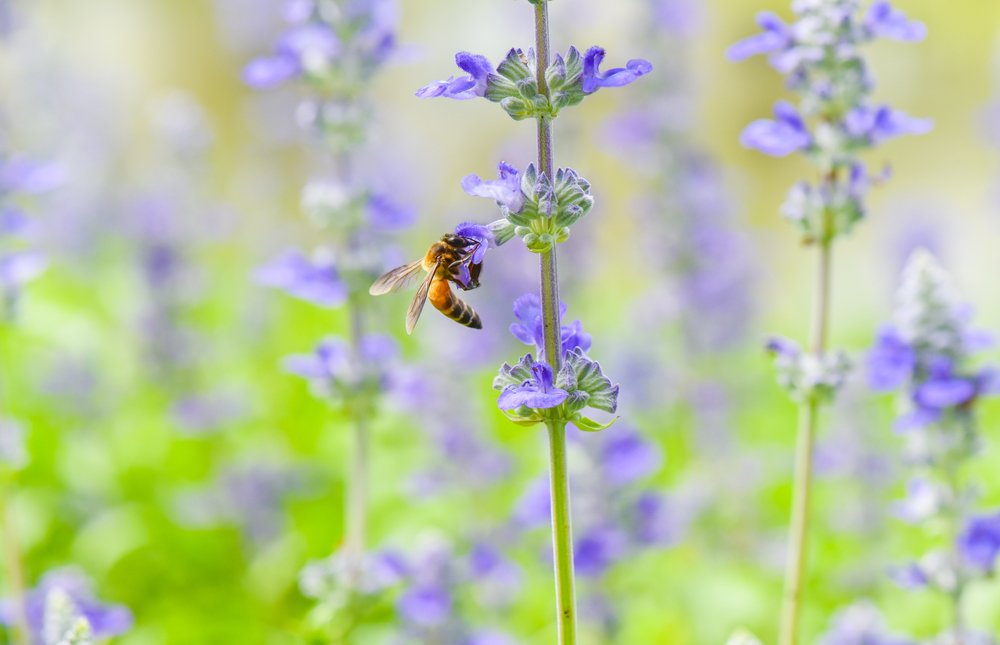
Tubular flowers serve bees, hummingbirds, and other visitors, but flower structure, bloom season, nectar value, and local adaptation differ. A mixed planting that spans spring through frost is more useful than a single dramatic week.
Avoid routine insecticide use on blooming plants. If a pest requires action, identify it and choose timing and treatment that reduce pollinator exposure.
For a native planting, choose species appropriate to the local region rather than treating every Salvia as ecologically interchangeable.
Save seed only when the genetics and timing are clear
- Allow selected flower spikes to mature and dry.
- Collect before seed shatters in wind or rain.
- Dry further in a ventilated place.
- Separate seed from chaff and label the species and cultivar.
- Record nearby salvias and whether the line is open-pollinated or hybrid.
Crossing can occur among compatible salvias, and hybrid offspring may vary. Seed saving is still useful when the gardener records what was grown and accepts that not every ornamental line remains uniform.
Troubleshoot the plant you actually have
| Symptom | First question | Likely direction |
|---|---|---|
| Perennial disappears after winter | Was the crown wet? | Improve drainage and confirm hardiness |
| Seedlings stretch | Is light strong and close? | Increase light and reduce crowding |
| Few flowers, much foliage | Is nitrogen or shade excessive? | Reduce feeding and improve sun |
| Leaves scorch after planting | Was the plant hardened? | Provide temporary shade and steady water |
| Plant outgrows its space | Was mature size identified? | Move, divide, or choose a smaller species |
Plan for regional winters and summers
In the coastal plain, tender salvias may flower for a long season but still need winter protection. Piedmont clay challenges culinary sage more than summer heat does. Mountain gardens may favor hardy perennials but need an earlier indoor start for tender annuals.
The right salvia can be remarkably durable. The wrong salvia in the wrong moisture regime can be gone before the label fades.
Questions gardeners ask
Are salvia and sage the same?
Sage is a common name used for many Salvia species, but not every salvia is culinary sage.
Do salvia seeds need cold stratification?
Some perennial or native species may benefit, while many annual bedding types do not. Follow the species.
Can I eat ornamental salvia?
Do not assume so. Use only a correctly identified edible species such as culinary sage with a known treatment history.
Should I deadhead salvia?
Deadheading can extend bloom and prevent unwanted seedlings, but vigorous types may continue flowering without constant removal.
Why did my sage rot in winter?
Wet soil around the crown is a common cause. Improve drainage and avoid heavy mulch against woody stems.