A garden full of insects is not a garden out of control. It is a working system. Some insects chew leaves, some move pollen, some hunt the chewers, and some lay a single egg inside a pest that will never finish its life cycle.
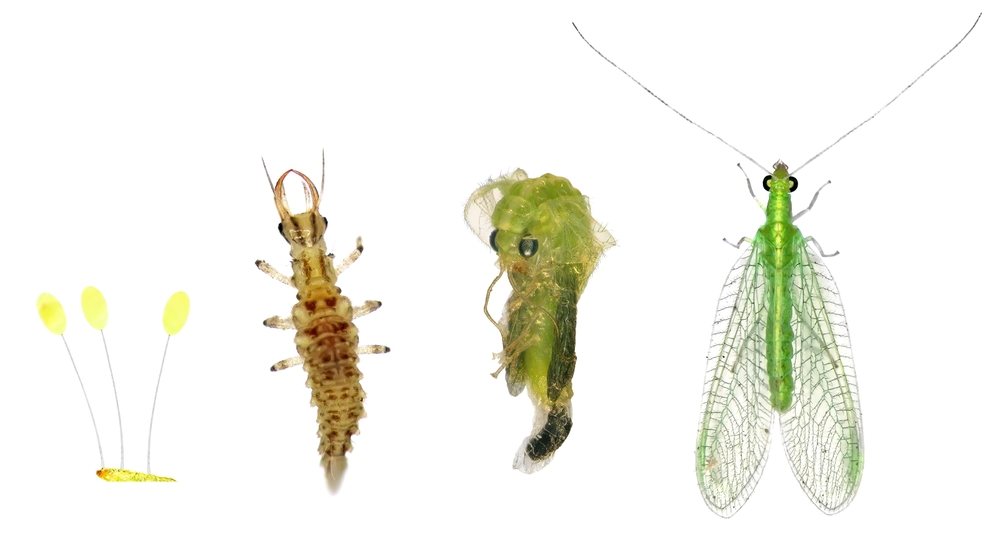
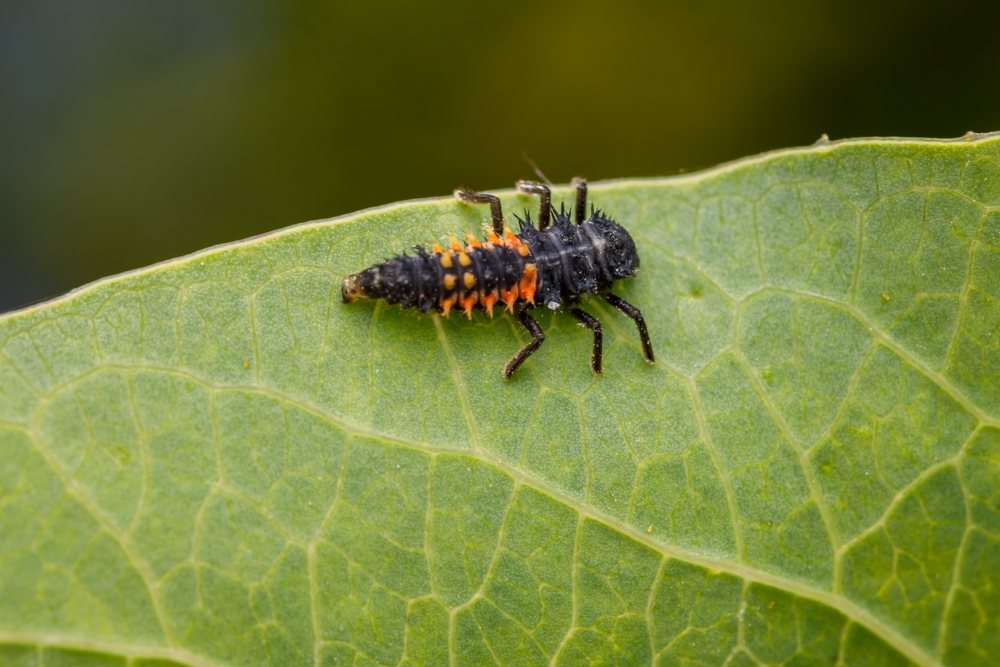
The problem is that the helpful stages are often the least familiar. A lady beetle larva looks nothing like the red adult. A hoverfly larva can be mistaken for a small caterpillar. Lacewing larvae look armored and restless. The gardener who learns those forms stops killing the help.
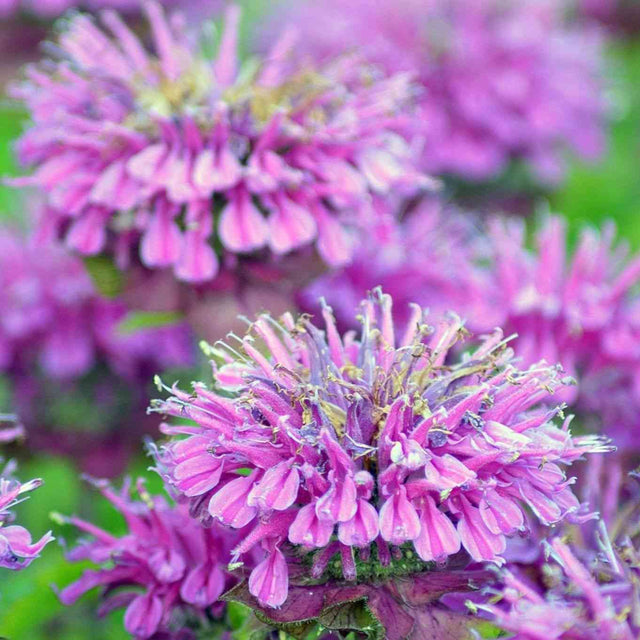
Beneficial insects stay where there is prey, nectar, pollen, water, shelter, and fewer broad-spectrum sprays. One decorative flower does not make habitat. A season-long sequence of small, accessible blooms does.
What beneficial insects actually means
Beneficial insects include predators that eat pests, parasitoids whose young develop in or on a host, pollinators, and decomposers. The same species may perform more than one role during its life.
The goal is not to buy a jar of insects and hope. It is to make the garden a place where resident species can find food and survive ordinary management.
- Predators consume many prey during their lives.
- Parasitoids usually specialize more narrowly.
- Adults and larvae may eat completely different foods.
Separate the terms that are often confused
A familiar adult can hide an unfamiliar juvenile form. Learn the whole life cycle before deciding that an insect is a pest.
Also separate “beneficial” from “harmless.” A pollinator may not control aphids, and a predator may not pollinate, but both have a place in the system.
| Term | Practical meaning | What it does not guarantee |
|---|---|---|
| Lady beetle | Adult and larva eat aphids and other soft-bodied prey | Every beetle in the garden is a lady beetle |
| Green lacewing | Larvae hunt aphids, mites, and small insects; adults often feed on nectar or honeydew | The delicate adult is the main hunting stage |
| Hoverfly | Larvae of many species eat aphids; adults visit flowers | All fly larvae are plant pests |
| Parasitoid wasp | Develops in or on a specific host and can suppress pest populations | A tiny wasp near a plant is dangerous to people |
Put the information to work
Begin by scouting flowers and pest colonies before spraying.
- Photograph unfamiliar larvae from several angles.
- Leave some small-flowered herbs and annuals to bloom.
- Provide shallow water without creating mosquito habitat.
- Use targeted controls only where crop loss justifies them.
Avoid the shortcuts that create bad decisions
Broad-spectrum insecticides remove predators faster than many gardeners realize. Repeated spraying can turn a manageable aphid problem into a cycle of rebound outbreaks.
Imported beneficial insects also fail when there is no prey or habitat to keep them in place.
- Do not assume a larva is harmful because it looks fierce.
- Do not confuse paper wasps at a nest with tiny parasitoids on a crop.
- Do not buy insects before correcting the habitat problem.
Account for place, season, and crop
In eastern North Carolina and Virginia, long warm seasons can support several generations of predators and pests. Flowering herbs, yarrow, mountain mint, asters, goldenrods, and other regionally appropriate plants can extend resources through the season.
Avoid turning the garden into a permanent bloom with no crop discipline. Habitat should support production, not smother it.
Keep the claim tied to evidence
Keep notes on what appears before and after a pest surge. Aphid mummies, hollow skins, lacewing eggs on stalks, and empty caterpillar cases are evidence that natural control is active.
Photographs are useful because beneficial insects change rapidly between stages.
A seed company sees the same lesson in every crop: diversity is not decoration. It is insurance against a single failure moving through the whole system.
Put this guide to work in a real garden
Build the planting around function rather than a single bloom photograph. With beneficial insects, note the species, seed source, mature height, bloom period, host relationships, and whether the plant fits the moisture and light already present. A native plant placed in the wrong site is still a plant in the wrong site.
Plan for a sequence of resources. Early, middle, and late flowers support more insects than one brief peak. Leave some stems, seed heads, bare ground, leaf litter, and undisturbed corners where they are appropriate and safe. Habitat is the space between maintenance decisions.
Watch which insects actually use the planting. A photograph of one visitor is encouraging, but repeated observation across the season tells you whether the garden provides nectar, pollen, host foliage, shelter, and overwintering structure.
- Confirm the botanical name and regional status.
- Match species to sun, moisture, and mature size.
- Add plants that extend bloom before and after the main species.
- Avoid routine spraying on open flowers.
- Record insects, bloom dates, spread, and winter survival.
Use a 30-day checkpoint instead of guesswork
Planting week
Mark every species and source. Photograph the prepared site so later weed pressure can be compared honestly.
First month
Prioritize root establishment and weed control. Do not expect the planting to look mature.
First bloom
Record which insects visit and at what time of day. Note the neighboring plants blooming before and after.
End of season
Decide what to leave standing, what to divide, and what must be prevented from reseeding beyond the intended area.
A plant can be native to a continent and still be poorly suited to a county, soil, or restoration goal. Confirm regional status, source, and site requirements before using a garden article as a habitat prescription.
Keep a one-season record
The record does not need to be elaborate. A notebook page, spreadsheet row, or labeled photograph is enough when it captures the variables that matter.
- Species and seed source
- First and last bloom
- Pollinators or beneficial insects observed
- Spread, reseeding, and competition
- Winter survival and spring return
Write enough that another grower—or you, one year later—could understand what was planted, what happened, and why the next decision changed.
Questions gardeners ask
Are ladybugs and lady beetles the same thing?
Yes. Lady beetle is the more precise common name because they are beetles, not true bugs.
Will purchased lady beetles stay in my garden?
Many disperse quickly, especially when prey and water are limited. Habitat and resident populations are usually more dependable than a one-time release.
Are wasps beneficial?
Many are. Predatory and parasitoid wasps suppress caterpillars, aphids, beetle larvae, and other pests, though social wasp nests near people require separate safety decisions.
What flowers help beneficial insects?
Small, accessible flowers are especially useful: yarrow, dill, cilantro, alyssum, mountain mint, asters, and similar plants that bloom in succession.
How can I tell a hoverfly from a bee?
Hoverflies have one pair of wings and often hover in place. Bees have two pairs, though the second pair can be difficult to see.
A garden is safer when the gardener can recognize its allies. Learn the larvae, leave room for flowers, and let the smallest workers prove their value before reaching for a bottle.