
Heirloom is a word with soil under its nails and marketing dust on its coat. At its best, it describes a named variety carried through time because people valued its flavor, adaptation, beauty, use, or story. At its weakest, it is printed on a packet with no explanation at all.
The word should invite questions: Who maintained it? How long has it circulated? Is it open-pollinated? What history can be documented, and what part is only repeated?
A variety can be old without being Native, Native without being commercially old, open-pollinated without being heirloom, and heirloom without being organically produced. Those distinctions protect the seed and the people connected to it.
What heirloom seed actually means
There is no single federal age definition for “heirloom.” In common seed use, the term usually refers to a named variety with a history of cultivation and seed-to-seed continuity over generations.
Most heirlooms are open-pollinated, meaning they can reproduce with relative consistency when isolation and selection are appropriate. Not every open-pollinated variety is old enough or historically grounded to be called heirloom.
- Family heirlooms may be maintained privately.
- Commercial heirlooms may have circulated through catalogs.
- Community varieties may carry cultural history that should not be stripped into a sales story.
Separate the terms that are often confused
Organic describes a production standard, not age. Hybrid describes a breeding method, not quality. Native describes geographic and ecological origin, not catalog history.
“Ancestral” and tribal names require particular care. Documentation, permissions, community relationships, and accurate attribution matter.
| Term | Practical meaning | What it does not guarantee |
|---|---|---|
| Heirloom | Named variety with meaningful historical continuity | Organic certification or Native origin |
| Open-pollinated | Population that can reproduce with relative consistency under managed pollination | A specific age or history |
| Hybrid F1 | First-generation cross produced from selected parents | Genetic engineering or poor flavor |
| Organic seed | Seed produced under certified organic standards | Heirloom status |
| Native seed | Plant native to a defined region | A vegetable variety maintained by a particular people |
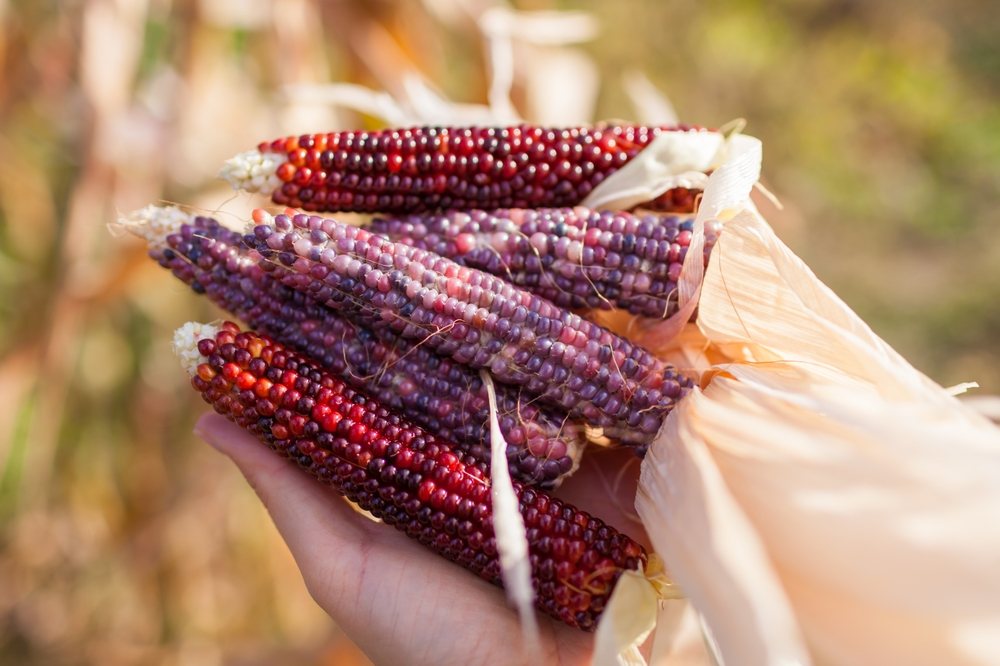
Put the information to work
Ask for the variety name, species, source, and available history.
- Distinguish documented facts from family or catalog tradition.
- Save seed with adequate population and isolation.
- Keep lot and source records.
- Credit communities and growers without claiming ownership of stories that are not yours.
Avoid the shortcuts that create bad decisions
The word becomes empty when every open-pollinated seed is marketed as heirloom. It becomes harmful when culturally significant seed is renamed, romanticized, or detached from the people who kept it.
Another shortcut is assuming old varieties are automatically better in every climate.
- Do not treat folklore as verified provenance.
- Do not call a modern stabilized variety heirloom simply because it is open-pollinated.
- Do not equate genetic diversity with lack of selection.
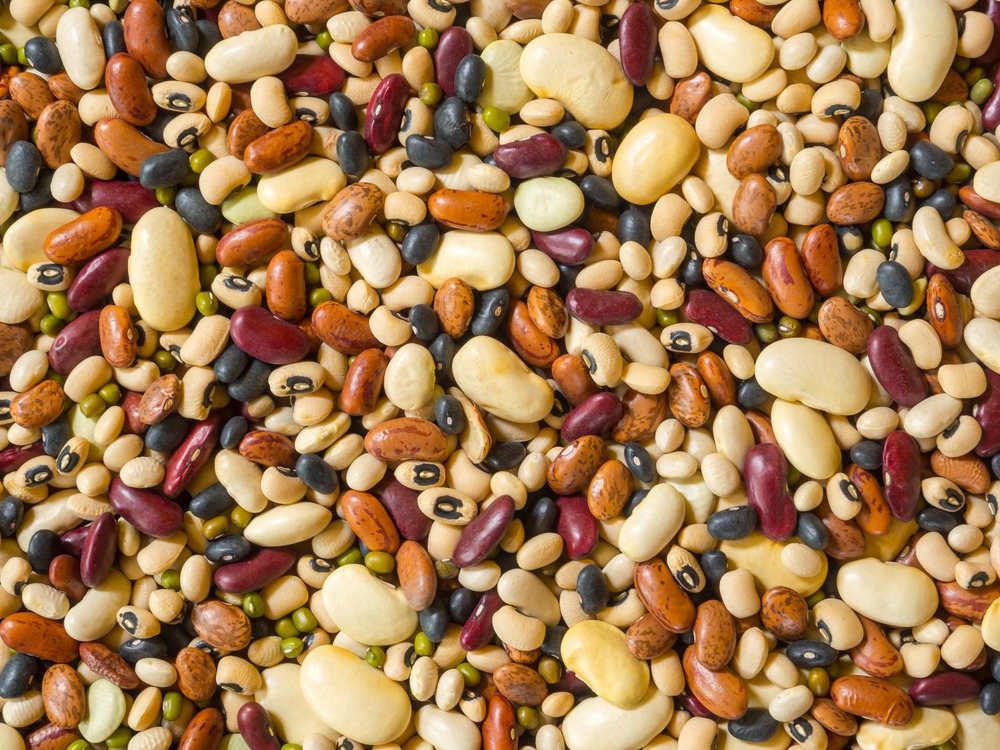
Account for place, season, and crop
Heirlooms can be locally adapted, but adaptation follows the history of where and how they were maintained. A variety from a dry interior climate may still struggle in humid eastern North Carolina.
Trial the seed in your conditions and keep selection notes rather than expecting age to override environment.
Keep the claim tied to evidence
Preserve original names, source records, dates, descriptions, photographs, and grow-out notes. When histories conflict, record the conflict instead of choosing the most attractive version.
A catalog should be a place where evidence gets clearer, not where uncertainty is polished into certainty.
Seed history is stewardship. The story deserves the same care as the germination test.
Put this guide to work in a real garden
Treat What Makes a Seed Heirloom? History, Open Pollination, and What We Carry as a variety record, not merely a harvest note. Keep the original source, lot, stated history, plant population, isolation method, and the traits you observed. A seed name is useful only when the crop grown under that name remains traceable.
Select from healthy plants that represent the intended variety, but do not narrow the population so severely that vigor and diversity are lost. Remove obvious off-types before flowering when purity matters, and keep disease or accidental crosses out of the seed lot.
Dry, clean, label, and store the seed as carefully as it was grown. The label should survive longer than memory: crop, variety, year, location, parent population, isolation, and any uncertainty that the next grower deserves to know.
- Record the original seed source and lot.
- Map neighboring compatible varieties.
- Mark representative healthy plants before harvest.
- Dry and clean seed to a stable condition.
- Label the lot with facts and uncertainties.
Use a 30-day checkpoint instead of guesswork
Before flowering
Confirm variety identity, neighboring compatible crops, and the minimum population you can maintain.
During flowering
Watch pollination and remove off-types before they contribute pollen when purity matters.
At seed maturity
Harvest from healthy representative plants and keep lots separate through drying and cleaning.
Before storage
Label, test, and record uncertainty. A beautiful seed lot without provenance is harder to steward well.
Historical claims and cultural associations require documentation and community context. This guide can explain categories and methods, but it should not be used to assign ownership, ancestry, or sacred status without evidence and permission.
Keep a one-season record
The record does not need to be elaborate. A notebook page, spreadsheet row, or labeled photograph is enough when it captures the variables that matter.
- Variety name and source
- Population size and isolation
- Off-types or disease removed
- Harvest and cleaning date
- Germination test and storage location
Write enough that another grower—or you, one year later—could understand what was planted, what happened, and why the next decision changed.
Questions gardeners ask
How old must a seed variety be to be heirloom?
There is no universal legal age. Some use fifty years as a guideline, but documented continuity and context are more meaningful than one cutoff.
Are all heirloom seeds open-pollinated?
Most are, because seed-to-seed continuity depends on reproduction, but the terms are not exact synonyms.
Are heirloom seeds non-GMO?
Heirloom varieties are not genetically engineered. However, “non-GMO” is not the definition of heirloom.
Can I save seed from heirloom plants?
Usually yes, if the crop is open-pollinated and you manage isolation, population size, selection, and harvest correctly.
Are heirlooms always better than hybrids?
No. Heirlooms may offer history, flavor, and diversity; hybrids may offer uniformity, disease resistance, or yield. The right choice depends on the goal.
An heirloom is not old because a label says so. It is old because people kept choosing it, growing it, naming it, and carrying it forward. The packet should honor that work with facts.


