
Seed-starting decision guide
Some crops resent transplanting. Others need a head start. A few will tolerate either method, which means the right choice depends on the calendar, the soil, and how much indoor light you can honestly provide.
Starting everything indoors creates work without always creating advantage. Direct sowing everything can waste the short cool windows that make brassicas, onions, and long-season fruiting crops possible. A sound plan separates crops by biology rather than by habit.
This guide gives a practical crop-by-crop framework for vegetables, herbs, and flowers, with special attention to the humid Mid-Atlantic and Upper South where spring can move from cold mud to summer heat in a hurry.
A seedling is not automatically ahead because it is taller. The only lead that matters is the one it still has after hardening, transplanting, and the first rough week outdoors.
Begin with the crop, not the equipment
| Crop group | Usually best | Why |
|---|---|---|
| Carrots, parsnips, radishes | Direct sow | Taproots are easily forked or checked by transplanting |
| Beans, peas, corn | Direct sow | Large seeds establish quickly in suitable soil and roots dislike delay |
| Tomatoes, peppers, eggplant | Start indoors | Long warm season and slow early growth reward a protected head start |
| Broccoli, cabbage, kale | Either, often transplants | Transplants help capture a short cool season; direct sowing works when timing is favorable |
| Cucumbers, squash, melons | Direct sow or very young transplants | Fast growth and sensitive roots make old transplants a liability |
| Lettuce, onions, many herbs | Either | Method depends on season, spacing, and whether steady succession is needed |
The table is a starting point. A crop that is easy to transplant can still perform better direct sown when indoor light is weak or transplanting weather is poor.
Use indoor sowing to buy time, not to collect trays
- Count backward from the intended transplant date.
- Use a clean, well-drained seed-starting mix.
- Provide strong light as soon as seedlings emerge.
- Thin or pot up before roots become congested.
- Harden gradually for sun, wind, and outdoor temperature.
Old, root-bound transplants often lose the very advantage they were meant to provide. Cucurbits should move young. Tomatoes can tolerate more handling, but they still need adequate light and root space.
The indoor calendar must end in real outdoor conditions. If the bed is waterlogged, the nights are too cold, or irrigation is not ready, sowing earlier indoors only moves the bottleneck.
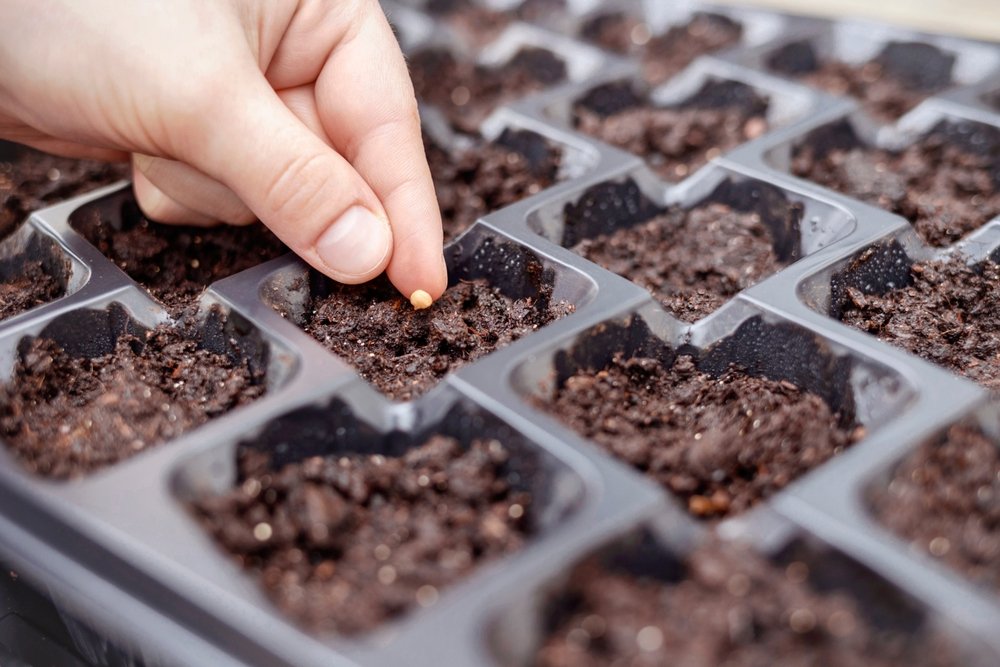
Direct sow into a seedbed that can carry the crop
Direct sowing succeeds when the seedbed is firm, fine enough for the seed size, and kept evenly moist through emergence. Large seed can bridge small imperfections. Tiny seed cannot.
- Sow carrots and lettuce shallowly and prevent surface crusting.
- Wait for warm soil before beans, corn, okra, and cucurbits.
- Use row cover or light shade when heat threatens cool-season germination.
- Mark slow rows so weeds are not mistaken for the crop.
- Thin early rather than letting seedlings compete until they are weak.
A bean seed in cold wet soil is not early. It is endangered. A lettuce seed on a hot dry surface is not late. It is waiting for conditions that may never arrive without help.
Protect the transplant advantage at planting time
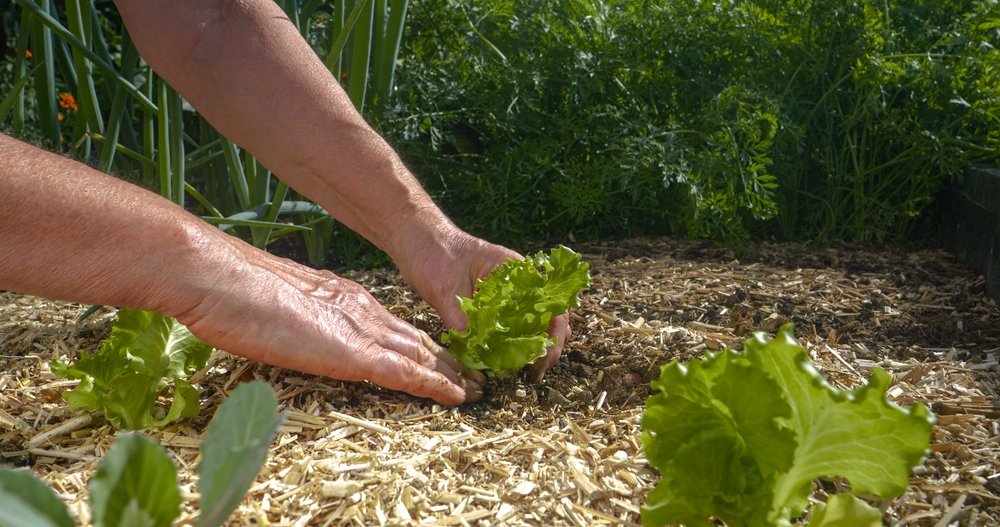
Water seedlings before planting and set them into soil that has been prepared, not merely opened. Keep the root ball intact unless the crop tolerates disturbance. Firm the soil gently and water the root zone immediately.
For a few days, protect tender transplants from hard wind and intense afternoon sun. Temporary shade is not weakness. It is a bridge. Remove it as plants recover so stems and leaves adapt to the real site.
Set plants at the correct depth. Tomatoes can often be planted deeper along a clean stem. Most other crops should remain near the original soil line.
Build a crop-by-crop schedule instead of one sowing day
| When | Direct sow | Start or maintain indoors |
|---|---|---|
| Late winter to early spring | Peas, spinach, radish where soil is workable | Onions, brassicas, tomatoes, peppers |
| After soil begins warming | Carrots, beets, lettuce, herbs | Harden brassicas and later tomatoes |
| After frost and warm soil | Beans, corn, squash, cucumbers, okra | Transplant tomatoes, peppers, eggplant |
| Late summer | Carrots, beets, greens under moisture management | Start fall brassicas in protected trays |
The better calendar is staggered. It keeps every tray and bed from demanding attention on the same weekend and gives the gardener another chance when one weather window fails.
Troubleshoot the method before blaming the seed
| What happened | Likely cause | Better next move |
|---|---|---|
| Indoor seedlings are tall and pale | Insufficient light or crowding | Increase light, reduce heat, thin earlier |
| Transplants stall after planting | Root binding, cold soil, poor hardening | Plant younger, harden longer, wait for suitable soil |
| Direct-sown row is patchy | Uneven depth, crusting, moisture loss, pests | Firm the seedbed, water gently, protect the row |
| Seed rots before emergence | Cold wet soil or excess irrigation | Wait for warmth and improve drainage |
| Cucurbit transplant collapses | Root disturbance or over-aged plant | Direct sow or transplant at a younger stage |
A germination test can separate seed viability from field conditions. Keep the lot label, record the sowing date, and compare a controlled sample before deciding that the seed itself failed.
Adapt the choice to Mid-Atlantic weather
Coastal and Piedmont gardens often have long warm seasons but abrupt spring heat. Mountain gardens may need more indoor time for tomatoes and peppers, while also having a narrower window for direct-sown warm crops.
In late summer, the logic reverses. Fall brassicas may be started in trays because the outdoor soil is too hot and dry for dependable establishment. Carrots and beets must still be sown where they will grow, so shade, moisture, and careful timing matter more than convenience.
Questions gardeners ask
Should I start beans indoors?
Usually no. Direct sow beans into warm soil. Very short-season or protected situations may justify young plugs, but roots should not become crowded.
Can carrots be transplanted?
They can be moved when extremely young, but transplanting commonly forks or checks the root. Direct sowing is the dependable method.
Why do store-bought transplants sometimes fail?
They may be old, root-bound, poorly hardened, or planted into unsuitable soil and weather.
Do all flowers need indoor starting?
No. Poppies, larkspur, many sunflowers, and other species often direct sow well. Slow or tender flowers may benefit from indoor starting.
How do I know when seedlings are ready?
They should be compact, rooted but not pot-bound, actively growing, and gradually hardened to outdoor conditions.


