A garden does not care what the map promised. It answers to soil, weather, and time.
A seed company teaches you to distrust a clean number. Every packet has one. Every forecast has several. Every map draws a line and asks the land to obey it. The land rarely does.
When I plan a planting, I do not begin with the zone printed beside a ZIP code. I begin with the crop, the soil beneath it, the cold air that settles after dark, and the number of honest days the season is likely to give me. A hardiness zone can tell me something useful about winter. It cannot tell me whether a tomato transplant will sulk in cold ground, whether a low corner will frost before the porch, or whether August heat will stop lettuce from germinating.
The temptation is to ask for one answer: the date. Experienced gardeners learn to ask for a margin instead. A planting window is not a gate that opens and closes. It is a range of risk. The wider the margin, the less the crop depends on luck.
This guide separates hardiness zones, frost dates, soil temperature, maturity, and microclimate so you can use each tool for the job it was built to do—and stop asking one number to carry the weight of an entire season.
Two gardens can share a ZIP code and live in different seasons. One sits above the road and catches morning sun. The other lies behind a shed where cold air settles and the soil stays wet. The map calls them the same place. The seedlings know better.
The map is not the season
Each planning tool answers a different question. Problems begin when one tool is asked to answer all of them.
| Planning tool | What it describes | Best use | What it cannot promise |
|---|---|---|---|
| USDA hardiness zone | Average annual extreme minimum winter temperature | Comparing perennial survival and winter hardiness | Last frost, summer heat, rainfall, or annual-crop timing |
| Average last spring frost | Historical midpoint for the last freeze in spring | Estimating when frost-tender plants may move outdoors | The weather in a particular year |
| Average first fall frost | Historical midpoint for the first freeze in fall | Estimating remaining season and late planting risk | A guaranteed harvest deadline |
| Soil temperature | Temperature in the seed or root zone | Germination, transplant comfort, and root activity | Future weather or moisture |
| Days to maturity | A variety-specific estimate under stated conditions | Comparing crop speed and seasonal fit | A universal countdown from any starting point |
A tomato packet may count maturity from transplant while a radish usually counts from direct sowing. That difference alone can change a planting decision by several weeks.
Read the place before you read the date
Before changing a planting date, gather information from the place where the crop will actually grow.
- Record your elevation, slope, and whether cold air settles in the site.
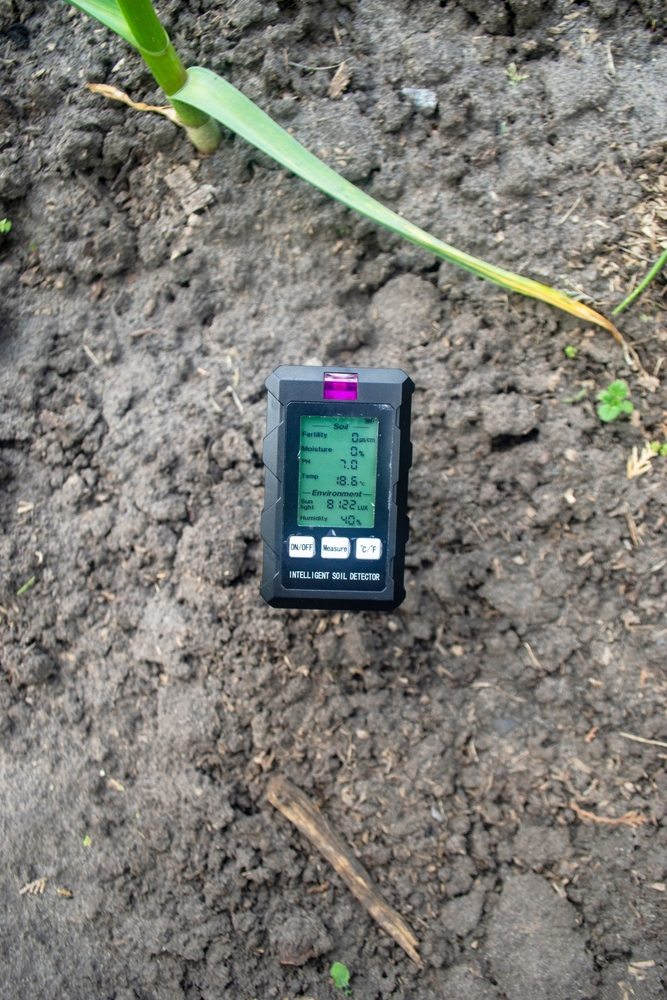
- Measure direct sunlight rather than estimating it from brightness.
- Take soil temperature at planting depth in the morning for several days.
- Note irrigation access and how quickly the soil dries after rain.
- Use a local weather station or Extension source for frost normals, then compare with your own records.
- Read whether maturity is counted from sowing, transplanting, or flowering.
Use regional averages to begin, then let your own records take over. Write down the last spring frost that actually touched your garden, the first fall frost, the soil temperature when a sowing succeeded, and the dates when harvest began. After a few seasons, you will no longer be borrowing somebody else’s calendar. You will have built one from the ground beneath your own feet.
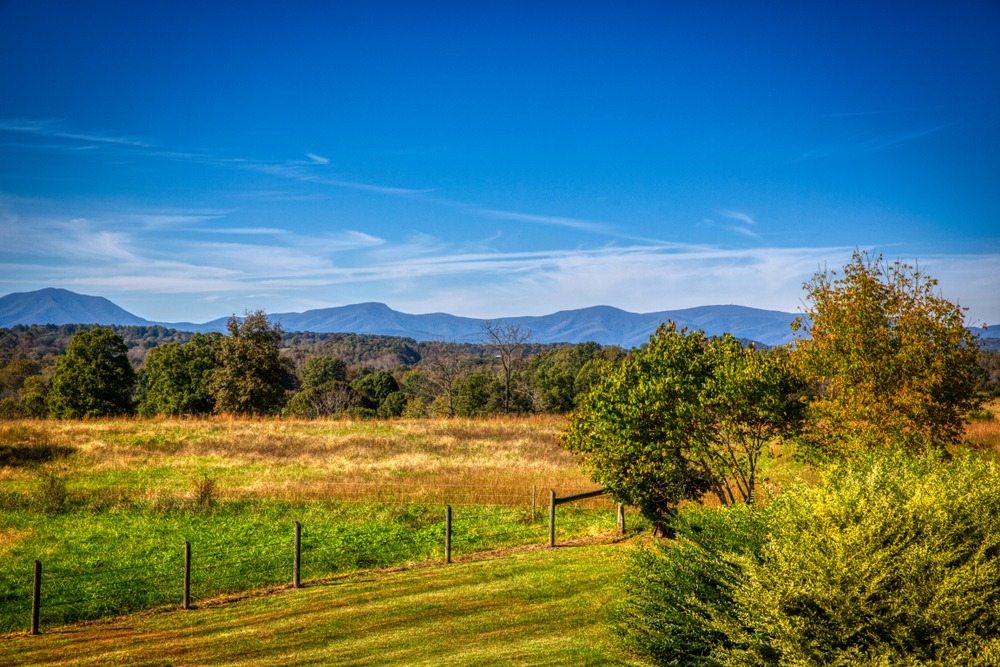
A coastal North Carolina garden, a Piedmont garden, and a mountain garden may share a hardiness-zone number while reaching spring warmth on very different schedules. Virginia carries the same lesson from Tidewater to the Blue Ridge. The map is a clue; the site is the decision.
Build a planting window with room for weather
A planting window is a range with room for uncertainty. I build it in layers.
- Choose the crop and variety, then identify whether maturity begins at sowing or transplanting.
- Find local average frost dates and treat them as centers of risk, not hard walls.
- Check the crop’s temperature needs for germination and establishment.
- Subtract time for indoor seed starting, transplant recovery, or slow early growth.
- Add a buffer for heat, cold, drought, pest pressure, or slower-than-listed maturity.
- Decide whether protection—row cover, cloche, greenhouse, mulch, or shade—actually changes the conditions.
- Record the real planting and harvest dates so next year’s plan is based on your garden.
A useful plan leaves choices open. “What can I still plant now?” should never be interpreted as “These are the only crops that can ever grow here.”
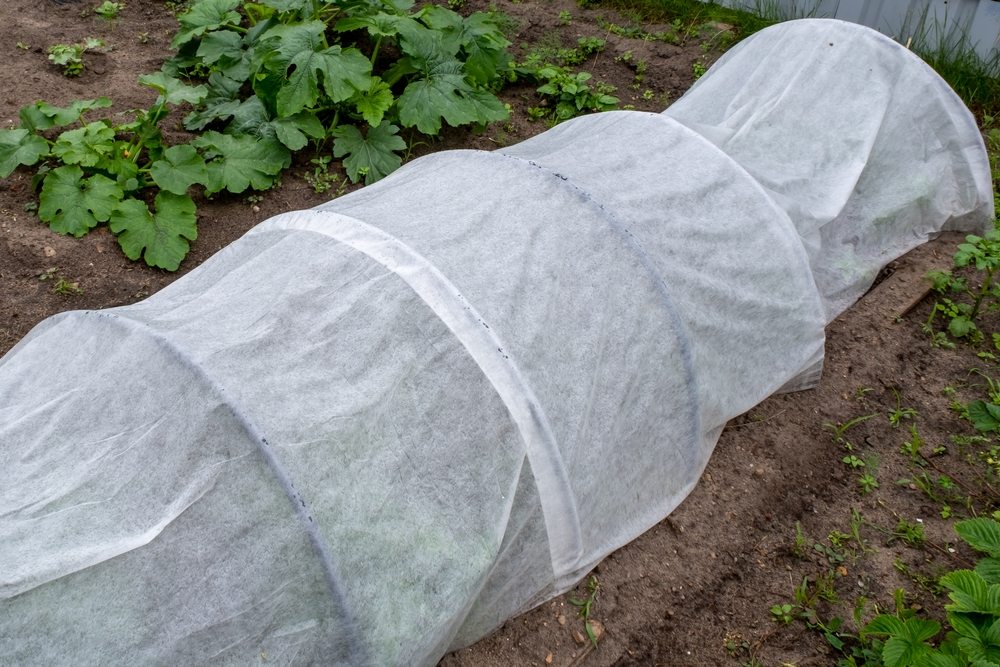
I leave room for the season to misbehave. That is not pessimism; it is respect. Germination can run late. A transplant can lose a week after a cold night. Clouds can slow maturity. A gardener who leaves no buffer has made weather a business partner—and weather is a poor one.
Match the plan to the crop
Different crop groups respond to temperature and season in different ways.
| Crop group | What drives timing | Common planning mistake |
|---|---|---|
| Cool-season direct-sown crops | Cool soil, shortening or lengthening days, and heat avoidance | Waiting until the air is warm enough for tomatoes |
| Warm-season direct-sown crops | Warm soil, frost-free conditions, and enough remaining season | Planting into cold wet soil because the frost date passed |
| Warm-season transplants | Night temperature, root-zone warmth, hardening off, and maturity from transplant | Counting only packet maturity and forgetting indoor time |
| Fall transplants | Starting seedlings during summer heat and establishing before short days | Waiting for cool weather before sowing the transplants |
| Perennials | Winter hardiness, dormancy, establishment, and drainage | Using a last-frost date as the only site test |
Planning becomes easier when the crop—not the calendar—is the unit of decision.
Common mistakes and why they happen
Most timing errors are not caused by laziness. They come from using an accurate number for the wrong purpose.
| Mistake | Why it causes trouble | Better approach |
|---|---|---|
| Using the hardiness zone as a planting calendar | Zones summarize winter lows, not spring frost or soil warmth | Use local frost normals and crop-specific temperature needs |
| Planting on the average frost date | An average means many years were earlier and many were later | Watch the forecast and keep protection available |
| Trusting air temperature only | Roots and seeds experience soil conditions | Measure the root zone |
| Using days to maturity as a guarantee | Heat, cold, water, fertility, and transplant stress change development | Add a practical buffer and keep records |
| Treating every part of a ZIP code alike | Microclimates can shift timing | Observe the actual site |
Turn one season into knowledge for the next
Your own garden record becomes more valuable every year.
- Last damaging spring frost at your site
- First damaging fall frost
- Soil temperature at successful sowing
- Planting and transplant dates
- First harvest and final useful harvest
- Weather protection used
- Variety name and maturity basis
- Unexpected heat, cold, flooding, or drought
A regional chart gets you into the right neighborhood. Your records tell you which door is yours.
A planning example: turning three dates into one useful decision
Suppose the last spring frost is usually around April 10, the first fall frost is usually around November 5, and a packet lists 75 days to maturity. I do not simply count 75 days backward from November 5 and call the answer safe. I leave time for germination, transplant recovery, slower growth during cloudy or cool periods, and the possibility that the season will not behave like the average.
- Mark the average frost dates as planning reference points, not promises.
- Identify whether the maturity number begins at sowing or transplanting.
- Add the crop’s germination and seedling period when maturity is counted from transplant.
- Reserve a weather buffer instead of using every theoretical frost-free day.
- Adjust for a warm wall, low frost pocket, windy hill, shaded bed, or other microclimate.
- Plan a second option: season extension, an earlier variety, or a different crop if the window is tight.
This same method works in reverse for cool-season crops. Instead of asking only whether frost is coming, ask whether the crop can establish before deep cold or mature before heat and long days change its quality.
I keep frost dates, sowing dates, and actual weather in the same notebook. After a few seasons, my own garden record becomes more useful than a generalized zone label because it captures the places where cold settles, where soil warms first, and where summer heat arrives early.
Questions gardeners ask
Is my USDA zone the same as my growing zone?
The phrase “growing zone” is often used informally for a USDA hardiness zone, but the map is specifically based on average annual extreme minimum winter temperature. It is not a complete annual growing-season classification.
Can I plant frost-tender crops on the average last-frost date?
You can, but the date is an average rather than a guarantee. Check the forecast, soil temperature, plant hardiness, and your ability to protect the crop.
How much buffer should I add to days to maturity?
There is no universal number. A week or two may be reasonable for a fast annual under good conditions, while a long-season crop, fall planting, or stressed site may need more.
Why is my garden colder than the nearby weather station?
Cold air drainage, low elevation, open exposure, rural radiational cooling, and distance from pavement can create a colder microclimate.
Does a warmer zone mean I can grow every warm-season crop?
No. Day length, summer heat, humidity, rainfall, disease pressure, and total season length still matter.
Should I use ZIP-code planting calculators?
Use them as broad guidance, then verify the crop’s needs and your local conditions. A good calculator should explain its assumptions and should not imply that its shortlist is the only option.
This guide is meant to help gardeners interpret planning tools, not replace a local forecast, a soil thermometer, or crop-specific instructions.