North Carolina can move from maritime wind to Piedmont clay to mountain frost in a few hours of driving. A date that works in Bertie County may be premature near Boone and already late in a warmer coastal bed. The state line does not organize the weather for us.
A good North Carolina planting calendar therefore begins by choosing the right region. After that, the gardener still has work to do. Calendars are regional evidence. Your field is the final witness.
This guide is written for vegetable, herb, flower, and native-seed decisions across the Coastal Plain, Piedmont, and mountains, with special attention to the second growing season that summer often hides from beginners.
Choose the eastern, central, or western calendar first. Then correct it for your own bed:
- Move earlier only when the soil is workable and the crop tolerates the conditions.
- Move later when elevation, cold air, or saturated soil makes the regional date unrealistic.
- For fall crops, count backward from frost and add time for heat-delayed germination and shorter days.
Choose the right North Carolina region first
| Region | Typical seasonal character | What commonly changes the date |
|---|---|---|
| Coastal Plain and northeast | Longer warm season, earlier spring warming, later fall frost | Wet soils, tropical rain, salt or wind exposure, hot nights, and low-lying frost pockets |
| Piedmont | Long growing season with useful spring and fall windows | Heavy clay, abrupt temperature swings, urban heat, slope, and drainage |
| Mountains and higher foothills | Cool nights and strong cool-season potential | Later soil warming, shorter frost-free season, elevation, aspect, and fast weather changes |
Use NC State Extension’s eastern, central, or western planting calendar as the base. A gardener in a warm coastal county should not copy a mountain schedule, and a mountain gardener should not be rushed by photographs from the coast.
The Mid-Atlantic planting guide explains the broader timing method. North Carolina adds its own pressure: humidity, long hot spells, storm rainfall, and a fall season that can be more productive than spring when it is started on time.
The calendar can name the county. It cannot feel the cold air settling behind your barn.
Plan spring in stages instead of one planting day
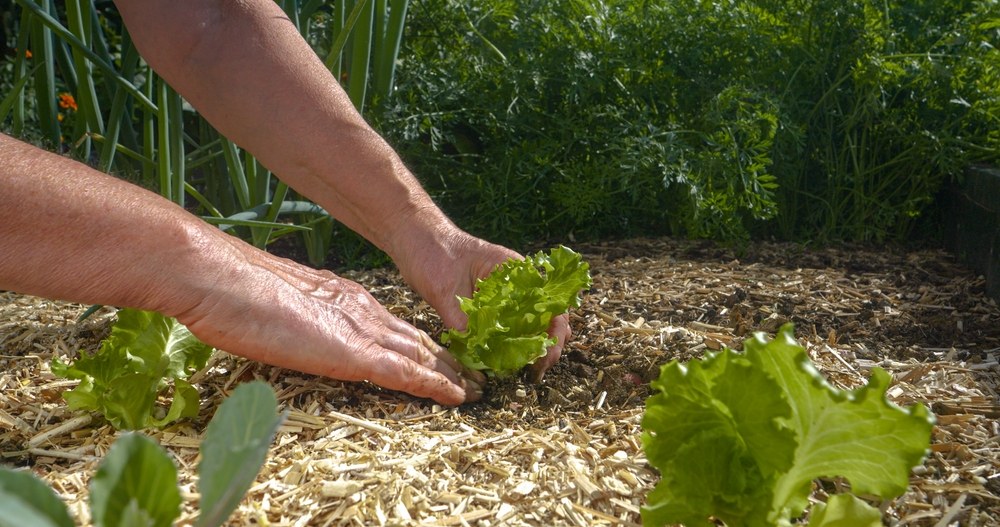
Spring should be planted in stages. Start with crops that tolerate cool soil and light frost, then move toward tender crops as both frost risk and soil temperature improve. Planting everything on the first bright weekend is an efficient way to make one weather event responsible for the whole garden.
| Stage | Crop examples | Decision point |
|---|---|---|
| Cool-soil opening | Peas, spinach, lettuce, radish, carrots, onions, kale, collards | Soil must be workable, not merely thawed or surface-dry |
| Moderate transition | Beets, chard, herbs, brassica transplants, hardy flowers | Watch for warm spells followed by hard freezes |
| Warm-soil planting | Beans, corn, cucumbers, squash, melons, basil, okra | Use soil warmth and forecast stability, not air temperature alone |
| Tender transplanting | Tomatoes, peppers, eggplant, selected flowers | Harden gradually; protect roots and leaves from wind and sun shock |
In eastern North Carolina, spring can arrive in fragments. A warm week may be followed by cold rain. In the mountains, the same crops may need a protected start and a later move outdoors. Use the seed-starting supplies collection where a head start has a clear purpose, not simply because indoor sowing feels industrious.
Keep a second sowing of fast crops in reserve. A row lost to crusting rain or a late freeze should be replaced quickly, not mourned for three weeks.
Manage heat, humidity, and summer succession
North Carolina summer does not merely add heat. It changes the speed at which water leaves the seed zone, raises night temperatures, and increases disease pressure in dense foliage. A crop may tolerate the daytime high and still struggle because the night never cools.
For summer success, sow into prepared moisture, cover at the correct depth, and keep the top layer consistently damp until emergence. Deep watering after the seedbed has dried does not reverse the hours when the germinating seed was without moisture.
Bush beans, cucumbers, summer squash, basil, and selected flowers can be succession-sown where the remaining season is long enough. The herb seed collection and flower seed collection are useful for choosing heat-season additions, but the variety description must still match the month.
Use North Carolina’s second growing season
North Carolina’s fall garden is not an afterthought. It is a second campaign, and it begins while summer is still on the field. Broccoli-family transplants may need to be started while tomatoes are producing. Carrots, beets, radishes, turnips, lettuce, kale, collards, and other cool-season crops must be timed before the comfortable weather arrives.
| Step | Question | Action |
|---|---|---|
| 1. Find the first-frost range | When does damaging cold usually arrive in this county and site? | Use local history, not a statewide average alone |
| 2. Read days to maturity | How long does the variety need under good conditions? | Treat the number as a planning estimate |
| 3. Add establishment time | Will heat slow germination or transplant recovery? | Add days rather than planting at the last mathematical moment |
| 4. Add a light cushion | Will shortening days slow the crop? | Move slow crops earlier and use faster varieties later |
| 5. Protect selectively | Which crop is valuable enough to cover? | Use row cover or low tunnels with ventilation and a purpose |
The fall garden collection brings the main crop groups together. For month-specific decisions, use the August planting guide.
By the time the air feels perfect for fall gardening, slow crops may already be late. August punishes wishful planting.
Respect soil texture, rainfall, and storm pressure
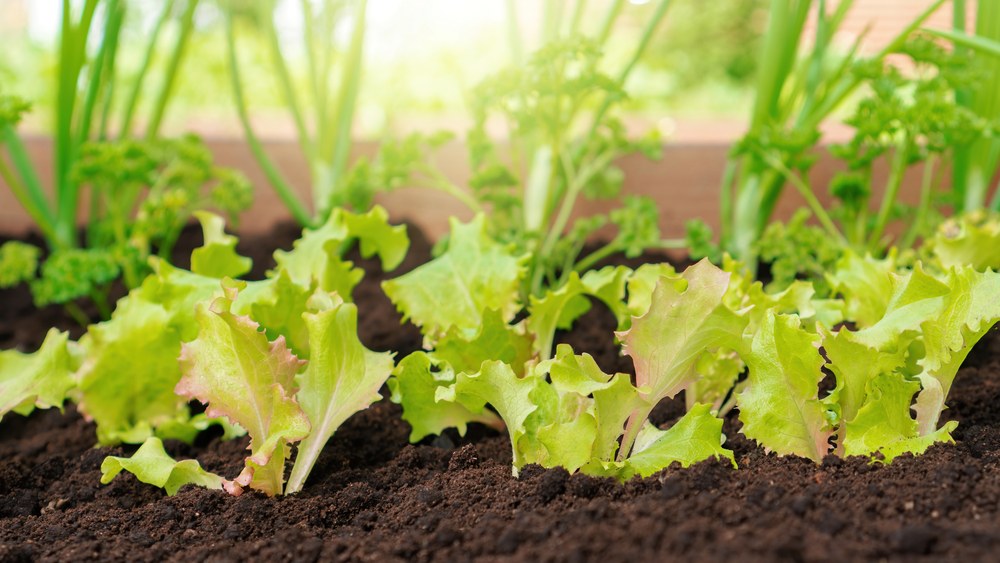
North Carolina soils range from coastal sands and organic lowland ground to Piedmont clay and mountain loam. The same rainfall means different things in each. Sand may drain quickly and require closer moisture management. Clay can appear dry on top while remaining airless below.
Do not work clay while it is plastic and wet. The damage can outlast the planting window. Improve structure over time with organic matter, roots, and careful traffic patterns rather than trying to repair the soil in one afternoon.
| What you observe | Likely risk | Better response |
|---|---|---|
| Water stands or the bed smears underfoot | Low oxygen and compaction | Wait, improve drainage, and avoid tilling wet soil |
| Surface dries within hours | Shallow seed zone may lose moisture | Use fine seedbed preparation, light mulch after emergence, and frequent checks |
| A hard crust forms after rain | Small seedlings may be trapped | Use gentle surface protection and reseed quickly if emergence fails |
| Beds remain lush but disease rises | Humidity and poor air movement | Increase spacing, water the root zone, and scout early |
Storm preparation is part of planting. Do not leave delicate flats where one downpour can flatten them or let a newly sown row become the drainage channel for the entire garden.
Place native and pollinator seeds honestly
North Carolina native plants are not one interchangeable group. Coastal species, Piedmont species, and mountain species can differ in moisture, soil, light, and life cycle. Confirm the botanical name and native range before treating a marketing label as ecological proof.
The North Carolina native seed collection is a practical starting place for habitat and pollinator plantings. Pair it with site observation: sun hours, drainage, competition, and whether the species needs fall sowing or cold-moist exposure.
Native annuals and biennials may disappear after one season and return from seed. That is not the same as a perennial root surviving underground. Mark the planting, allow mature seed where appropriate, and learn what return should look like.
Build a record for your county and your ground
County-level records are where regional guidance becomes a farm tool. Record the bed, not only the town. One high sandy bed and one low clay bed can behave like different counties during a wet spring.
- Sowing and transplant dates
- Emergence and first harvest
- Frost, flooding, heat, or storm events
- Variety performance and disease pressure
- Whether the date should move earlier, later, or remain the same
After several seasons, the record will tell you more than memory. Memory keeps the dramatic failure. Records also keep the quiet success.
Frequently asked questions
What planting zone is North Carolina?
North Carolina spans multiple USDA hardiness zones, but zones describe winter minimum temperature rather than exact annual vegetable planting dates. Use an eastern, central, or western planting calendar and local frost information.
When should I plant vegetable seeds in eastern North Carolina?
Use the eastern NC State Extension calendar as a starting range, then adjust for soil moisture, local frost history, and current weather. Coastal warmth can arrive early, but wet soil and cold rain still matter.
When should I start a fall garden in North Carolina?
Many fall crops must be started in midsummer or late summer, before comfortable fall weather arrives. Count backward from the local first frost and add time for heat and shortening days.
What grows well in North Carolina heat?
Okra, cowpeas, selected beans, sweet potatoes, basil, and heat-adapted flowers can perform well, but variety, water, soil, and nighttime temperature still determine success.
Should mountain gardeners follow the same dates as the Coastal Plain?
No. Mountain gardens usually warm later and frost earlier. They often need earlier fall sowing, later tender planting, and more deliberate use of transplants or protection.
A North Carolina calendar should narrow the decision. It should never replace the gardener.
A simple recordkeeping table
| Record | Why it matters |
|---|---|
| Soil temperature at sowing | Explains slow emergence better than air temperature alone. |
| Actual last and first frost | Builds a local range over time. |
| Rain or irrigation after planting | Separates moisture failure from seed-quality assumptions. |
| Emergence date and stand count | Shows whether the problem occurred before or after germination. |
| First and final harvest | Tests whether the crop and variety fit the available season. |