August looks like the end of the garden because summer has made everything tired. It is not the end. It is the narrow gate into fall, and it closes while most people are waiting for comfortable weather.
The central August mistake is planting according to how the air feels rather than how much season remains. The gardener waits for cool evenings, then discovers that the crop needed those hot weeks for establishment.
This guide is for the Mid-Atlantic and Upper South, including North Carolina and Virginia. It uses frost countdowns, crop speed, shade, moisture, and regional differences to build a fall garden without pretending that every August shares one date.
- Find the local first-frost range.
- Subtract the variety’s days to maturity.
- Add germination and transplant-recovery time.
- Add a cushion for shortening days and cooling soil.
- Move mountain and frost-pocket dates earlier.
- Choose only crops that can still finish or overwinter with purpose.
Use the first-frost countdown before choosing crops
Days to maturity are not a harvest appointment. They are a planning estimate, often measured under favorable conditions and sometimes counted from transplanting rather than sowing. August adds two forms of delay: hot soil can slow cool-season germination, and the crop later grows under shorter days.
| Step | Example question | Decision |
|---|---|---|
| First frost | When does this specific site usually receive damaging cold? | Use a local range and your own low spots, not a state average alone |
| Maturity | How many days does the variety normally need? | Read whether the count begins from sowing or transplant |
| Establishment | Will heat slow germination or transplant recovery? | Add time or start in protected conditions |
| Autumn light | Will growth slow before the crop finishes? | Move slower crops earlier |
| Protection | Can row cover or a low tunnel extend the useful window? | Count only protection you can actually manage |
A crop with a sixty-day label may need seventy-five or more calendar days in a difficult fall. The arithmetic should be conservative. Hope is not a season-extension tool.
Plant for the weather that is coming, not the weather standing over you.
Choose crops by speed and heat tolerance
| Crop group | August role | Timing caution |
|---|---|---|
| Radish and quick turnips | Fast direct-sown roots for repeated sowings | Very hot soil can reduce emergence; later sowings may be better in warm coastal sites |
| Lettuce and other tender greens | Fall harvest from transplants or carefully managed direct sowing | Heat can delay germination and make seedlings bitter or weak |
| Kale, collards, cabbage, broccoli, and related crops | Transplants or early starts for fall and winter harvest | Slow crops must begin before comfortable fall weather |
| Carrots and beets | Direct-sown roots for fall | Require even shallow moisture; crusting and heat cause gaps |
| Spinach | Excellent cool-season crop but often too heat-sensitive for early August direct sowing | Use later timing or cooler germination methods |
| Peas | Possible for fall in selected regions and windows | Heat, disease, and insufficient time make them unreliable in many sites |
| Bush beans or cucumbers | Late warm-season succession only where frost runway remains long | Choose fast varieties and do not steal space from higher-confidence fall crops |
Use the fall garden collection as the main crop shelf. Fast roots can be compared in radish seeds. Greens are organized through lettuce and kale.
Do not turn the crop list into a dare. A seed can germinate in August and still fail to produce a useful harvest before cold or low light ends growth.
Adjust August for coast, Piedmont, valleys, and mountains
| Setting | What August gives you | What August takes away |
|---|---|---|
| Coastal Plain and Tidewater | Longer frost runway and later fall warmth | Hot nights, heavy rain, humidity, and delayed cool-season germination |
| Piedmont | Strong fall potential with a broad crop range | Heat swings, clay crusting, and occasional early cold |
| Valley and Ridge | Cooler nights can improve fall quality | Local frost pockets and sharp elevation differences |
| Mountains and higher foothills | Early transition into cool conditions | Shorter runway; slow crops and direct-sown roots must begin earlier |
The North Carolina planting guide and Virginia planting guide provide regional detail. The broader Mid-Atlantic guide explains the timing framework.
Do not wait for a coastal planting report to confirm a mountain sowing. The shorter season cannot be negotiated afterward.
Decide what to direct sow and what to transplant
Direct sow crops that dislike root disturbance, including carrots, radishes, turnips, and many beets. Transplant brassicas and lettuce when outdoor heat would make early growth unreliable or when the bed is still occupied by summer crops.
| Method | Best use | Management requirement |
|---|---|---|
| Direct sow | Roots, quick greens, selected peas, and late warm-season succession | Fine seedbed, shallow consistent moisture, and shade where heat is severe |
| Cell-grown transplant | Broccoli, cabbage, kale, collards, lettuce, and selected herbs | Cooler establishment area, strong light, airflow, and timely potting |
| Purchased transplant | When the calendar is already tight | Inspect roots, size, pests, and whether the variety suits fall |
| Temporary nursery bed | Larger-scale brassica starts | Protection from insects, heat, and drying while maintaining easy lifting |
Oversized transplants are not an advantage. A root-bound brassica can stall after planting. Aim for compact, sturdy plants that have not been held too long.
Use seed-starting supplies when controlled starts are useful, and harden plants into sun, wind, and outdoor moisture gradually.
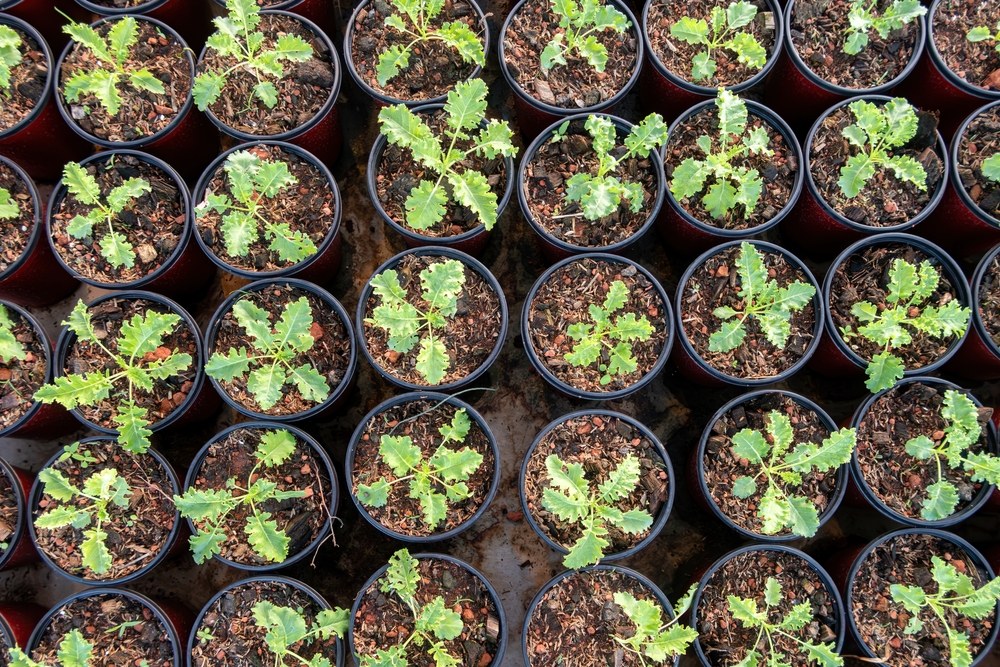
Manage germination in hot soil
Cool-season seeds often fail in August because the upper inch of soil becomes hot and dry between waterings. The gardener waters deeply in the evening, sees wet soil below, and misses that the seed itself spent the afternoon dry.
Shade cloth, boards raised above the soil, or light fabric can reduce heat. A board laid directly over a row can hold moisture for germination, but it must be checked daily and removed as soon as seedlings appear.
For difficult rows, sow a small test section first. A full packet does not make a hostile seedbed more reasonable.
Prepare season extension before cold arrives
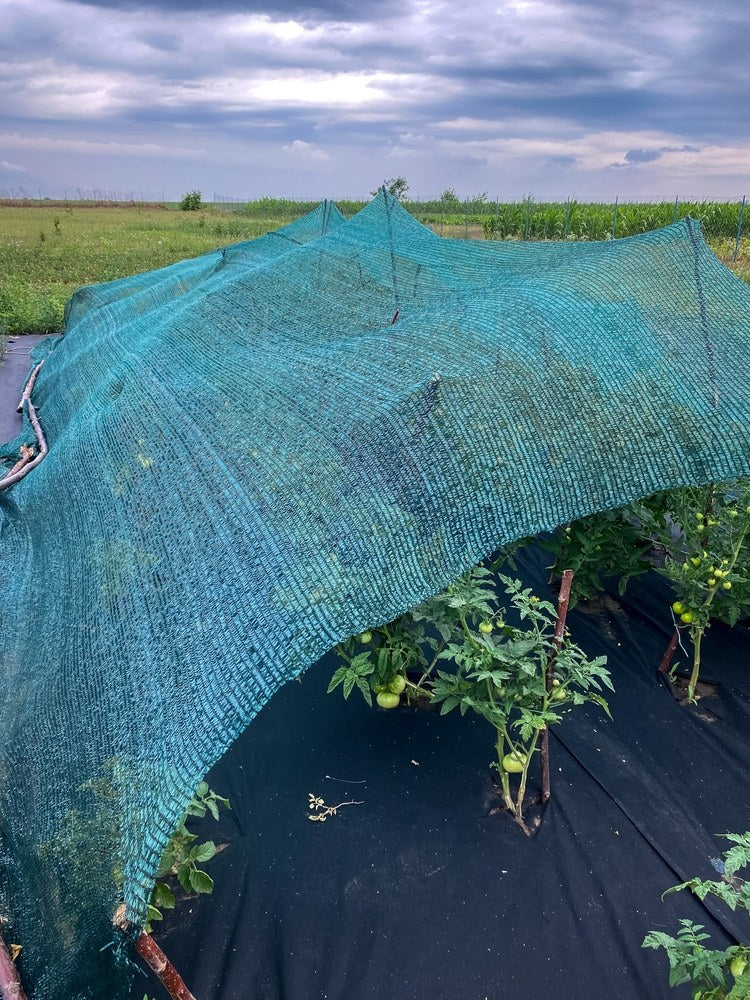
Season extension should be prepared before frost is forecast. Row cover, low tunnels, cold frames, and protected beds work best when the structure, anchors, and ventilation routine already exist.
| Tool | Useful for | Limit |
|---|---|---|
| Light row cover | Insects, wind, and modest frost protection depending on material | Can overheat crops and must be secured |
| Low tunnel | Stronger temperature moderation and weather protection | Requires ventilation and access |
| Cold frame | Small high-value crops and winter holding | Can heat rapidly on sunny days |
| Mulch | Root-zone moderation after plants establish | Heavy wet mulch can shelter pests and cool soil too much |
| High tunnel or greenhouse | Major season extension | Management, disease, irrigation, and cost remain |
Protection does not create sunlight. Late crops may remain alive without making meaningful growth. Use structures to carry a well-timed crop, not to rescue one planted impossibly late.
Use a fourteen-day August action plan
Use the first two weeks as an execution period. August punishes long planning sessions followed by late sowing.
- Day 1: Find the local frost range and list open beds.
- Day 2: Choose three high-confidence crops and one experiment.
- Days 3–4: Start brassicas and lettuce under controlled conditions.
- Days 4–6: Prepare and direct sow roots and quick greens.
- Day 7: Inspect moisture and emergence; correct crusting or washout.
- Days 8–10: Make the second quick-root sowing and prepare protection materials.
- Days 11–14: Transplant the earliest ready starts, resow gaps, and stop adding crops that no longer fit the runway.
A measured plan is better than a heroic list. Three crops timed well will feed the garden. Twelve crops sown late will feed the compost.
Record the second season with precision
Record sowing, emergence, first harvest, frost, and whether protection was used. August records are especially valuable because a difference of one week can separate a strong fall crop from a bed that merely survived.
Note soil temperature and shade method for lettuce, carrots, and spinach. Record which brassica transplants handled heat. Mark the bed that frosted early. These observations turn the next August from a guess into an operation.
For germination failures, use the seed germination troubleshooting guide before blaming the seed lot.
Frequently asked questions
What vegetables can I plant in August?
In much of the Mid-Atlantic and Upper South, August can support fall brassicas, kale, collards, lettuce, radishes, turnips, beets, carrots, and other cool-season crops. Exact timing depends on first frost, heat, and variety maturity.
Is August too late to plant beans?
Fast bush beans may still work in warm coastal or long-season areas when enough frost-free time remains. In mountain or short-season sites, the risk may be too high.
Why will lettuce not germinate in August?
High soil temperatures and drying can suppress or kill emerging lettuce. Use cooler timing, temporary shade, controlled starts, and even shallow moisture.
When should I start broccoli for fall?
Start early enough that sturdy transplants can enter the garden while meaningful growth time remains. The date varies by region; mountain sites usually need earlier starts than coastal sites.
How much extra time should I add to days to maturity for fall?
There is no single number for every crop and site. Add establishment time and a practical cushion for shorter days and cooling weather; slower crops need a larger margin.
Can row cover make up for late planting?
It can protect a well-timed crop from insects, wind, and modest cold, but it cannot replace lost sunlight or fully compensate for a crop planted after its useful window.
August does not ask whether you are tired. It asks whether you have counted backward.