Virginia gardens are arranged along ridges, river bottoms, clay Piedmont, sheltered towns, and humid coastal ground. A single statewide date sounds efficient. It is also wrong often enough to cost a season.
The useful question is not “When does Virginia plant?” It is “What does this crop require, and what is this particular Virginia site ready to give it?” That question is slower by a minute and better by months.
This guide turns regional calendars into a working plan for Tidewater, Piedmont, Valley and Ridge, and mountain gardens. It also shows how spring and fall should be managed as separate seasons rather than mirror images.
Start with the nearest Virginia Cooperative Extension window. Then ask:
- Is the site coastal, Piedmont, valley, or high elevation?
- Does the bed drain, or does spring rain leave it cold and airless?
- Is the crop cool-tolerant, warm-soil dependent, or transplant sensitive?
- How much season remains after germination and establishment?
Use the right Virginia collection for the job
For true native plant species documented for the state, browse Virginia native seeds. For cool-season food crops, compare turnip seeds and the fall garden collection. Native habitat and vegetable timing are related regional questions, but they are not the same search intent.
Read Virginia by region before choosing a date
| Region | Seasonal pattern | Main adjustment |
|---|---|---|
| Tidewater and lower Coastal Plain | Earlier warming, longer fall, humid summers | Use drainage, heat-aware timing, and disease-conscious spacing |
| Piedmont | Long season with variable spring and clay soils | Watch soil workability and late cold snaps |
| Valley and Ridge | Strong day-night shifts and local frost behavior | Use local frost history; nearby sites can differ sharply |
| Blue Ridge and mountains | Later spring, cooler nights, earlier fall frost | Move fall sowing earlier and use transplants for slow crops |
Virginia Cooperative Extension provides a sound statewide framework, but elevation and local exposure remain decisive. A hillside with air drainage may escape frost that settles into a nearby hollow. A south-facing wall can advance a planting while the open field remains cold.
Tidewater gardeners often have more fall runway but must contend with hot nights, humidity, and soils that can stay wet after heavy rain. Piedmont gardeners may gain a long overall season yet lose days when clay remains too wet to work. Valley gardens can be generous and still collect cold air in the wrong field. Mountain gardeners often produce excellent cool-season crops, but the opening and closing dates arrive on a stricter clock.
These are not reasons to fear the region. They are reasons to divide it honestly. Use the closest published calendar, then mark which side of the window your site repeatedly favors.
The Mid-Atlantic planting guide explains why USDA hardiness zones should not be used as exact annual sowing dates. Zones help with perennial survival. Annual crop timing depends more directly on frost, soil, and the season ahead.
Build spring in three deliberate movements
Virginia spring is best handled in three movements: cool-soil sowing, transition planting, and warm-soil planting. The exact dates move by region, but the order remains useful.
| Movement | Crop examples | What must be true |
|---|---|---|
| Cool-soil sowing | Peas, spinach, lettuce, radish, carrots, onions, kale, collards | Soil is workable and the crop can tolerate cold |
| Transition planting | Beets, chard, brassica transplants, hardy herbs and flowers | The forecast is manageable and roots can establish |
| Warm-soil planting | Beans, corn, cucumbers, squash, melons, okra, basil | Soil is warm enough and frost risk has meaningfully declined |
| Tender transplants | Tomatoes, peppers, eggplant and selected flowers | Plants are hardened and nights are no longer repeatedly cold |
Cold, wet soil is not neutral. It delays emergence, invites decay, and leaves warm-season seedlings weak. Waiting several days for the soil to improve can produce an earlier effective crop than planting early into poor conditions.
Transplant size should also match the moment. A compact tomato with a firm root ball can recover quickly. A tall, soft plant raised under weak light may suffer wind, sunscald, and root loss even when the calendar date is correct. Harden gradually, water the root ball before planting, and set the plant when several days of manageable weather are available.
For direct-sown warm crops, keep replacement seed. A cold rain after planting may create an uneven stand that is better resown promptly than patched one plant at a time. The goal is not to defend the first date. The goal is to establish the crop.
The garden does not reward the first hand to open the packet. It rewards the planting that can finish.
Browse vegetable seeds by crop, then use the variety maturity and sowing notes to refine the regional window.
Count backward for a useful fall harvest
Fall planning begins with the first expected frost, but it does not end there. The packet maturity number assumes reasonably active growth. Shorter days, cooling soil, heat-delayed germination, and transplant recovery all consume time.
- Find the local first-frost range.
- Count backward by the stated days to maturity.
- Add establishment time for direct-sown seed or transplants.
- Add a cushion for shorter days and cooler weather.
- Move mountain and valley frost-pocket sowings earlier than warm Tidewater sites.
Broccoli, cabbage, kale, collards, lettuce, radish, turnips, carrots, beets, and other cool-season crops can form a strong second garden when the schedule begins before autumn feels comfortable.
Use the fall garden collection to build the crop list, then compare the month against the August planting guide.
A crop that can be sown in Tidewater may already be late at higher elevation. Work from the shortest season, not the most optimistic example.
Manage clay, moisture, slope, and cold air
Much of Virginia gardening is a conversation with clay. Clay can hold nutrients and moisture well, but it should not be worked while wet. Tilling or walking heavily on plastic soil destroys structure and creates a problem that no seed variety can solve.
| Observation | Risk | Response |
|---|---|---|
| Soil smears on the spade | Compaction and low oxygen | Wait until it crumbles rather than ribbons |
| Water runs down a slope | Erosion and uneven moisture | Use contour-aware beds, mulch, and slower irrigation |
| A hollow frosts before nearby ground | Cold-air pooling | Use hardy crops there or move tender crops upslope |
| Beds dry rapidly in wind | Germination failure and transplant stress | Shelter, mulch after emergence, and check moisture more often |
| Dense foliage stays wet | Foliar disease pressure | Increase spacing and water the soil rather than the leaves |
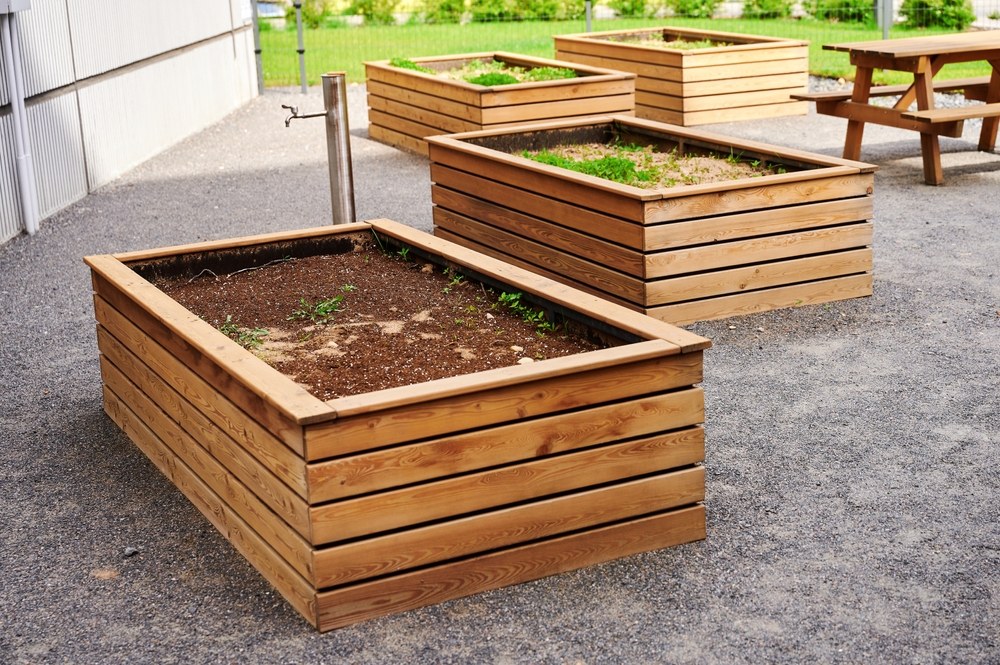
Raised beds can improve drainage where built correctly, but they also warm and dry faster. That is an advantage in spring and a responsibility in summer. There is no free correction—only a trade.
Use microclimates without believing them blindly
Microclimates are useful when measured and dangerous when assumed. A brick wall can store heat. A fence can block wind. A city lot may remain warmer than an open field. But one warm corner does not mean the whole garden has changed regions.
Place a simple min-max thermometer where the crop grows, not only on the porch. Compare several nights. The point is not to create more numbers. It is to stop guessing about the place that keeps surprising you.
Match Virginia native seeds to place
Virginia native plants should be chosen by species, provenance, and site. Tidewater wetland species and dry ridge species cannot be treated as interchangeable because they share a state boundary.
Explore the Virginia native seed collection with the botanical name in hand. Confirm moisture, light, mature habit, and whether the plant is annual, biennial, or perennial. Some species need seasonal exposure or cold-moist stratification before germination.
For small seed and dormant species, the seed-starting supplies collection can help with labeled trays and controlled sowing, but outdoor fall sowing may be the more natural treatment for some plants.
Keep the field record that the calendar cannot
A working record should capture the difference between the printed plan and the field result. Note sowing date, emergence, first harvest, frost, heavy rain, and the reason a crop ended. Those reasons are where next year’s advantage is kept.
Include variety names. An early tomato and a long-season storage tomato cannot be judged by the same finish date. Record whether seed was direct sown or transplanted, whether protection was used, and whether harvest ended because of frost, disease, heat, or simple completion. That turns a garden diary into a decision tool.
A familiar Virginia scene is a spring row planted on schedule, sitting motionless in cold clay, while a later row emerges evenly in warmer soil. The second row looks “late” only on paper. In the garden, it is ahead.
Record each bed separately when slope, shade, or drainage changes. Three seasons of honest notes can turn a statewide calendar into a remarkably precise farm document.
Frequently asked questions
When should I plant vegetable seeds in Virginia?
Use Virginia Cooperative Extension guidance and the nearest regional frost history, then adjust for Tidewater, Piedmont, valley, or mountain conditions. Cool-season and warm-season crops should not share one date.
Is Virginia one planting zone?
No. Virginia spans multiple USDA hardiness zones and many local climates. Hardiness zones describe winter minimum temperatures, not exact annual vegetable sowing dates.
When should I start a fall garden in Virginia?
Many fall crops begin in midsummer or late summer. Count backward from the local first frost and add time for heat-delayed germination, transplant recovery, and shorter days.
Why does my Piedmont garden stay cold after warm weather arrives?
Heavy or wet clay can warm slowly. Slope, shade, and recent rainfall also matter. Use soil condition at sowing depth rather than afternoon air temperature alone.
Can I grow the same native plants throughout Virginia?
Not automatically. Confirm the species range and site requirements. Coastal, Piedmont, valley, and mountain habitats differ in moisture, soil, and temperature.
The right date is not the earliest date. It is the date that leaves the crop enough ground, weather, and time to finish.
A simple recordkeeping table
| Record | Why it matters |
|---|---|
| Soil temperature at sowing | Explains slow emergence better than air temperature alone. |
| Actual last and first frost | Builds a local range over time. |
| Rain or irrigation after planting | Separates moisture failure from seed-quality assumptions. |
| Emergence date and stand count | Shows whether the problem occurred before or after germination. |
| First and final harvest | Tests whether the crop and variety fit the available season. |