The Mid-Atlantic is often spoken of as though it were one garden. It is not. A coastal plot in northeastern North Carolina may be working warm soil while a mountain garden is still holding winter in its shaded corners. The map looks compact. The seasons are not.
That is why a packet date should be treated as a starting order, not a command. The seed packet gives a range. The garden gives the verdict. A dependable plan reads four things together: the crop, the soil, the sky, and the amount of season still left.
This guide is built for gardeners moving between the Coastal Plain, Piedmont, valleys, and higher ground of North Carolina, Virginia, Maryland, and nearby parts of the Upper South. It is meant to help you make a decision, not merely admire a calendar.
Why one regional planting date is never enough
The USDA hardiness zone is useful for perennial survival because it is based on average annual extreme minimum winter temperature. It is not an exact annual vegetable-planting date. Two gardens in the same zone can differ in last frost, spring soil temperature, wind exposure, drainage, and summer heat.
For annual vegetables, begin with a nearby Cooperative Extension calendar, then correct it with what your own ground is doing. A south-facing brick wall may advance a bed. A low field may collect frost. Heavy clay may remain cold and airless long after the afternoon temperature looks pleasant.
When a crop fails outside its useful temperature range, the printed date does not rescue it. Read the date, then read the place.
Use the broader vegetable seed collection to compare crop groups, but make the final decision from the variety description, days to maturity, and local conditions.
Use weather and soil signals, not the calendar alone
Warm air can arrive before warm soil. That is the trap. Beans, corn, cucumbers, squash, okra, and melons may emerge poorly in cold, wet ground even when the day feels like spring. Cool-season crops have the opposite problem: they may germinate in warm soil but struggle to establish when late-summer heat remains severe.
| Signal | What it tells you | Practical response |
|---|---|---|
| Recent and forecast frost | Whether tender foliage is likely to be injured | Delay tender crops or use protection only when you can manage it consistently |
| Soil temperature and moisture | Whether seed can germinate without chilling, rotting, or drying | Check at sowing depth; wait if the soil is saturated or far below the crop preference |
| Days to maturity | How long the variety normally needs under reasonable conditions | Add time in cool spring weather and under shortening fall days |
| Day length and heat trend | Whether growth is likely to speed up or slow down | Plant fall crops before the calendar becomes mathematically impossible |
| Your last three seasons | How the site actually behaves | Use your own records to tighten the regional window |
A soil thermometer is useful, but it is not a magic instrument. Use it with texture and moisture. Fifty-five-degree sandy soil that drains may behave differently from fifty-five-degree clay that can be squeezed into a wet ribbon.
Build a four-season planting sequence
| Seasonal window | Useful crop groups | Management note |
|---|---|---|
| Late winter into early spring | Peas, spinach, lettuce, radish, carrots, onions, kale, collards, and other cool-tolerant crops | Avoid working saturated soil. Keep row cover ready when hard freezes remain possible. |
| After frost risk falls and soil warms | Beans, corn, cucumbers, squash, melons, tomatoes, peppers, eggplant, basil, and okra | Do not confuse one warm afternoon with settled soil warmth. |
| Early to midsummer | Succession beans, cucumbers, squash, basil, selected flowers, and quick herbs | Heat makes shallow seedbeds unforgiving. Water for even moisture, not occasional rescue. |
| Late summer into fall | Broccoli-family transplants, kale, collards, lettuce, radish, turnips, carrots, beets, peas where timing allows | Count backward from frost and add a cushion for slow autumn growth. |
| Fall into winter | Garlic where appropriate, cover crops, protected greens, and native-seed projects requiring seasonal exposure | Some sowings are intended to overwinter or emerge in spring, not provide an immediate harvest. |
Think in crop groups rather than a single opening day. The first spring sowing is not a parade in which every seed packet marches at once. Peas and radishes may be working while the okra packet remains sensibly closed.
For the second season, the fall garden collection gathers greens, roots, brassicas, and other crops suited to cooler weather. The August decision is covered in more detail in our August planting guide.
Decide what to direct sow and what to transplant
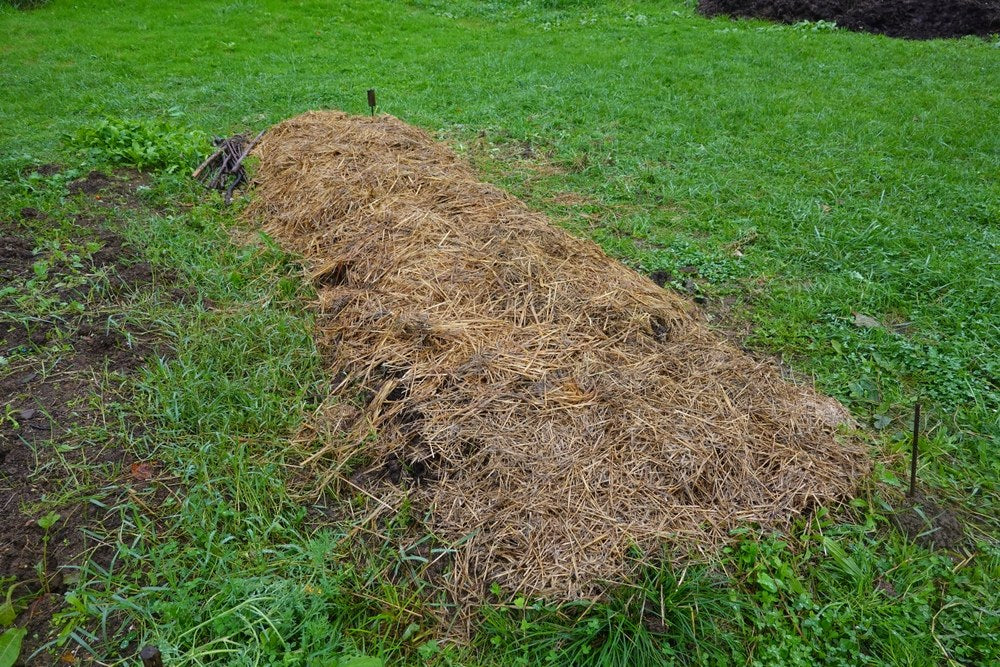
Direct sowing protects crops that dislike root disturbance and reduces transplant labor. Transplants buy time, allow closer control of germination, and help a slow crop occupy the garden only after it has a working root system.
| Usually direct sown | Often transplanted | Use judgment |
|---|---|---|
| Carrots, radishes, peas, beans, corn, and many cover crops | Tomatoes, peppers, eggplant, many brassicas, and selected herbs | Cucumbers, squash, melons, lettuce, flowers, and basil can work either way depending on season and handling |
Root crops are generally simplest where they will finish. Corn and beans are commonly direct sown because they establish quickly in suitable soil. Tomatoes and peppers often need a head start. Brassicas for fall can be started in a protected place while summer crops are still occupying the bed.
A large transplant placed into cold, wet soil can sit still, lose roots, and become less useful than a smaller plant set at the right time. Harden plants gradually and protect the root ball from drying during the move.
Use clean containers and a well-drained medium from the seed-starting supplies collection when indoor starts are the sensible route.
Build succession and replacement into the plan
Succession planting is not simply sowing the same crop every two weeks regardless of weather. It means arranging harvests so one failure or one flush does not decide the whole season. The interval may be ten days during quick spring growth and longer during heat or shortening fall days.
- Choose a crop that can mature in the remaining season.
- Divide the seed rather than planting the entire packet at once.
- Record the sowing date and emergence date.
- Stop when the remaining season no longer supports a useful crop.
A familiar field pattern is a first bean row planted confidently, a second row planted ten days later, and a third held back until the weather shows its hand. The second row often becomes the best one. That is not luck. It is risk divided into manageable pieces.
Succession also includes replacement. Keep enough seed to resow after crusting rain, bird damage, or a cold snap. The strongest schedule leaves room for the garden to refuse the first offer.
Adjust for coast, Piedmont, valleys, and mountains
| Setting | Common advantage | Common risk | Planning adjustment |
|---|---|---|---|
| Coastal Plain and Tidewater | Earlier spring warming and a longer fall runway | Humidity, intense heat, tropical rainfall, and warm nights | Use earlier cool-season windows, heat-tolerant varieties, drainage, and quick replanting after storms |
| Piedmont and rolling interior | Long overall season with useful spring and fall shoulders | Sharp temperature swings and clay that stays wet | Watch soil condition closely and preserve both spring and fall opportunities |
| Valleys and urban pockets | Shelter and retained warmth can extend the season | Heat islands or trapped cold air can make nearby gardens differ | Record the actual bed, not only the nearest airport station |
| Mountain and higher elevation | Cool nights and excellent cool-season quality | Later spring, earlier frost, and rapid weather change | Start slower crops earlier under protection and move fall sowing forward |
Native and habitat plantings require another layer of judgment. “Native” is not one universal range. Confirm the species, local ecology, moisture, and life cycle before buying. The native seed collection is a starting point, not a substitute for site knowledge.
Do not force a coastal calendar onto a mountain garden. Geography always collects its debt.
Keep a record that becomes your real calendar
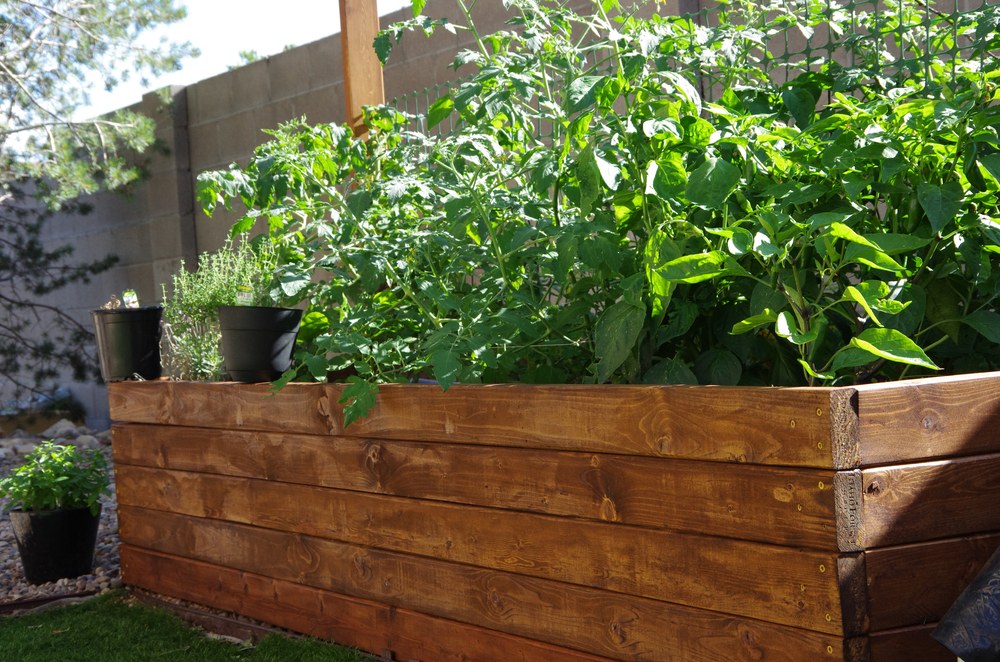
A useful garden record does not need to become paperwork for its own sake. Write down what can improve the next decision: sowing date, emergence date, first harvest, notable weather, and why a planting was abandoned. Five lines with judgment are worth more than a page of numbers no one reads again.
After two or three seasons, your own calendar becomes more valuable than a generic chart. It will show which bed warms first, which low corner frosts early, and which varieties finish before the weather changes.
Frequently asked questions
What are the best Mid-Atlantic garden seeds for beginners?
Choose crops that match the present season and available space. Bush beans, lettuce, radish, kale, summer squash, and selected herbs can be approachable, but the easiest crop planted at the wrong time is still difficult.
Can I use my USDA hardiness zone as a vegetable planting calendar?
Use the zone as background information, especially for perennials. For annual vegetables, use local frost history, soil condition, current weather, and a nearby Extension calendar.
Why do fall crops need extra time?
Shorter days, cooler soil, transplant recovery, and heat-delayed germination can slow growth. Count backward from frost and add a practical cushion instead of relying only on the packet maturity number.
Should every gardener in the Mid-Atlantic plant on the same date?
No. Elevation, slope, distance from the coast, urban heat, soil texture, and drainage can shift a useful planting window by days or weeks.
How many succession sowings should I make?
Make only as many as the remaining season and your harvest needs justify. Two or three measured sowings are often more useful than planting an entire packet at once.
A regional calendar opens the door. The crop, the weather, and the ground decide whether you walk through it.
A simple recordkeeping table
| Record | Why it matters |
|---|---|
| Soil temperature at sowing | Explains slow emergence better than air temperature alone. |
| Actual last and first frost | Builds a local range over time. |
| Rain or irrigation after planting | Separates moisture failure from seed-quality assumptions. |
| Emergence date and stand count | Shows whether the problem occurred before or after germination. |
| First and final harvest | Tests whether the crop and variety fit the available season. |