
Seed starting & germination
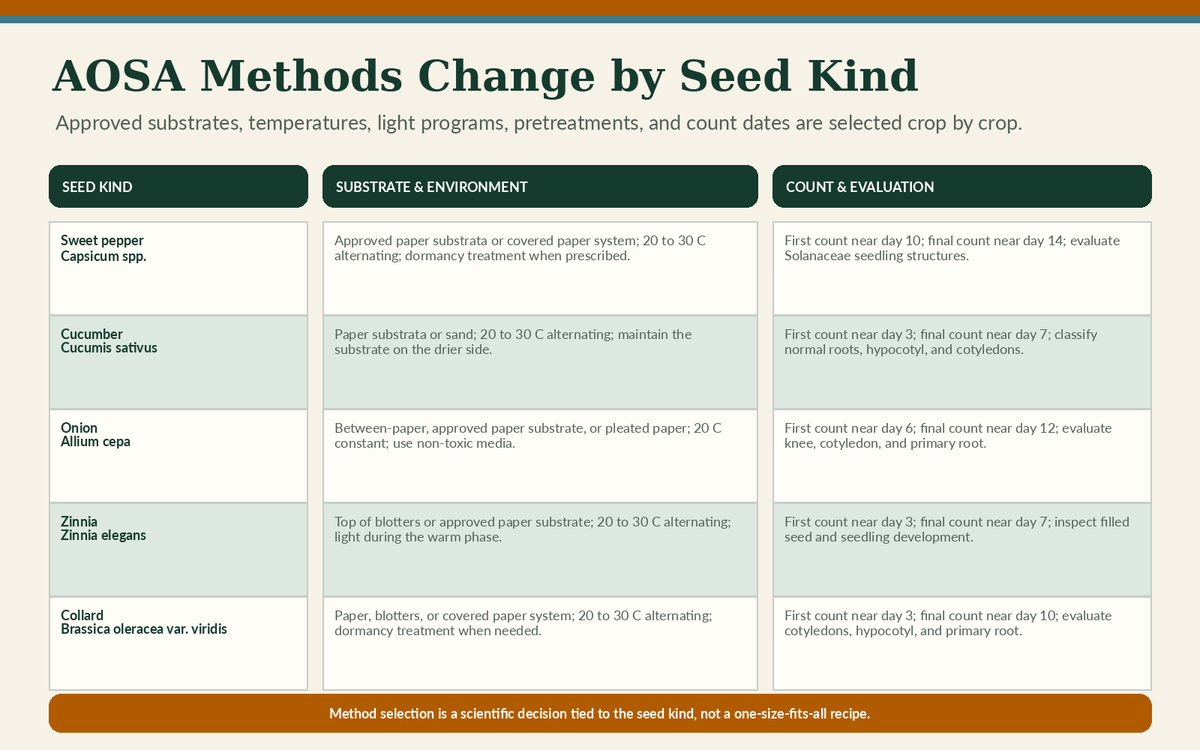
AOSA Seed Testing Methods: Why the Method Changes by Crop
Compare AOSA substrates, temperatures, light programs, pretreatments, moisture controls, count dates, and seedling rules by crop.
The practical library
Find crop guides, planting calendars, seed-starting help, soil guidance, pest diagnosis, harvesting information, and practical seed-saving instructions.
The complete article library
Search The Yaupon Tea without mixing the results with seed products.
41 articles in this topic
Compare AOSA substrates, temperatures, light programs, pretreatments, moisture controls, count dates, and seedling rules by crop.
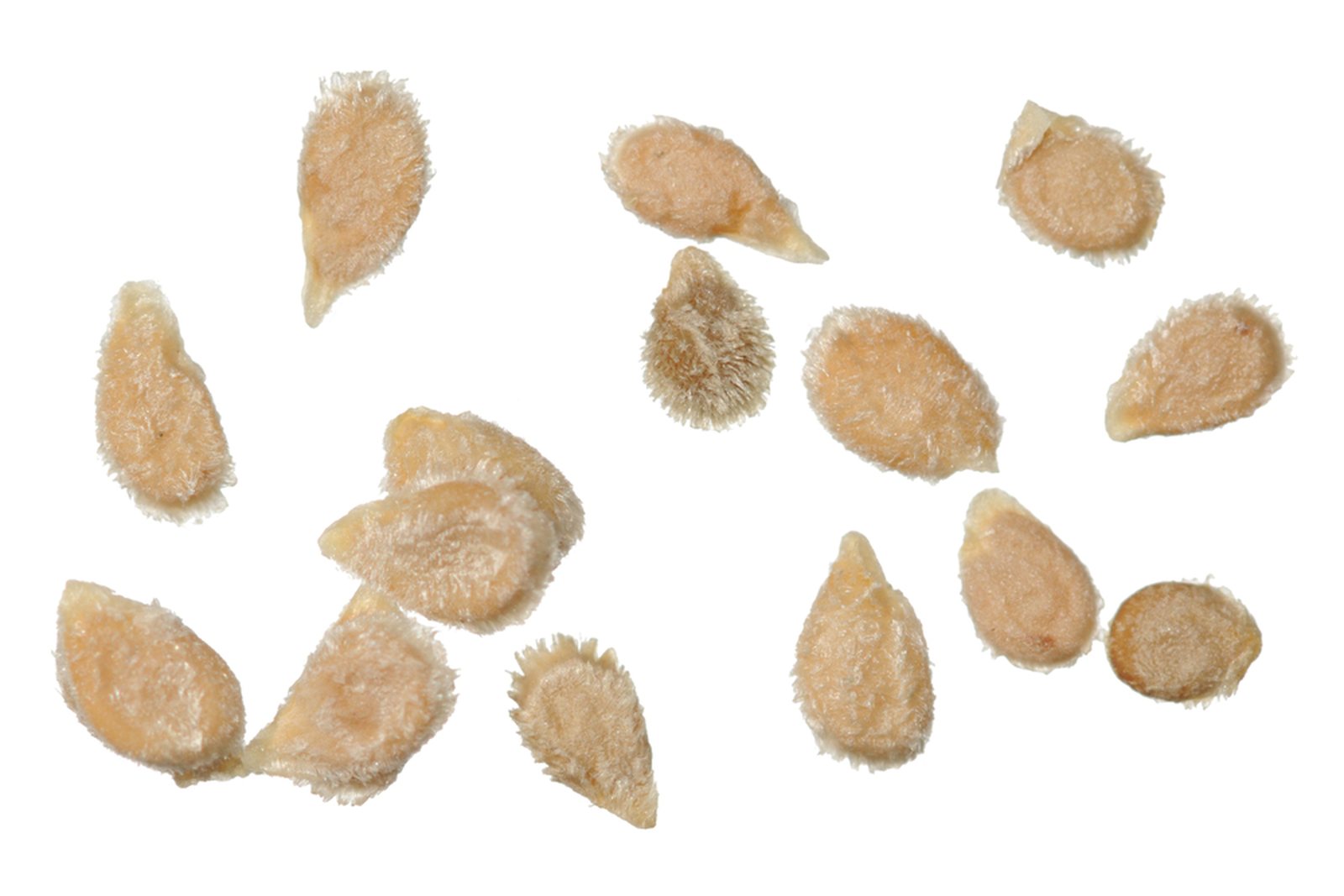
How to grow tomatoes from seed begins with a backward calendar and measured root-zone conditions, not a fixed month. This guide covers seed-lot labeling, sowing depth, germination temperature, light intensity and distance, air movement, watering, thinning, potting up, nutrition, hardening, transplanting, and seedling diagnostics. It includes a production schedule, measurement log, symptom table, and decision rules for correcting leggy, purple, yellow, stalled, or damping-off-prone seedlings.
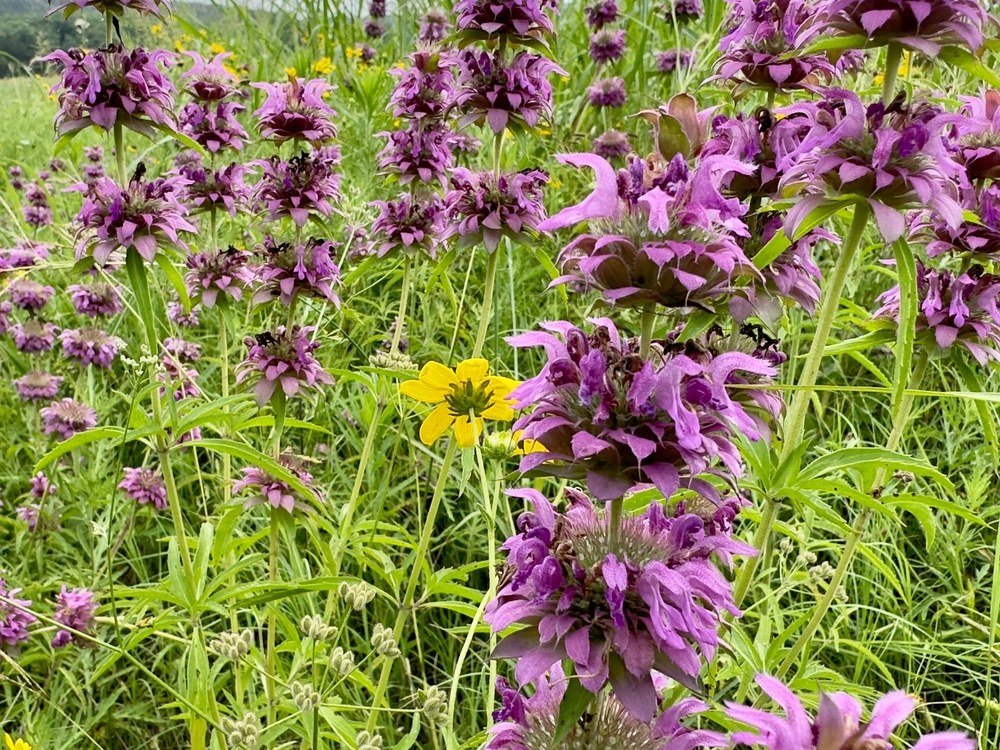
Surface sow lemon bee balm in warm conditions, keep the fine seed evenly moist, thin early for airflow, and expect this annual Monarda to flower in its first season.
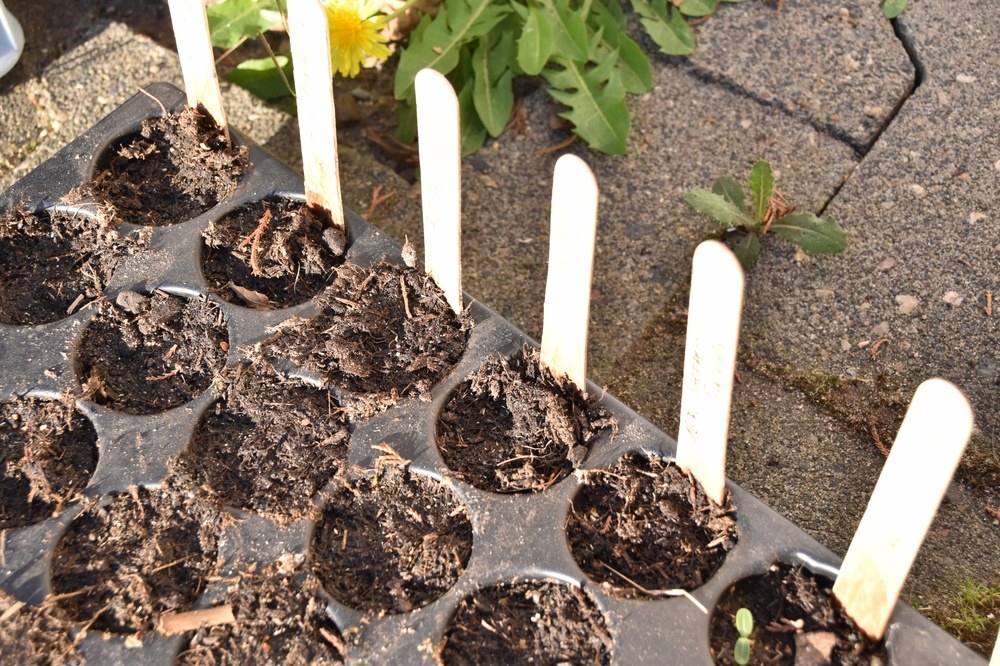
When seeds do not germinate, confirm the normal time range, then check moisture and oxygen, crop-appropriate temperature, depth and light, dormancy, seed storage, and disease.
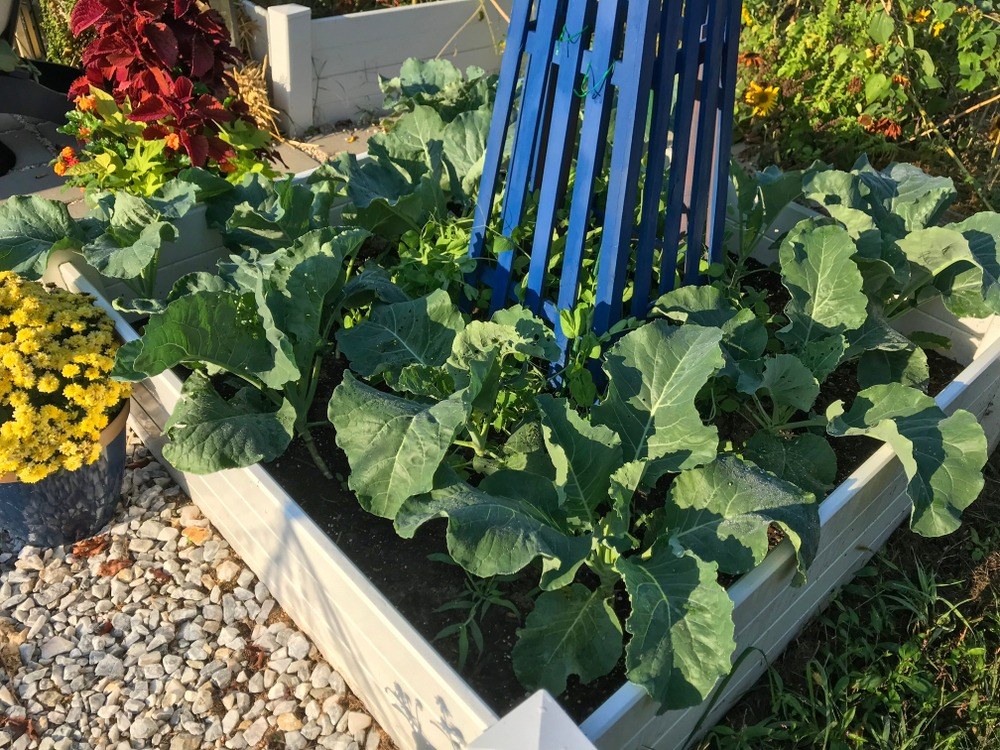
The Mid-Atlantic spans coastal moderation, Piedmont heat, interior valleys, and colder uplands. Use local frost dates and soil temperature, then plan spring, summer, and fall crop cycles.

Direct sow cosmos after frost into warm soil, cover lightly, keep fertility modest, and choose the species and height that fit the garden.
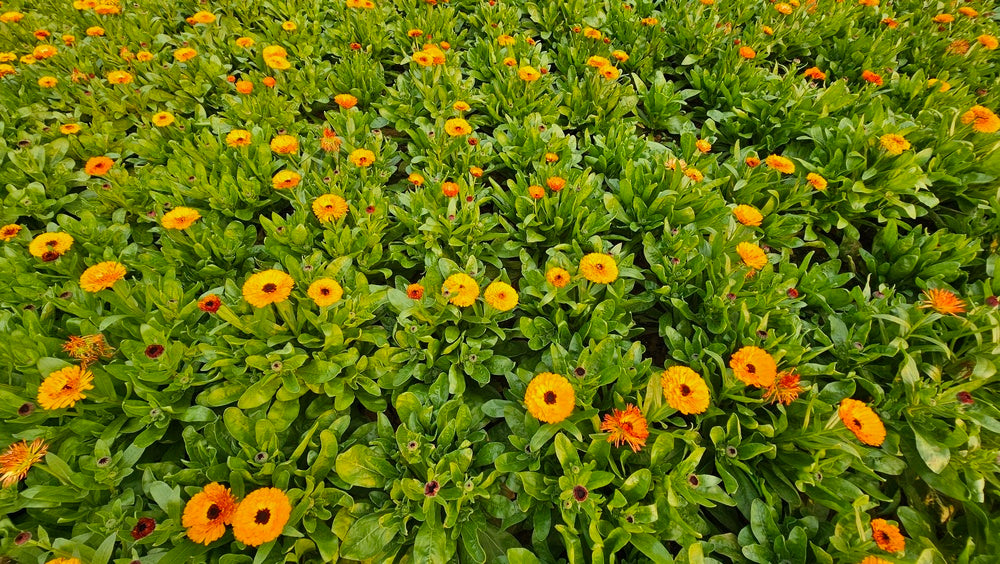
Calendula is a cool-season annual best sown in late winter, early spring, or again for fall where the season allows. Plant seeds about 1/4 inch deep, keep soil evenly moist but well drained, and thin or transplant most varieties 8 to 12 inches apart. Give plants full sun in cool weather, regular cutting or deadheading, and relief from severe summer heat. For kitchen use, grow correctly identified Calendula officinalis from untreated seed and harvest clean petals only from plants managed as food.
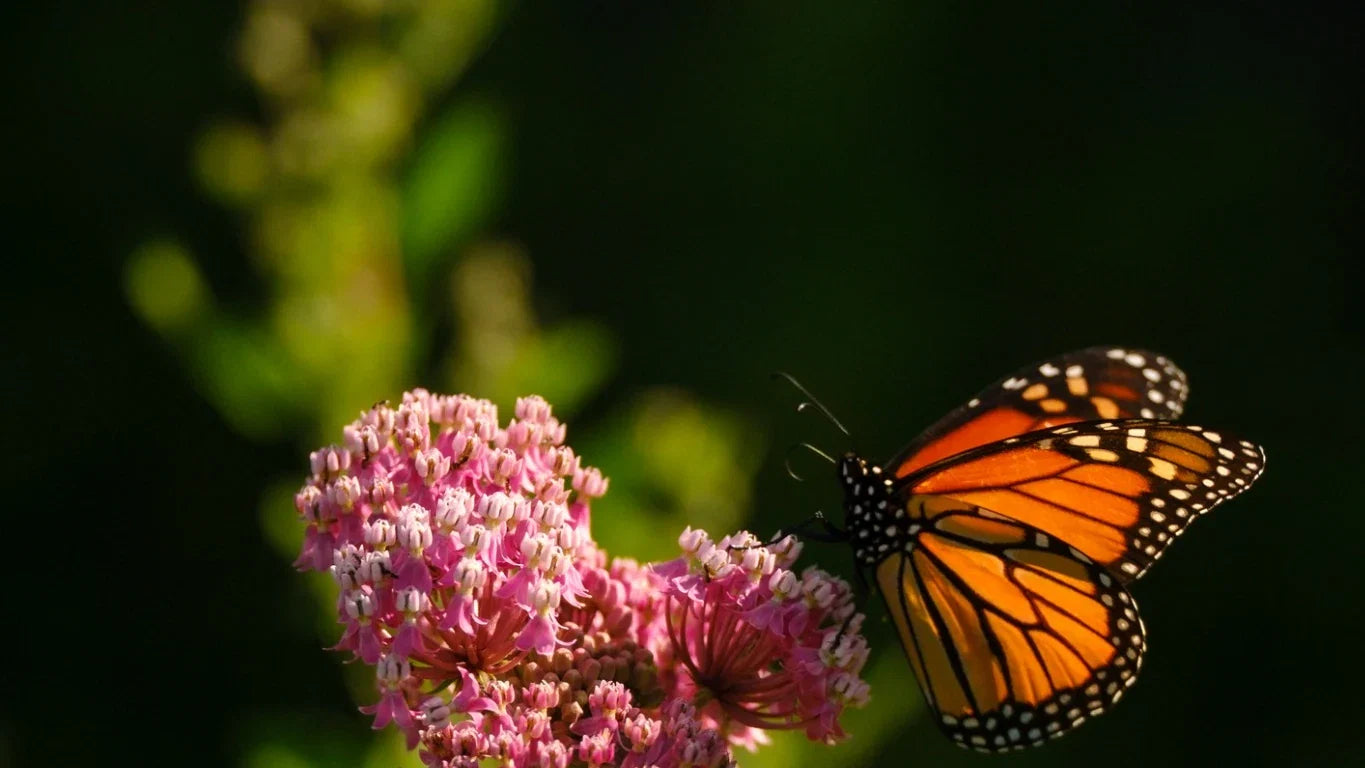
Match milkweed species to the site first, then fall sow or cold-moist stratify the seed, sow shallowly, transplant young, and build habitat beyond a single host plant.
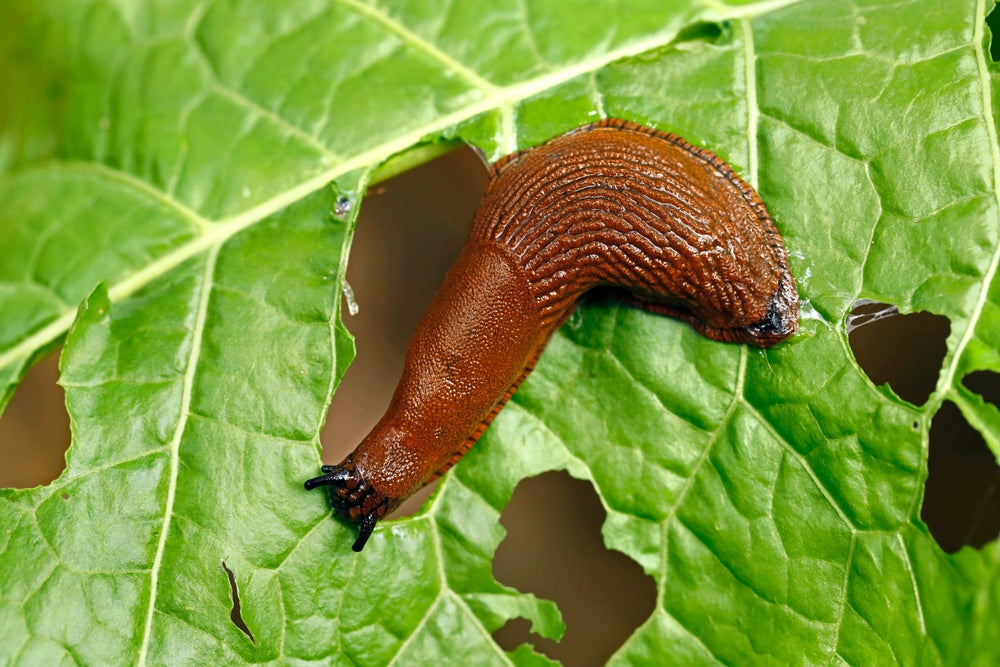
Treat slug pressure as a source–route–seedling problem. Confirm the pest after dark or with refuge boards; map the damp shelter feeding the outbreak; then protect the most vulnerable seedlings. Use hand removal, clean barriers, or label-directed bait only where fresh damage continues.
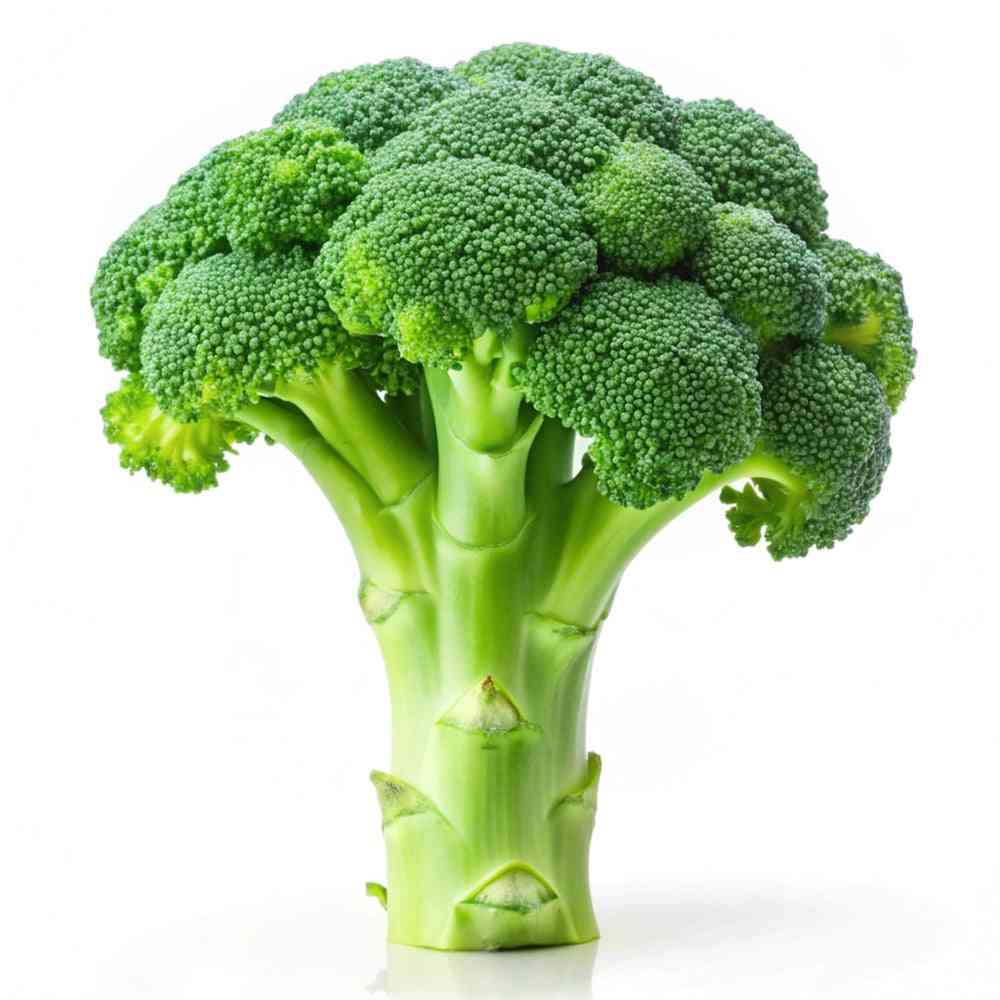
Start broccoli young, protect seedlings, time head formation for cool weather, and leave the plant for side-shoot harvests.
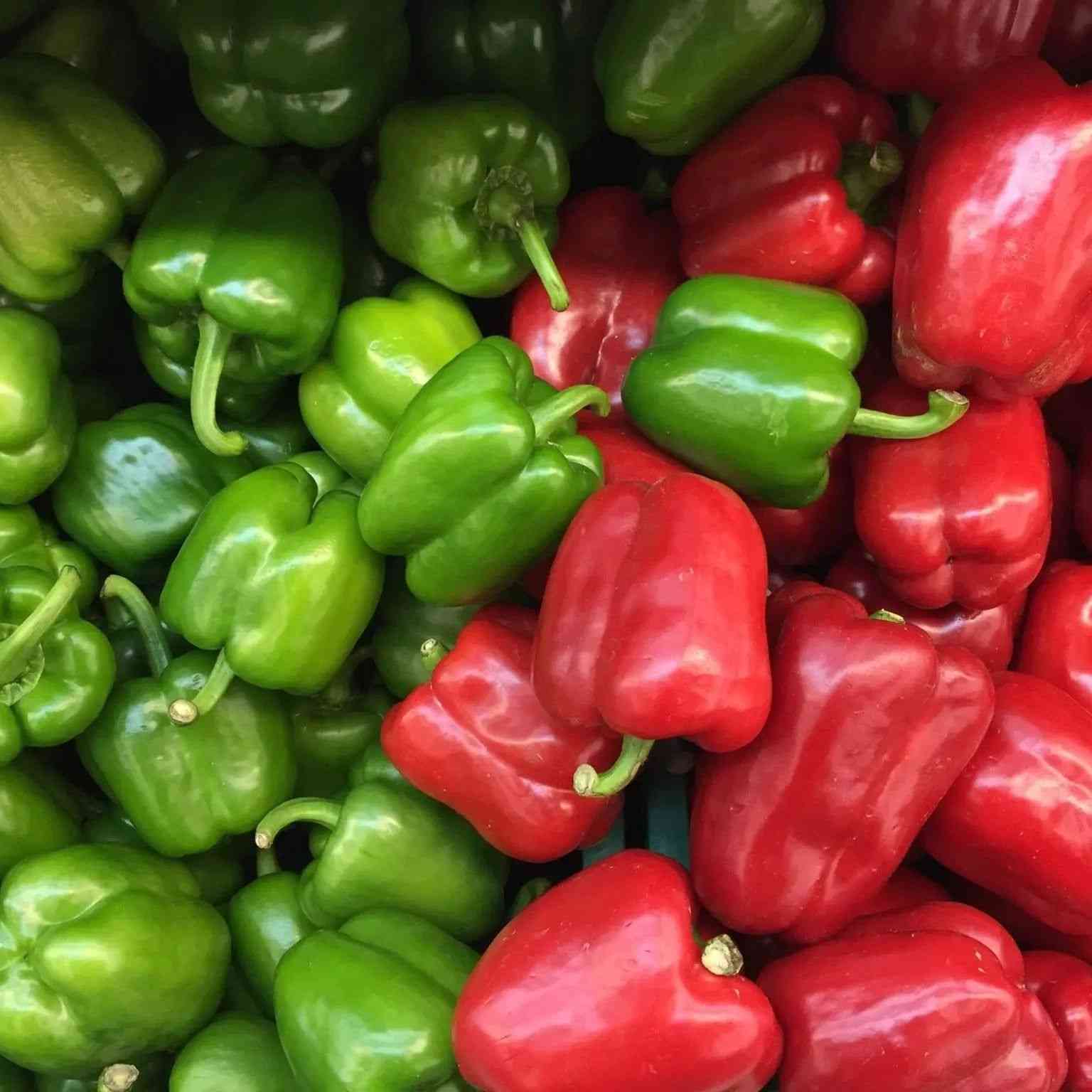
Start pepper seeds 8–10 weeks before transplanting, hold the root zone near 80–90°F, sow shallowly, provide strong light immediately after emergence, and transplant only into warm soil.

Surface sow lemon balm, grow it in a draining container or managed bed, cut it back for tender leaves, and remove flowers before seed if you do not want a wider patch.

German chamomile is usually an annual grown readily from seed, while Roman chamomile is a low perennial. Surface sow the tiny seed, keep the seedbed evenly moist, and harvest flowers repeatedly as centers become prominent.
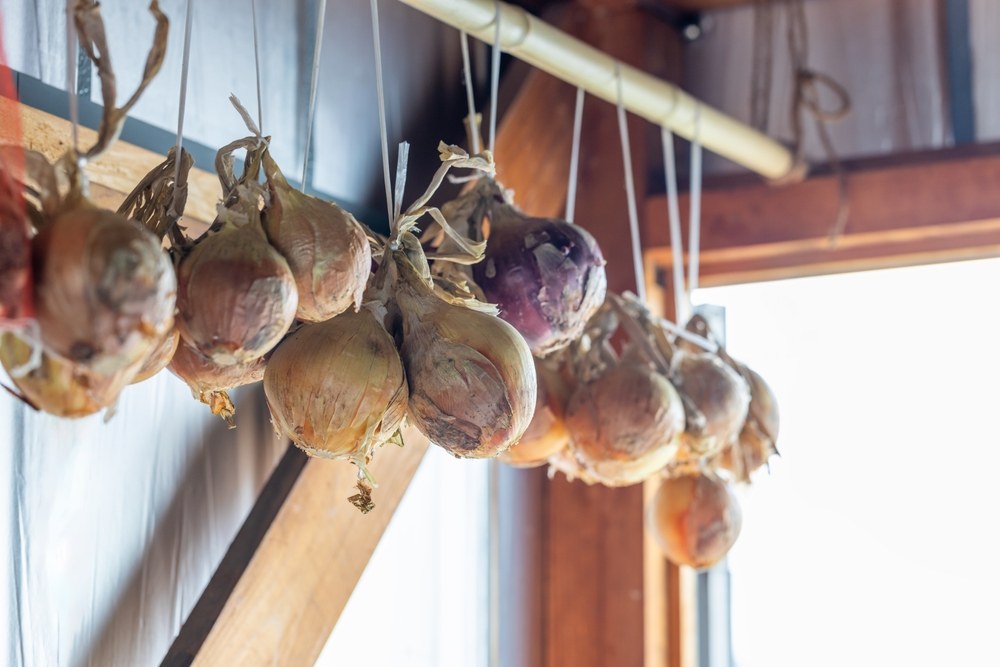
Onion seed offers broad variety choice and clean starts but needs time. Sets are small dormant bulbs that establish quickly but can bolt or offer limited variety choice. Transplants balance speed and selection. Day length class must match latitude or bulbs may never size correctly.
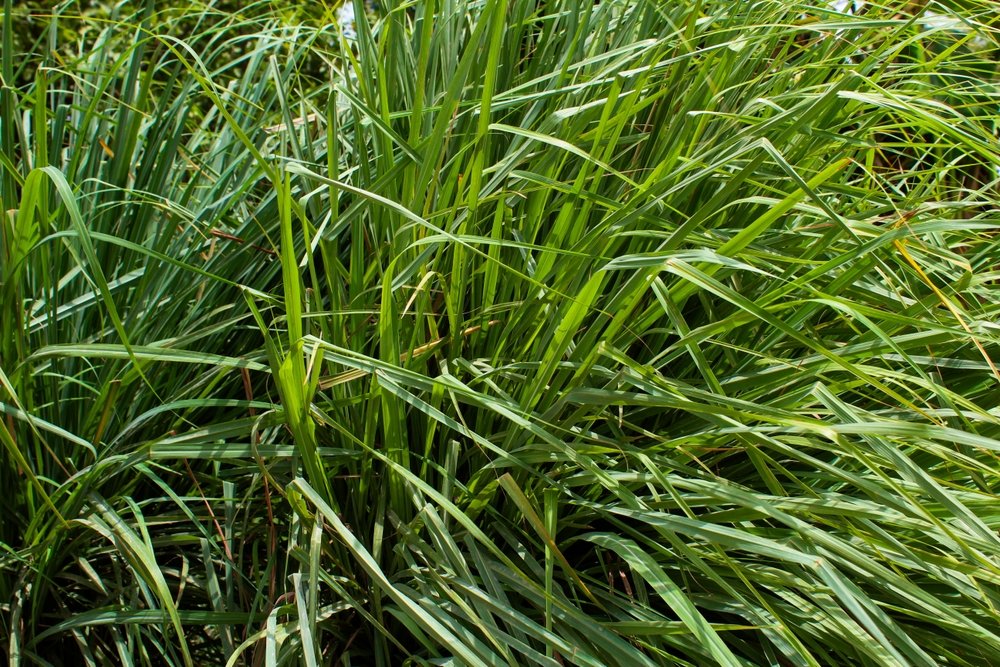
Lemongrass can be grown from seed, divisions, or viable rooted stalks, but each method has a different timeline and certainty. Give plants warmth, sun, rich moisture-retentive soil, and enough container or bed space for a large clump.
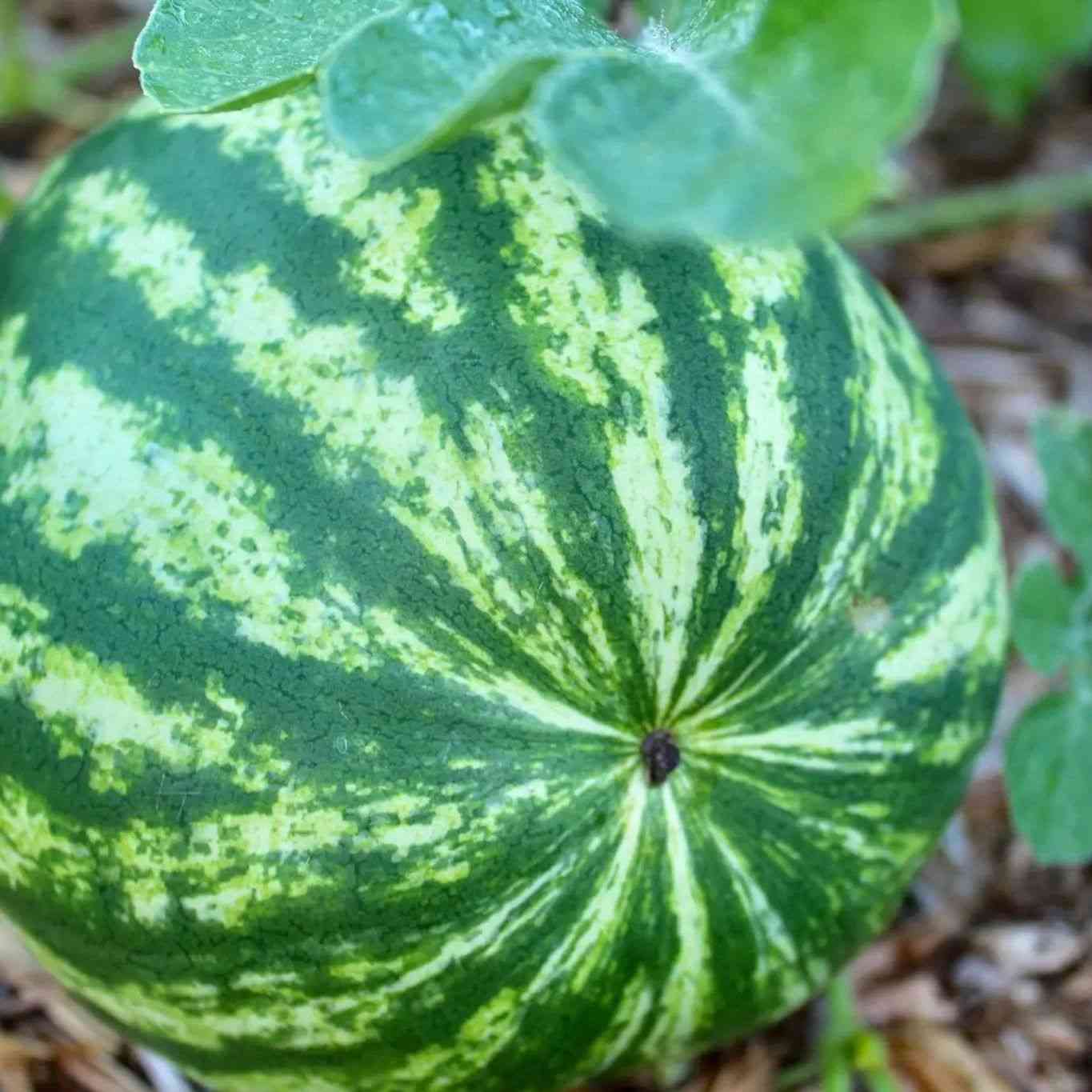
Plant watermelon after frost when the root zone is warm, protect young plants from cold and beetles, give vines room, keep water steady through fruit sizing, protect pollinators, and judge ripeness with several clues rather than thumping alone.
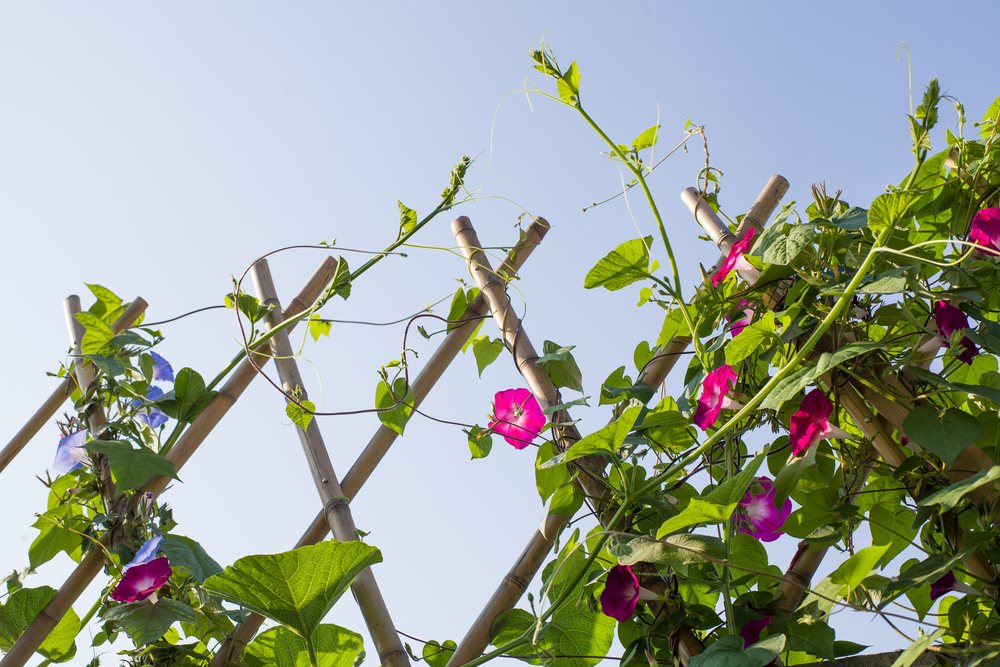
Morning glories need warmth, a strong support, restrained fertility, and a plan for seed before they become a volunteer problem. Identify the species and local restrictions before planting.

Plant zinnias after frost in warm soil, match spacing to mature height, water at soil level, and use succession sowings for a longer run of healthy stems.
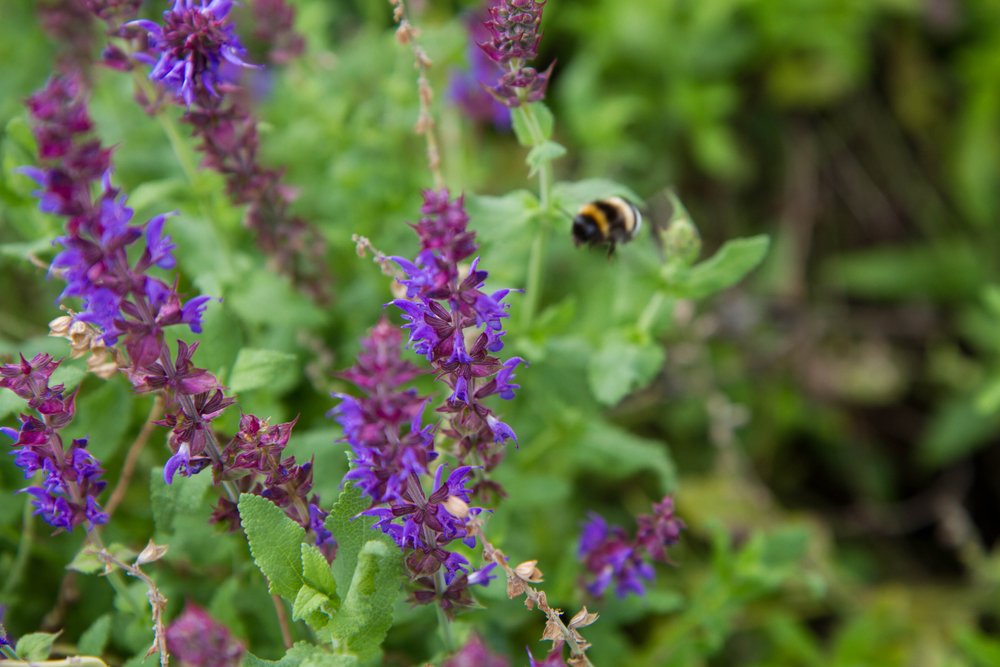
Grow salvia successfully by identifying the species first, then matching sowing, cold treatment, drainage, pruning, and winter care to that plant.

Plant squash after frost in warm soil, choose bush or vining varieties that fit the site, protect tender roots, maintain steady moisture, remove row cover at bloom, watch the crown and leaf undersides for pests, and harvest at the stage required by the crop.
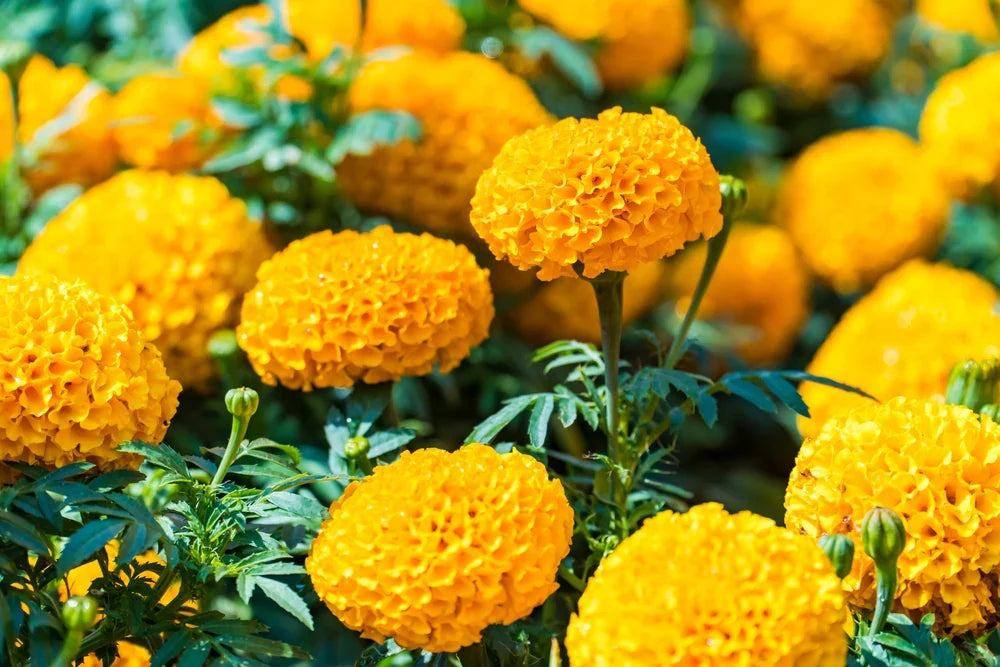
Identify the Tagetes species first, then sow after frost, match spacing to mature height, keep fertility moderate, and treat companion-planting claims realistically.
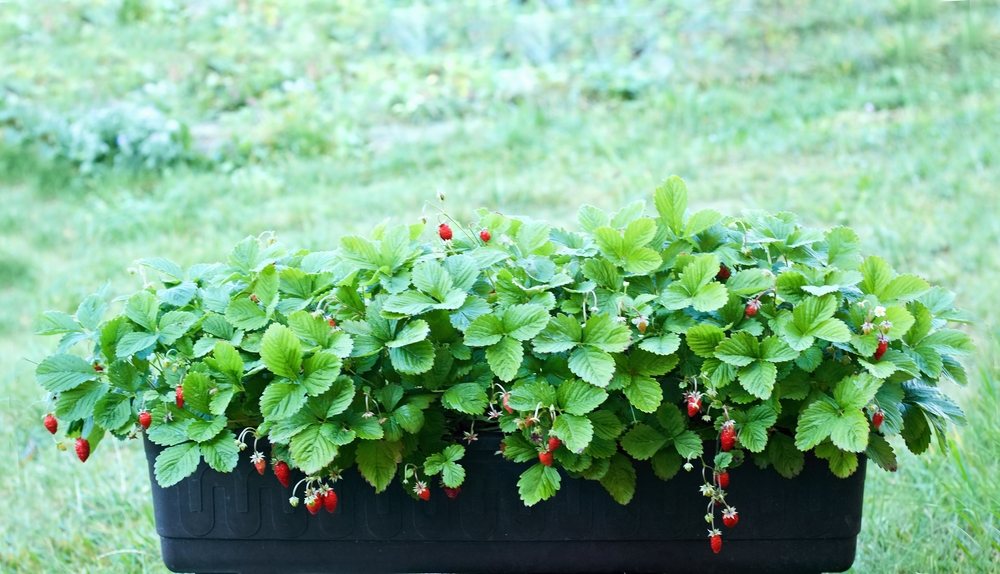
Strawberries can be established from seed, crowns, plugs, or bare-root plants, but the route changes timing and uniformity. June-bearing types concentrate harvest, everbearing types produce more than one flush, and day-neutral types can fruit across much of the season. Match the system to climate, space, runner management, and harvest goals.
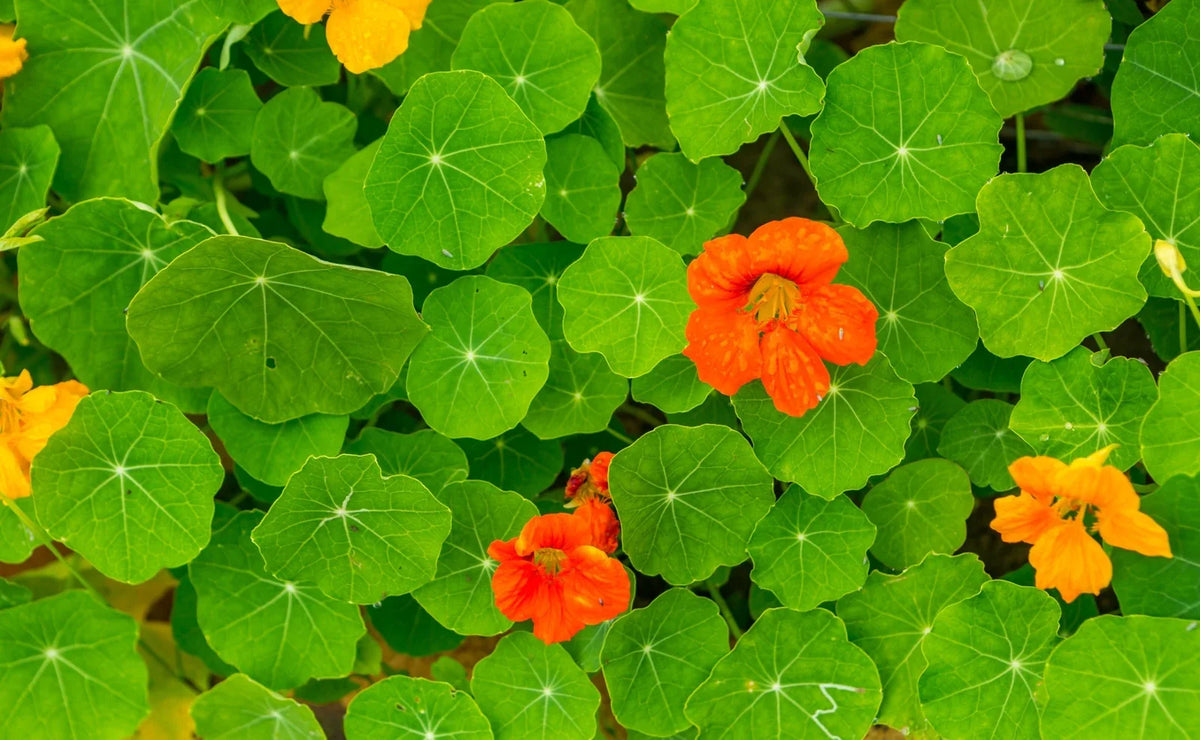
Direct sow nasturtiums after frost in well-drained, modest soil. Match the variety’s bush or trailing habit to the space, and avoid high-nitrogen fertilizer.
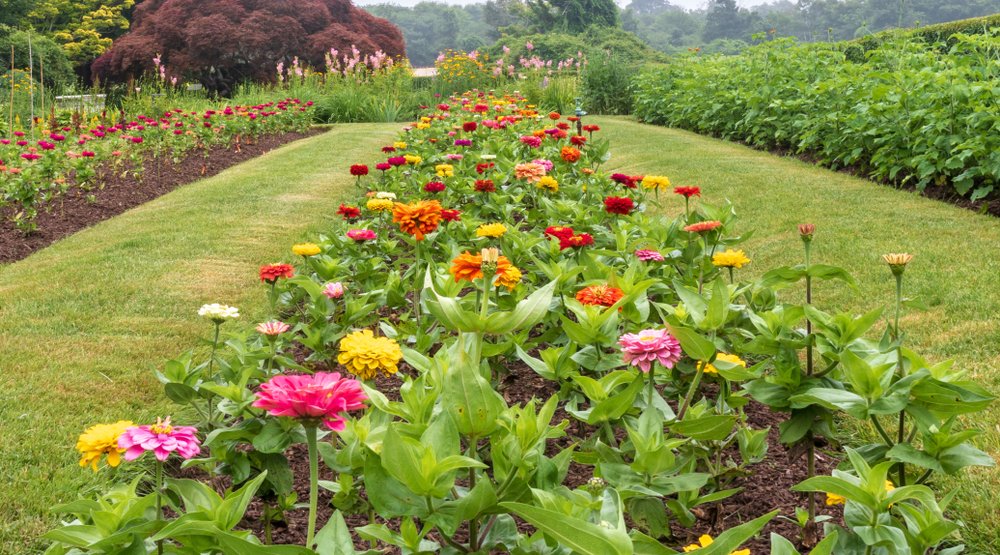
Plan a cut-flower garden by choosing productive varieties, arranging reachable rows, staggering sowings, and matching stem length, harvest window, and vase use.
Page 1 of 2