Choose onion seeds for variety range and transplant control, sets for speed, or purchased transplants for convenience—but first match the onion’s day-length class to your latitude.
The packet is small enough to lose in a pocket. The season it carries is not. A name can travel quickly. A good record travels farther.
Choose the right crop before you choose the prettiest name
Bulb onions, bunching onions, and propagation choices is not a single generic instruction. The botanical identity is Allium cepa and Allium fistulosum, in the Amaryllidaceae family. The life cycle is biennials grown as annual vegetables. Those facts determine whether the plant wants heat or cool weather, whether it resents transplanting, whether it spreads, and what must be isolated when seed is saved.
Start with use. This guide covers bulb onions, scallions, pickling onions, fresh eating, and storage. Then consider the space: a small container, a humid raised bed, a dry border, or a long-season row. A cultivar earns its place when its growth habit fits the garden and its flavor fits the kitchen. The garden does not owe loyalty to a name that cannot perform.
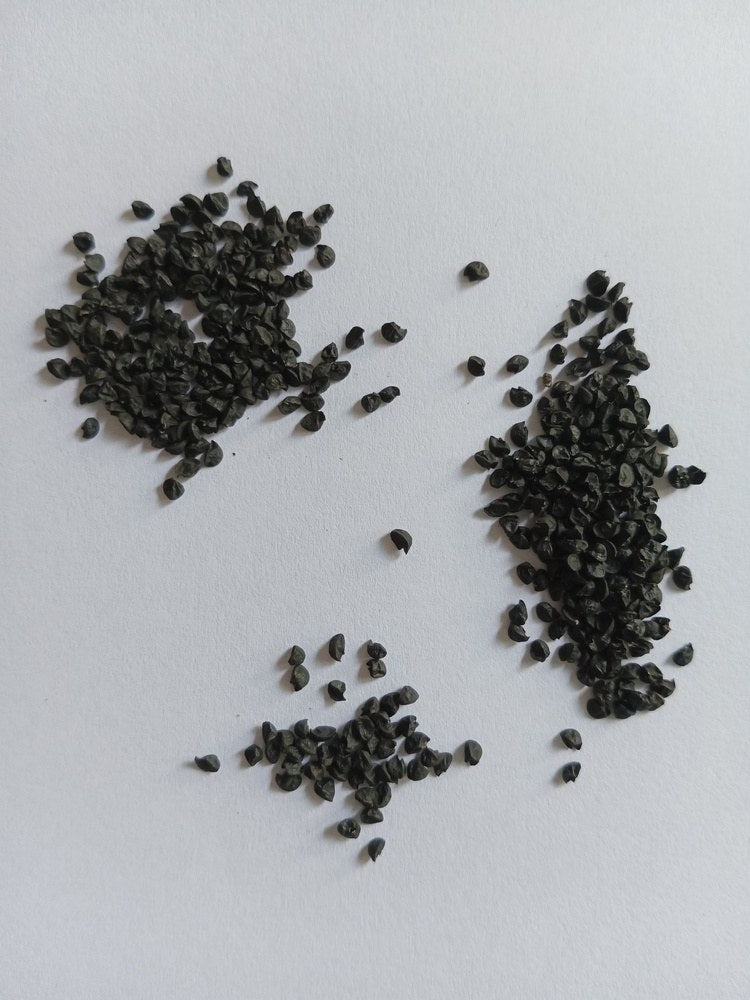
Varieties and products connected to this guide
- Short - Yellow Granex PRR
- Short - Barletta
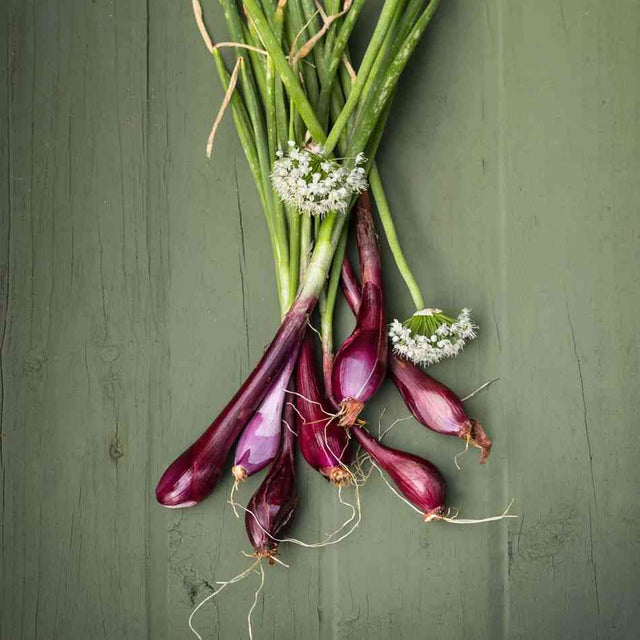
- Bunching - Crimson Forest
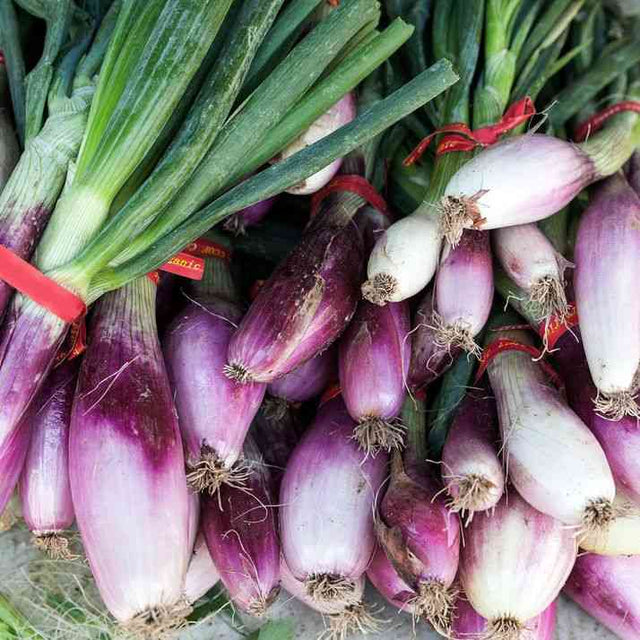
- Short - Red Torpedo (Tropeana Lunga)
Related collections
Start seed correctly: depth is not a suggestion
Soil, light, water, and the discipline of not treating every herb alike

Season and regional timing
Short-day and intermediate onions fit much of the Southeast; northern long-day types require longer summer day length.
Harvest is management, not merely reward
Save seed honestly
Onions, leeks, and related alliums are insect-pollinated biennials. Overwinter selected plants, isolate compatible flowering varieties, and save from a broad population.

A working season plan: trial, timing, and quality
Run the crop as a fair trial
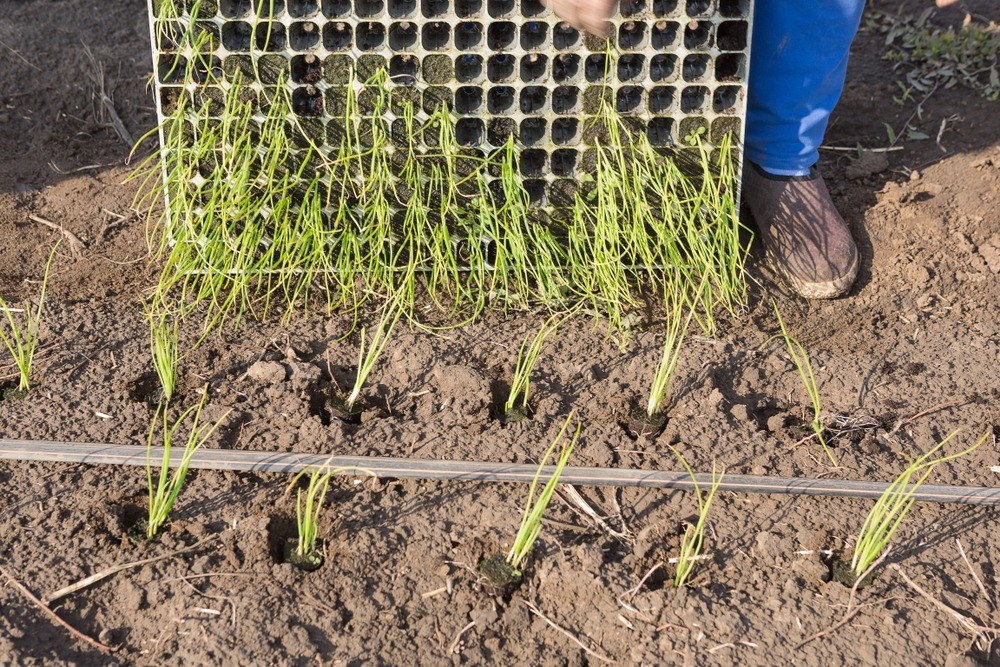
Test onion systems side by side: seed started in cells, sets planted directly, and transplants of the same or comparable day-length class. Record labor, survival, bolting, bulb uniformity, neck thickness, harvest date, and storage. Sets may be fast but can bolt; seedlings offer variety choice and control but demand time and light. Purchased transplants save early labor but place more trust in someone else’s labeling and handling.
Put the calendar to work
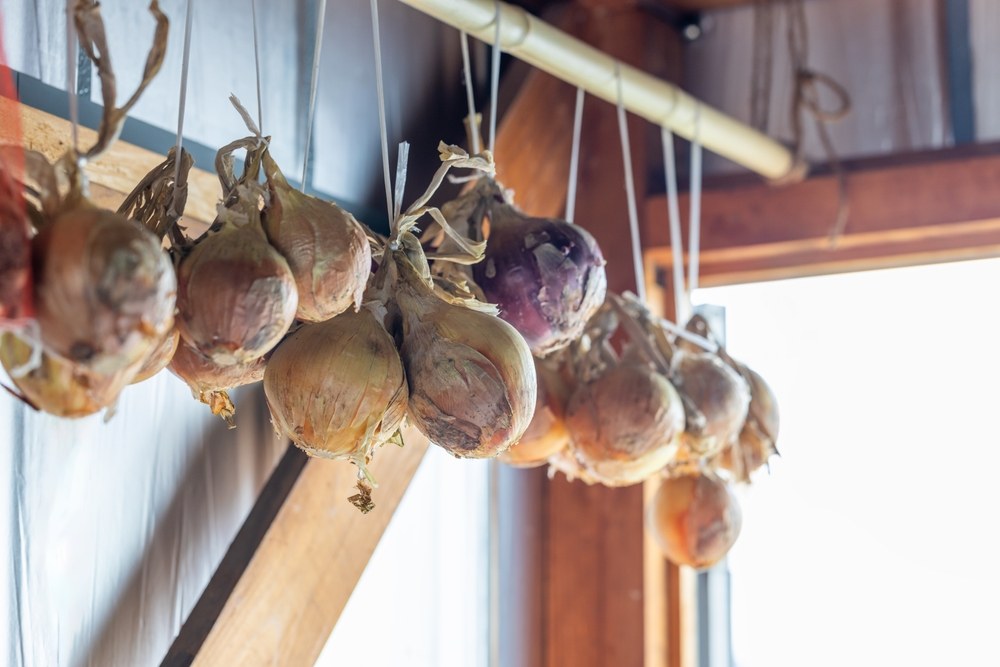
Work backward from latitude and bulbing season. Start seed early enough to produce sturdy transplants, trim only when necessary for management, and set plants shallowly without burying the growing point. Keep the shallow root zone evenly moist and weed-free. As bulbs mature, reduce irrigation according to conditions, harvest when tops fall naturally, and cure in a dry, ventilated place. Bunching onions are managed for repeated fresh harvest; storage onions are managed for a finished bulb and dry neck.
Judge the harvest after it leaves the bed
Grade onions by intended use. Thin-necked, sound bulbs with intact skins belong in storage. Thick-necked, damaged, or immature bulbs should be used first. Record which varieties bulb correctly at your day length and which merely make attractive foliage. The catalog can call an onion beautiful; the latitude has the final vote. A reliable onion program is built from correct classification, early planning, steady moisture, and the humility to stop growing a type that cannot finish where you live.
| Record | What to write down | Why it matters |
|---|---|---|
| Emergence | Date of first and majority emergence, usable seedlings, and temperature | Separates seed performance from memory and guesswork |
| Plant form | Height, spread, branching, lodging, off-types, and disease | Shows whether the crop fits the bed, container, and labor available |
| Harvest | First cut, useful yield, flavor, cleaning time, and storage behavior | Measures value after the photograph is taken |
| Seed crop | Flowering overlap, isolation, selected plants, maturity, and final label | Protects identity and gives the next season a trustworthy starting point |
The seedkeeper’s record
Day-length class and harvest type matter more than romantic variety language. The guide distinguishes seed, set, and transplant systems without promoting a competing supplier.
Seed is patient with honest uncertainty. It is less forgiving of confident fiction.