Seeds: When properly stored, planted, and cared for, we guarantee reasonable germination and true-to-type growth for one year from purchase.
Non-seed products: Free from defects in materials and workmanship for 30 days from shipment.
Excludes factors outside our control (extreme weather, pests, gardener error). If something’s off, contact us—we’ll make it right with a replacement, repair, or refund.
USDA “bioengineered (BE)” foods are those with detectable genetic material that was modified using in vitro recombinant DNA (rDNA) techniques, in ways
not obtainable through conventional breeding or found in nature. The USDA’s National Bioengineered Food Disclosure Standard uses “bioengineered” as the nationwide labeling term.
Detectable modified genetic material in the final food
Created via in vitro rDNA techniques (e.g., gene transfer)
Modifications not achievable through conventional breeding or nature
—seeds / pkt
( ~ g )
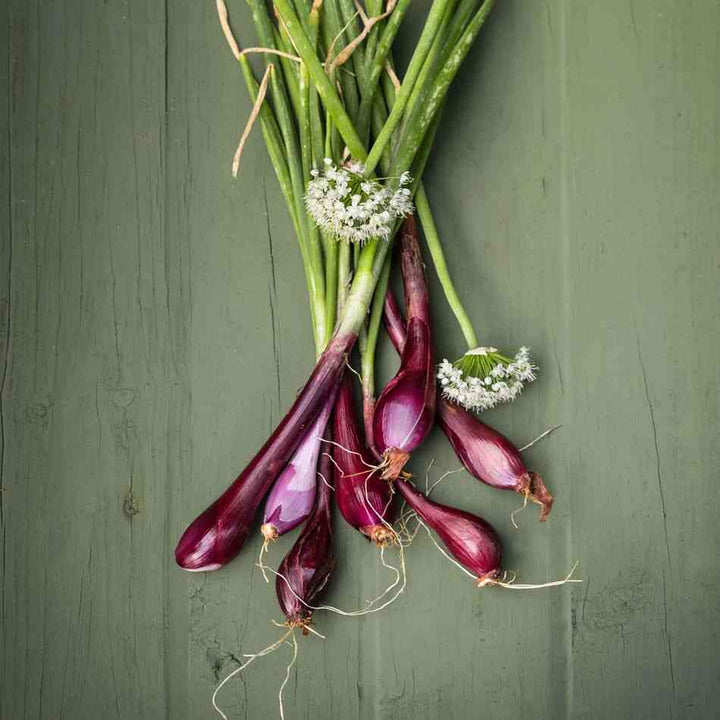
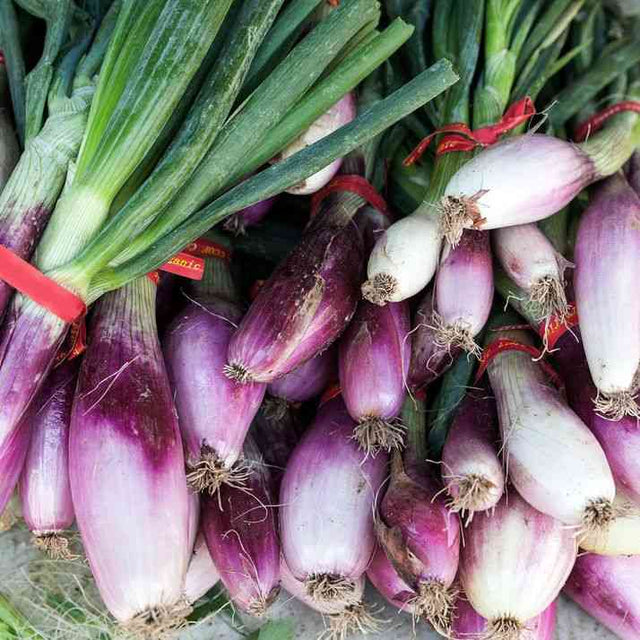
Onion Seeds - Short - Red Torpedo (Tropeana Lunga) is a distinctive heirloom variety known for its elongated, torpedo-shaped bulbs and vibrant red skin. Onion Seeds - Short - Red Torpedo produces mild, sweet-flavored onions with crisp, juicy flesh, making them ideal for fresh eating, salads, and light cooking. This variety is especially prized for its low pungency and high sugar content, delivering a smooth, delicate onion flavor. Adapted to short-day growing conditions, Onion Seeds - Short - Red Torpedo performs well in warmer regions and develops uniform, attractive bulbs with excellent culinary versatility. Its unique shape and exceptional taste make it a standout choice for gardeners seeking both visual appeal and premium flavor.
germinated
havr grown these before, they're like shallots, mil;d nice salad onions, very pretty
A
Anonymous (United States)
They grew but do not stay upright
Hey Bhawan! That sounds like the growing conditions were not quite right... perhaps temperature or moisture fluctuation!
How to sow and plant Onion: plant in prepared, well-drained soil after the recommended seasonal window for your area. Keep the seedbed evenly moist during germination, thin seedlings to the listed spacing, and mulch established plants to conserve soil moisture.
Onion Seeds - Short - Red Torpedo (Tropeana Lunga) require a season-long approach focused on steady development, environmental consistency, and careful observation. Unlike many crops that respond well to rapid growth, onions perform best when grown slowly and evenly, allowing them to develop both strong foliage and well-formed bulbs.
The growth cycle begins with establishing healthy, upright foliage, which is the foundation for bulb development. Each leaf produced by the plant corresponds directly to a layer in the onion bulb, meaning that early leaf health directly determines final bulb size and structure. For this reason, maintaining strong, uninterrupted leaf growth during the early and mid-season stages is critical.
One of the most important aspects of growing this variety is understanding its response to day length. As a short-day onion, bulb formation is triggered when daylight hours reach a specific threshold. Until that point, the plant focuses on vegetative growth. Once triggered, energy shifts rapidly toward bulb expansion. Ensuring the plant is healthy and well-developed before this transition is essential for producing large, high-quality onions.
Water management plays a central role throughout the entire growth cycle. Onions have shallow root systems, making them highly sensitive to fluctuations in soil moisture. Consistent, moderate watering supports steady growth, while irregular watering can cause stress, leading to uneven bulb formation, splitting, or stronger, less desirable flavor. The goal is to maintain evenly moist soil without waterlogging, as excess moisture can lead to rot and disease.
Soil conditions must support both root expansion and bulb formation. Loose, well-drained soil allows the bulb to develop its characteristic elongated shape without restriction. Compacted or heavy soils can distort growth and reduce overall quality. Maintaining good soil structure throughout the season ensures that the plant can expand freely as it matures.
Nutrient management should be balanced and timed appropriately. During early growth, the plant benefits from moderate nitrogen to support leaf development. However, once bulb formation begins, excessive nitrogen can delay maturation and reduce bulb quality. At this stage, the plant should naturally shift its energy toward bulb development without additional stimulation.
Weed control is essential throughout the growing period. Onions are poor competitors due to their narrow, upright leaves, which do not effectively shade the soil. Weeds can quickly outcompete onions for nutrients, water, and light, significantly reducing bulb size and quality. Maintaining a clean growing area ensures that plants have full access to resources.
As the plant transitions into bulb formation, maintaining stability becomes even more important. Sudden changes in watering, nutrients, or environmental conditions can disrupt this process, leading to uneven or underdeveloped bulbs. Consistency during this stage is key to achieving uniform growth.
Foliage health must be protected at all times. Because the leaves are directly responsible for feeding the bulb, any damage from pests, disease, or environmental stress reduces the plant’s ability to produce energy. Regular monitoring and early intervention help maintain strong, healthy foliage throughout the season.
As maturity approaches, the plant will begin to signal readiness for harvest. The tops will gradually yellow and fall over, indicating that the bulb has completed its development. At this stage, reducing watering slightly helps prepare the bulb for harvest and improves its ability to cure properly.
Post-harvest handling is an extension of the growing process. Proper curing in a dry, well-ventilated area allows the outer layers to dry and form a protective barrier, improving storage life and flavor stability. Even though Red Torpedo is not a long-storage variety, proper curing enhances its quality and usability.
Environmental awareness is an important part of successful onion growing. Temperature fluctuations, excessive rainfall, or prolonged drought can all impact growth. While these factors cannot always be controlled, adjusting care practices—such as watering frequency or mulching—can help mitigate their effects.
Ultimately, growing Red Torpedo onions successfully comes down to maintaining steady, balanced conditions from start to finish. Avoid extremes, monitor plants regularly, and respond to changes early. By supporting consistent leaf development, managing the transition to bulb formation, and maintaining stable environmental conditions, growers can produce high-quality onions with excellent flavor, texture, and characteristic shape.
Onion Seeds - Short - Red Torpedo (Tropeana Lunga) benefit greatly from precision and consistency, as small adjustments in care can significantly impact bulb size, shape, and flavor. Because this is a specialty, sweet onion variety, the goal is not just growth—but producing high-quality, elongated bulbs with mild taste and uniform structure.
One of the most important tips is understanding day-length sensitivity. This is a short-day onion, meaning bulb formation is triggered by shorter daylight hours. Planting it in the correct region and season is critical—if grown in the wrong day-length conditions, plants may produce lush tops but fail to bulb properly. Always align planting timing with your region’s natural light cycle to ensure proper development.
Soil preparation is essential for achieving the signature torpedo shape. Unlike round onions, this variety needs loose, deep, obstruction-free soil to elongate properly. Even minor compaction or debris can distort bulb shape. Work the soil thoroughly before planting, removing rocks and breaking up clumps. Incorporating organic matter improves both structure and moisture retention, creating an ideal growing environment.
Consistent moisture management is one of the most impactful factors for success. Onions have shallow roots, so they rely on steady access to water. Irregular watering can lead to stress, resulting in uneven growth, splitting, or stronger flavor. Aim for consistent, moderate moisture—never allowing the soil to fully dry out, but also avoiding waterlogging. Mulching is highly recommended, as it stabilizes moisture levels and reduces evaporation.
Nutrient balance plays a key role in both growth and flavor. Early in the season, onions benefit from moderate nitrogen to support leaf development, as the leaves directly contribute to bulb formation. However, excessive nitrogen later in the season can delay bulbing and reduce quality. As bulbs begin to form, shift focus away from nitrogen-heavy inputs and allow the plant to direct energy into bulb development.
Spacing is often underestimated but is critical for achieving full-sized, well-formed bulbs. Crowded plants compete for nutrients and space, resulting in smaller or misshapen onions. Proper spacing allows each plant to expand fully and develop its characteristic elongated form. If necessary, thin plants early to maintain adequate spacing.
Weed control is especially important for onions, as they are poor competitors. Their narrow, upright leaves do not shade the soil effectively, allowing weeds to quickly take over. Weeds compete for water and nutrients, directly impacting bulb size and quality. Keeping beds clean—especially during early growth—is essential for strong development.
Managing foliage health is directly tied to bulb success. The leaves act as the plant’s energy source, so any damage from pests, disease, or stress reduces bulb development. Regularly inspect plants and address issues early. Healthy, upright foliage is a strong indicator of good bulb formation.
Timing the end-of-season care is another key technique. As bulbs mature, reducing watering slightly can help improve storage quality and prevent rot. However, this must be done carefully—cutting water too early can reduce bulb size, while continuing heavy watering too late can lead to splitting or poor curing.
Harvest timing is critical for both quality and storage. Wait until the tops naturally fall over, indicating that the bulb has reached maturity. Harvesting too early results in underdeveloped bulbs, while waiting too long can reduce quality. After harvesting, proper curing in a dry, well-ventilated space is essential to extend shelf life and enhance flavor.
For growers looking to refine their results, succession planting and observation are valuable strategies. Tracking planting dates, growth patterns, and environmental conditions helps identify what works best in your specific climate. Because onions are highly responsive to their environment, small improvements can lead to significantly better outcomes.
Finally, one of the most advanced tips is focusing on consistency over intensity. Onions respond better to steady, balanced care than to extremes. Avoid sudden changes in watering, nutrients, or growing conditions. By maintaining a stable environment from planting through harvest, you can produce high-quality Red Torpedo onions with excellent flavor, uniform shape, and strong overall performance.
Onion Seeds - Short - Red Torpedo (Tropeana Lunga) can be affected by a range of pests, diseases, and environmental stressors that impact both bulb quality and overall plant health. Because onions have a relatively shallow root system and a long growing period, consistent monitoring and preventive care are essential for success.
One of the most common insect pests is the onion thrips. These tiny insects feed on leaf tissue, causing silvery streaks, curling, and reduced photosynthesis. Over time, heavy infestations can significantly weaken plants and reduce bulb size. Thrips thrive in hot, dry conditions, so maintaining consistent moisture and good airflow helps reduce their impact. Strong water sprays can dislodge them, while organic controls like insecticidal soap may be used if populations increase.
Onion maggots are another major concern, particularly in cooler, moist conditions. The larvae feed on the base of the plant and developing bulbs, causing rot and plant collapse. Adult flies lay eggs at the soil line, and once larvae hatch, they can quickly damage crops. Preventive strategies are critical—crop rotation, avoiding planting onions in the same location repeatedly, and using row covers early in the season to block egg-laying are highly effective. Once maggots are present, control is difficult, so prevention is the best approach.
Fungal diseases such as downy mildew and purple blotch can also affect onions. Downy mildew appears as pale patches on leaves that eventually develop a grayish fungal growth, while purple blotch causes dark lesions that can weaken foliage. These diseases are often encouraged by high humidity and poor airflow. Proper spacing, avoiding overhead watering, and ensuring good ventilation help reduce disease pressure. Removing affected foliage early can prevent spread.
Basal rot and other soil-borne diseases can impact bulb development, particularly in poorly drained soil. Symptoms include yellowing leaves, stunted growth, and rotting at the base of the bulb. These pathogens persist in the soil, making crop rotation and well-drained soil essential preventive measures. Avoiding overwatering and ensuring proper soil structure also reduce risk.
Nutrient imbalances can lead to poor growth or weak bulbs. Excess nitrogen promotes leafy growth at the expense of bulb formation, while insufficient nutrients can result in small or underdeveloped bulbs. Maintaining balanced soil fertility supports healthy development and reduces susceptibility to stress-related issues.
Weeds are a significant indirect problem for onions. Because onions have narrow leaves and limited shading ability, they compete poorly with weeds. Weed competition reduces access to nutrients, water, and light, leading to smaller bulbs and increased stress. Keeping beds clean and weed-free is critical for optimal growth.
Environmental stress, particularly inconsistent watering, can also affect bulb quality. Fluctuations in moisture can lead to splitting, uneven growth, or reduced flavor quality. Maintaining steady soil moisture throughout the growing period is key to producing uniform, high-quality onions.
Another common issue is bolting, where the plant sends up a flower stalk prematurely. This is usually triggered by temperature stress, especially exposure to cold followed by warm conditions. Once bolting occurs, bulb quality declines significantly. Proper planting timing and avoiding early-season stress help minimize this risk.
The most effective approach to managing pests and problems in Red Torpedo onions is preventive and consistent care. Start with healthy soil, maintain proper spacing and moisture, rotate crops regularly, and monitor plants frequently. Early detection of pests or disease allows for quick intervention, preventing minor issues from becoming major problems. With careful management, this variety can produce high-quality, flavorful bulbs with minimal loss.
Q: What makes Red Torpedo (Tropeana Lunga) onions different from standard bulb onions?
A: Red Torpedo onions are distinct for their elongated, cylindrical shape and notably sweet, mild flavor. Unlike many round storage onions that are bred for pungency and long shelf life, this variety is selected for fresh eating quality. Its lower sulfur content reduces sharpness, making it ideal for raw use in salads or light cooking. The shape also reflects regional breeding in Southern Italy, where both aesthetics and culinary performance were prioritized.
Q: Are Red Torpedo onions suitable for long-term storage?
A: No, this variety is considered a fresh-use or short-storage onion. Due to its higher water and sugar content, it does not store as long as traditional storage onions. For best results, it should be used within a few weeks to a couple of months after harvest. Proper curing can extend storage slightly, but it is primarily valued for immediate culinary use rather than long-term keeping.
Q: Why are my Red Torpedo onions not forming proper bulbs?
A: Bulb formation in onions is heavily influenced by day length. This is a short-day variety, meaning it requires shorter daylight hours to trigger bulbing. If grown in regions with long summer days, it may continue producing leaves without forming bulbs. Additionally, overcrowding, poor soil nutrition, or inconsistent watering can also reduce bulb development.
Q: How important is spacing for this onion variety?
A: Proper spacing is critical. If plants are too close together, they compete for nutrients and space, resulting in smaller or misshapen bulbs. Adequate spacing allows each plant to develop fully and produce the characteristic elongated shape. Crowding can also reduce airflow, increasing the risk of disease.
Q: What causes onions to bolt, and how can I prevent it?
A: Bolting occurs when onions prematurely send up a flower stalk, often triggered by stress such as temperature fluctuations—especially exposure to cold followed by warmth. Once an onion bolts, bulb quality declines. To reduce bolting, plant at the correct time for your region and avoid exposing young plants to prolonged cold conditions.
Q: Can I grow Red Torpedo onions in containers?
A: Yes, they can be grown in containers if the container is deep enough to accommodate root and bulb development—typically at least 10–12 inches deep. Loose, well-draining soil and consistent watering are essential. Container growing can be especially useful in regions where soil conditions are less than ideal.
Q: Why do my onions taste too strong or pungent?
A: Flavor intensity in onions is influenced by growing conditions, particularly water availability and soil nutrients. Inconsistent watering or nutrient stress can increase sulfur compound concentration, leading to a stronger taste. Maintaining steady moisture and balanced soil fertility helps preserve the mild, sweet flavor this variety is known for.
Q: How do I know when Red Torpedo onions are ready to harvest?
A: Onions are typically ready when the tops begin to yellow and fall over naturally. This indicates that the bulb has reached maturity. At this stage, harvesting should be done carefully, followed by curing in a dry, well-ventilated area to improve storage quality and flavor.
Q: Can I save seeds from Red Torpedo onions?
A: Yes, onions are biennial, meaning they produce seeds in their second year. To save seeds, bulbs must be overwintered and replanted to allow flowering. However, onions cross-pollinate easily, so isolation from other onion varieties is necessary to maintain purity.
Q: What soil conditions produce the best onions?
A: Onions perform best in loose, well-drained soil with moderate fertility. Compacted or heavy soil can restrict bulb expansion and lead to irregular shapes. A balanced soil environment supports both root development and bulb formation, resulting in higher-quality harvests.
Q: Why are my onions small even though the plants look healthy?
A: Small bulbs can result from overcrowding, insufficient nutrients, or improper day-length conditions. Even if foliage appears healthy, the plant may not be receiving the correct signals or resources to form large bulbs. Ensuring proper spacing, appropriate variety selection for your region, and consistent care improves bulb size.
Q: How can I improve overall yield and bulb quality?
A: Focus on consistency—steady watering, proper spacing, and suitable growing conditions for a short-day onion. Avoid stress during key growth stages, and ensure soil is well-prepared before planting. Monitoring plants regularly and making small adjustments as needed will lead to better overall results.
Q: Are Red Torpedo onions good for cooking as well as fresh use?
A: Yes, while they are especially prized for fresh eating due to their mildness, they also perform well in cooking. Their natural sweetness enhances roasted, grilled, or lightly sautéed dishes, making them versatile in the kitchen.
Q: What makes this onion culturally significant?
A: Red Torpedo onions are closely tied to Southern Italian agricultural traditions, particularly in Calabria. They reflect centuries of regional selection for flavor and adaptability, and they continue to be valued in Mediterranean cuisine for their sweetness and unique appearance.
Onion Seeds - Short - Red Torpedo (Tropeana Lunga) traces its origins to the rich agricultural traditions of Southern Italy, particularly the Calabria region, where onions have been cultivated for centuries as both a staple food and a regional specialty. This variety is closely associated with the historic Tropea onions, which are believed to have been introduced to Italy by Phoenician or Greek traders who carried early onion types across the Mediterranean. Over generations, farmers in this region selectively bred onions for sweetness, mildness, and adaptability to the warm coastal climate, resulting in the elongated, torpedo-shaped form that distinguishes this variety today.
The broader history of onions (Allium cepa) stretches back over 5,000 years, with origins believed to lie in Central Asia or the Near East. Onions were among the earliest cultivated crops due to their durability, storage capability, and nutritional value. Ancient Egyptians valued onions highly, using them not only as food but also in religious and burial practices, symbolizing eternity because of their layered structure. From Egypt, onion cultivation spread throughout the Mediterranean, Europe, and eventually the rest of the world.
The development of Red Torpedo onions reflects a regional refinement of this ancient crop. In Calabria, the unique combination of sandy coastal soils, mild winters, and long growing seasons created ideal conditions for producing onions with higher sugar content and lower sulfur compounds, resulting in a noticeably sweeter and less pungent flavor. Farmers selected for elongated bulbs that were easier to harvest and visually distinctive in local markets. Over time, these traits became stabilized, giving rise to the characteristic shape and flavor profile of Tropeana-type onions.
Culturally, onions like Red Torpedo have played a central role in Mediterranean cuisine. Their mild sweetness makes them suitable for raw consumption in salads, as well as for light cooking where their flavor can be highlighted rather than masked. In Southern Italy, they are often used fresh, grilled, or incorporated into traditional dishes that emphasize simple, high-quality ingredients. The variety’s reputation for sweetness has made it a sought-after ingredient in both local and international culinary contexts.
In modern agriculture, Red Torpedo onions represent a continuation of heirloom selection practices that prioritize flavor and regional adaptation over uniformity for industrial production. While many commercial onion varieties have been bred for storage and transport durability, heirloom types like this maintain their focus on taste and unique characteristics. This makes them especially valued in home gardens and specialty markets, where quality and distinctiveness are prioritized.
Growing this variety today connects gardeners to a long lineage of onion cultivation that spans ancient civilizations and regional traditions. It reflects the enduring importance of local selection and cultural preference in shaping the crops we grow and eat. Red Torpedo onions are not just a food source—they are a product of centuries of agricultural knowledge, environmental adaptation, and culinary heritage.
Saving seeds from Red Torpedo onions requires patience and a clear understanding of the plant’s biennial lifecycle. Unlike annual crops that produce seed in a single season, onions complete their reproductive cycle over two years. In the first year, the plant focuses on bulb formation. In the second year, that bulb must be replanted to produce a flower stalk and eventually seeds. This extended timeline is essential to understand before beginning seed saving.
The process begins by selecting high-quality bulbs at the end of the first growing season. Choose bulbs that are true to type—well-formed, elongated, healthy, and free from disease or damage. Avoid any bulbs that show signs of rot, splitting, or irregular growth, as these traits can be passed on to the next generation. Proper selection is one of the most important steps in maintaining the integrity of the variety.
After harvest, the selected bulbs must be properly cured and stored through the winter. Store them in a cool, dry, well-ventilated environment where they will remain dormant but viable. The goal is to preserve the bulb without allowing it to sprout prematurely or deteriorate. Monitoring during storage is important—remove any bulbs that begin to rot or soften.
In the following growing season, replant the stored bulbs. Once replanted, the onion will shift its energy toward reproduction, sending up a tall flower stalk known as a scape. This stalk will eventually produce a spherical cluster of small flowers, called an umbel. These flowers are highly attractive to pollinators and require insect activity—primarily bees—for successful pollination.
Isolation is a critical factor in onion seed saving. Onions are cross-pollinated and can easily cross with other onion varieties if grown nearby. To maintain varietal purity, different onion types should be separated by a significant distance or otherwise isolated. Without proper isolation, the resulting seeds may not produce plants true to the Red Torpedo variety.
As the flowers mature, they will begin forming seeds within the dried flower heads. This process does not occur all at once—seed maturation is uneven, and some seeds will be ready before others. Careful monitoring is required. The umbels will gradually dry, and individual seed pods will begin to open, revealing small black seeds.
Harvesting should be timed carefully to prevent seed loss. Once a significant portion of the seeds have matured but before they begin to drop, cut the entire flower head and place it in a dry, well-ventilated area to finish drying. Placing a bag or container beneath the drying heads helps capture any seeds that fall during this process.
Once fully dry, the seeds can be separated from the plant material through gentle threshing and cleaning. This involves breaking apart the dried flower heads and removing debris to isolate the seeds. Proper cleaning improves storage quality and reduces the risk of mold or contamination.
After cleaning, seeds must be thoroughly dried before storage. Any remaining moisture can lead to mold or reduced viability. Spread seeds in a thin layer and allow them to dry in a cool, dry environment for several days.
Storage conditions are critical for maintaining seed viability. Onion seeds have a relatively short shelf life compared to some other crops, typically remaining viable for one to two years under optimal conditions. Store seeds in a cool, dark, and dry environment, ideally in airtight containers. Labeling with the variety name and harvest date is essential for organization and future use.
Because onions are cross-pollinated and require a long seed-saving cycle, maintaining genetic purity and viability requires careful attention at every stage. However, the reward is the ability to preserve a unique heirloom variety and adapt it to your specific growing conditions over time.
Seed saving from Red Torpedo onions is both a technical and rewarding process. By selecting the best bulbs, managing the biennial lifecycle, ensuring proper pollination and isolation, and carefully handling harvest and storage, growers can successfully produce high-quality seeds that carry forward the characteristics of this distinctive and flavorful variety.
Red Torpedo onions are highly valued for their exceptional culinary versatility, mild sweetness, and unique elongated shape, making them a standout ingredient in both traditional and modern kitchens. Unlike standard storage onions, this variety is known for its low pungency and high sugar content, which allows it to be used raw without the harsh bite typically associated with onions.
One of the primary uses of Red Torpedo onions is in fresh preparations. Their mild, almost fruity flavor makes them ideal for slicing into salads, layering onto sandwiches, or incorporating into fresh salsas and relishes. Because they lack strong sulfur compounds, they do not overpower other ingredients, allowing for balanced and nuanced flavor combinations.
In cooked applications, Red Torpedo onions excel due to their natural sweetness. When sautéed, roasted, or grilled, their sugars caramelize beautifully, producing rich, complex flavors. They are particularly well-suited for slow cooking methods, where their sweetness can deepen and enhance dishes such as soups, stews, and braises. Their elongated shape also makes them visually appealing when roasted whole or halved.
This variety is also excellent for pickling. Its firm texture holds up well in brines, while its mild flavor allows it to absorb spices and vinegar without becoming overly sharp. Pickled Red Torpedo onions are commonly used as a condiment, adding brightness and color to a wide range of dishes.
Nutritionally, Red Torpedo onions offer several health benefits. They are a good source of vitamin C, which supports immune function, and contain beneficial plant compounds such as flavonoids and antioxidants. These compounds are associated with reducing inflammation and supporting overall health. Onions also contain prebiotic fibers that support gut health by feeding beneficial bacteria.
From a culinary efficiency standpoint, their shape and structure make them easy to slice uniformly, which is particularly useful in professional or high-volume cooking environments. Their consistent texture also ensures even cooking, improving the quality of finished dishes.
In addition to their kitchen value, Red Torpedo onions offer benefits for growers. They are well-suited to fresh market sales due to their distinctive appearance and premium quality. Their elongated, deep red bulbs stand out visually, making them attractive to consumers seeking specialty or heirloom produce.
They also perform well in small-scale and diversified farming systems. Because they are typically harvested for fresh use rather than long-term storage, they can be integrated into crop rotations that prioritize quick turnover and high-value crops. Their relatively short storage life encourages fresh consumption, aligning with local and seasonal food systems.
From a cultural and historical perspective, this variety carries significance as a traditional Italian onion, often associated with regional cuisines that emphasize fresh, high-quality ingredients. Growing and using this variety helps preserve agricultural heritage and culinary traditions.
Another benefit is their adaptability in the kitchen across different cuisines. Their mild flavor makes them suitable for raw applications in Mediterranean dishes, lightly cooked in European cuisine, or caramelized for use in a wide range of global recipes.
In terms of dietary use, Red Torpedo onions are ideal for individuals seeking milder onion varieties that are easier to digest. Their lower sulfur content can make them more tolerable for those sensitive to stronger onions, allowing them to enjoy the flavor without discomfort.
Finally, their aesthetic value should not be overlooked. The deep red skin and elongated form add visual appeal both in the garden and on the plate. This makes them a valuable addition to both ornamental edible gardens and presentation-focused culinary applications.
Overall, Red Torpedo onions provide a combination of flavor, versatility, nutrition, and visual appeal. Their ability to perform well in fresh, cooked, and preserved forms—while also offering grower and market advantages—makes them a highly valuable and multifunctional crop.
Shipped from U.S.A.
Our seeds are grown and sourced from the US. They're then packed and shipped from Colerain NC.
Triple tested
We regularly test the quality and germination rate of our seeds. We're so confident that our seeds are backed by a 1 year warranty!
Payment & Security
Payment methods
Your payment information is processed securely. We do not store credit card details nor have access to your credit card information.
Complete the garden
Turn one packet into a full plan.
Help shoppers add companion seeds, garden supplies, and related goals before they leave the product page.
Sign up for our newsletter to get a 30% discount code sent straight to your inbox. If it doesn’t appear right away, please check your inbox settings, and if you still need help, we’re here to assist!
Your cart
Start with a garden goal.Browse seed packets, seasonal picks, pantry goods, or starter garden ideas.
Onion Seeds - Short - Red Torpedo (Tropeana Lunga)
$200 USD
Unit price
Onion Seeds - Short - Red Torpedo (Tropeana Lunga) is a distinctive heirloom variety known for its elongated, torpedo-shaped bulbs and vibrant red skin. Onion Seeds - Short - Red Torpedo produces mild, sweet-flavored onions with crisp, juicy flesh, making them ideal for fresh eating, salads, and light cooking. This variety is especially prized for its low pungency and high sugar content, delivering a smooth, delicate onion flavor. Adapted to short-day growing conditions, Onion Seeds - Short - Red Torpedo performs well in warmer regions and develops uniform, attractive bulbs with excellent culinary versatility. Its unique shape and exceptional taste make it a standout choice for gardeners seeking both visual appeal and premium flavor.