
Cut-flower garden planning guide
A productive cut-flower garden is planned around harvest. Plants must be reachable, stems must be long enough, varieties must bloom in useful sequence, and irrigation must work without soaking flowers every evening.
The most beautiful seed list can still produce a chaotic bed if every crop matures at once or tall plants shade the short ones. A smaller planting with clear rows, repeat sowings, and dependable workhorse flowers usually fills more jars.
This guide treats flowers as a crop while preserving the joy that brought them into the garden.
A cutting garden is not a flower border with scissors. It is a working field in miniature, and the path matters nearly as much as the bloom.
Build the seed list after the bed plan
Once bed width, succession timing, stem length, and harvest access are settled, compare the cut flower seed collection and the broader heirloom flower seeds catalog. Buy for the production plan, not for a photograph on the packet.
Choose flowers for performance as well as color
| Role | Examples | Planning value |
|---|---|---|
| Warm-season workhorses | Zinnias, cosmos, celosia, branching sunflowers | Long harvest and repeated cuts |
| Cool-season flowers | Snapdragons, larkspur, poppies, sweet peas | Early or shoulder-season production |
| Focal flowers | Large sunflowers, dahlias, amaranth, cockscomb | Visual weight in bouquets |
| Filler and movement | Dill, basil flowers, airy grasses, yarrow | Connects larger flowers and adds texture |
| Dried material | Celosia, gomphrena, statice, seed heads | Extends use beyond the fresh season |
Read stem length, plant height, branching habit, pollen, vase life, and days to maturity. A compact bedding variety may flower beautifully and still be frustrating to cut.
Lay out beds for hands, buckets, and airflow
- Keep rows narrow enough to reach the center without stepping into the bed.
- Provide paths wide enough for buckets and repeated harvest.
- Place tall crops where they will not shade shorter rows.
- Install support before stems lean and tangle.
- Separate crops with different irrigation or harvest needs.
A cutting bed is visited frequently. Good access prevents broken stems, compacted soil, and skipped harvests when the weather is hot.
Start each crop by the method it tolerates
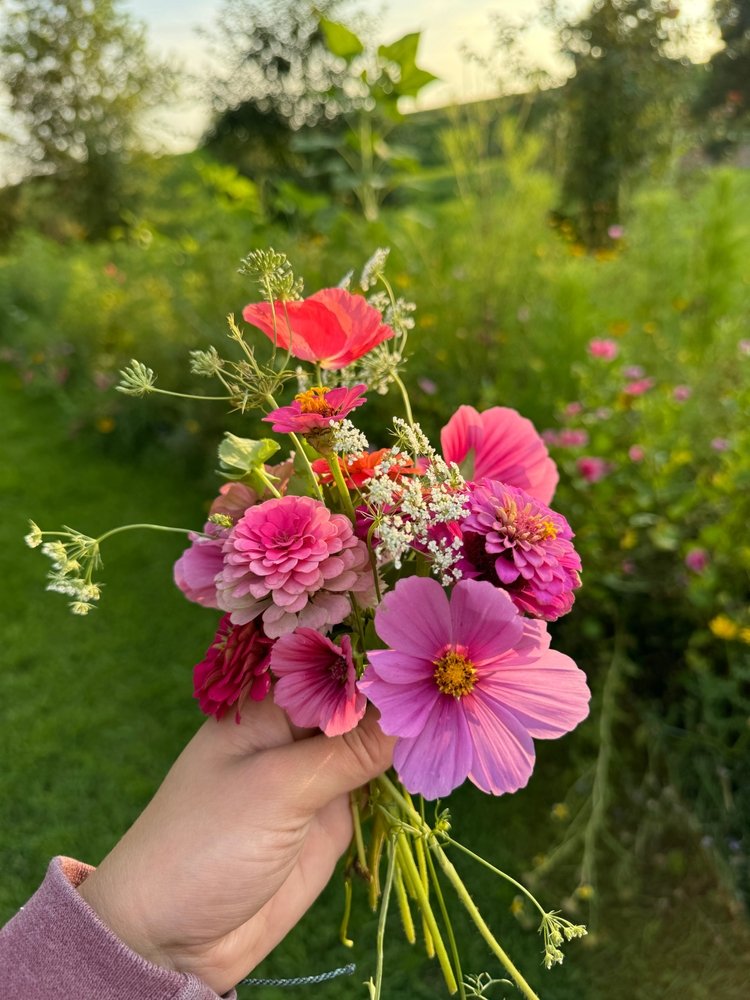
Zinnias, sunflowers, cosmos, and many warm-season annuals can be direct sown after the soil warms. Snapdragons and slower flowers often benefit from indoor starting. Poppies and larkspur usually prefer direct sowing in cool conditions.
Use a clean seed-starting mix and strong light for indoor crops. Direct sow into a firm, weed-free bed. Label every row with variety and date because a cutting plan depends on knowing which sowing is which.
Stagger bloom instead of planting one enormous wave
- Choose the desired bouquet season.
- Plant early, middle, and late varieties.
- Repeat small sowings of short-lived annuals.
- Start replacement transplants before old rows decline.
- Stop sowing when days become too short for useful maturity.
Succession is especially valuable for sunflowers, zinnias, cosmos, and filler flowers. It spreads both harvest and risk. A storm that ruins one planting need not end the season.
For a wedding, opening, or seasonal display, packet maturity is not enough. Add time for variable weather, stem development, and the fact that not every plant opens on the same day.
Pinch, support, and feed for usable stems
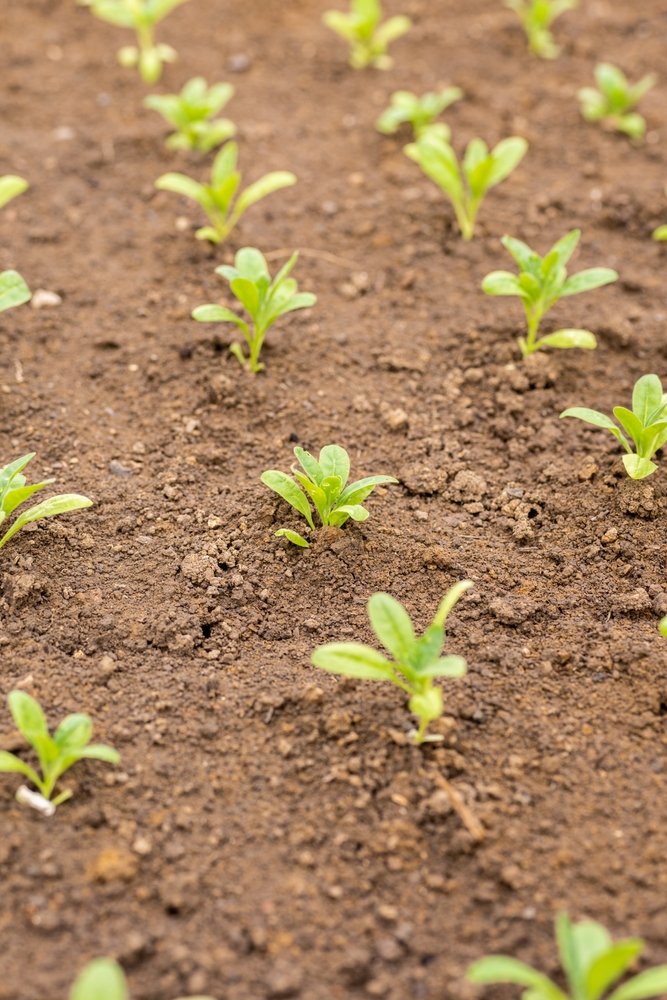
Many branching annuals produce more stems after the growing tip is pinched above healthy nodes. Single-stem sunflowers are not pinched. Species and cultivar matter.
Use netting, stakes, or corrals before plants fall. Overfeeding nitrogen creates lush weak growth and disease pressure. A soil test and modest fertility produce stronger stems than constant rescue feeding.
Water the root zone deeply. Avoid wetting flowers late in the day, especially in humid climates.
Harvest at the right stage and condition promptly
| Flower type | Useful harvest stage | First handling |
|---|---|---|
| Zinnia | Firm stem, flower fully open | Cut deep and place in clean water |
| Sunflower | Petals beginning to lift | Remove lower leaves and hydrate |
| Cosmos | Bud cracked or first bloom open | Harvest cool and recut |
| Celosia | Head well formed, before aging | Strip foliage below water line |
| Poppy | Bud showing color, species dependent | Use a proven conditioning method |
Use clean sharp tools and clean buckets. Strip foliage that would sit below water. Move harvested stems out of sun immediately. Vase life begins in the field.
Troubleshoot the cutting system, not just the flower
| Problem | Likely cause | Adjustment |
|---|---|---|
| Short stems | Compact cultivar, crowding, or stress | Choose cutting strains and improve spacing |
| One brief flush | No succession or determinate habit | Repeat sowing and diversify crop timing |
| Bent stems | Support installed too late | Net or stake early |
| Disease in dense rows | Crowding, overhead water, poor airflow | Widen spacing and water roots |
| Flowers fade in bucket | Harvested hot, dirty water, delayed hydration | Cut cool and handle promptly |
Plan around Southern heat and humidity
Cool-season flowers should be established early enough to bloom before intense heat. Warm-season flowers should not be rushed into cold soil. Coastal and Piedmont gardens can produce long zinnia and celosia seasons but face disease pressure. Mountain sites have cooler nights and shorter warm windows.
Build the calendar around local frost and heat, then choose crops that want that period. A flower forced into the wrong season is labor disguised as ambition.
Questions gardeners ask
How large should a first cutting garden be?
Start with a size you can weed, water, support, and harvest several times each week. A few narrow beds can be highly productive.
Which flowers are easiest from seed?
Zinnias, cosmos, sunflowers, celosia, and gomphrena are strong warm-season choices when matched to conditions.
Do cut flowers need full sun?
Most high-yield annual cut flowers perform best in full sun, though a few crops tolerate some shade.
How often should I sow sunflowers?
Small plantings every one to three weeks can extend harvest, depending on branching type, season, and use.
Should I deadhead a cutting garden?
Frequent cutting serves the same purpose for many plants. Remove spent blooms that were missed so seed formation does not slow production.


