
Poppy seed growing guide
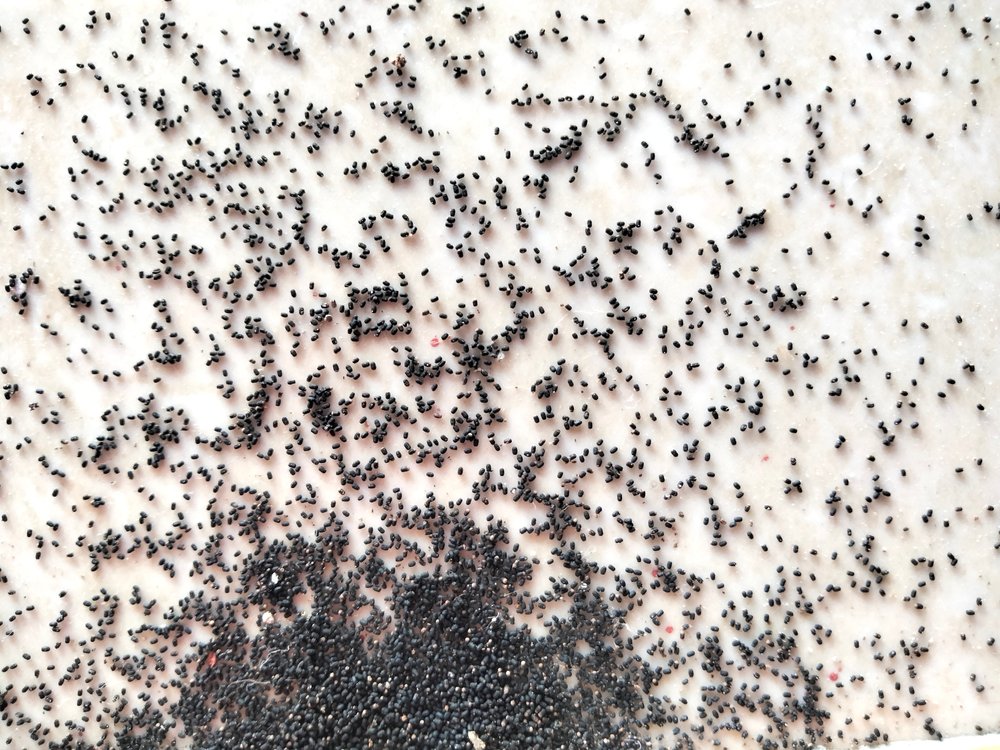
Annual poppies establish best from seed in cool weather and a settled seedbed. The seed is extremely small, many species need light or only the faintest covering, and young roots do not appreciate repeated disturbance.
The common failures are predictable: seed buried too deeply, the surface allowed to dry, seedlings washed into a corner, weeds allowed to win, or transplants held until their roots are congested.
A good poppy row begins with patience and ends with decisiveness. Sow carefully, protect emergence, thin before crowding hardens the plants, and then let them grow.
Poppy seed asks for restraint. The gardener who buries it deeply, waters it violently, or keeps moving it has done too much before the plant has done anything.
Identify the poppy and understand local rules
| Group | Typical use | Important note |
|---|---|---|
| Corn poppy, Papaver rhoeas | Annual wildflower and cutting | Cool-season annual, often direct sown |
| Iceland poppy, Papaver nudicaule | Cool-season flower | Often treated as annual or short-lived perennial |
| California poppy, Eschscholzia californica | Drought-tolerant annual/perennial by climate | Different genus, dislikes wet heavy soil |
| Breadseed or opium poppy, Papaver somniferum | Ornamental and seed uses where legal | Regulations and uses require care |
Use the botanical name. Poppy is a broad common name, and climate behavior differs among species. Follow applicable law and use seed only for lawful ornamental or food purposes.
Sow at the surface in cool conditions
- Prepare a fine, weed-free, firm seedbed.
- Mix tiny seed with dry sand when wider distribution is needed.
- Scatter thinly or place a shallow row.
- Press seed into contact with the soil.
- Use only the lightest cover when the species guidance calls for it.
- Water with mist or a gentle rose.
Fall sowing works in many mild regions. Late winter or very early spring sowing is safer where winter loss is likely. Warm soil shortens the useful establishment window.
A loose rough surface lets tiny seed fall too deep. Pressing after sowing creates contact without burial.
Protect emergence from drying and washing
The surface must remain evenly moist until seedlings establish. That may require light frequent irrigation, especially in wind. Heavy watering can move the entire sowing into low spots.
A thin row cover can reduce drying and bird pressure, but remove or vent it as seedlings grow and weather warms. Mark the row because poppy seedlings can be mistaken for weeds.
Thin early and resist unnecessary transplanting
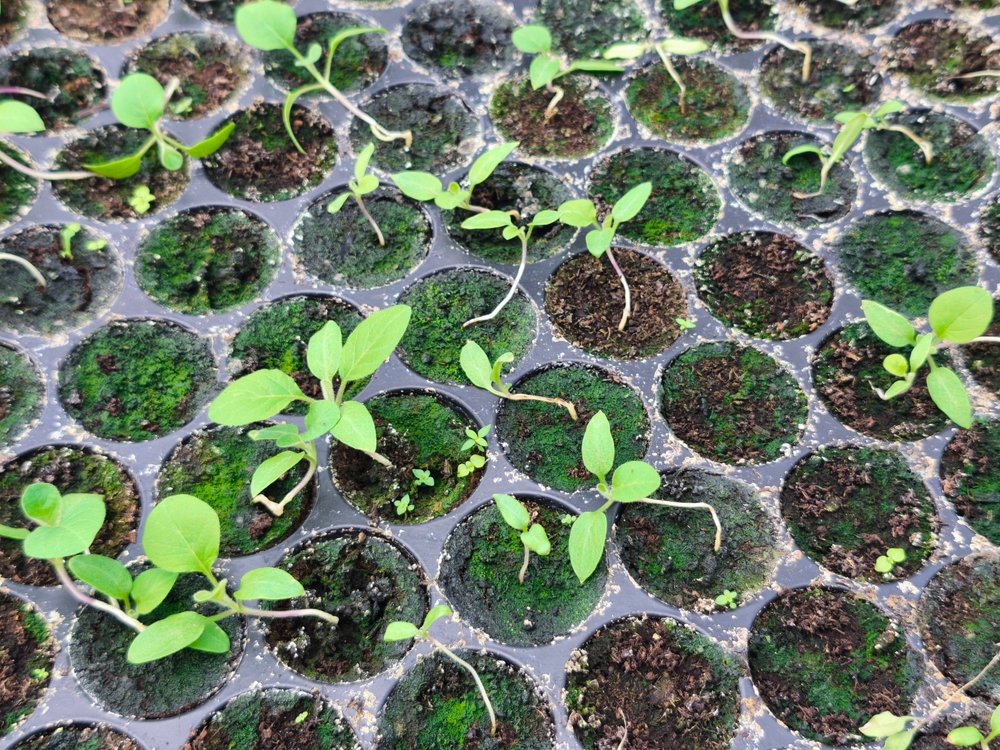
Crowded poppies compete for light and water, produce weaker stems, and are more vulnerable to disease. Thin while plants are small, leaving spacing appropriate to the mature species.
Direct sowing is usually simplest. When transplanting is necessary, use individual cells, move plants young, and disturb the root ball as little as possible. Peat pots do not excuse delayed planting or poor root contact.
Do not pinch or cut every species as if it were a zinnia. Follow the growth habit of the actual poppy.
Manage bloom, harvest, and seed heads
Provide full sun and moderate fertility. Excess nitrogen can produce soft foliage at the expense of flowering. Stake tall selections only where exposure requires it.
For cut flowers, harvest at the species-appropriate bud stage and condition stems using a proven method. Vase life varies. For seed, allow selected pods to mature and dry on the plant in fair weather.
Collect pods before they spill heavily, dry them further, and label species and cultivar. Leave some seed for natural reseeding only where volunteers are wanted.
Troubleshoot the seedbed before blaming viability
| Symptom | Likely cause | Response |
|---|---|---|
| No emergence | Seed buried, surface dried, or temperature unsuitable | Resow shallowly in cooler conditions |
| Seedlings in clumps | Water movement or uneven broadcasting | Use sand carrier and gentler irrigation |
| Tall weak plants | Crowding, shade, or high nitrogen | Thin earlier and improve sun |
| Plants fail after transplant | Root disturbance or over-aged plugs | Direct sow or move younger |
| Foliage rots | Poor drainage and prolonged wetness | Reduce irrigation and improve site drainage |
Time poppies for the Mid-Atlantic
In the coastal plain and lower Piedmont, fall and winter sowing can establish plants for spring bloom when drainage is good. Colder mountain sites may favor late winter or early spring sowing.
The goal is to let roots establish before sustained heat. A late spring sowing can germinate and still fail to make a worthwhile plant before summer arrives.
Questions gardeners ask
Do poppy seeds need to be covered?
Many are surface sown or covered only very lightly. Follow the species, but deep burial is a common cause of failure.
Can poppies be started indoors?
Yes, especially in individual cells, but direct sowing usually avoids root disturbance.
Why are my poppies falling over?
Crowding, shade, excess nitrogen, rain, or an exposed site may contribute. Thin early and support only when necessary.
Will poppies reseed?
Many annual poppies can reseed where pods are allowed to mature and the soil surface remains open.
When should I sow poppies in North Carolina or Virginia?
Use fall through early spring according to elevation, winter severity, drainage, and species so plants establish before heat.


