Milkweed succeeds when the species matches the ground
Milkweed is not one plant with one set of instructions. Asclepias tuberosa develops a deep root and favors dry, well-drained sun. Asclepias incarnata is adapted to moist open ground. Planting both with the same watering schedule is one of the fastest ways to lose one of them.
Seed dormancy is the second challenge. Many temperate milkweed seeds germinate more consistently after cold, moist conditions. Fall sowing can provide that exposure naturally. Controlled cold-moist stratification can provide it indoors. Neither method replaces correct seed depth, oxygen, moisture, or patience.
This guide and the Alliance catalog focus on regionally appropriate native milkweeds, including butterfly weed (Asclepias tuberosa) and swamp milkweed (Asclepias incarnata). We do not recommend tropical milkweed (Asclepias curassavica) for monarch habitat in the United States. In warm regions it can remain leafy through winter, support out-of-season breeding, and allow higher transmission of the monarch parasite Ophryocystis elektroscirrha (OE). Choose native species suited to your region and site.
Choose a milkweed native to your region and suited to your soil moisture. Fall sow or cold-moist stratify the seed, sow shallowly, keep it evenly moist, and move seedlings while young. Butterfly weed belongs in dry, fast-draining sun; swamp milkweed belongs in moist sun. Add nectar plants and avoid broad insecticides because monarch habitat requires more than milkweed alone.
Quick planting facts
| Question | Working answer |
|---|---|
| Species in this guide | Butterfly weed, Asclepias tuberosa, and swamp milkweed, Asclepias incarnata. |
| Sowing windows | Late fall outdoors, winter sowing, or spring after cold-moist preparation. |
| Seed depth | Shallow, generally about 1/8 to 1/4 inch depending on the mix and method. |
| Moisture | Even during germination; dry for butterfly weed after establishment, moist for swamp milkweed. |
| Transplanting | Move young. Established milkweeds resent root disturbance. |
| First bloom | Often the second season or later. |
| Habitat role | Larval host plant plus nectar; add other bloom periods and shelter. |
Choose by water and soil, not flower color alone
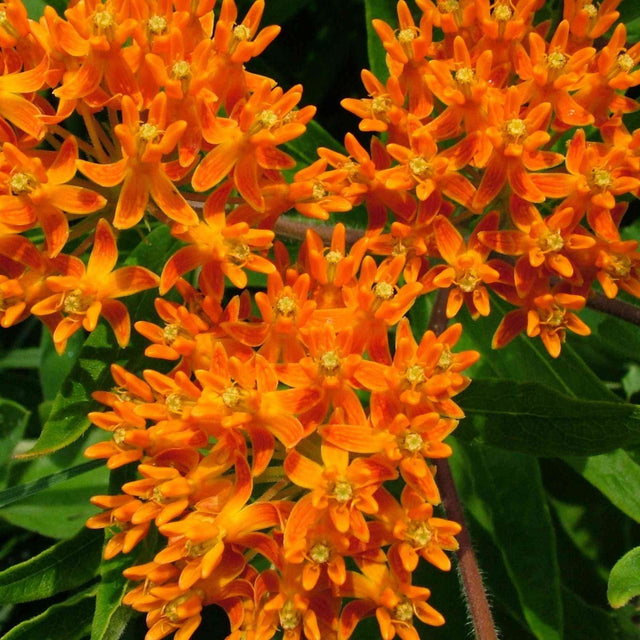
Butterfly weed, Asclepias tuberosa
Choose it for full sun, dry to medium moisture, and soil that drains quickly. The deep taproot makes established plants difficult to move. Orange flowers are useful for identification, but the dry-site root system is the more important planting fact.
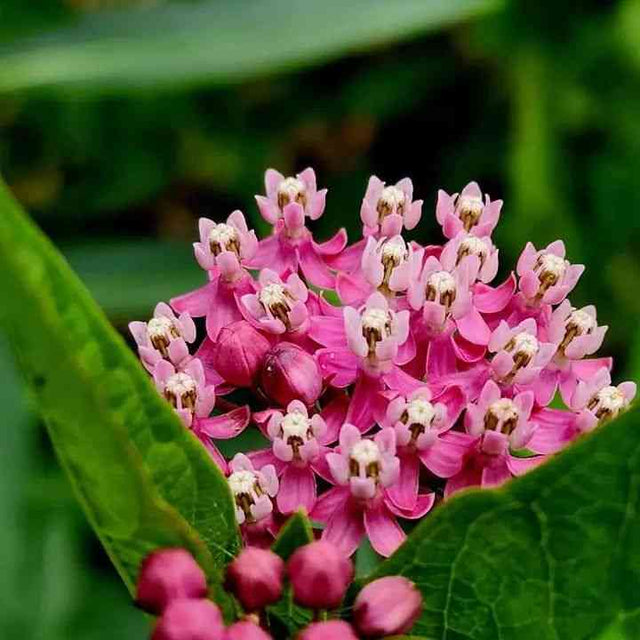
Swamp milkweed, Asclepias incarnata
Choose it for moist sunny beds, rain gardens, pond edges, and low ground. It can grow in ordinary garden soil when moisture is maintained, but it should not be treated as a drought-tolerant xeric plant.
Use the milkweed seed collection to compare both species by site. For restoration or conservation planting, use regional sources and confirm that the species belongs in your area.
Fall sowing and controlled cold-moist stratification
Fall sowing
Prepare a weed-free, labeled area after warm weather ends. Sow shallowly and protect the surface from erosion. Winter cycles provide moisture and cold without requiring a refrigerator.
Winter sowing
Ventilated outdoor containers can hold labels and reduce disturbance. They must drain freely and remain open enough for air and precipitation.
Refrigerator method
Mix seed with barely damp sterile medium, refrigerate for several weeks, and check for mold or early roots. The medium should not drip. Sow promptly after treatment. Do not freeze a waterlogged bag.
Sowing, emergence, and seedling identification
Sow in deep cells when possible, especially for butterfly weed. Cover lightly and keep evenly moist. Strong light after emergence prevents weak stems.
Milkweed seedlings develop opposite leaves early, but species differ in shape and texture. Label every tray. A nursery bed without a durable label can turn into a weeded-out crop before anyone recognizes it.
Do not apply insecticides to the tray or young plants unless the product is explicitly appropriate and the ecological consequences are understood. These plants are being grown to support insects.
Transplant before roots become the problem
Move seedlings when they have several true leaves and the root ball holds together. Water first, handle the plug rather than the stem, and plant at the same depth. Butterfly weed is especially sensitive once the taproot lengthens.
Mark each planting. Milkweeds can emerge late in spring, and dormant crowns are easily dug up or weeded out. Mulch lightly around, not over, the crown.
First-year care and realistic expectations
Seed-grown milkweed often looks unimpressive in its first year. The task is root establishment, not instant habitat. Keep weeds down, water according to species, and avoid heavy fertilizer.
Butterfly weed should gradually receive less supplemental water after establishment. Swamp milkweed should not be allowed to dry repeatedly in summer. A plant in the wrong moisture zone may survive for a while and still fail to become a durable planting.
Build monarch habitat, not a milkweed display
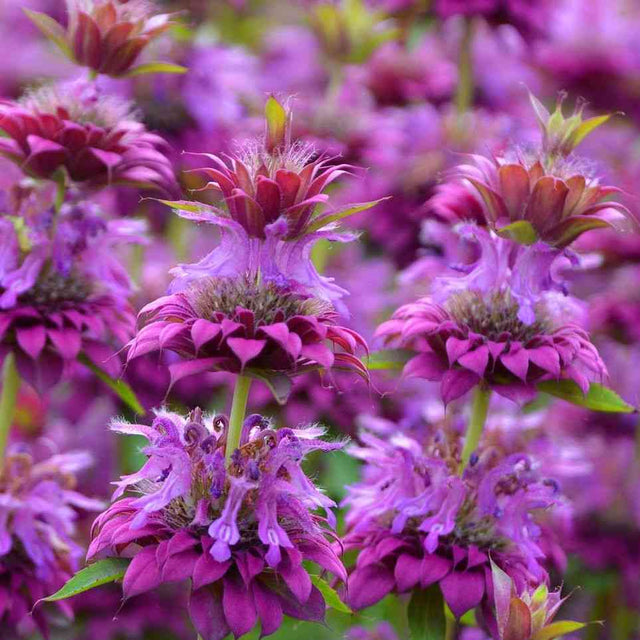
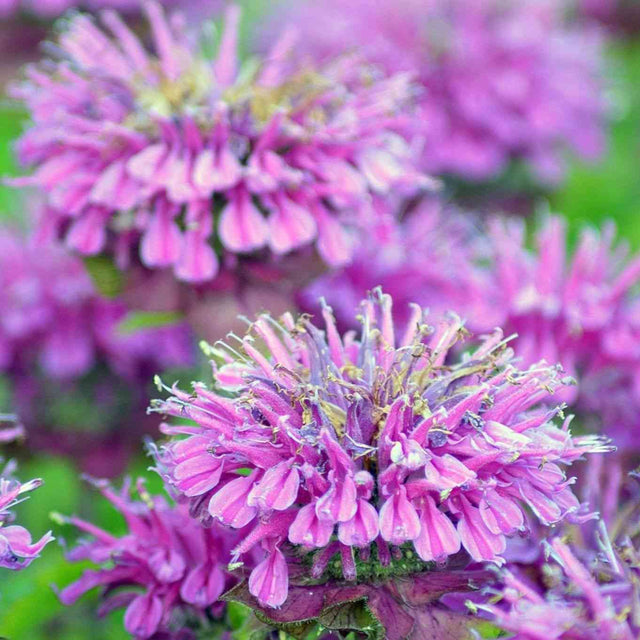
Monarch caterpillars require milkweed, but adults need nectar over a long season. Add early, middle, and late flowers such as bee balm, coneflower, liatris, yarrow, asters, goldenrods, and regionally appropriate species. Include shelter from wind and a pesticide-aware maintenance plan.
Aphids, milkweed bugs, beetles, and chewed leaves do not automatically mean the habitat failed. Some insect feeding is the purpose. Identify the insect before acting, and never spray monarch eggs or caterpillars while trying to preserve cosmetic foliage.
Collecting and storing milkweed seed
Pods are ready when they begin to split and the seed is brown. Collect too early and the seed may be immature; wait too long and the floss carries it away. Bag nearly mature pods or check them frequently.
Separate seed from floss, dry it thoroughly, and store it cool and dry. Label species, location, year, and source. Do not move seed across regions for restoration without considering local genetics and ecological fit.
Common failures and what they usually mean
No germination: insufficient cold-moist exposure, old seed, deep burial, or a dry surface.
Seedlings collapse: saturated mix, poor air movement, or contaminated containers.
Butterfly weed rots: the site is too wet or the crown is buried.
Swamp milkweed wilts repeatedly: the site is too dry for the species.
Leaves disappear: inspect for monarch caterpillars before treating the plant as damaged.
Frequently asked questions
Do milkweed seeds need cold stratification?
Many temperate species germinate more consistently after fall sowing or cold-moist preparation.
Which milkweed is best for dry soil?
Butterfly weed, Asclepias tuberosa, is the dry-site choice in this catalog.
Which milkweed is best for a rain garden?
Swamp milkweed, Asclepias incarnata, fits moist sunny ground.
Why did my milkweed not bloom the first year?
Seed-grown perennials often build roots first and bloom in later seasons.
Should I kill aphids on milkweed?
Identify the problem and use the least disruptive method. Avoid broad sprays where monarch eggs or caterpillars may be present.
Can I transplant established butterfly weed?
It is difficult because of the deep root. Move plants while young whenever possible.
Sources and further reading