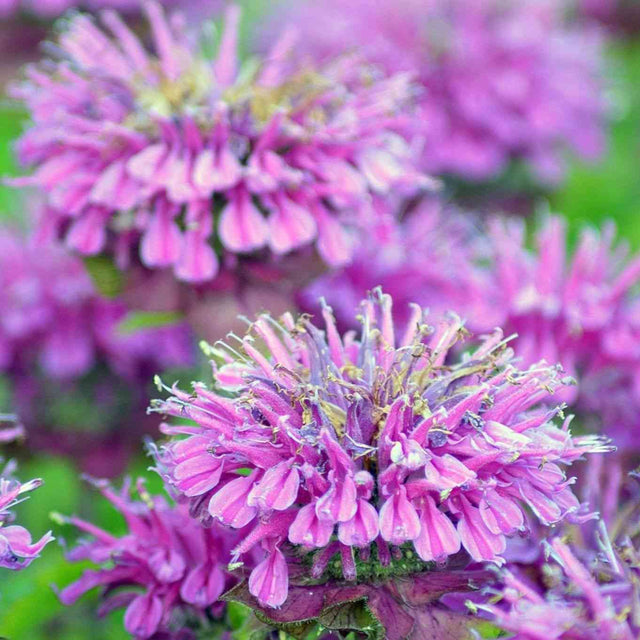
Echinacea growing guide
Echinacea is commonly called coneflower, but the genus includes several species with different native ranges, flower forms, and garden behavior. Purple coneflower, Echinacea purpurea, is the most familiar. Pale purple coneflower and other species can have different seed-treatment and site preferences.
Seed-grown plants require patience. Germination may improve after cold-moist treatment, seedlings can remain modest during the first year, and full flowering may not arrive until the second season.
The reward is a durable perennial with deep roots, long bloom, wildlife value, and seed that can continue the line when the gardener keeps accurate labels.
A perennial seedling does not owe the gardener a flower in its first season. Echinacea often spends that year underground, building the part that will carry the next decade.
Identify the species before treating the seed
| Species or type | General character | Planning note |
|---|---|---|
| Echinacea purpurea | Broad petals, fibrous root system, common garden species | Often the most adaptable in garden soils |
| Echinacea pallida | Drooping pale petals, deep-rooted prairie species | Prefers leaner, well-drained sites |
| Echinacea angustifolia | Narrow leaves and compact prairie habit | Often slower and more sensitive to competition |
| Named hybrids | Selected colors and forms | Seed may not reproduce the parent exactly |
Species identity matters for native range, site choice, and seed handling. A packet labeled only coneflower leaves too much unsaid.
Use fall sowing or controlled cold-moist treatment
- Moisten a clean medium so it is damp, not dripping.
- Mix seed with the medium in a labeled container or bag.
- Refrigerate for the species-appropriate period.
- Check periodically for mold, drying, or early germination.
- Sow promptly into a clean mix when treatment is complete.
Outdoor fall sowing can provide natural seasonal treatment where rodents, weeds, washout, and labeling are controlled. Controlled refrigeration is easier to monitor and repeat.
Stratification medium needs moisture and oxygen. Saturated conditions encourage decay rather than dormancy release.
Sow shallowly and provide bright light
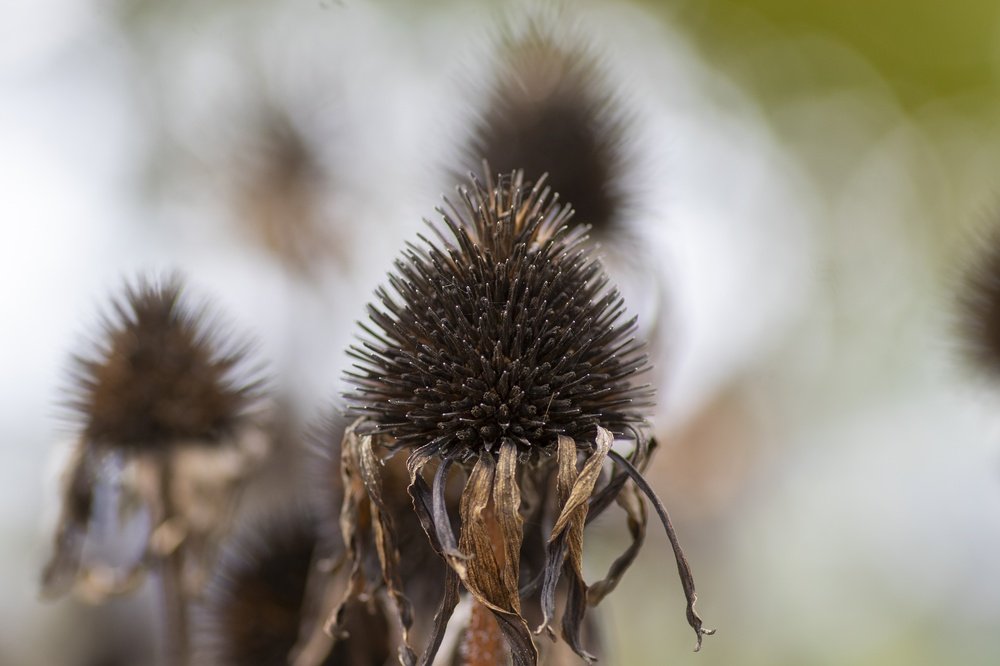
Press seed into a moist, well-drained medium and cover lightly according to species guidance. Maintain steady moisture through germination, then allow better air exchange and slight surface drying between waterings.
Seedlings need strong light. Weak light produces stretched stems and soft growth that does not transplant well. Thin or pot up before roots and leaves become badly crowded.
Establish the first-year plant without forcing it
Harden seedlings gradually and transplant after severe weather has passed. Water deeply during establishment, but do not keep the crown saturated. Mulch lightly and keep it away from the center of the plant.
Avoid heavy nitrogen. The first goal is a broad healthy root system. A small rosette can be successful even when it produces few or no flowers.
Control weeds. Young echinacea grows more slowly than many annual weeds and can disappear under competition before it is technically dead.
Manage mature clumps for bloom and wildlife
Provide full sun for strongest flowering, with drainage matched to the species. Established plants tolerate more dryness than young transplants but still benefit from deep water during prolonged drought.
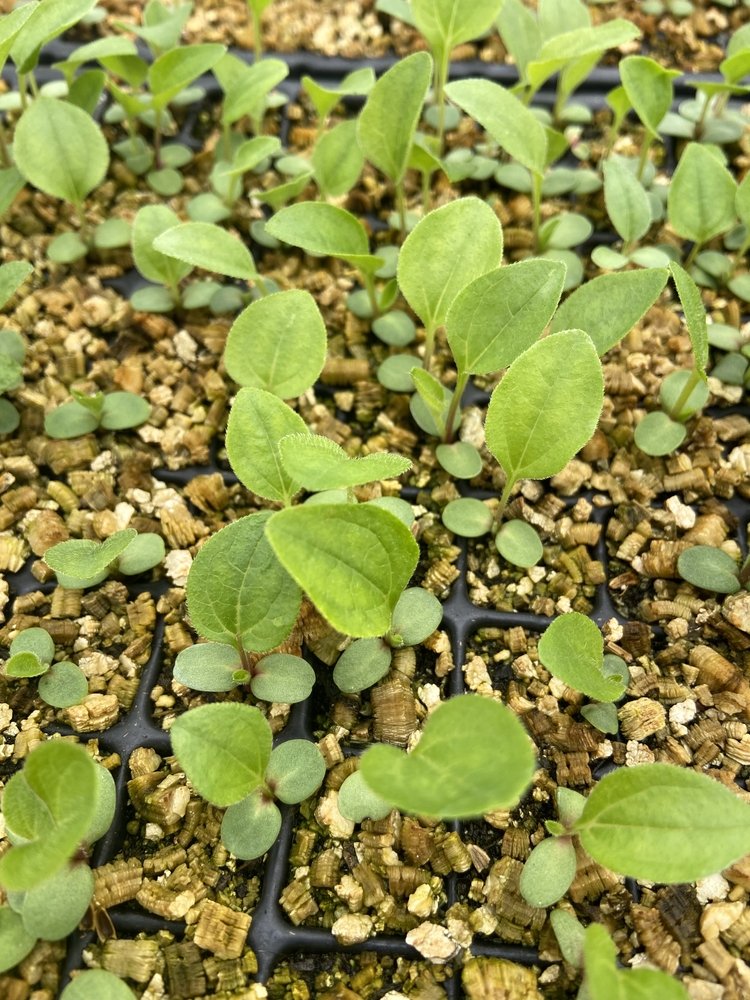
Deadheading can extend appearance, but leaving some cones supports seed saving and wildlife. Cut back diseased material and remove it from the bed. Healthy dry stems can remain through winter where structure and habitat are desired.
Save seed and expect variation
Allow selected cones to dry. Wear gloves because mature heads are stiff and sharp. Break apart the cone, separate seed from chaff, and dry the seed thoroughly before storage.
Open-pollinated species may cross with nearby compatible plants. Hybrids and highly selected cultivars can produce variable offspring. Record the species, cultivar, nearby echinacea, and collection year.
Troubleshoot the slow perennial honestly
| Symptom | Likely cause | Response |
|---|---|---|
| No germination | Dormancy, dry seedbed, old seed, or excessive burial | Repeat with correct cold treatment and moisture |
| Seedlings collapse | Saturation and low airflow | Improve drainage, spacing, and sanitation |
| Plant vanishes over winter | Wet crown, poor drainage, heaving, or weak establishment | Improve site and plant earlier |
| Few flowers | Young plant, shade, excess nitrogen, or crowding | Give time, sun, and space |
| Distorted green flowers | Possible aster yellows | Remove affected plant and manage vectors |
Fit the species to the Mid-Atlantic site
Humid summers make airflow and crown drainage important. Piedmont clay may suit E. purpurea when drainage is adequate but challenge prairie species that demand leaner soil. Mountain and valley winters can provide natural cold treatment, while coastal winters may be less consistent.
Choose species for the actual site and native-range goal. Native planting is not improved by using a famous species far outside the habitat it prefers.
Questions gardeners ask
Do echinacea seeds need stratification?
Many germinate more evenly after cold-moist treatment, though requirements vary by species and seed lot.
Will echinacea bloom the first year?
Some plants may, but many spend the first season establishing and flower more fully in the second year.
Can I direct sow echinacea in fall?
Yes, where the bed is labeled, protected, well drained, and manageable for weeds and rodents.
Why did my coneflower die in winter?
Wet crowns, poor drainage, late planting, heaving, or weak establishment are common possibilities.
Should I cut off all seed heads?
No. Leave selected healthy cones for wildlife and seed when self-sowing and appearance are acceptable.