“Flower seed” is too broad to be a planting plan. A zinnia, poppy, hollyhock, echinacea, nasturtium, and native warm-season perennial may all arrive in similar packets and ask for very different seasons.
Choose first by what the planting must do: fill a vase, feed pollinators, cover ground, return for years, tolerate heat, bloom in cool weather, or hold a border together.
A good flower garden has an opening, a middle, and an ending. Combine life cycles and bloom windows so one wave does not finish before the next has begun.
Browse the complete flower seed catalog
Use the heirloom flower seeds collection to compare annuals, biennials, perennials, native flowers, cut flowers, pollinator plants, and specialty varieties after you decide what the planting must do.
What flower categories actually means
Annuals complete their life cycle quickly and often provide the longest first-year bloom. Biennials may establish one year and flower the next. Perennials invest more in crowns and roots and can take longer to fill space.
Growth habit and sowing response matter just as much. Some species resent transplanting; others benefit from an indoor start.
- Cut flowers need stem length and vase performance.
- Pollinator flowers need accessible bloom and season-long sequence.
- Container flowers need scale, root volume, and water tolerance.
Separate the terms that are often confused
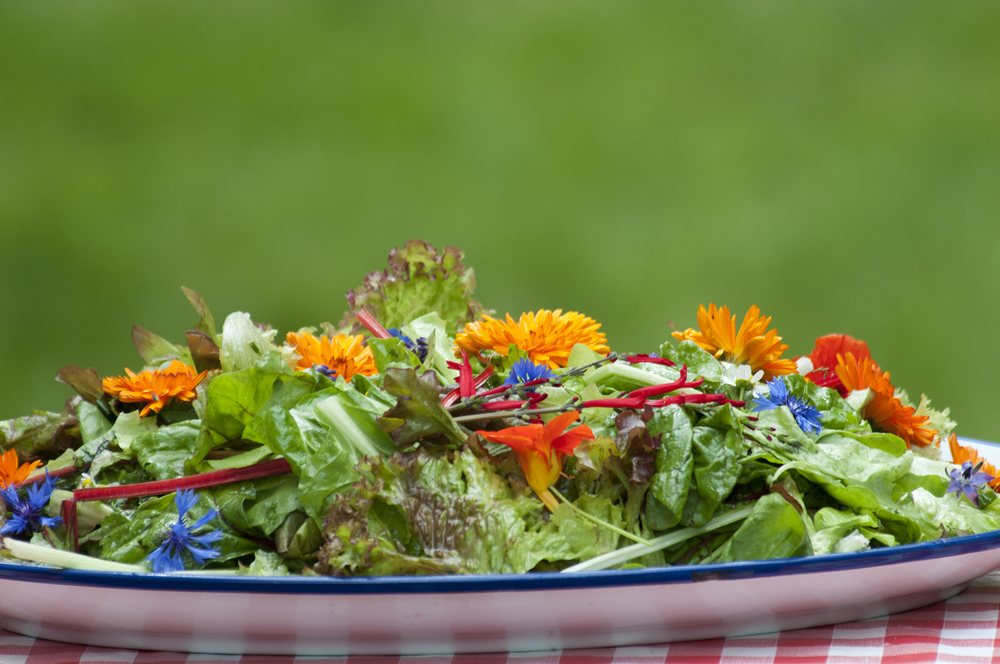
“Wildflower” does not mean native, and “perennial” does not mean hardy in every region. “Edible flower” applies only to correctly identified species and plant parts grown without unsafe treatments.
Separate the garden function from the marketing label.
| Term | Practical meaning | What it does not guarantee |
|---|---|---|
| Fast annual | Zinnia, cosmos, marigold, sunflower | That it tolerates every sowing date |
| Cool-season annual | Poppy, larkspur, calendula, sweet pea | That summer sowing will succeed in heat |
| Biennial or short-lived perennial | Hollyhock, foxglove, some dianthus | That first-year bloom is guaranteed |
| Long-lived perennial | Echinacea, yarrow, some native species | That establishment is instant |
| Vine | Morning glory, sweet pea, moonflower | That every species shares the same climate needs |
Put the information to work
Write the bloom goal and first frost window.
- Choose height layers and support needs.
- Mark direct-sow species separately from transplants.
- Plan early, mid, and late bloom.
- Reserve space for seed heads or cutting recovery where needed.
Avoid the shortcuts that create bad decisions
A mixed packet can hide incompatible germination needs and mature sizes. A flower listed for pollinators may also be invasive outside its native range.
Cutting gardens fail when every plant blooms at once or when aisles are too narrow to harvest.
- Do not assume decorative cultivars provide equal pollen and nectar.
- Do not plant toxic flowers into an edible harvest mix.
- Do not crowd perennials at annual spacing.
Account for place, season, and crop
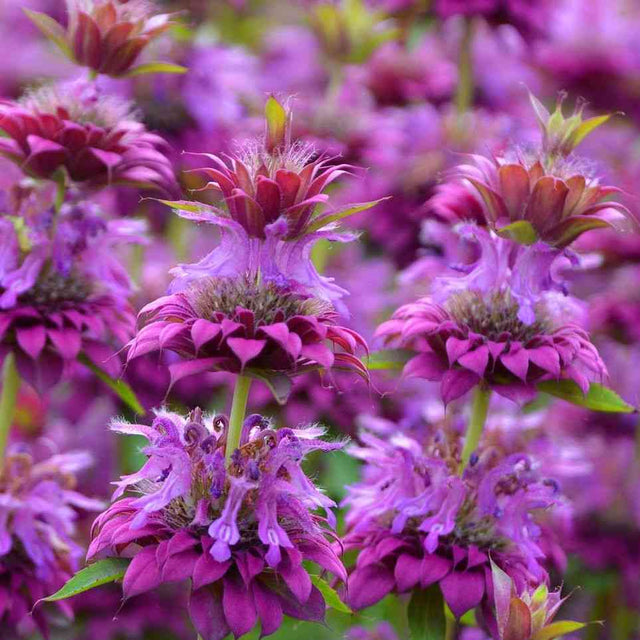
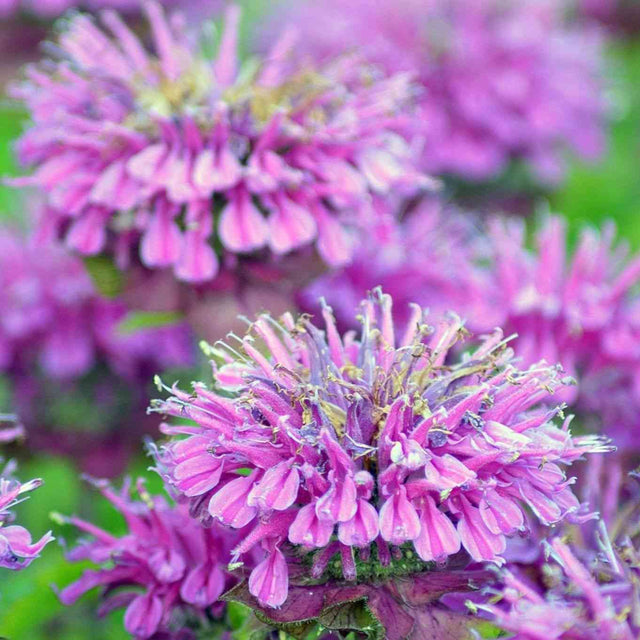
The Mid-Atlantic supports cool-season flowers in fall and early spring and heat-loving annuals after frost. Humidity increases disease pressure in dense zinnia, hollyhock, and bee balm plantings.
Use local native lists for habitat plantings and provide drainage for species that resent wet winters.
Keep the claim tied to evidence
Record sowing date, first bloom, last bloom, stem length, pollinator use, disease, and seed set. That information turns a pretty season into a better next season.
Photograph plantings at monthly intervals to see gaps in height and bloom.
Flowers are not filler. They are structure, food, memory, and sometimes the only reason a hard week looks different at the gate.
Put this guide to work in a real garden
Treat Types of Flowers to Grow from Seed: Annuals, Biennials, Perennials, and Garden Uses as a variety record, not merely a harvest note. Keep the original source, lot, stated history, plant population, isolation method, and the traits you observed. A seed name is useful only when the crop grown under that name remains traceable.
Select from healthy plants that represent the intended variety, but do not narrow the population so severely that vigor and diversity are lost. Remove obvious off-types before flowering when purity matters, and keep disease or accidental crosses out of the seed lot.
Dry, clean, label, and store the seed as carefully as it was grown. The label should survive longer than memory: crop, variety, year, location, parent population, isolation, and any uncertainty that the next grower deserves to know.
- Record the original seed source and lot.
- Map neighboring compatible varieties.
- Mark representative healthy plants before harvest.
- Dry and clean seed to a stable condition.
- Label the lot with facts and uncertainties.
Use a 30-day checkpoint instead of guesswork
Before flowering
Confirm variety identity, neighboring compatible crops, and the minimum population you can maintain.
During flowering
Watch pollination and remove off-types before they contribute pollen when purity matters.
At seed maturity
Harvest from healthy representative plants and keep lots separate through drying and cleaning.
Before storage
Label, test, and record uncertainty. A beautiful seed lot without provenance is harder to steward well.
Historical claims and cultural associations require documentation and community context. This guide can explain categories and methods, but it should not be used to assign ownership, ancestry, or sacred status without evidence and permission.
Keep a one-season record
The record does not need to be elaborate. A notebook page, spreadsheet row, or labeled photograph is enough when it captures the variables that matter.
- Variety name and source
- Population size and isolation
- Off-types or disease removed
- Harvest and cleaning date
- Germination test and storage location
Write enough that another grower—or you, one year later—could understand what was planted, what happened, and why the next decision changed.
Questions gardeners ask
Which flowers are easiest from seed?
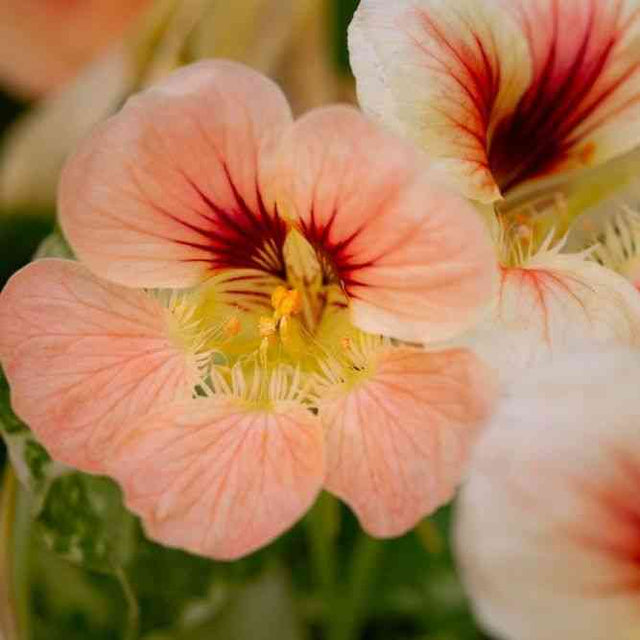
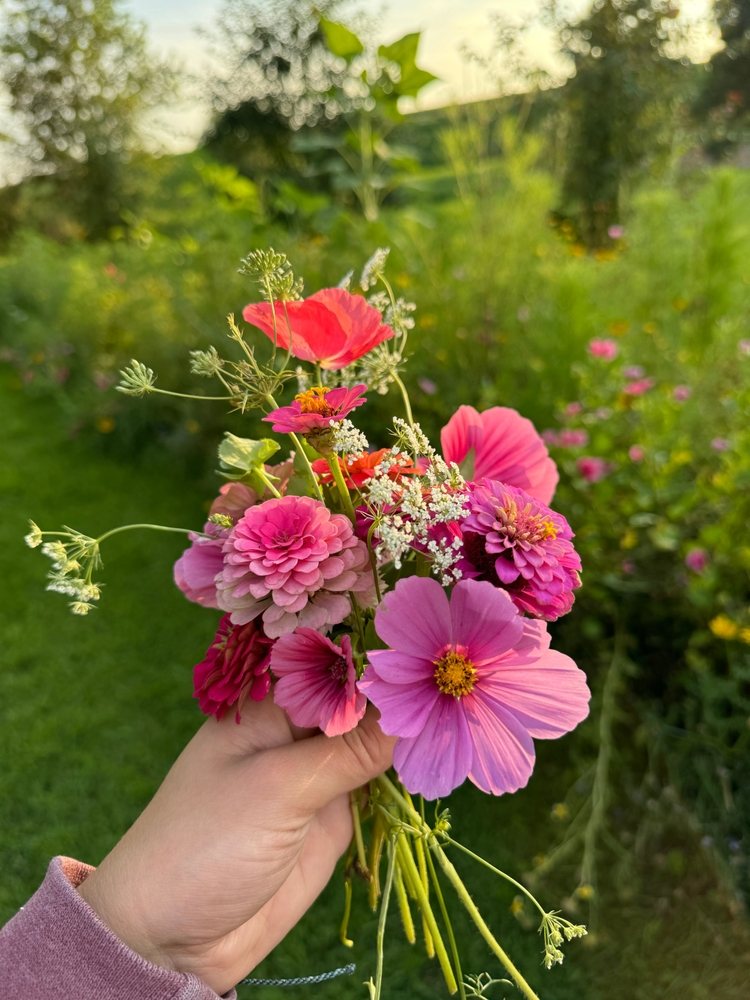
Zinnias, cosmos, marigolds, sunflowers, nasturtiums, calendula, and many annuals are dependable when sown in their proper season.
Which flowers should be direct-sown?
Poppies, larkspur, sweet peas, and other species with sensitive roots often prefer direct sowing, though local methods vary.
How do I choose flowers for pollinators?
Favor a sequence of accessible blooms, diverse flower shapes, regionally appropriate species, and plants grown without routine insecticide use.
Can perennials bloom the first year?
Some can, especially when started early or bred for first-year bloom. Others focus on roots and crowns before flowering.
Are all flowers edible?
No. Only eat correctly identified species and approved plant parts grown without unsafe pesticide exposure.
Choose flowers the way a farmer chooses crops: by season, purpose, space, and harvest. Beauty is the yield, but it still needs a plan.