Yarrow earns its place by surviving where softer plants sulk. It flowers in heat, supports small beneficial insects, and holds seed heads above foliage that can spread into a broad patch. That toughness does not mean every yarrow belongs in every meadow or every color form is native to every region.
Start with the species, source, and garden purpose. Then choose whether you want seed diversity, a named cultivar, cut stems, habitat, or a restrained perennial clump.
Overfed yarrow becomes tall, soft, and prone to flopping. Sun, drainage, and modest fertility produce the sturdy plant gardeners expect from the name.
Know what kind of yarrow you are growing
Yarrow is a perennial in the daisy family with finely divided foliage and flat-topped flower clusters. Achillea millefolium is widespread, while ornamental hybrids and cultivars may differ in color, height, and regional origin.
Plants spread by rhizomes and seed. The degree of spread depends on genetics, soil, water, and competition.
- White-flowered common yarrow may naturalize readily.
- Colored cultivars are often selected for garden performance.
- Small flowers support many beneficial insects.
Choose the form or variety for the job
Choose seed for a broad planting or genetic variation; choose divisions or named plants when uniform color and height matter.
For native restoration, use regionally appropriate species and source information rather than assuming every labeled yarrow is local.
| Garden goal | Best fit | What to watch |
|---|---|---|
| Pollinator border | Open-flowered yarrow in a mixed planting | Allow room for spread |
| Cut and dried flowers | Sturdy named cultivar | Harvest before clusters decline |
| Native habitat project | Documented regional source | Avoid substituting ornamental hybrids |
| Dry sunny slope | Drought-tolerant yarrow | Prevent domination of small neighbors |
Start seed at the right time and depth
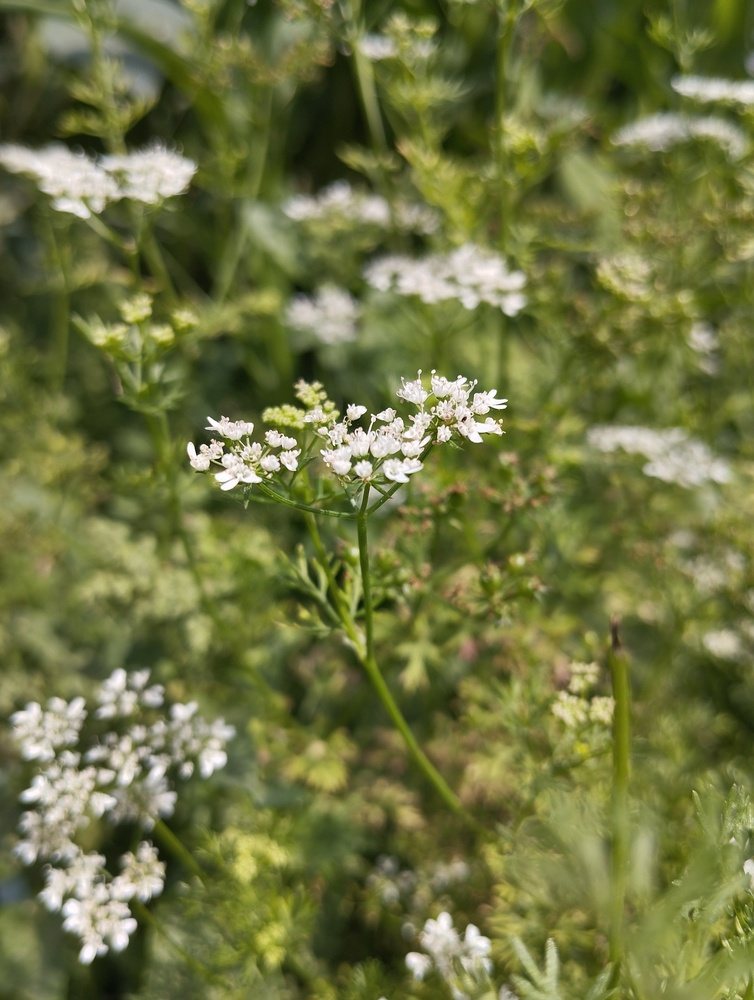
Yarrow seed is small and benefits from light. Sow on the surface or cover only faintly, then maintain even moisture until establishment.
Cold-moist exposure can improve germination for some lots, though requirements vary.
- Use a fine, firm seedbed.
- Press seed into contact.
- Provide light after sowing.
- Thin seedlings before roots interlock.
Build the site before the plant asks for rescue
Plant in full sun and well-drained soil. Rich, wet beds encourage flopping and crown trouble.
Space plants so air moves through the foliage and neighboring species are not immediately overrun.
- Avoid low saturated ground.
- Use edging or periodic division where spread must be contained.
- Do not bury the crown under heavy mulch.
Manage water, fertility, and growth
Water during establishment, then allow the plant to become moderately drought tolerant. Do not feed heavily.
Shear spent flowers for rebloom or leave selected seed heads for wildlife and winter structure.
- Divide crowded crowns in spring or fall.
- Remove wandering rhizomes from paths.
- Cut stems before flowers become brown for drying.
Harvest at the stage that matches the use
Harvest flower stems when most florets are open but the cluster remains firm. For division, lift a healthy outer section and replant promptly.
Medicinal use is outside the scope of ordinary garden guidance; correct identification and professional advice matter.
Troubleshoot the common failures
Flopping, powdery mildew, crown rot, and aggressive spread are the main complaints.
Most failures come from shade, rich soil, wet roots, or planting a vigorous form in a small bed.
| Symptom | Likely cause | First correction |
|---|---|---|
| Tall floppy stems | Too much fertility, water, or shade | Reduce inputs and increase sun |
| Crown dies in winter | Poor drainage | Move to a drier site |
| Leaves develop white coating | Powdery mildew | Improve airflow and avoid wet foliage |
| Patch overtakes neighbors | Rhizome and seed spread | Divide, edge, and remove seed heads |
Adjust the plan across the Mid-Atlantic
Yarrow handles Mid-Atlantic heat well when soil drains. Humidity makes spacing and airflow important.
In restoration work, distinguish native source goals from ornamental garden use.
A tough perennial still needs a boundary when the garden around it is gentler.
Put this guide to work in a real garden
Build the planting around function rather than a single bloom photograph. With yarrow, note the species, seed source, mature height, bloom period, host relationships, and whether the plant fits the moisture and light already present. A native plant placed in the wrong site is still a plant in the wrong site.
Plan for a sequence of resources. Early, middle, and late flowers support more insects than one brief peak. Leave some stems, seed heads, bare ground, leaf litter, and undisturbed corners where they are appropriate and safe. Habitat is the space between maintenance decisions.
Watch which insects actually use the planting. A photograph of one visitor is encouraging, but repeated observation across the season tells you whether the garden provides nectar, pollen, host foliage, shelter, and overwintering structure.
- Confirm the botanical name and regional status.
- Match species to sun, moisture, and mature size.
- Add plants that extend bloom before and after the main species.
- Avoid routine spraying on open flowers.
- Record insects, bloom dates, spread, and winter survival.
Use a 30-day checkpoint instead of guesswork
Planting week
Mark every species and source. Photograph the prepared site so later weed pressure can be compared honestly.
First month
Prioritize root establishment and weed control. Do not expect the planting to look mature.
First bloom
Record which insects visit and at what time of day. Note the neighboring plants blooming before and after.
End of season
Decide what to leave standing, what to divide, and what must be prevented from reseeding beyond the intended area.
A plant can be native to a continent and still be poorly suited to a county, soil, or restoration goal. Confirm regional status, source, and site requirements before using a garden article as a habitat prescription.
Keep a one-season record
The record does not need to be elaborate. A notebook page, spreadsheet row, or labeled photograph is enough when it captures the variables that matter.
- Species and seed source
- First and last bloom
- Pollinators or beneficial insects observed
- Spread, reseeding, and competition
- Winter survival and spring return
Write enough that another grower—or you, one year later—could understand what was planted, what happened, and why the next decision changed.
Questions gardeners ask
Does yarrow seed need light to germinate?
Yes. Press the fine seed into the surface or cover it only very lightly.
Does yarrow spread?
Yes, by rhizomes and seed. Spread is stronger in favorable soil and moisture.
Can yarrow grow in shade?
It may survive partial shade, but stems are usually stronger and flowering better in full sun.
When should yarrow be divided?
Divide crowded plants in spring or fall when the weather is moderate.
Is every yarrow native?
No. Species, cultivar, and seed source matter. Use documented regional material for native restoration goals.
Yarrow is a plant of edges and endurance. It flowers best when the soil is not pampering it and behaves best when the gardener has decided where the edge will be.