Nasturtiums punish overindulgence. Rich soil gives a broad green carpet and fewer flowers. Leaner soil, sun, and measured water give the bright blooms and peppery leaves gardeners expect.
The entire discussion changes when the plant is meant for the kitchen. Correct identification, clean harvest, and pesticide history become as important as color.
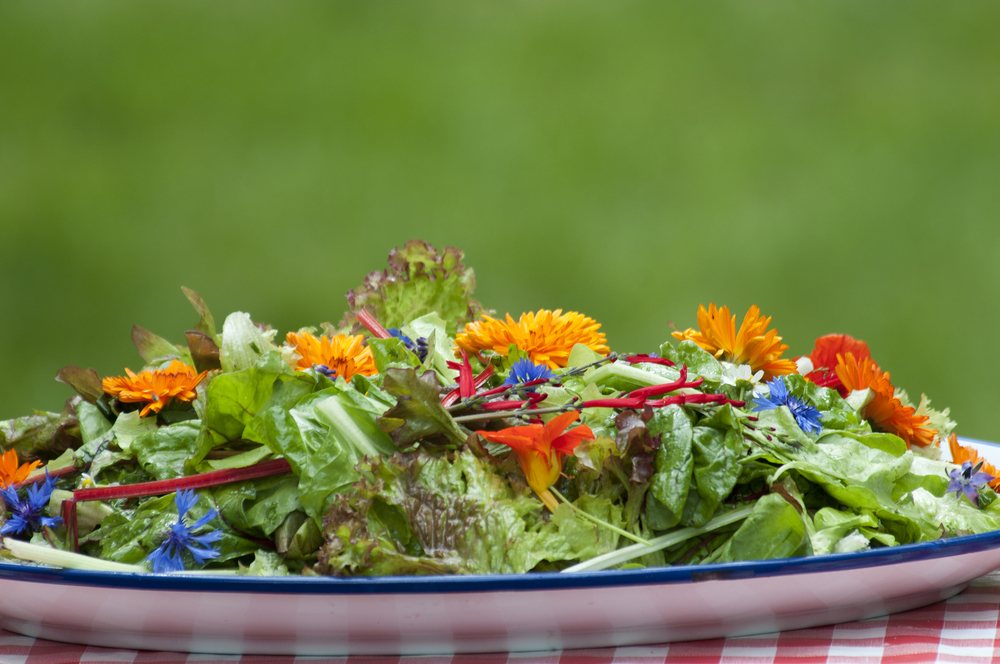
Do not harvest flowers from a roadside, florist bunch, or ornamental bed treated with a product not labeled for edible use. Beauty does not cancel residue.
Know what kind of nasturtium you are growing
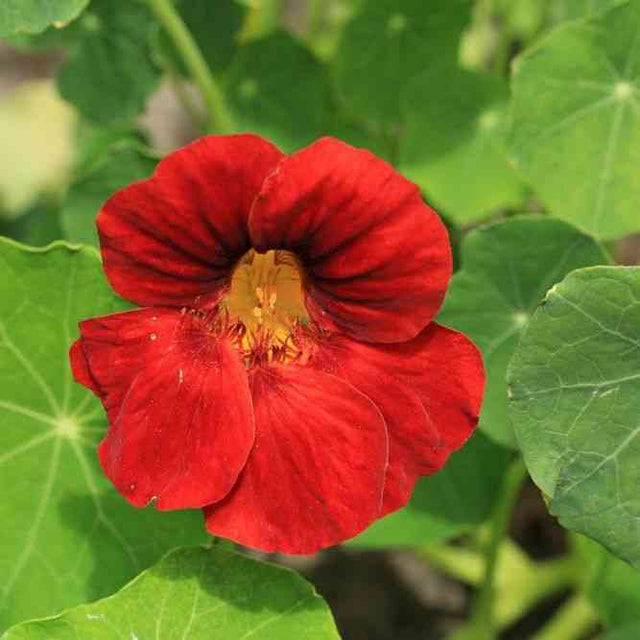
Garden nasturtiums are tender annuals with round shield-like leaves and red, orange, yellow, or cream flowers. Bush forms stay compact; trailing forms spill from containers or climb with help.
Leaves, flowers, and immature seedpods have a peppery flavor. They are unrelated to watercress despite the common name “Indian cress.”
- Bush forms suit edging.
- Trailing forms suit baskets and fences.
- The plant declines in severe summer heat in some regions.
Choose the form or variety for the job
Choose compact types for containers and long trailing types for baskets, banks, and low supports.
If edible use matters, select seed and manage the entire planting as a food crop.
| Garden goal | Best fit | What to watch |
|---|---|---|
| Container edge | Compact bush nasturtium | Do not overfertilize |
| Hanging basket | Trailing type | Water consistently in heat |
| Edible flower bed | Open-pollinated mix or named color | Use food-safe practices |
| Cool-season color | Early spring or fall sowing | Protect from hard frost |

Start seed at the right time and depth
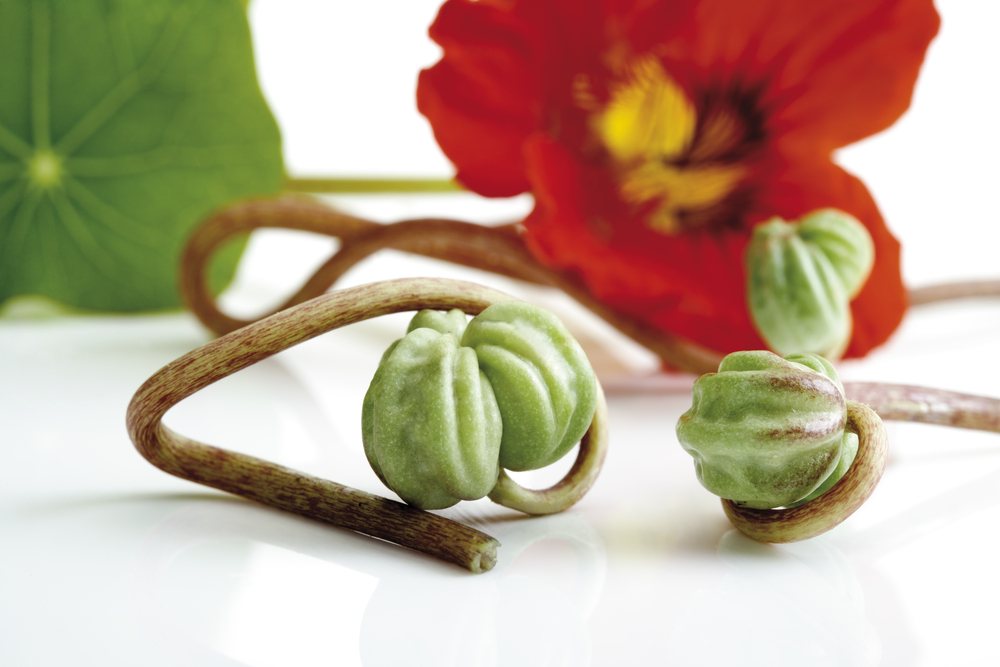
Direct sow after hard frost when soil is workable, or start indoors in biodegradable pots shortly before transplanting.
Seeds are large and can be planted about 1/2 to 1 inch deep. Soaking for several hours may speed emergence, but is not essential.
- Use moderate soil.
- Keep moist until emergence.
- Thin for airflow.
- Do not bury transplants deeper than the crown.
Build the site before the plant asks for rescue
Use full sun to light shade. Afternoon shade can extend flowering where summer heat is severe.
Avoid rich, heavily amended soil when flowers are the goal.
- Provide a low trellis for trailing types if desired.
- Use containers that drain freely.
- Keep foliage off wet ground when possible.
Manage water, fertility, and growth
Water when the upper soil begins to dry, especially in containers. Too much nitrogen produces leaves at the expense of bloom.
Harvest lightly enough to preserve plant vigor.
- Remove faded flowers for continued bloom.
- Inspect undersides for aphids and caterpillars.
- Allow selected seedpods to mature for saving.
Harvest at the stage that matches the use
Pick flowers just after opening and young leaves as needed. Wash gently and use promptly.
Immature green seedpods are sometimes pickled, but use a tested food-safety recipe rather than improvising shelf-stable preservation.
Troubleshoot the common failures
Aphids, cabbage white caterpillars, heat decline, and excess foliage are common.
Nasturtiums are sometimes used as trap crops, but an unmanaged trap crop can simply raise more pests.
| Symptom | Likely cause | First correction |
|---|---|---|
| Leaves, few flowers | Too much nitrogen or shade | Stop feeding and increase sun |
| Clusters of aphids | Sap-feeding colony | Wash off and protect natural enemies |
| Ragged holes | Caterpillars or slugs | Inspect at the time damage occurs |
| Plant collapses in midsummer | Heat or root stress | Provide shade and consistent moisture |
Adjust the plan across the Mid-Atlantic
In the Coastal Plain, sow early for spring bloom and again for fall when heat eases. Piedmont and mountain gardens often get a longer spring display.
Hard frost ends the crop, while intense summer heat may pause it first.
Nasturtium is edible only when the plant and treatment history are both known.
Put this guide to work in a real garden
Put How to Grow Nasturtiums and Use the Leaves, Flowers, and Seeds Safely into a one-season plan before buying more inputs. Choose the variety or material, mark the bed or container, write the sowing or planting date, and decide what success will look like: first harvest, stem length, fruit set, bloom, survival, or control of spread.
Inspect on a schedule. Early problems are usually easier to correct because the crop has more season left and the cause has not been buried under secondary damage. Water, fertility, airflow, support, and harvest timing should be adjusted from the plant’s response rather than from a rigid weekly ritual.
At the end of the crop, keep the record honest. Note what performed, what merely survived, what required too much labor, and what deserves a larger planting next year. Experience becomes expertise only when it is remembered accurately.
- Choose the variety and define the intended use.
- Prepare soil, container, support, or irrigation before planting.
- Set a weekly inspection date.
- Harvest or prune at the stage described in the guide.
- Write a short end-of-season verdict.
Use a 30-day checkpoint instead of guesswork
Before planting
Choose the variety, site, support, soil preparation, and irrigation method while the bed is still easy to change.
First two weeks
Protect establishment. Watch moisture, light, wind, transplant shock, and early pest pressure.
At rapid growth
Adjust spacing, support, pruning, and fertility before the plant becomes difficult to handle.
At first harvest or bloom
Record quality, timing, labor, and the plant’s response. Use that evidence to guide the rest of the season.
A guide provides a sound starting system, not a guarantee. Cultivar, weather, soil history, and management interact, and the correct response may change as the plant moves from establishment to harvest.
Keep a one-season record
The record does not need to be elaborate. A notebook page, spreadsheet row, or labeled photograph is enough when it captures the variables that matter.
- Variety and source
- Planting date and location
- Water, fertility, and major weather events
- First harvest or bloom and total season length
- Problems, corrections, and next-year decision
Write enough that another grower, or you when you return one year later, could understand what was planted, what happened, and why the next decision changed.
Questions gardeners ask
Are nasturtium flowers edible?
Yes, the correctly identified flowers are edible when grown and handled as food without unsafe pesticide exposure.
Why are my nasturtiums all leaves?
Excess nitrogen, rich soil, or too much shade commonly reduces bloom.
Can nasturtiums climb?
Trailing types can be trained loosely onto supports but do not cling as strongly as true twining vines.
Do nasturtiums need deadheading?
Deadheading encourages continued bloom, though selected pods may be left to mature for seed.
Can I pickle nasturtium seeds?
Immature green pods are sometimes pickled, but use a tested recipe for any preserved product.
Nasturtiums are useful because they refuse to separate beauty from harvest. Grow them cleanly, feed them lightly, and let the plate remember where the flower came from.
Varieties discussed in this guide
These links lead to the exact seed pages discussed above. Use the guide to compare species, mature habit, and garden job before choosing a packet.
- Empress of India nasturtiumCompact crimson-flowered selection with dark foliage for pots and bed fronts.