
A strawberry can begin as a seed smaller than the point of a pencil or as a bare-root crown already carrying a season of stored work. Those starting materials are not interchangeable.
Seed is useful for alpine types, breeding, and genetic variation. Named garden cultivars are usually purchased as crowns, plugs, or bare-root plants because vegetative propagation preserves the cultivar.
A named strawberry cultivar grown from seed may not come true. If a particular fruit size, season, flavor, or disease tolerance matters, start with verified clonal stock.
What strawberry planting stock actually means
Strawberries can be grown from seed, rooted runners, plugs, crowns, or dormant bare-root plants. Each method changes the time to harvest and the certainty of cultivar traits.
June-bearing, everbearing, and day-neutral descriptions refer to fruiting pattern, not simply plant size.
- Seedlings are genetically variable.
- Crowns and runners are clones of the parent.
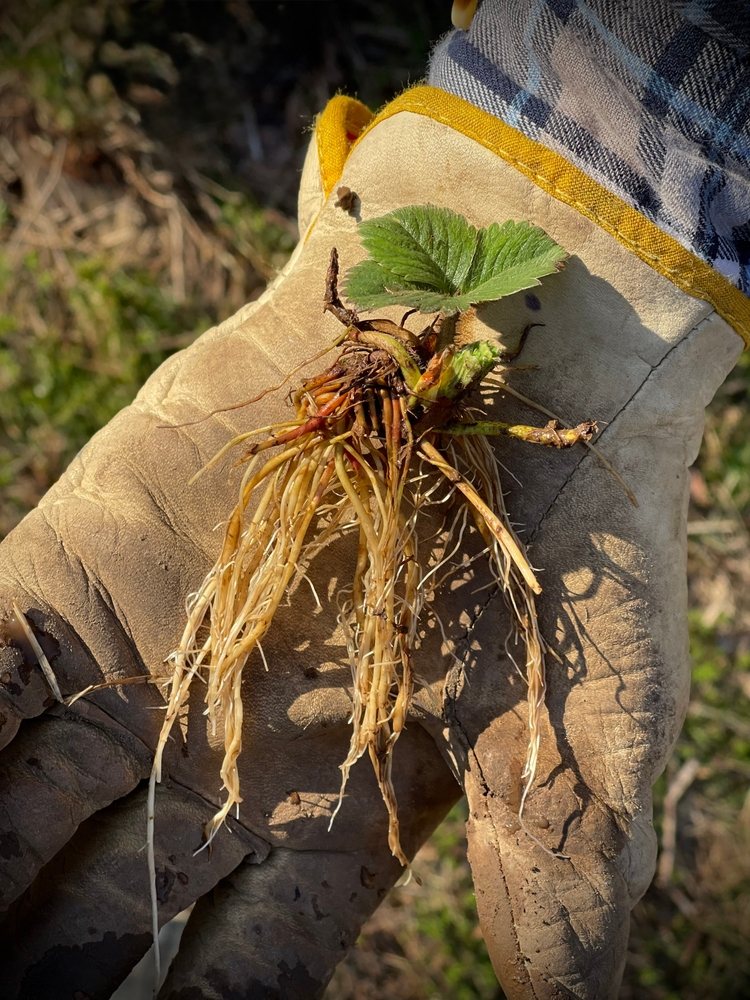
- Bare-root plants must be planted with the crown at soil level.
Separate the terms that are often confused
Separate a botanical species from a named cultivar. Seed from a hybrid or open-pollinated fruit can produce offspring unlike the parent.
Also separate dormant bare-root stock from a dead plant: healthy crowns are firm, with viable roots and no rot.
| Term | Practical meaning | What it does not guarantee |
|---|---|---|
| Seed | Slow, variable, useful for alpine strawberries and breeding | That offspring match a named parent |
| Bare-root crown | Fast economical establishment of a known cultivar | That roots can dry before planting |
| Plug plant | Active rooted plant with soil around roots | That it tolerates poor transplant timing |
| Runner division | Clone from an existing healthy bed | That disease is not carried with it |
Put the information to work
Choose a cultivar adapted to the region and desired harvest season.
- Inspect stock for rot, mold, and dried crowns.
- Plant crowns at soil level with roots spread downward.
- Water immediately and keep evenly moist during establishment.
- Remove flowers when the establishment system calls for stronger crown growth.
Avoid the shortcuts that create bad decisions
Planting too deep rots the crown; planting too high exposes roots. Another shortcut is taking runners from an old diseased bed and carrying its problems into a new one.
Crowded beds produce smaller fruit and poor airflow.
- Do not bury the crown.
- Do not let bare roots dry in wind or sun.
- Do not renovate without knowing whether the cultivar bears on old or new growth.
Account for place, season, and crop
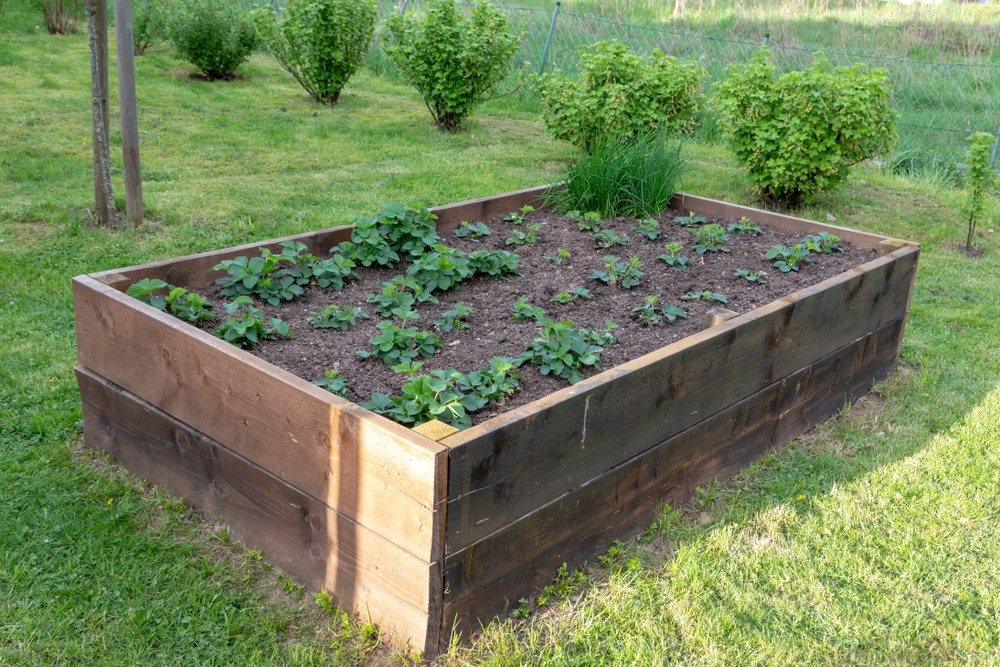
In North Carolina, annual plasticulture and matted-row systems follow different planting calendars. Home gardeners should use regional recommendations rather than a single national date.
Mountain, Piedmont, and Coastal Plain seasons differ in winter injury, summer heat, and disease pressure.
Keep the claim tied to evidence
Record source, cultivar, plant type, planting date, runner production, first bloom, and fruiting pattern.
Replace declining beds with clean stock and a new site when possible.
A strawberry patch is sweetest before it becomes permanent. Renewal is part of the crop.
Put this guide to work in a real garden
Put Strawberries from Seed, Crowns, or Bare-Root Plants: Which Should You Choose? into a one-season plan before buying more inputs. Choose the variety or material, mark the bed or container, write the sowing or planting date, and decide what success will look like: first harvest, stem length, fruit set, bloom, survival, or control of spread.
- Choose the variety and define the intended use.
- Prepare soil, container, support, or irrigation before planting.
- Set a weekly inspection date.
- Harvest or prune at the stage described in the guide.
- Write a short end-of-season verdict.
Use a 30-day checkpoint instead of guesswork
At first harvest or bloom
Keep a one-season record
- Variety and source
- Planting date and location
- Water, fertility, and major weather events
- First harvest or bloom and total season length
- Problems, corrections, and next-year decision
Questions gardeners ask
Can I grow store-bought strawberries from seed?
You can germinate seed from fruit, but the offspring may not resemble the parent cultivar and may carry uncertain disease history.
How deep should a strawberry crown be planted?
Set the crown at soil level, with roots below and the growing point above.
Do bare-root strawberries look dead?
Dormant plants can look dry, but healthy crowns are firm and roots are not rotten. Soak and plant according to supplier directions.
Which fruits faster, seed or crowns?
Crowns and plugs usually fruit sooner because they begin as mature clonal plant material.
Should I remove the first flowers?
Some establishment systems recommend removing early flowers to build crowns. Follow guidance for the cultivar and planting system.
Start strawberries from seed when variation is the point. Start from crowns when the name on the label must mean something in the bowl.


