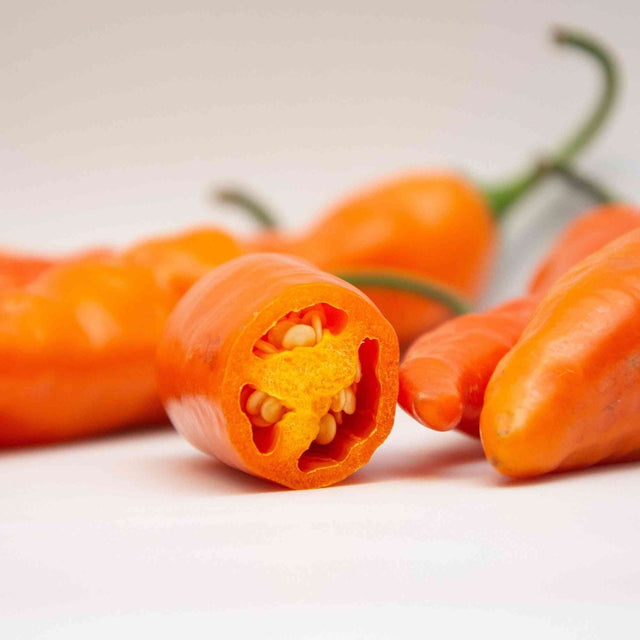
Pepper types should be compared by species, fruit wall, heat, flavor, ripeness, season length, and kitchen use—not by color alone.
A pepper wall can be thick enough for stuffing, thin enough for frying, aromatic enough for sofrito, or hot enough to require gloves. “Pepper” is the beginning of the question, not the answer.
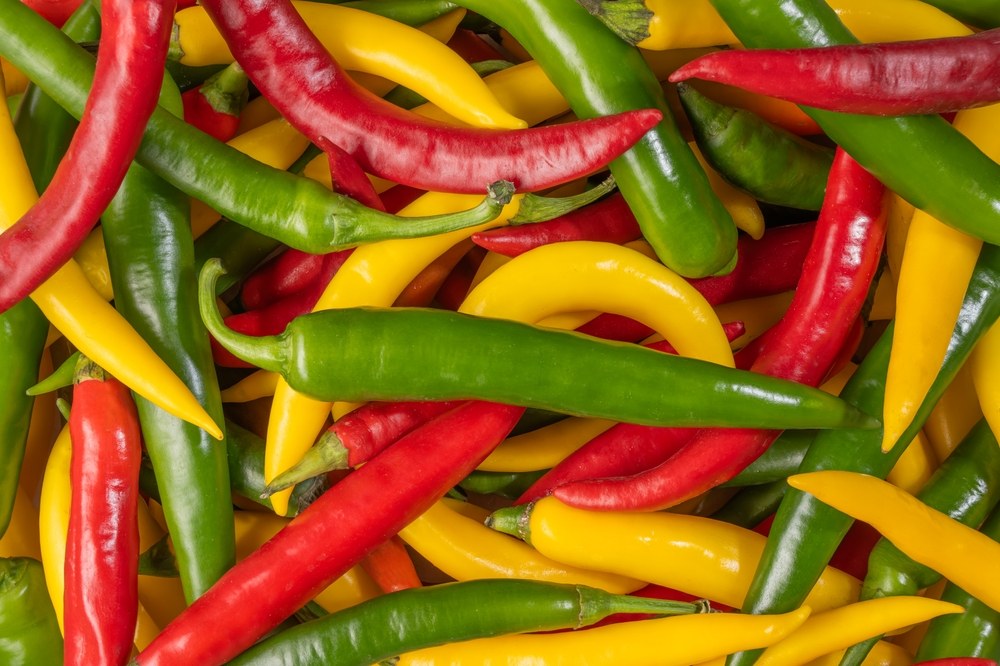
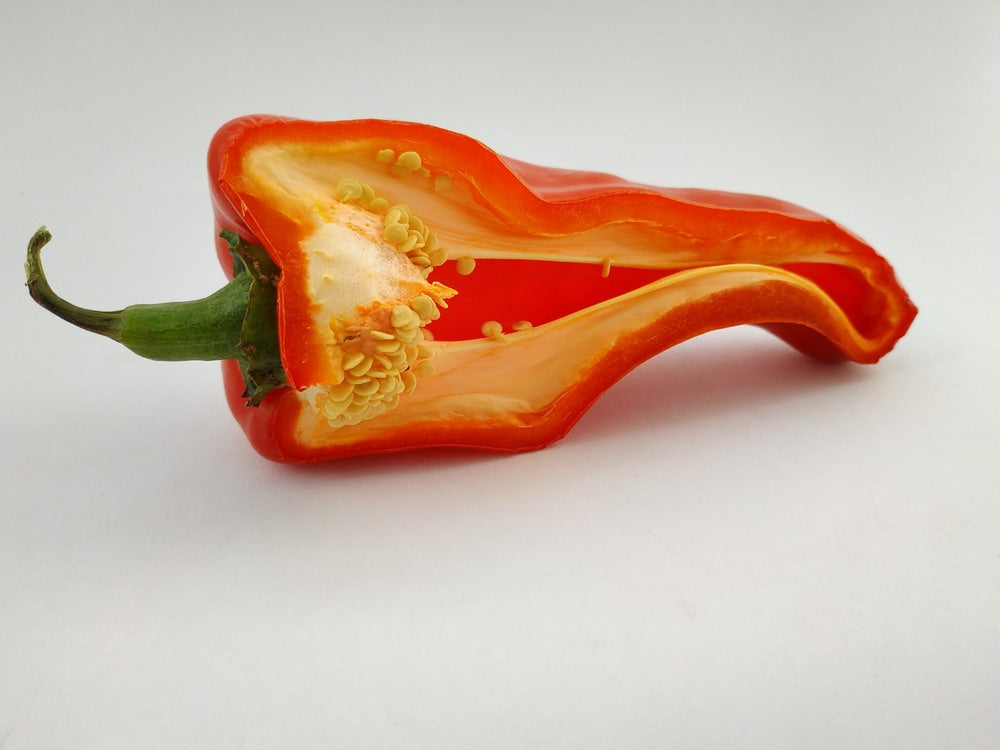
Heat is the loudest pepper trait. It is not always the most useful one.
People often shop for peppers by asking how hot they are. I start somewhere else: what will the pepper become after harvest? A sweet bell, a fresh chile, a seasoning pepper, a drying pepper, a sauce pepper, and an ornamental plant may share a genus while asking for different seasons and different kitchens.
Heat can distract from flavor. Some peppers carry fruit, smoke, sweetness, citrus, or depth that disappears when the only question is Scoville units. Others are valuable because they dry cleanly, ripen early, hold color, or produce heavily in containers.
A seed company catalog can make peppers look like a wall of names. The gardener needs a decision system. Plant habit, days to color, wall thickness, fruit size, culinary use, and climate are usually more useful than novelty alone.
This guide organizes pepper types by the work they do in the garden and kitchen.
If the goal is sauce, ask about flesh and yield. If the goal is drying, ask how quickly the fruit loses moisture. If the goal is fresh eating, ask about wall thickness and flavor. The kitchen should have a vote before the seed tray is sown.
The pepper groups—and the work each one does
These groups overlap. A pepper can be a frying pepper, a seasoning pepper, and a sweet pepper at the same time.
| Pepper group | Typical traits | Good uses | Planning note |
|---|---|---|---|
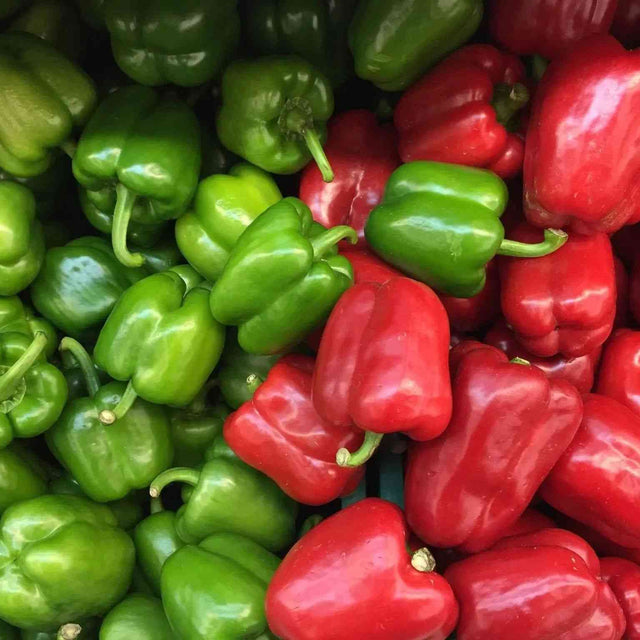
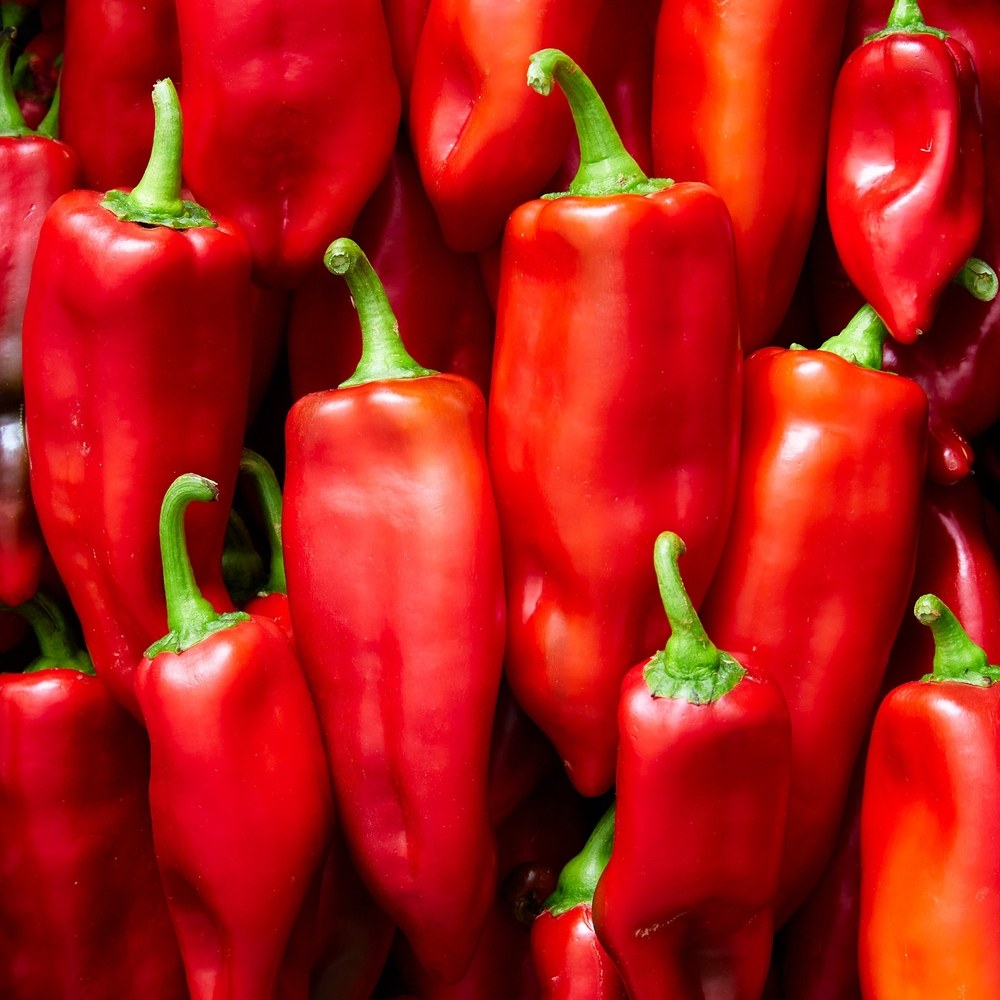
| Bell and blocky sweet | Thick walls, broad shoulders, usually mild | Fresh eating, stuffing, roasting, freezing | Longer time to full color |
| Banana and wax | Elongated, mild to hot, often early | Pickling, frying, fresh use | Read heat level carefully |
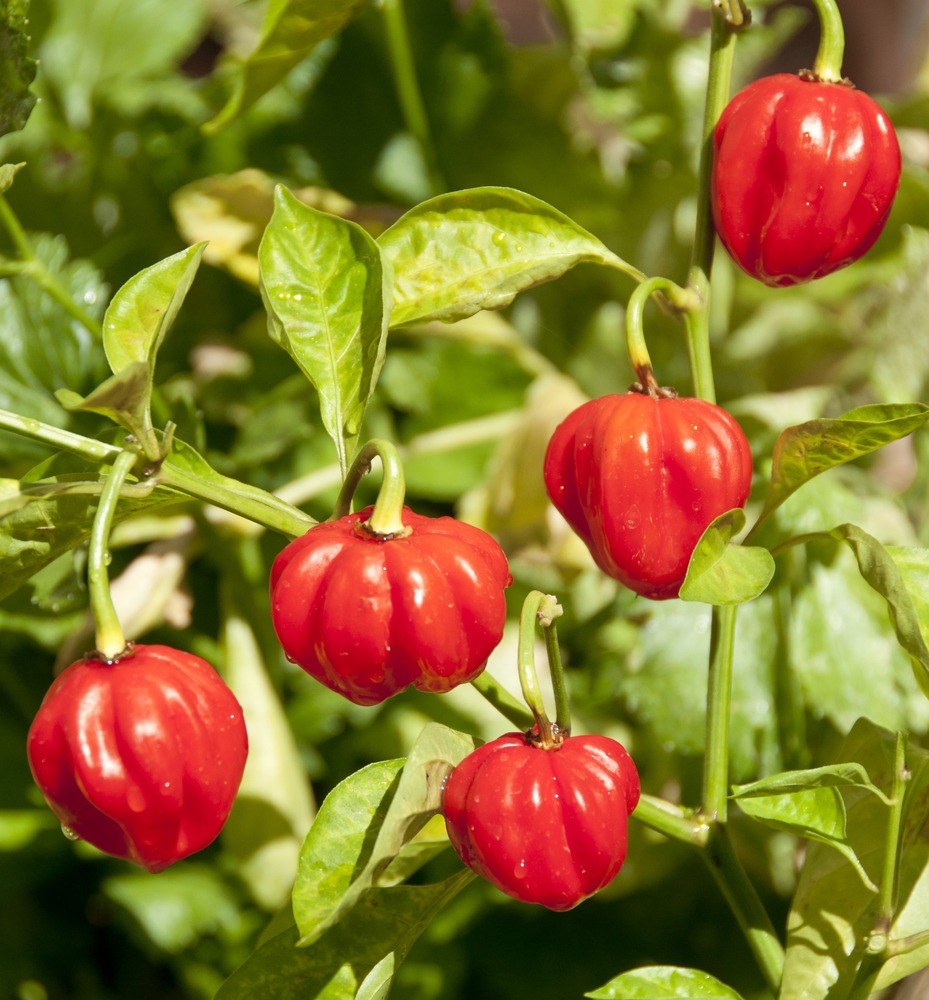
| Pimiento and cheese types | Thick, sweet, often heart- or squash-shaped | Cheese, roasting, stuffing, preserving | Fruit weight may require support |
| Frying peppers | Thin to medium walls, elongated | Quick cooking, roasting, fresh use | Often productive and easy to cook whole |
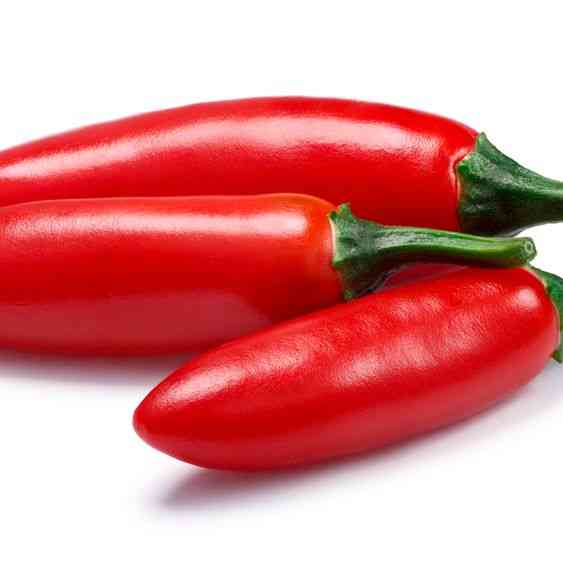
| Jalapeño and serrano | Small to medium green-stage hot peppers | Salsa, pickling, smoking, fresh heat | Heat and cracking vary by variety |
| Ancho/poblano and paprika | Larger fruits suited to fresh or dry stages | Sauce, powder, stuffing, drying | The dry name may differ from the fresh name |
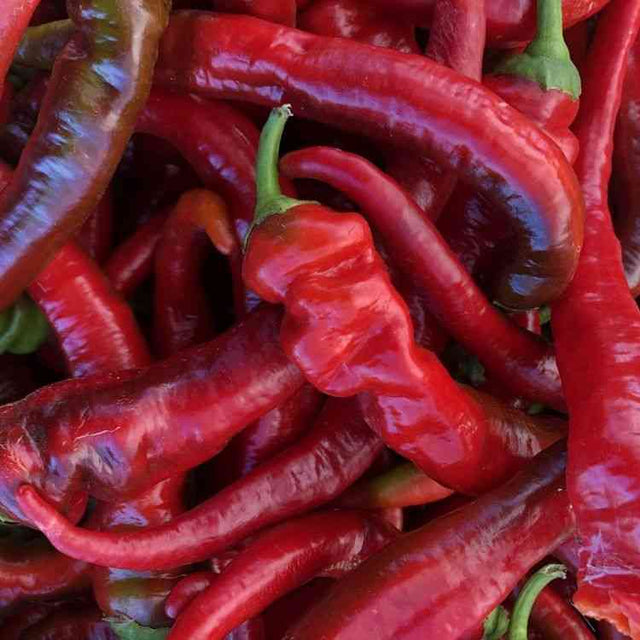
| Cayenne and small drying peppers | Thin walls, concentrated heat | Drying, flakes, powder, sauces | Drying conditions matter |
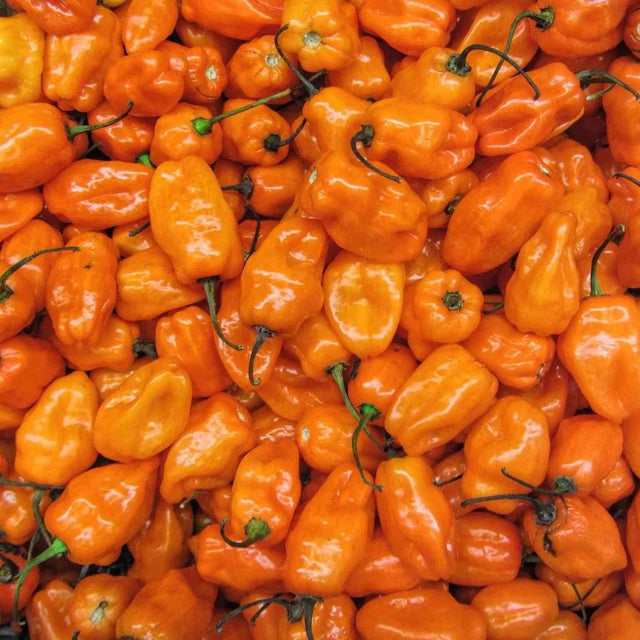
| Habanero and C. chinense seasoning types | Aromatic, often very hot, variable shape | Hot sauce, seasoning, Caribbean and regional cuisines | Usually warm and long-season |
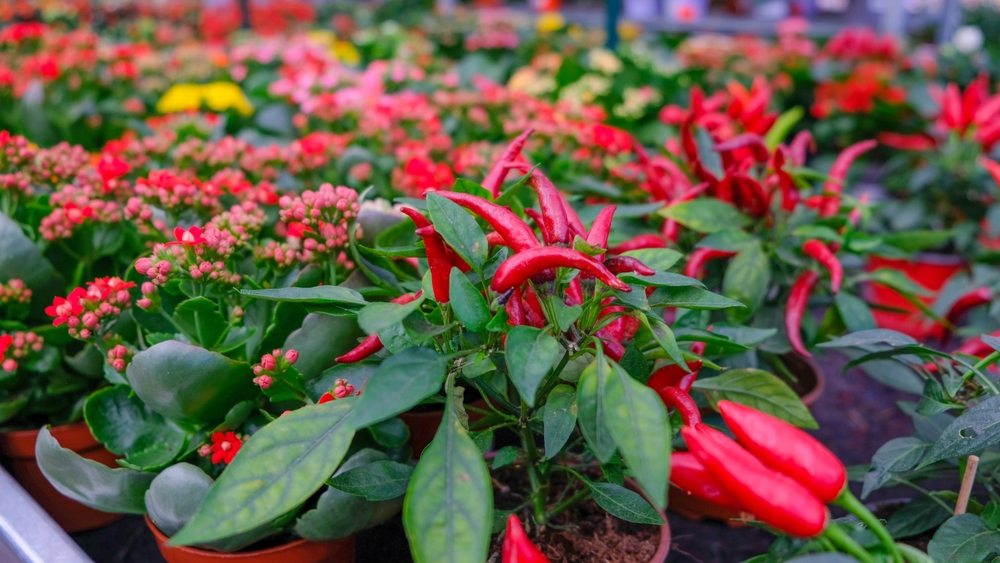
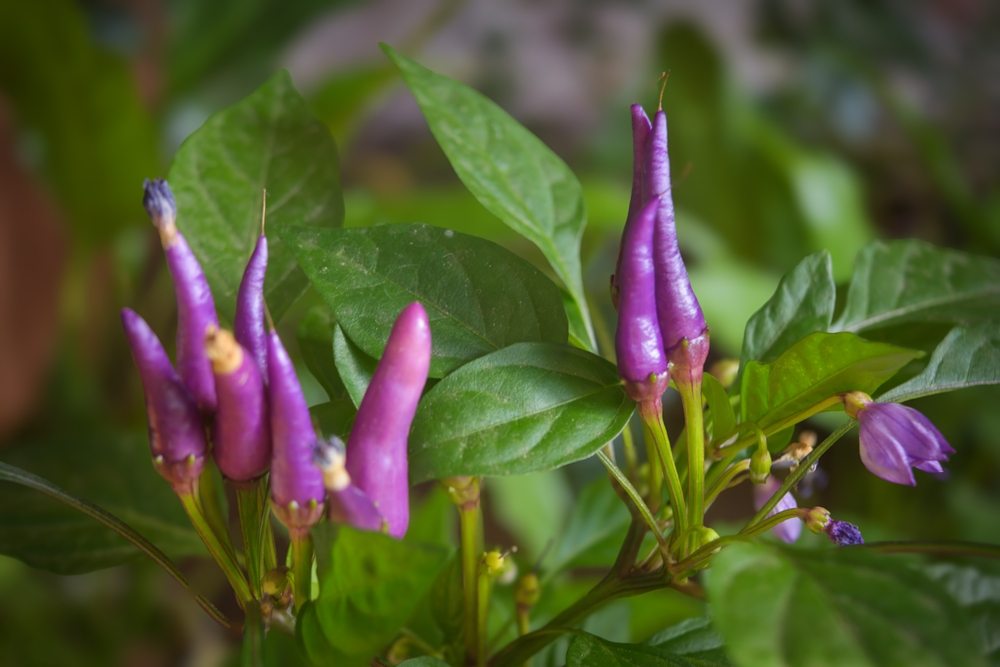
| Ornamental peppers | Compact plants, upright colorful fruit | Containers and display; edibility varies by listing | Do not assume ornamental fruit is pleasant to eat |
Scoville ratings are ranges, not guarantees. Genetics, maturity, weather, and growing conditions affect perceived heat.
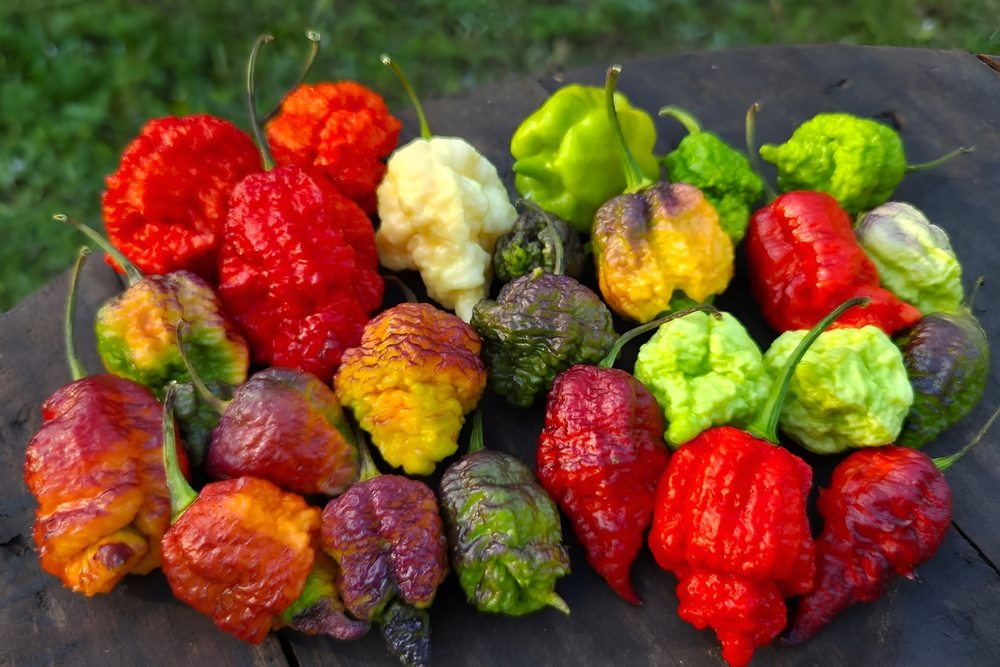
Choose by season, plant habit, and kitchen use
Use five questions to narrow the catalog.
- Do you want the fruit sweet, warm, hot, or extremely hot?
- Will you eat it fresh, fry it, stuff it, pickle it, dry it, smoke it, or make sauce?
- Do you need an early green harvest or full mature color?
- How much plant and container space is available?
- Can your season support the maturity of the species and variety?
Choose the pepper for the kitchen first. A productive plant is not useful if every fruit waits in the refrigerator because it does not fit the way you cook.
A long, hot Coastal Plain season can finish peppers that may struggle in a short mountain summer. Gardeners in cooler sites can still grow long-season types, but they need earlier starts, steady warmth, and a realistic plan for ripening before nights turn cold.
Starting and establishing the plants
Most pepper types share a warm indoor start, but slower species and late-coloring fruit need more calendar space.
- Start seed in a warm, clean seed-starting setup.
- Move seedlings into strong light immediately after emergence.
- Pot up before roots become severely bound.
- Harden plants gradually.
- Transplant only after nights and soil are warm.
- Label sweet and hot peppers clearly through harvest.
- Support plants that carry heavy fruit loads.
Do not use one sowing date for every pepper if some varieties routinely germinate or mature more slowly.
Water, soil, spacing, and ongoing care
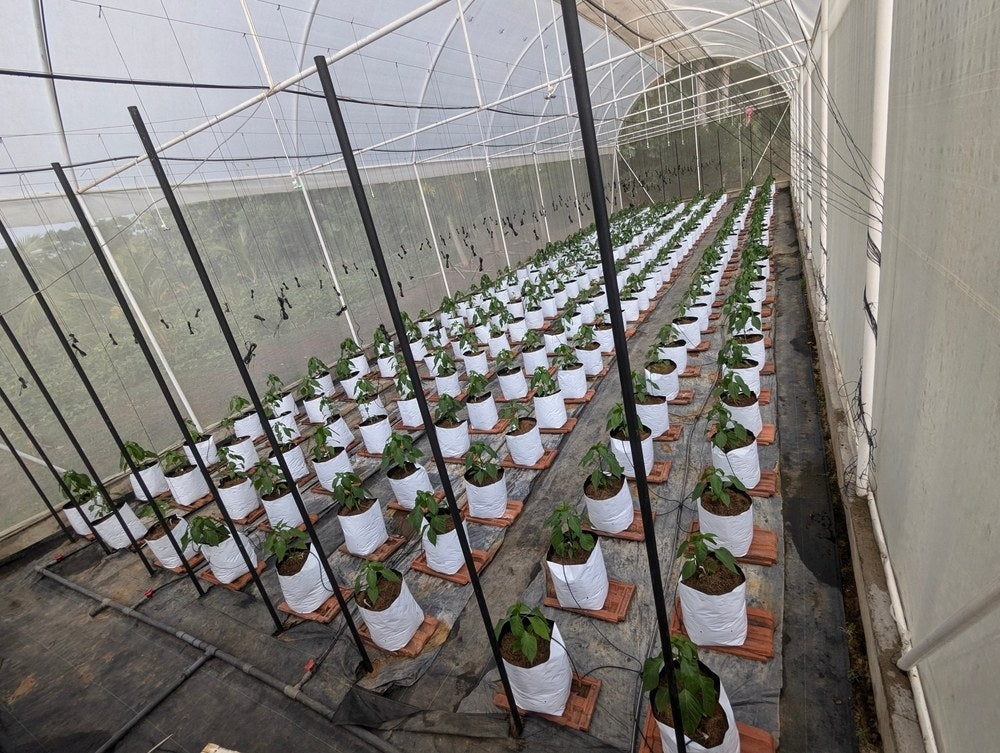
Pepper type affects spacing, support, and water demand, but every plant benefits from steady growth.
| Question | Planning answer |
|---|---|
| How much sun? | Full sun for strongest flowering and ripening. |
| How much space? | Compact peppers may fit containers; vigorous C. chinense and large bells need more root and canopy room. |
| How much water? | Even moisture; avoid severe dry-wet cycles. |
| Does it need support? | Heavy bells, pimientos, and overloaded plants often do. |
| When to harvest? | Green-stage harvest is earlier; full color develops characteristic flavor and often more sweetness or heat. |
| Can varieties cross? | Compatible peppers can cross; save seed with isolation or controlled pollination. |
Pepper plants are perennial in frost-free climates but are usually grown as annuals. A long-lived plant still needs adequate light and pest management if overwintered.
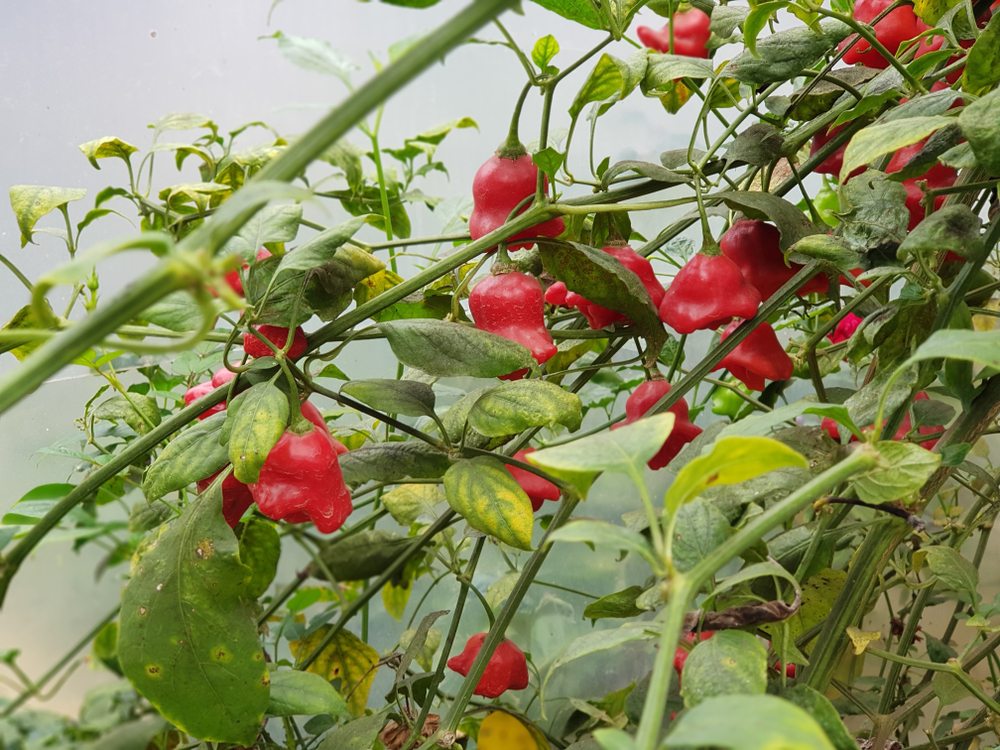
Ornamental fruit may be edible but selected for display rather than flavor. Large sweet peppers may need a longer warm season than small seasoning types. The strongest choice is not the rarest one; it is the one that reaches the harvest you actually want.
Harvest, use, and long-term management
Harvest stage is part of the pepper type.
- Green jalapeños and ripe red jalapeños differ in flavor and use.
- Ancho is the dried stage name for poblano.
- Paprika quality depends on full color and successful drying.
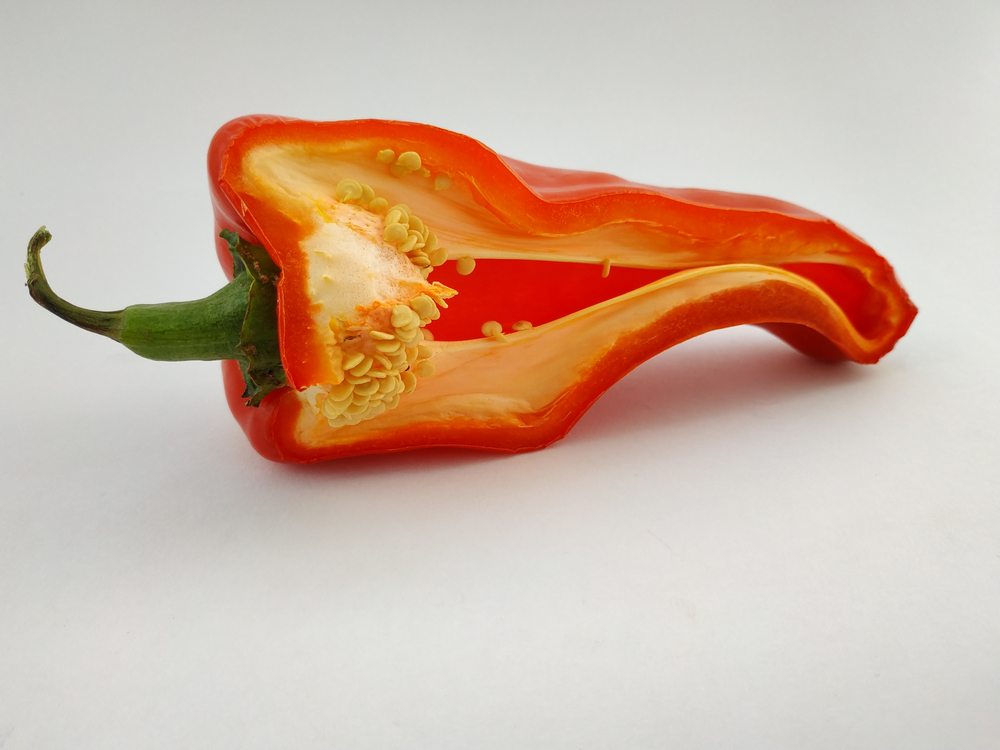
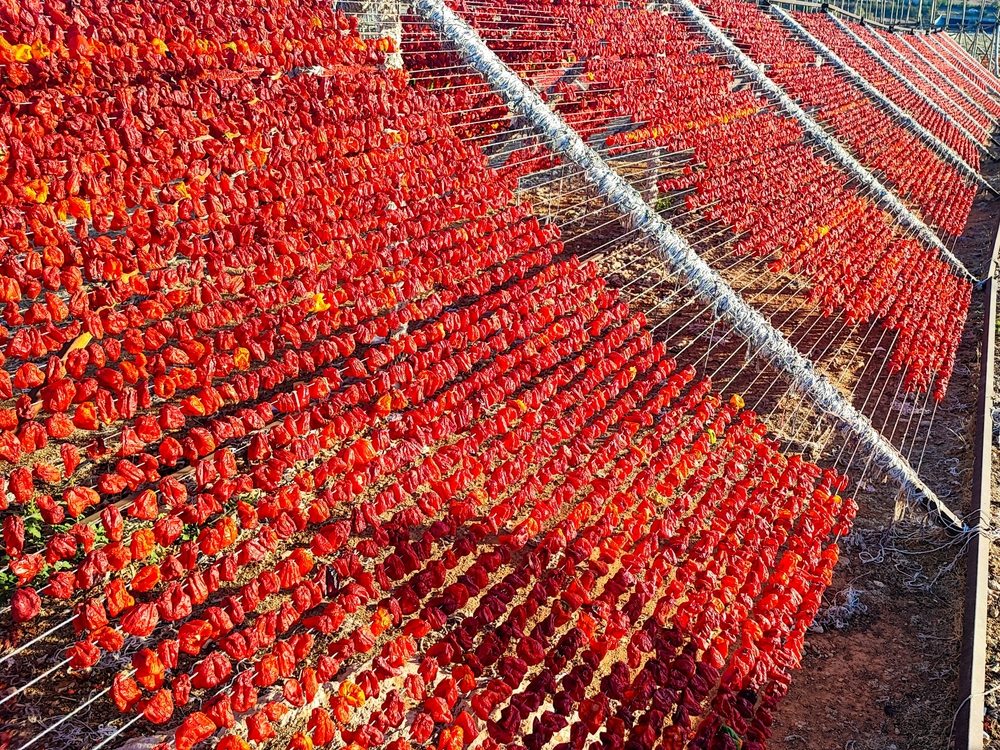
- Thin-walled peppers dry more readily than thick bells.
- Hot pepper processing requires gloves, ventilation, and careful cleaning.
- Save representative fruit from healthy plants rather than the first fruit available.
A pepper catalog becomes easier when you think in stages: green, colored, fresh, cooked, pickled, smoked, or dry.
Common mismatches and problems
Many disappointing pepper choices are mismatches rather than crop failures.
| Problem | What may be happening | What to change |
|---|---|---|
| Fruit never colors | Season too short or harvest too early | Choose earlier varieties or use season extension |
| Plant overwhelms container | Variety too vigorous or root volume too small | Choose compact type or larger container |
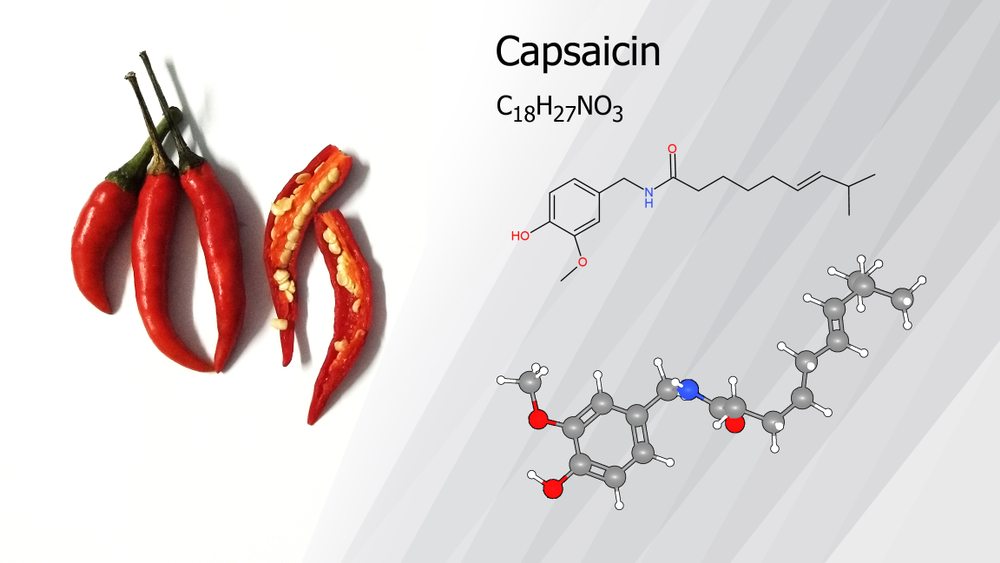
| Pepper is hotter than expected | Heat ranges vary and placental tissue carries much capsaicin | Taste cautiously and label harvests |
| Thick pepper will not dry | Walls retain moisture | Slice, use controlled drying, or choose thin-walled type |
| Lots of foliage, few peppers | Excess nitrogen, shade, temperature stress, or pollination issues | Review conditions before feeding more |
Let the kitchen design the planting
The word “pepper” covers plants used fresh, stuffed, dried, smoked, fermented, powdered, pickled, and eaten as a small sweet snack. I choose varieties by the meal and preservation plan before I compare color or heat.
- Choose thick-walled sweet peppers for fresh eating, stuffing, and roasting.
- Choose thin-walled peppers when fast drying is important.
- Separate mild seasoning peppers from genuinely hot peppers in labels and harvest bins.
- Include an early variety when the season is short or summer heat arrives late.
- Use compact varieties for containers rather than assuming every small fruit comes from a small plant.
- Plan glove, knife, cutting-board, and kitchen ventilation practices for hot peppers.
- Save seed only with isolation and accurate identification appropriate to the species.
A useful home planting might include one dependable sweet bell, one fast frying pepper, one seasoning pepper, and one hot pepper matched to the household. That mix creates more kitchen range than four varieties selected only because their colors look different.
I write the intended use on the plant label. At harvest, “sauce,” “dry,” “stuff,” or “fresh” is often more useful than a color name.
How I read a pepper list before I let it into the catalog
I begin with species, season length, plant habit, fruit wall, ripe color, heat range, and primary kitchen use. A dramatic photograph can earn a click. It cannot tell a grower whether the plant needs ten extra weeks, whether the fruit dries cleanly, or whether the supposed ornamental pepper is worth eating.
Then I look for redundancy. Five red bells with the same season and use add less value than one reliable bell, one frying pepper, one paprika type, one early seasoning chile, and one long-season fruit-forward hot pepper. Catalog breadth should create choices, not confusion.
Finally, I ask whether the description can survive without “rare,” “ancient,” “world’s hottest,” or an unsupported cultural claim. Flavor, use, plant behavior, and documented provenance should be strong enough to stand without costume.
A seed company is not merely a shelf with packets. It is a system of decisions. Better distinctions mean fewer gardeners spend a season growing the wrong pepper for the work they intended.
A four-pepper garden that covers the whole kitchen
For a small but useful planting, choose one thick-walled sweet bell, one thin-walled frying pepper, one medium hot pepper for fresh sauce and pickling, and one seasoning pepper for drying or fermentation. That combination teaches more than four peppers selected only because their colors differ.
A practical example is California Wonder for stuffing and freezing, Jimmy Nardello for frying, Serrano Tampiqueño for salsa, and Fish Pepper for seasoning and Chesapeake foodways.
Plant enough of each to judge the population. One plant reveals a possibility, not consistency. Keep notes on maturity, harvest stage, fruit wall, flavor, and the amount the kitchen actually used. The peppers that disappear into meals deserve more space next year than those that survive only as photographs.
Label heat, maturity, and seed-saving risk before the harvest is mixed
Hot and sweet peppers can look nearly identical as seedlings, and immature fruit may not show the color or shape that separates two varieties. Label plants at sowing, carry the label through potting up, and map the garden row. A packet name remembered from spring is not a seed-saving record in September.
Keep harvest containers separate when very hot fruit is involved. Mark the basket, drying rack, ferment, powder, and saved seed with the variety and heat class. A mislabeled pepper is not only inconvenient. It can expose a customer, worker, child, or cook to a level of heat they did not consent to handle.
When seed purity matters, isolate compatible peppers or protect blossoms before insects move pollen. The current fruit remains the mother plant’s variety, but seed saved from a crossed flower can produce different offspring next year. Good labeling keeps the crop useful; good isolation keeps the name honest.
That discipline also improves search and customer trust: the variety name, species, heat category, maturity stage, and intended use remain consistent from collection page to product page, field guide, packet, harvest bin, and saved-seed envelope.
Questions gardeners ask
What is the difference between a poblano and an ancho?
Poblano generally refers to the fresh green or ripe fruit; ancho refers to the dried ripe form.
Are all ornamental peppers edible?
Many Capsicum fruits are botanically edible, but flavor and heat may be unpleasant. Follow the product listing and never eat a plant treated with non-food-safe chemicals.
Which peppers are best for containers?
Compact, small-fruited, and early varieties are easier, but even they need adequate root volume, light, water, and feeding.
Which peppers are best for drying?
Thin-walled cayenne, paprika, and small hot types usually dry more easily than thick bells.
Are bell peppers always sweet?
Bell-shaped peppers are usually sweet, but fruit shape alone is not a complete heat label. Read the variety description.
Do hot peppers get hotter when they turn color?
Heat and flavor often change with maturity, but the pattern varies by variety and conditions.
Choose one dependable pepper for volume, one for the kitchen task you use most, and one that teaches you something new. Diversity becomes useful when every variety has a job.
For more information and guidance
Explore the cited resources below for additional technical detail and background.