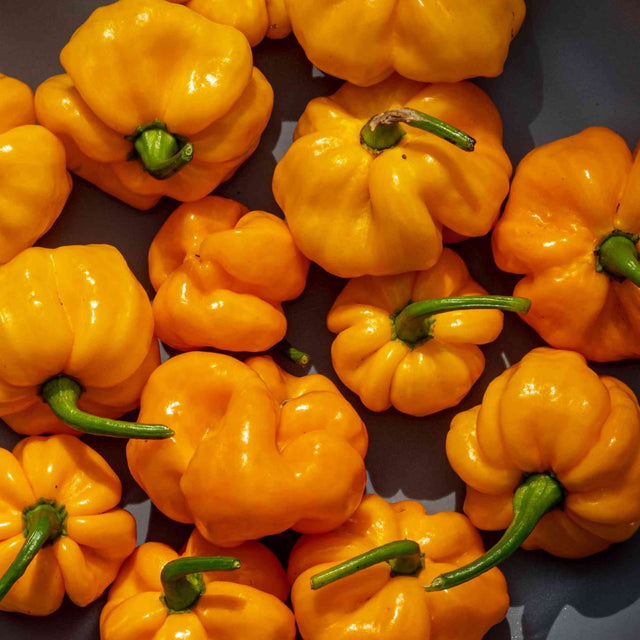
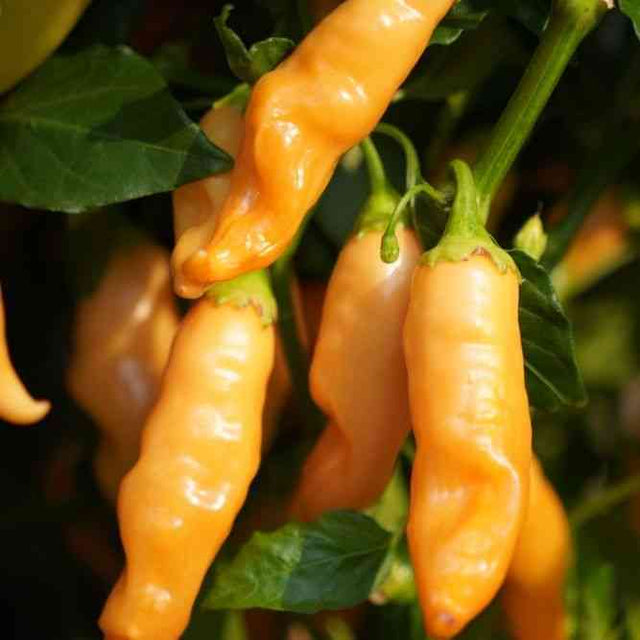
Scoville ranges estimate capsaicinoid heat, but flavor, species, maturity, environment, sampling, and laboratory method all affect the number.
Heat is easy to advertise because it fits in a number. Flavor is harder. A serious pepper guide keeps both in the room.
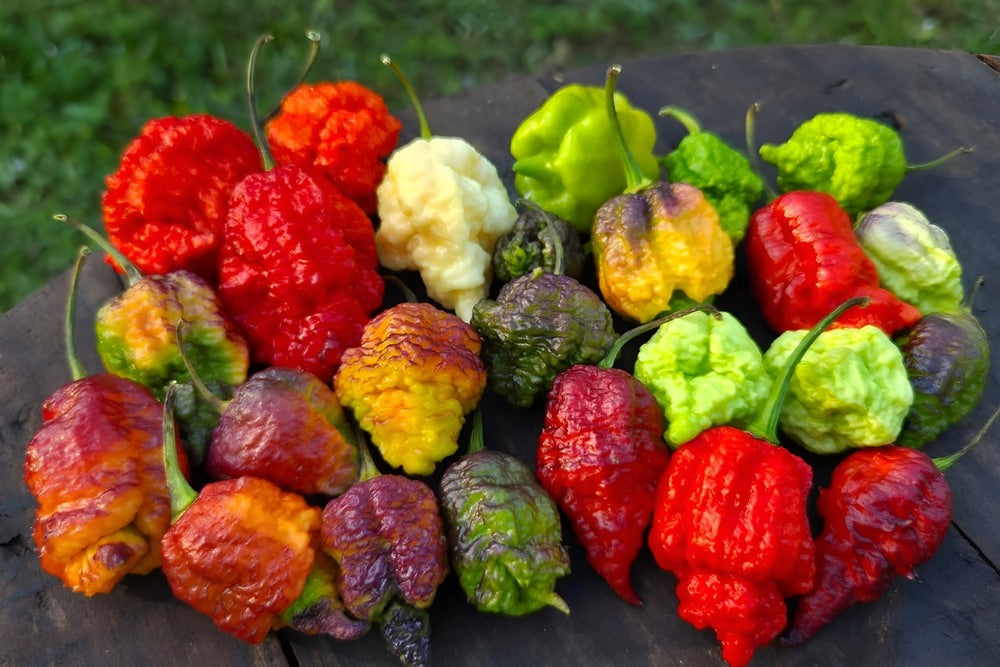
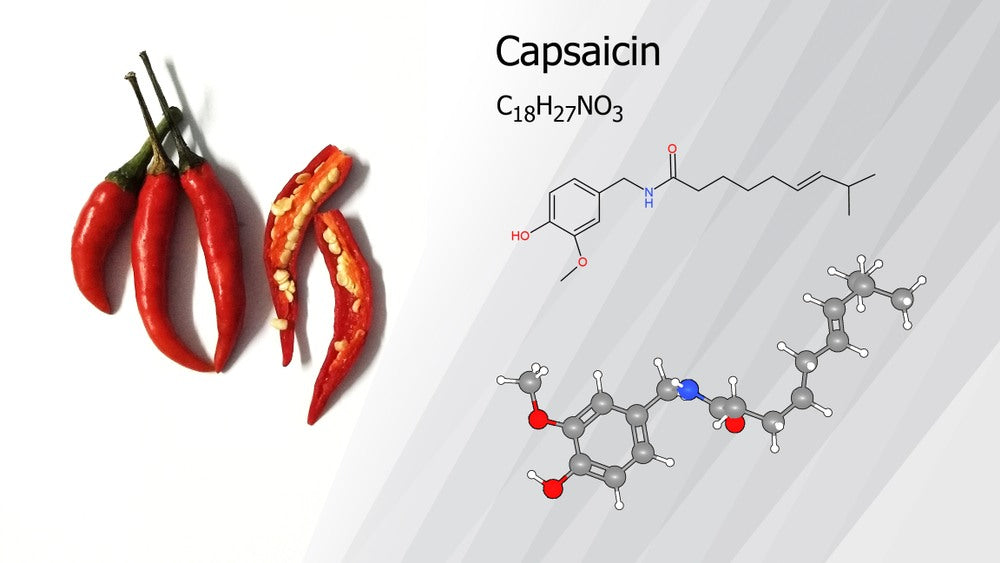
A pepper garden should not be built by heat alone. Jalapeño, cayenne, habanero, and a superhot may occupy different parts of the Scoville scale, but they also differ in aroma, wall thickness, harvest use, plant size, and the time they need to ripen.
The right pepper is the one that fits the meal and the season. Heat without purpose becomes a dare; heat with flavor becomes a crop worth growing.
Decide whether the fruit will be eaten fresh, pickled, dried, smoked, fermented, stuffed, or used in sauce. That answer narrows shape, wall thickness, flavor, and heat more usefully than chasing the highest number.
What hot pepper heat categories actually means
Mild peppers may carry warmth without pain. Medium peppers offer flexible fresh and pickling use. Hot and superhot peppers bring distinct fruity, smoky, citrus, or floral flavors beneath the capsaicin.
Capsicum annuum types often mature sooner than many C. chinense superhots, though variety and growing conditions matter.
- Thin-walled fruit dry more easily.
- Thick-walled fruit suit fresh use and stuffing.
- Small-fruited plants may carry large harvests.
Separate the terms that are often confused
Heat ranges overlap. A mild year for one plant can still produce unexpectedly hot fruit, and the same pod may feel different depending on preparation.
Separate the Scoville measurement from days to maturity and the variety’s flavor profile.
| Term | Practical meaning | What it does not guarantee |
|---|---|---|
| Mild to warm | Pepperoncini, poblano, many seasoning peppers | Heat may still vary and concentrate with maturity |
| Medium | Jalapeño, Fresno, serrano-type ranges | Names and regional strains are not identical |
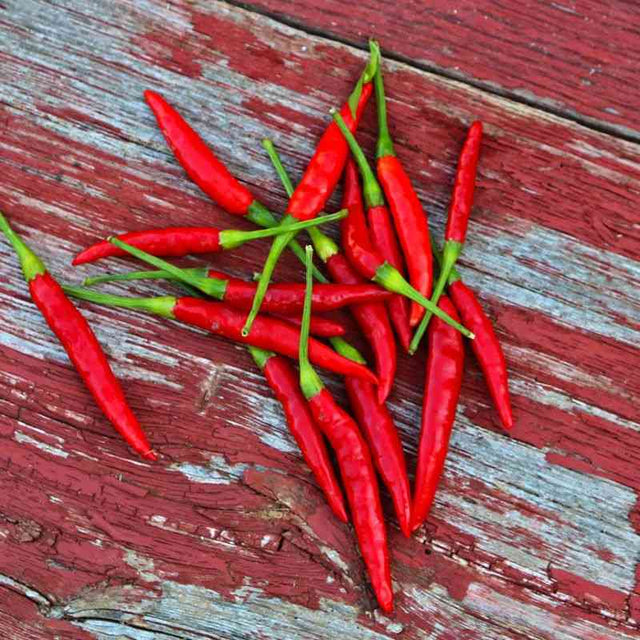
| Hot | Cayenne, Thai, many C. chinense seasoning types | Thin walls do not mean low heat |
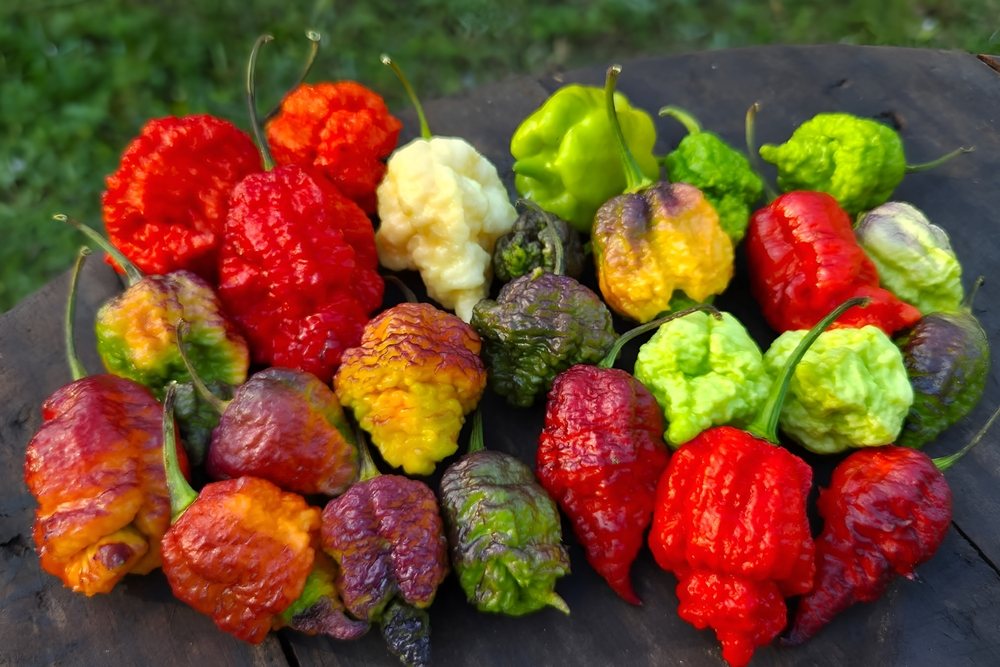
| Superhot | Selected C. chinense hybrids and cultivars | Long season, handling risk, and extreme variability |
Put the information to work
Start long-season peppers indoors with strong light and steady warmth.
- Transplant only after nights and soil are warm.
- Avoid excessive nitrogen that builds leaves at the expense of fruit.
- Harvest at both green and ripe stages when the variety supports it.
- Label superhot plants, baskets, and saved seed clearly.
Avoid the shortcuts that create bad decisions
The common failure is growing a superhot in a short season without enough indoor lead time. Another is overwatering heavy soil until roots stall.
Heat claims also become sloppy when marketers use one record-setting fruit to describe every seedling of a type.
- Do not save seed from mixed peppers without understanding cross-pollination.
- Do not handle superhots barehanded.
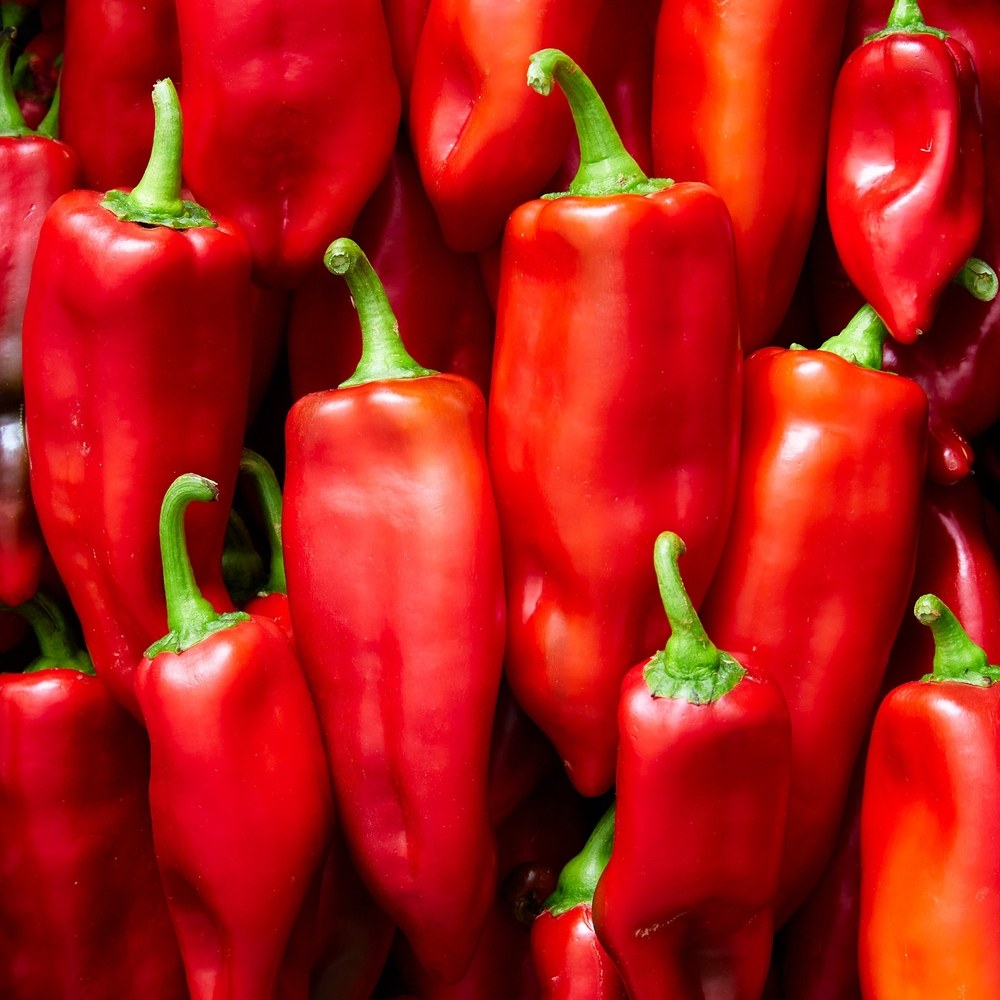
- Do not assume red always means hotter than green across different varieties.
What a Scoville number measures—and what laboratories actually do
Wilbur Scoville’s 1912 organoleptic test diluted pepper extract in sugar water until trained tasters could no longer detect heat. The number of dilutions became the Scoville Heat Unit value. It gave the market a language for pungency, but human thresholds vary and so does every pepper sample.
Modern laboratories commonly use high-performance liquid chromatography to separate and quantify capsaicinoids. The concentration can then be converted into an estimated Scoville value. That method is more reproducible than a tasting panel, but the result still describes the tested sample—not every fruit that will ever grow from a packet.
A variety is properly described with a range because genetics, fruit maturity, growing conditions, sampling, and method all influence the result. One record-setting fruit does not make every sibling equally hot. One mild fruit does not prove the seed is wrong.
Use Scoville ranges to compare broad expectations and handling needs. Do not use them as a promise that a homegrown pod will land on an exact number. Measurement is valuable precisely because it tells us where certainty ends.
Choose peppers by flavor, wall, and use before choosing by fire
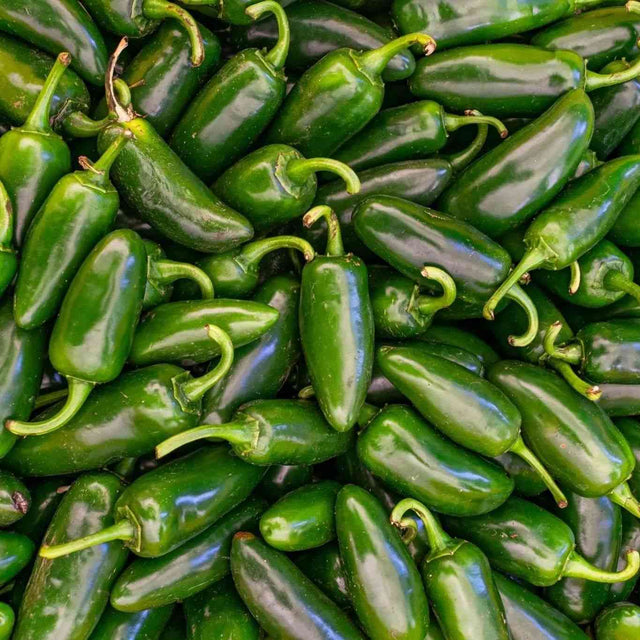
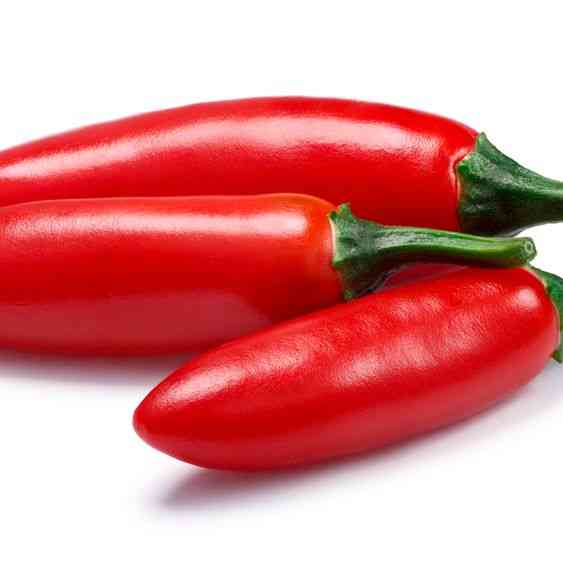
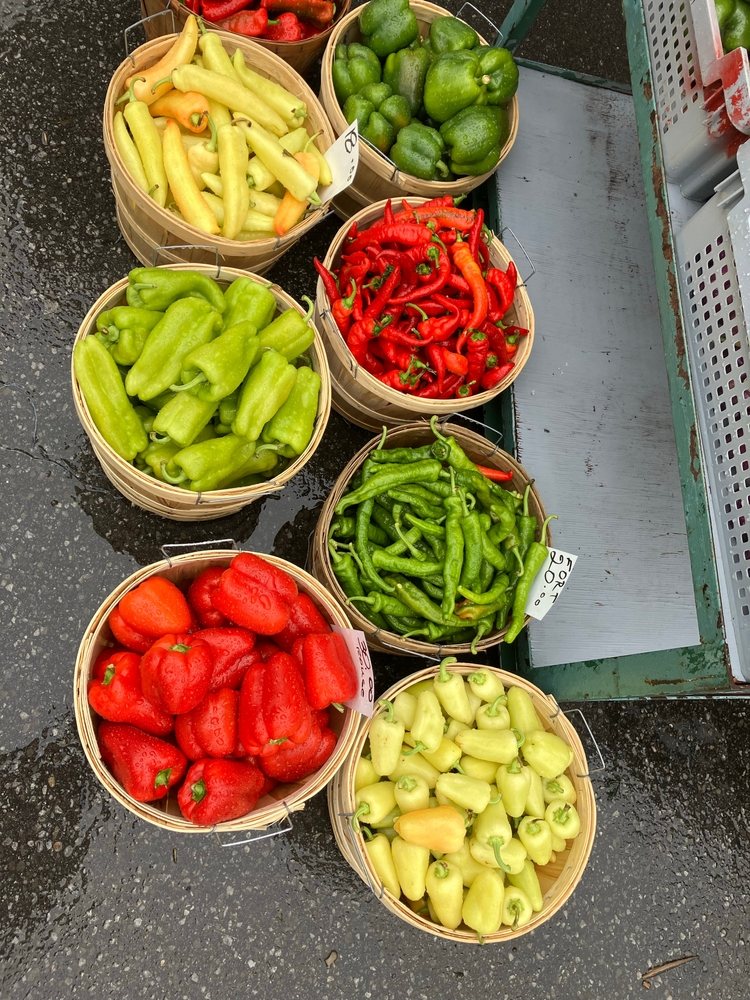
Jalapeños bring green, grassy flavor and a thick wall suited to fresh salsa, smoking, stuffing, and pickling. Serranos are slimmer, brighter, and usually hotter, useful where clean chile flavor should cut through a sauce. Cayenne types dry easily and concentrate into flakes and powder.
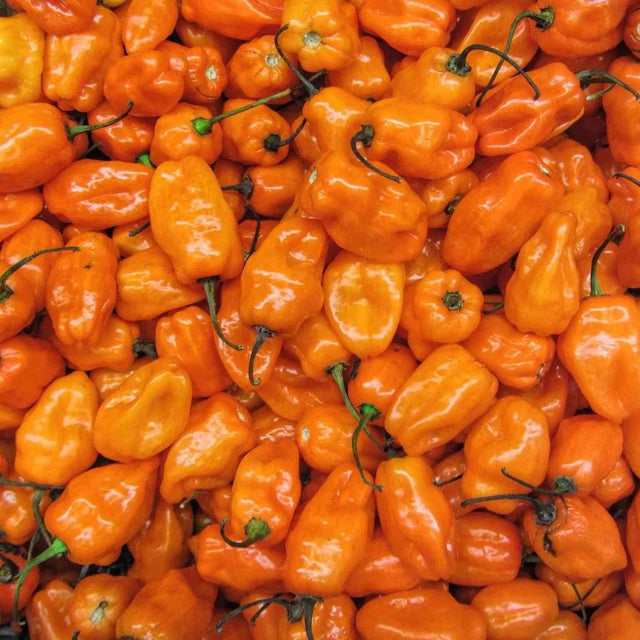
Capsicum chinense peppers such as habaneros and Scotch bonnets often carry floral, tropical, or citrus aromas beneath substantial heat. Superhots may extend those aromas into extreme pungency, but they also demand a longer season and more careful handling. Capsicum baccatum types can bring fruit-forward flavor and tall, long-season plants.
Wall thickness decides preservation. Thin fruit dries efficiently. Thick fruit holds texture for stuffing and fresh use but takes longer to dehydrate. Small upright peppers can be easy to pick in numbers; large pendant fruit may give more usable flesh per pod.
Build a pepper garden like a kitchen shelf: one for fresh use, one for pickling, one for drying, one for sauce, and only as many extreme peppers as the household can actually use. The strongest catalog does not ask how much fire a customer can survive. It asks what he intends to cook.
Fire is useful when it has a direction. Without one, it is only weather in the mouth.
Account for place, season, and crop
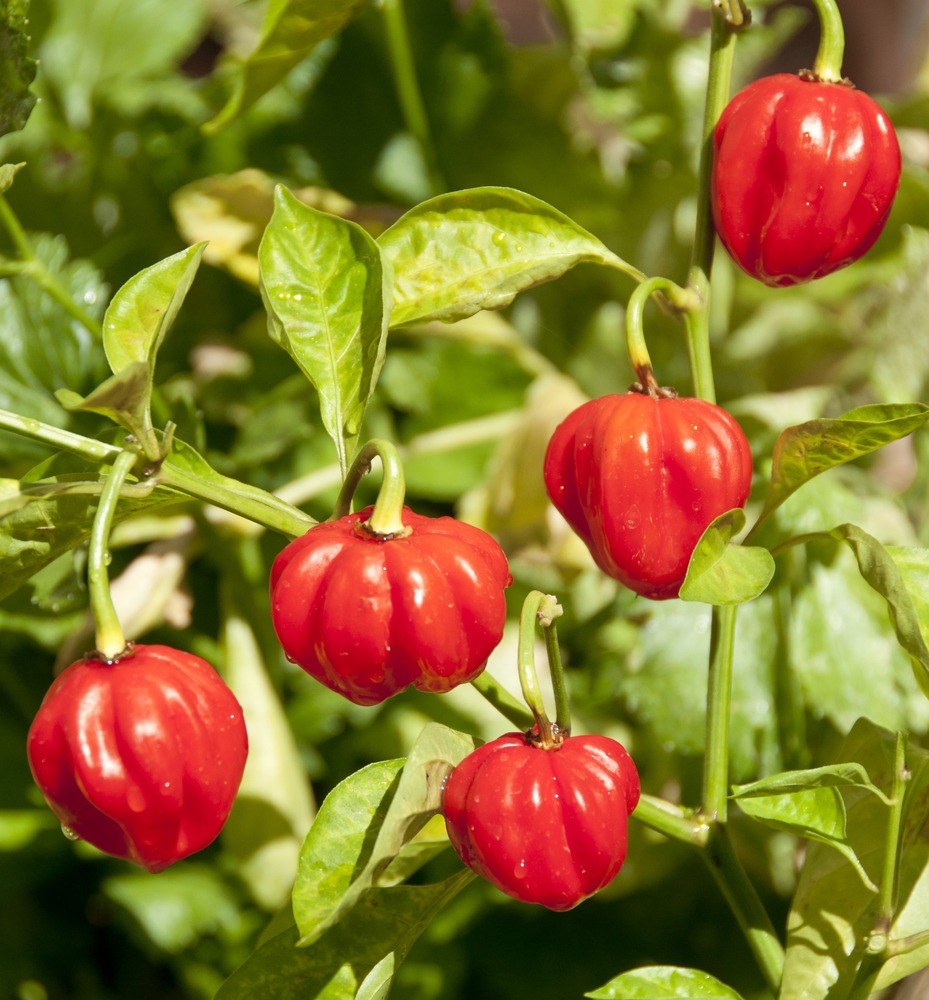
The Coastal Plain provides a long warm season but can stress plants with humid nights and waterlogged soil. Piedmont and mountain growers should start slow superhots early and use warm microclimates.
Shade cloth may protect fruit and flowers in extreme heat, but dense shade can delay ripening.
Keep the claim tied to evidence
Record sowing date, first flower, first ripe fruit, flavor, heat impression, yield, and disease. These notes reveal which peppers truly earn space in your climate.
Keep culinary descriptions separate from laboratory heat claims.
A good pepper list should help a gardener cook, not merely survive a tasting.
Put this guide to work in a real garden
Treat Hot Pepper Heat Guide: Mild to Superhot Varieties, Flavor, Use, and Growing Time as a variety record, not merely a harvest note. Keep the original source, lot, stated history, plant population, isolation method, and the traits you observed. A seed name is useful only when the crop grown under that name remains traceable.
Select from healthy plants that represent the intended variety, but do not narrow the population so severely that vigor and diversity are lost. Remove obvious off-types before flowering when purity matters, and keep disease or accidental crosses out of the seed lot.
Dry, clean, label, and store the seed as carefully as it was grown. The label should survive longer than memory: crop, variety, year, location, parent population, isolation, and any uncertainty that the next grower deserves to know.
- Record the original seed source and lot.
- Map neighboring compatible varieties.
- Mark representative healthy plants before harvest.
- Dry and clean seed to a stable condition.
- Label the lot with facts and uncertainties.
Use a 30-day checkpoint instead of guesswork
Before flowering
Confirm variety identity, neighboring compatible crops, and the minimum population you can maintain.
During flowering
Watch pollination and remove off-types before they contribute pollen when purity matters.
At seed maturity
Harvest from healthy representative plants and keep lots separate through drying and cleaning.
Before storage
Label, test, and record uncertainty. A beautiful seed lot without provenance is harder to steward well.
Historical claims and cultural associations require documentation and community context. This guide can explain categories and methods, but it should not be used to assign ownership, ancestry, or sacred status without evidence and permission.
Keep a one-season record
The record does not need to be elaborate. A notebook page, spreadsheet row, or labeled photograph is enough when it captures the variables that matter.
- Variety name and source
- Population size and isolation
- Off-types or disease removed
- Harvest and cleaning date
- Germination test and storage location
Write enough that another grower—or you, one year later—could understand what was planted, what happened, and why the next decision changed.
What moves a Scoville result
A Scoville value is not a permanent personality stamped into every fruit. Genetics establish a range, but maturity, plant stress, temperature, water, fruit position, sampling, and laboratory method can move the measured result. Two fruits from one plant may not carry identical capsaicinoid concentrations. A catalog number should therefore be read as an expected range, not a warranty that every bite will land on the same point.
Heat is concentrated mainly in the placental tissue that holds the seeds, not created by the seed itself. Seeds can become coated with capsaicinoids during cutting and handling, which is why they often taste hot. Removing seeds alone without removing the pale internal tissue may not reduce heat as much as a cook expects.
Ripeness changes the balance too. A green jalapeño and a fully red jalapeño can differ in sweetness, aroma, texture, and perceived heat even when they come from the same variety. Drying concentrates flavor and changes the way heat reaches the mouth. Fermentation adds acidity and microbial transformation. The useful question is not only "How hot is it?" but "How will this fruit be used?"
Build a useful heat ladder, not a trophy shelf
A strong pepper garden usually includes several levels of heat. Mild frying peppers provide volume and sweetness. Jalapeños, serranos, and wax peppers cover daily salsa, pickling, and roasting. Habanero and Scotch Bonnet types bring floral aroma that medium peppers cannot imitate. Superhots may be valuable for breeding, powders, or extremely concentrated sauces, but they require careful handling and a real plan.
Choose the crop around the kitchen. A family that cooks with sofrito may value aromatic low-heat Capsicum chinense types more than record-setting heat. A fermenter may want thick production and ripe color. A market grower needs customers who understand what they are buying. A seedkeeper needs enough isolation and plant numbers to keep the selected varieties recognizable.
Wear gloves when handling very hot fruit and avoid touching eyes or skin. Work with ventilation when dehydrating or cooking concentrated peppers. Label powders and sauces clearly. Heat can be part of flavor, but carelessness is not a flavor.
For a useful comparison planting, grow several heat classes under the same conditions and record first ripe fruit, plant height, pod load, mature color, wall thickness, aroma, and the way heat develops in the mouth. Taste only in amounts appropriate to the variety. A garden trial cannot produce a laboratory Scoville number, but it can reveal which pepper is earliest, which is most aromatic, which dries cleanly, and which actually belongs in the kitchen.
Seed saving adds another layer. Compatible peppers can cross even when their fruit looks true in the current season. Save from multiple healthy plants, isolate according to the purity required, and keep hot and sweet seed lots physically separated during cleaning and packing. A mislabeled hot pepper is not a small clerical error. It is a broken promise at the table.
A pepper should leave a memory, not an injury. Grow the fire with enough judgment to keep the meal in command.
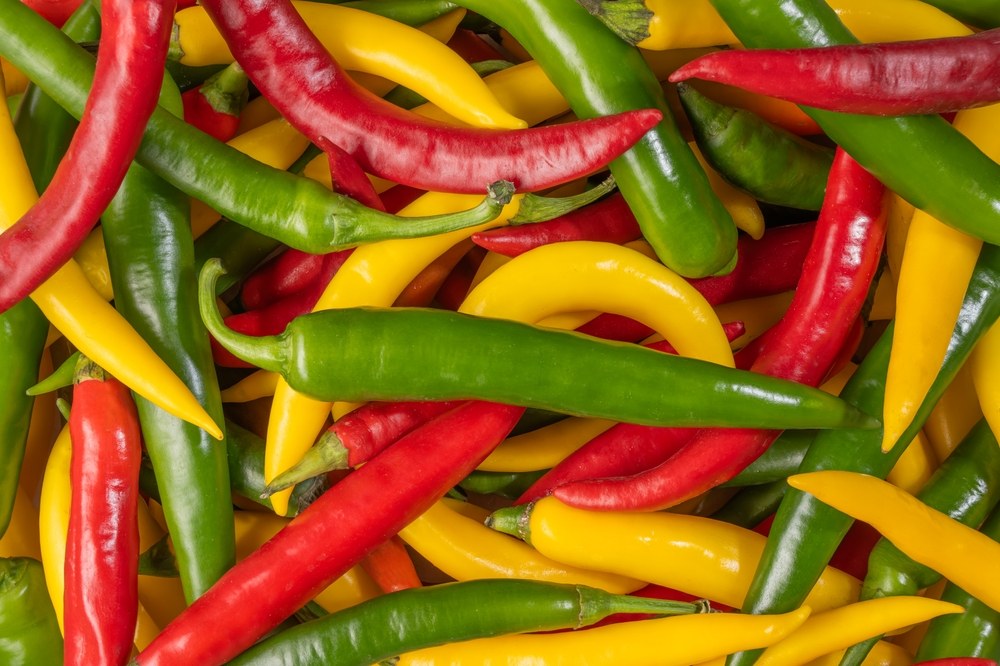
Taste hot peppers like a crop evaluator, not a contestant
Begin with a very small sample from known fruit, keep varieties separate, and wait for the heat to develop before taking more. Taste ripe and unripe stages on different occasions. Record aroma, sweetness, bitterness, wall texture, where the heat appears, how long it lasts, and whether the flavor remains useful beneath it.
Do not conduct a casual tasting with unlabeled superhots, children, pets, or anyone who did not agree to the risk. Gloves, clean tools, separate cutting surfaces, ventilation, and a written label are ordinary seed-company discipline. The goal is to understand the pepper well enough to describe and use it—not to turn pain into proof of expertise.
A careful tasting record improves product copy, kitchen recommendations, seed selection, and customer safety. The strongest pepper description can explain why the fruit belongs in a garden even to someone who will never chase the top of the Scoville scale.
Questions gardeners ask
Which hot peppers are easiest for beginners?
Jalapeño, serrano, cayenne, and many C. annuum types are generally faster and more forgiving than long-season superhots.
Why are my peppers not hot?
Genetics, fruit maturity, environment, and individual variation affect heat. Some fruit on the same plant can differ.
Do peppers get hotter when red?
Many varieties become sweeter and may seem hotter as they fully ripen, but color and heat relationships differ among types.
How early should superhot peppers be started?
Often ten to twelve weeks or more before transplanting, with strong light and warmth. Avoid starting so early that plants become root-bound.
Can hot and sweet peppers cross?
Yes, peppers of compatible species can cross through pollen. The current fruit remains true to the mother plant, but saved seed may produce different offspring.
Grow the pepper for what it brings to the table. The fire should have a flavor, a season, and a reason.
For more information and guidance
Explore the cited resources below for additional technical detail and background.