Jimmy Nardello is a long, thin, sweet Italian frying pepper carried by the Nardello family from Ruoti in Basilicata to Connecticut in 1887. It is grown for ripe red sweetness, not heat, and it rewards warm soil, patient color development, and a hot pan.
Some peppers sell themselves with size. Some with heat. Jimmy Nardello sells itself the first time it touches oil. The skin wrinkles, the flesh softens, and a pepper that looks almost too thin for importance becomes the reason the rest of the meal exists. That is the sort of variety a seed company should protect: not because the story is fashionable, but because the flavor keeps proving the story earned its passage.
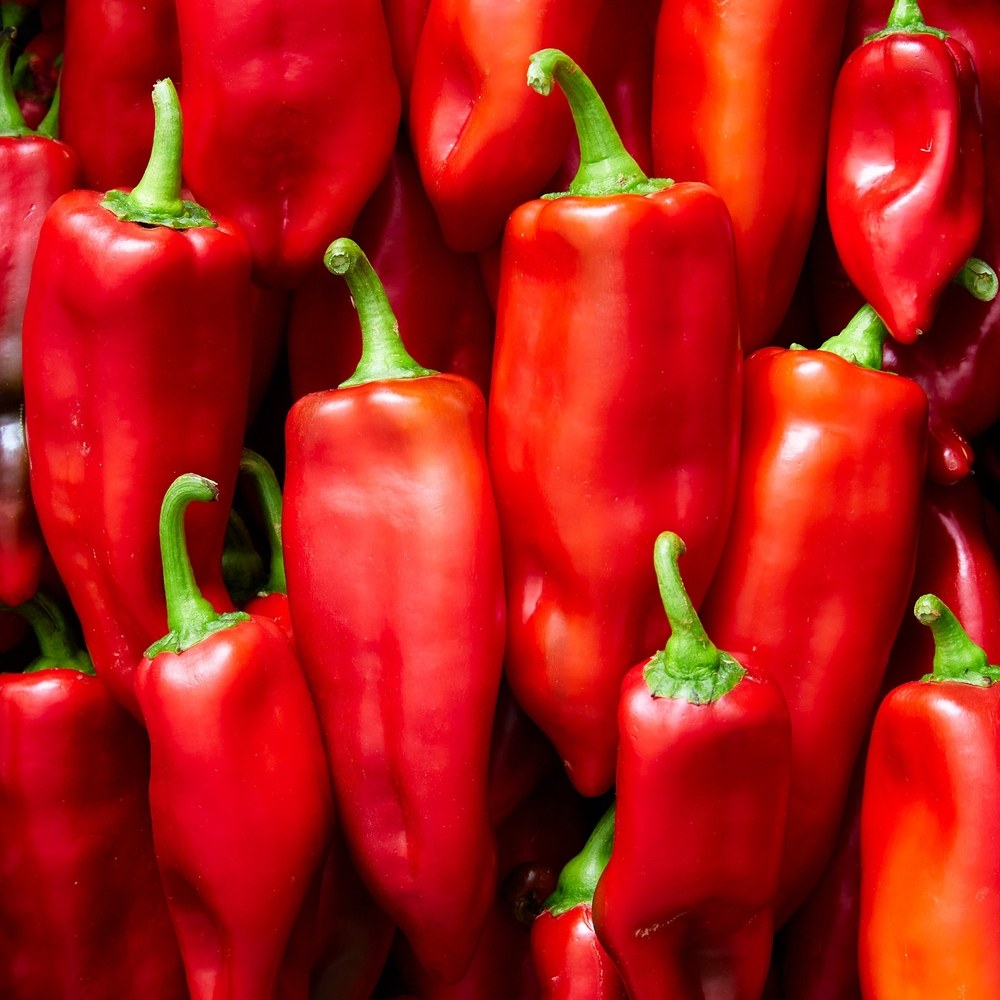
What Jimmy Nardello pepper is
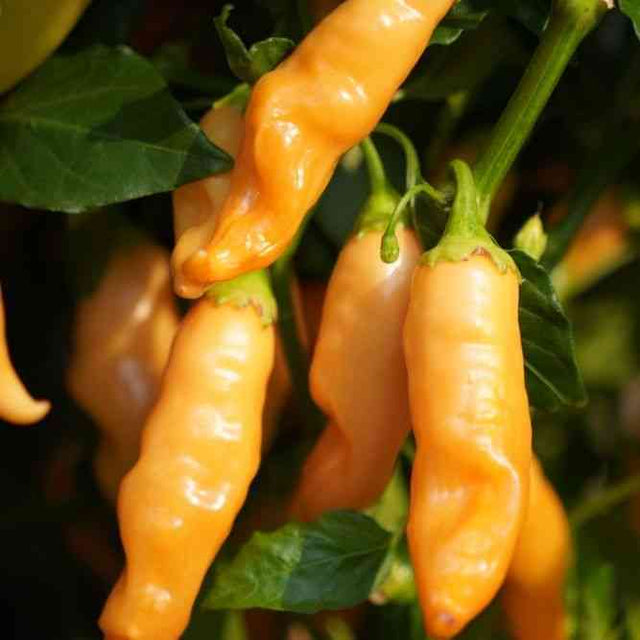
Jimmy Nardello is an open-pollinated Capsicum annuum sweet pepper. The fruit is long, narrow, often curved, and visibly wrinkled. It can be mistaken for a hot chile at a glance, but the ripe fruit is sweet and generally without meaningful heat.
The plant is upright and productive, commonly reaching around two to three feet in a suitable season. Fruit begins green and ripens red. Green peppers are usable, but the full reputation belongs to the red stage, when sugars and aroma have developed.
It is not a thick bell pepper and should not be forced into bell-pepper expectations. The walls are thinner, the fruit cooks quickly, and the kitchen use is closer to an Italian frying pepper. That difference is not a weakness. It is the point.
The documented Nardello family story
Slow Food records the pepper as part of the Nardello family’s migration from Ruoti, in the Basilicata region of southern Italy, to Connecticut in 1887. Jimmy was one of the family’s children and became the keeper whose name remained attached to the variety.
Jimmy Nardello kept the family pepper in cultivation for decades, and the variety later entered wider public circulation. Slow Food’s Ark of Taste now documents its family history and culinary significance, helping explain why a practical frying pepper from one immigrant household became known far beyond Connecticut.
The record is powerful because it is ordinary in the best sense: a family carried seed, kept planting it, cooked with it, and shared it. No royal pedigree. No mythical discovery. A pepper crossed an ocean because somebody believed the next garden should taste like the last one.
A seed can be smaller than the country left behind and still carry the road home.
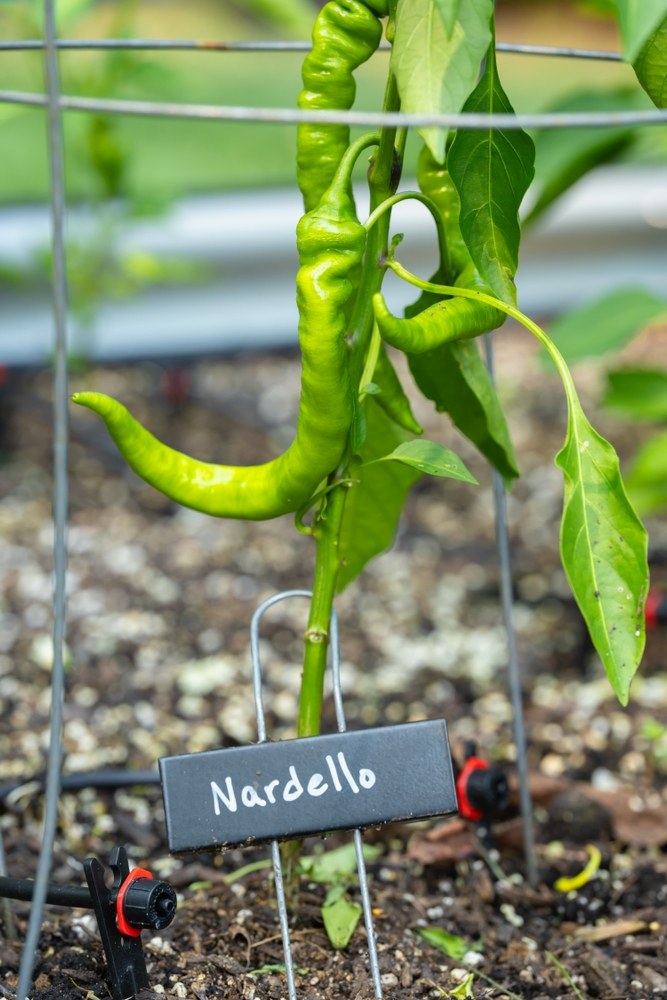
Starting Jimmy Nardello pepper from seed
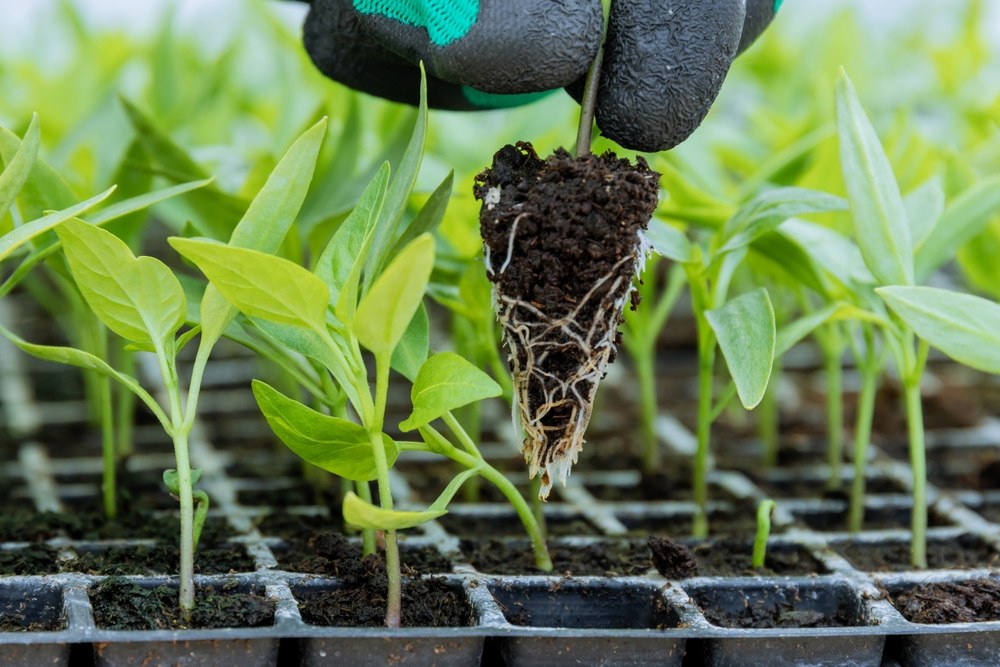
Start seed indoors about eight to ten weeks before the expected transplant date. Sow about 1/4 inch deep in clean seed-starting mix. Hold the root zone near 80–90°F for quick, even emergence, but do not confuse heat with saturation. Warm, airless mix can rot seed as efficiently as cold soil.
Move emerged seedlings under strong light immediately. Keep the first true leaves compact and dark green, not stretched toward a distant window. Pot up when roots fill the cell, feed lightly, and keep the plants moving rather than letting them stall in exhausted mix.
Harden gradually. The pepper may carry an old family story, but the seedling has no memory of wind. Introduce outdoor sun, movement, and temperature in stages.
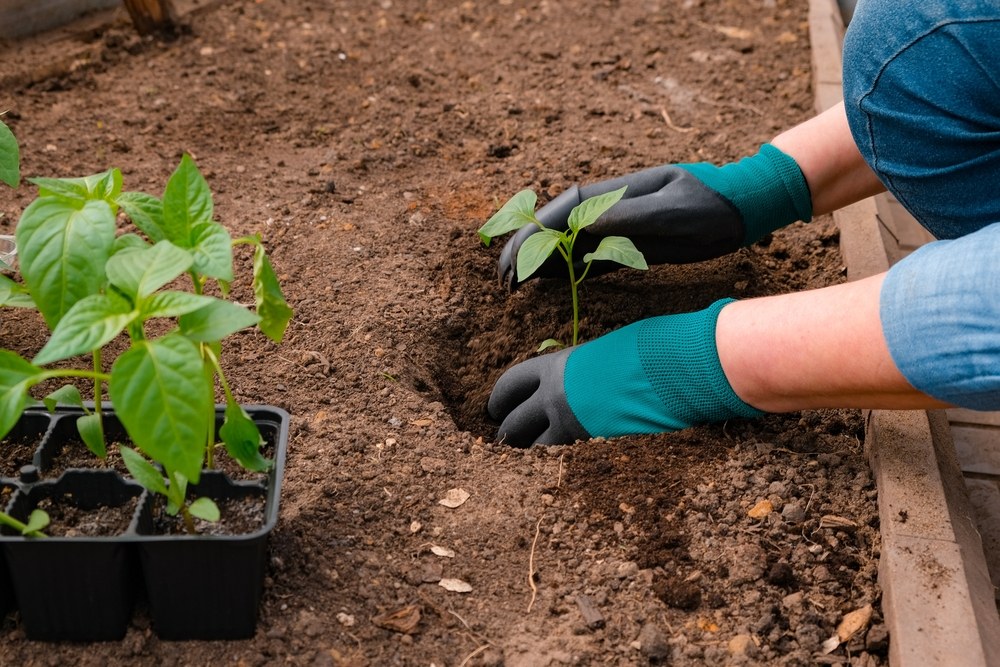
Growing the plants for a long red harvest
Transplant after frost danger when soil and nights are warm. Set plants about 18 inches apart with enough row space to harvest without rubbing wet foliage. Full sun produces the strongest crop, though afternoon protection can help in extreme heat.
Keep moisture even through flowering and fruit fill. Mulch after the soil warms. Use a stake or light cage where fruit load or storms can pull branches down. Avoid heavy nitrogen that creates leaves and delays flowering.
Jimmy Nardello can set a large number of slender fruit. Harvest green peppers if the plant needs relief or the kitchen needs them, but leave a substantial share to ripen red. In humid climates, inspect fruit where it touches leaves or other peppers; trapped moisture can encourage rot.
When Jimmy Nardello peppers are ripe
The best frying flavor develops at full red. The fruit should be deeply colored, flexible but sound, and free of soft decay. Use clean snips instead of tearing branches.
Green fruit is sharper and more vegetal. Red fruit is sweeter, fruitier, and less grassy. A mature pepper may wrinkle without being spoiled; the variety is naturally narrow and textured. Learn the difference between varietal wrinkle and collapsing tissue.
Harvest before prolonged rain if ripe fruit is beginning to split or soften. Peppers can finish coloring indoors after first blush, but fruit ripened largely on the plant usually has the fullest flavor.
Why this pepper became a cook’s variety
Pan-fry whole or split ripe peppers in olive oil until the skin blisters and the flesh collapses. Finish with salt. That simple method reveals why the variety survived.
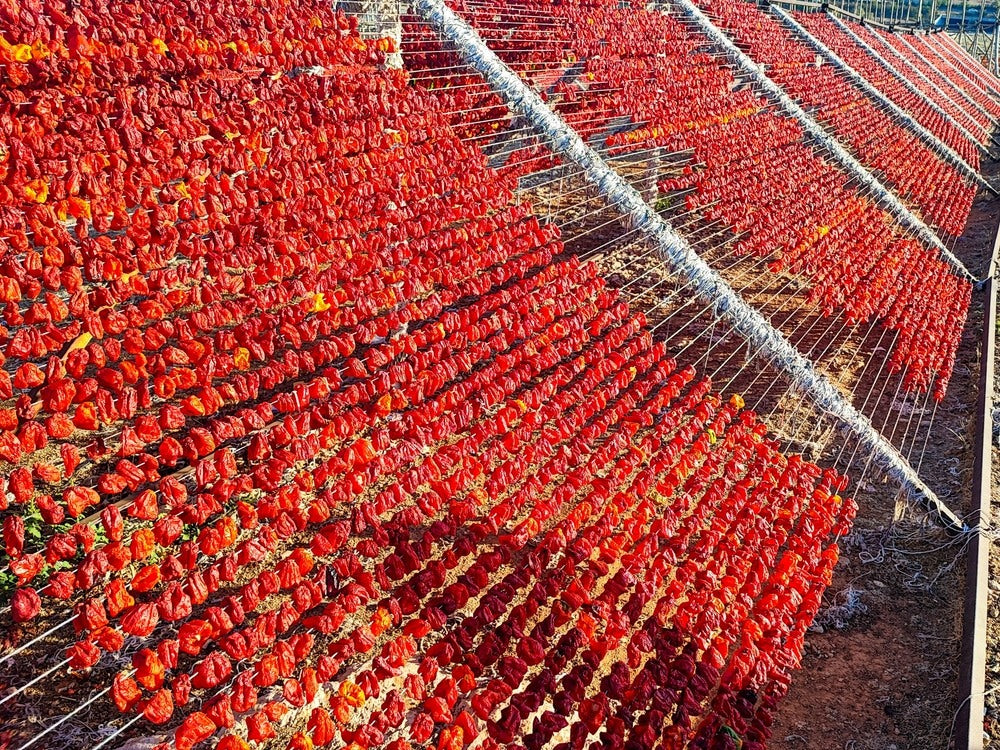
It also roasts well, chars quickly on a grill, dries into a sweet red pepper, and adds depth to sandwiches, pasta, eggs, beans, and tomato dishes. Because the walls are thinner than a bell pepper, cooking is fast and concentration is high.
Freeze roasted or sliced peppers for winter. For shelf-stable canning or oil preservation, use a tested food-safety recipe rather than improvising with low-acid vegetables.
Selecting plants when you save the seed
Save seed from several healthy plants that show the traits the name promises: long narrow fruit, ripe red sweetness, productive habit, and no unexpected heat. Remove off-types before they flower when purity matters.
Peppers can cross by insect activity. Use isolation, cages, or blossom bags according to the standard you need. Allow selected fruit to reach full red maturity, remove and dry seed thoroughly in shade, then label the year, plant count, and isolation method.
Do not select only the strangest fruit for social media. A variety is a population held around a useful identity. Keep the center strong before chasing the edge.
Jimmy Nardello compared with other sweet peppers
| Pepper | Fruit and flavor | Best use |
|---|---|---|
| Jimmy Nardello | Long, wrinkled, red, exceptionally sweet | Fast frying, roasting, drying |
| Marconi Red | Longer, broader Italian sweet pepper | Roasting, frying, stuffing |
| Cubanelle | Pale green to red, mild, thin-walled | Sofrito, frying, sandwiches |
| California Wonder | Blocky, thick-walled bell | Stuffing, fresh slices, freezing |
Flowers, weather, and the weeks when the plant appears to hesitate
Jimmy Nardello is productive, but a pepper plant still answers to temperature. Cool nights can stall growth after transplanting, while extreme heat can interrupt flower set even on a vigorous plant. The right response is rarely panic. Keep roots evenly moist, avoid pushing soft growth with excess nitrogen, and watch whether new flowers begin setting when nights moderate.
A plant covered in leaves but carrying few flowers is often overfed, shaded, or simply too young. A plant flowering heavily without fruit may be dealing with heat, root stress, or uneven water. Read the whole pattern: new growth, leaf color, root-zone moisture, recent weather, and the load of fruit already hanging on the plant.
Thin-walled fruit can sunscald if a plant is stripped aggressively. Remove damaged or diseased foliage when needed, but do not prune a pepper into a skeleton in the name of airflow. The goal is a canopy open enough to dry and dense enough to protect the fruit.
When the crop pauses, hold your nerve. Good pepper growing is not constant intervention. Sometimes the most disciplined decision is to keep the water steady, keep the weeds down, and let the weather finish its argument.
Mid-Atlantic and Upper South field notes
In eastern North Carolina, the variety has enough summer to ripen heavily, but humidity makes airflow and timely harvest important. Stake before tropical storms. Water the soil rather than the leaves, and keep ripe fruit from sitting wet inside a dense canopy.
Farther north or at elevation, start early enough to color fruit before frost. In very hot inland gardens, afternoon stress may interrupt flowers, but the plant can resume when conditions moderate. Keep picking; a loaded plant slows itself.
Selecting and recording a true Jimmy Nardello crop
When we evaluate a named frying pepper, we do not select one handsome fruit and call the work finished. We look across the planting. The plants should be productive and reasonably uniform in habit. The fruit should remain long, narrow, thin-walled, and sweet, with the familiar wrinkled form and a clean red finish. A plant that is dramatically shorter, hotter, blockier, or later than the rest may be useful for another breeding project, but it should not quietly enter a seed lot carrying the Jimmy Nardello name.
Record the first ripe fruit, the main harvest window, plant height, fruit length, wall thickness, heat, disease symptoms, and the way the fruit cooks. The frying pan is part of the evaluation. A pepper can look correct and still lose the silky texture and concentrated sweetness that made the variety worth preserving. We keep the name honest by testing the trait that put the name into kitchens.
For seed saving, choose several healthy plants rather than one unusually photogenic specimen. Remove obvious off-types before they shed pollen when practical. Peppers are primarily self-pollinating, but bees can carry pollen between compatible varieties. Isolation, blossom bags, or screened cages should match the level of purity expected. Let selected fruit reach full botanical maturity, then extract, clean, and dry the seed thoroughly before storage.
Why a thin frying pepper earns serious garden space
Gardeners often judge yield by pounds alone. That misses the reason a frying pepper works. Jimmy Nardello turns quickly in a skillet, gives very little waste, and reaches full flavor without the long cooking needed to soften a thick bell. The fruit can be harvested repeatedly, sold in distinctive bunches, frozen after roasting, or dried for a sweet red pepper flavor that carries into winter.
In a seed company, a variety has to survive more than a photograph. It has to germinate, grow, remain recognizable, answer a kitchen need, and give the next gardener a reason to save it again. Jimmy Nardello has done that work for generations. The responsible way to market it is to keep the family record precise and the crop true enough that the flavor still closes the argument.
The finest inheritance is not the story we repeat. It is the taste that proves somebody kept the seed alive.
Run the harvest as a flavor trial, not a beauty contest
Pick a few fruit at the green stage, then compare them with fully red fruit from the same plants. Record sweetness, skin tenderness, wall thickness, aroma, and cooking time. Jimmy Nardello earns its reputation at full red maturity, but the comparison teaches the gardener what ripeness changes. It also reveals plants that color poorly, stay unexpectedly hot, or produce fruit that looks right but cooks wrong.
Harvest ripe fruit often enough to keep the plants setting, but leave selected seed fruit undisturbed until fully mature. Mark those fruit with tape or a loose tie so nobody carries them into the kitchen. In a working garden, the line between supper and next year's seed should never depend on memory alone.
For preservation, blister or fry ripe fruit, cool it quickly, and freeze in portions. Whole dried fruit should be fully dry before storage; thin walls help, but humid weather can still trap moisture around the stem and seed cavity. Inspect stored fruit rather than assuming a crisp surface means the interior is safe.
The market value of this pepper comes from recognition and use. Display it beside a clear cooking note. Customers do not need a theatrical legend. They need to know that a long red pepper can be sweet, that it belongs in a skillet, and that its family record has been preserved with care.
Frequently asked questions
Is Jimmy Nardello pepper hot?
It is considered a sweet pepper and should not carry meaningful heat. Because peppers can cross, taste cautiously if seed purity is uncertain.
Can I eat Jimmy Nardello peppers green?
Yes. Green fruit is usable and more vegetal, but the celebrated sweetness develops at full red.
Why are the peppers wrinkled?
The long, thin fruit is naturally wrinkled. Wrinkling alone is not spoilage; look for soft watery tissue, mold, or collapse.
Does Jimmy Nardello need a stake?
A light stake or cage is useful because plants can carry many long fruits and may lodge in storms.
How long does it take to ripen?
Maturity depends on transplant timing, heat, and crop load. Expect a midseason green harvest followed by red fruit as the season advances.
Can it grow in a container?
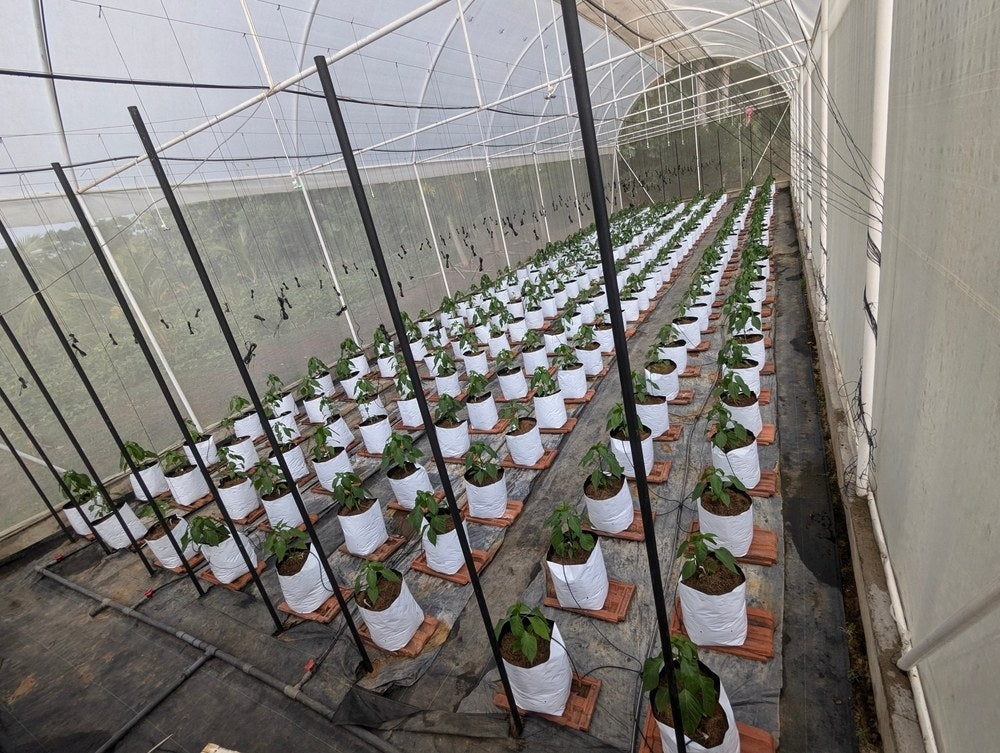
Yes, in a substantial container with full sun, excellent drainage, steady water, and support.
Will saved seed grow true?
Usually, when saved from true-to-type plants with adequate isolation or blossom protection. Crossing affects the next generation.
For more information and guidance
Explore the cited resources below for additional technical detail and background.