
Lemongrass propagation guide
Culinary lemongrass, Cymbopogon citratus, is a heat-loving clumping grass grown for its fragrant basal stems and leaves. It can be started from seed, multiplied by division, or rooted from grocery-store stalks when the basal plate is still intact.
The three methods are not equal. Seed creates many plants but takes time and may produce variation. Division is fast and preserves a known clone. Grocery stalks are useful only when they include living basal tissue rather than a trimmed hollow stem.
In most of North Carolina, Virginia, and the broader Mid-Atlantic, lemongrass grows vigorously in summer but needs protection from freezing. Containers make that winter decision easier.
Lemongrass looks tough because the leaves can cut a bare hand. The growing point is less forgiving. Give it warmth, water, and an intact base, and it will build a clump with authority.
Choose the propagation method that fits the goal
| Method | Strength | Limitation |
|---|---|---|
| Seed | Many plants and easy shipping or storage | Slow beginning and some variation |
| Division | Fast, reliable, true to the parent clump | Requires access to a healthy plant |
| Grocery stalk | Inexpensive and immediate when the base is intact | Stalks may be trimmed, old, treated, or mislabeled |
Use culinary lemongrass rather than citronella grass. Common names are loose, and several aromatic grasses are sold under similar language.
Start seed warm, shallow, and evenly moist
- Use a clean seed-starting mix in cells or a shallow tray.
- Sow on the surface or cover very lightly.
- Maintain warm conditions and steady moisture without saturation.
- Provide bright light immediately after emergence.
- Thin or transplant clumps before roots become tightly matted.
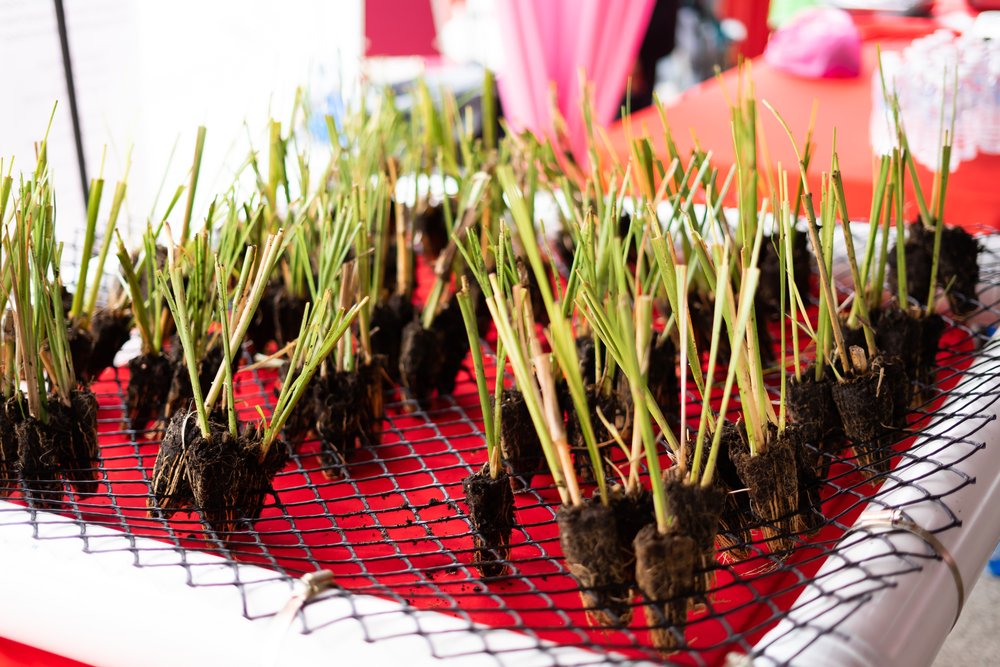
Seedlings begin as fine grass blades and can be overwhelmed by algae, fungus gnats, or heavy watering. Air movement and a mix that drains are more useful than keeping the tray constantly wet.
Lemongrass seedlings look slight. Growth accelerates after warmth, root room, and longer days arrive.
Root grocery stalks only when the base is alive
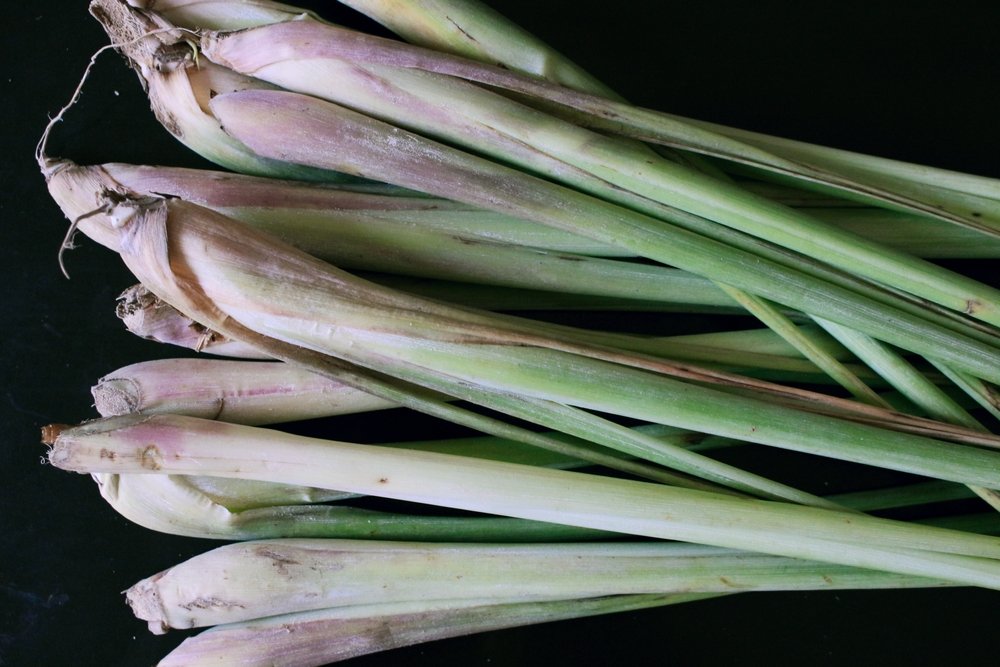
Select firm stalks with a pale, solid basal section and an intact plate where roots can form. Avoid stalks cut high above the base, hollow at the bottom, slimy, or badly dried.
Stand the bases in a shallow amount of clean water and change it regularly. Once roots develop, plant into a well-drained mix and keep the transition evenly moist. Water rooting is a bridge, not a permanent home.
A stalk without a growing base may stay green for days and never produce roots. That is not failed technique. It is missing plant anatomy.
Grow the clump hard through summer
Plant in full sun after nights are reliably warm. Lemongrass responds to heat, moisture, and moderate fertility. Give in-ground plants enough room to widen and container plants enough volume that they do not dry within hours.
Water deeply, then allow excess water to drain. Pale leaves and weak growth can follow hunger or restricted roots, but waterlogged mix can produce the same tired appearance. Inspect before feeding.
Sharp leaf edges are normal. Place containers where people do not brush through them repeatedly.
Harvest without destroying the next flush
For tender basal stalks, remove outer stems near the base while leaving the center growing. For leaves, cut clean sections for tea, broth, and fragrance without stripping the whole clump.
Harvest before cold damage turns foliage brown and soft. Mature fibrous leaves remain useful for infusions and cooking even when they are not pleasant to chew.
Divide a crowded clump by cutting it into sections that each hold roots and several healthy shoots. Replant promptly and shade briefly while roots recover.
Overwinter according to the value of the plant
| Method | Best for | What to expect |
|---|---|---|
| Bring the whole pot indoors | Small valuable clumps | Slower growth and possible leaf-tip browning |
| Take divisions into smaller pots | Large crowded clumps | Easier storage and fresh planting stock |
| Store cool and bright | Limited indoor space | Reduced growth; avoid freezing and saturation |
| Treat as annual and restart | Plentiful seed or inexpensive stock | Simple, but later spring harvest |
Indoors, provide the brightest practical light and reduce watering to match slower growth. Inspect for mites and remove dead material before it becomes shelter.
Troubleshoot by checking the base and roots first
| Symptom | Likely cause | Response |
|---|---|---|
| Stalk will not root | Basal plate removed or stalk too old | Choose a fresher intact stalk |
| Seedlings collapse | Excess moisture, low airflow, weak light | Improve drainage, light, and spacing |
| Leaves pale in summer | Restricted roots, low fertility, or excess water | Inspect roots and adjust one factor at a time |
| Brown tips indoors | Dry air, salt buildup, or irregular water | Flush the pot and stabilize care |
| Clump rots in winter | Cold saturated soil | Move to warmth and improve drainage |
Use regional heat to your advantage
Coastal and Piedmont summers can produce enormous clumps from a small spring start. Mountain gardens may need a longer indoor beginning and an earlier move to winter protection.
Plant after the soil has warmed rather than when the calendar merely says spring. Lemongrass has no interest in proving its toughness in cold soil.
Questions gardeners ask
Can any grocery-store lemongrass be rooted?
No. It must have a firm intact basal plate. Trimmed or hollow stalks cannot rebuild roots.
How long does lemongrass take from seed?
Emergence and early growth are slower than division. Warmth, light, and root room determine how quickly seedlings become useful clumps.
Is lemongrass perennial?
It is perennial in frost-free or very warm climates. In most Mid-Atlantic gardens it must be protected or treated as an annual.
Can lemongrass grow in a pot?
Yes. Use a large, well-drained container and expect frequent watering during hot weather.
What is the difference between lemongrass and citronella grass?
They are different grasses. Culinary lemongrass is Cymbopogon citratus; plants sold as citronella may belong to other species or hybrids.


