Shade is not one condition. It is a moving bargain with the sun.
People often tell me they cannot grow food because their garden is shaded. Usually that is not the whole truth. The real question is when the shade arrives, how dense it is, and what the crop is being asked to produce.
A leafy crop can make good use of four or five hours of direct light where a watermelon would spend the season surviving instead of ripening. Morning sun behaves differently from late-afternoon heat. Bright reflected light beneath an open tree canopy is not the same as the deep shade behind a building.
I do not divide gardens into “sun” and “shade.” I map the hours. I watch the season. I look at what the plant must build: leaves, roots, flowers, or fruit. Then I choose the crop that can make a living from the light available.
This guide will help you read partial shade accurately and use it as a design condition instead of treating it as a failure.
A site that receives six hours of sun in April may receive three in June after trees leaf out. A garden plan based on one afternoon can be wrong for the rest of the season. Watch the light more than once.
Name the kind of shade you actually have
The harvested plant part is a useful starting point.
| Harvest goal | Better candidates | More demanding candidates |
|---|---|---|
| Leaves | Lettuce, spinach, arugula, kale, collards, mustard greens, chard | Large dense heads or high-yield warm-season greens |
| Stems and herbs | Scallions, chives, parsley, cilantro in cool weather, mint in containers | Sun-loving Mediterranean herbs in wet shade |
| Small roots | Radishes, baby beets, short carrots in loose soil | Large storage roots in deep tree-root competition |
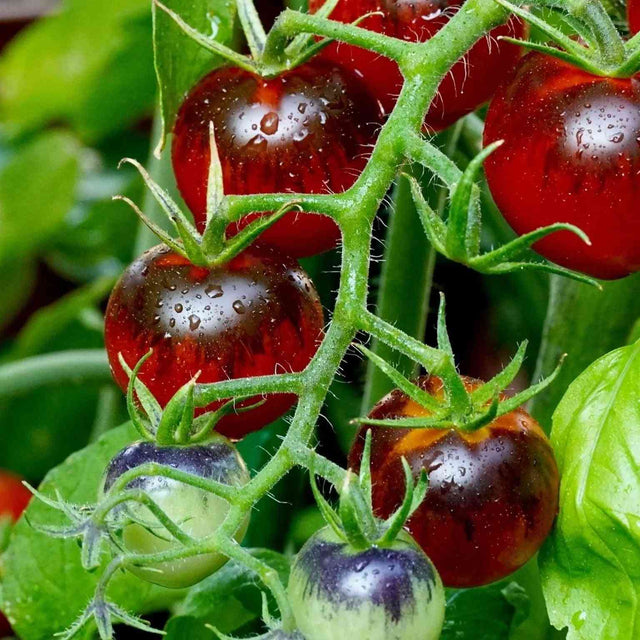
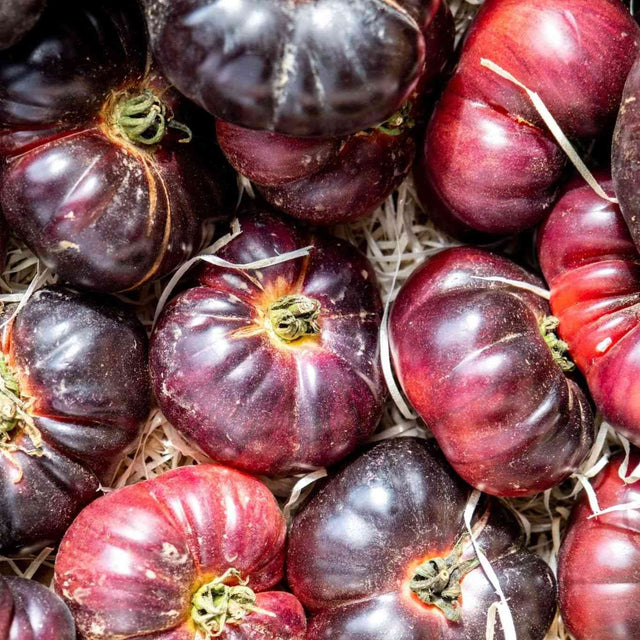
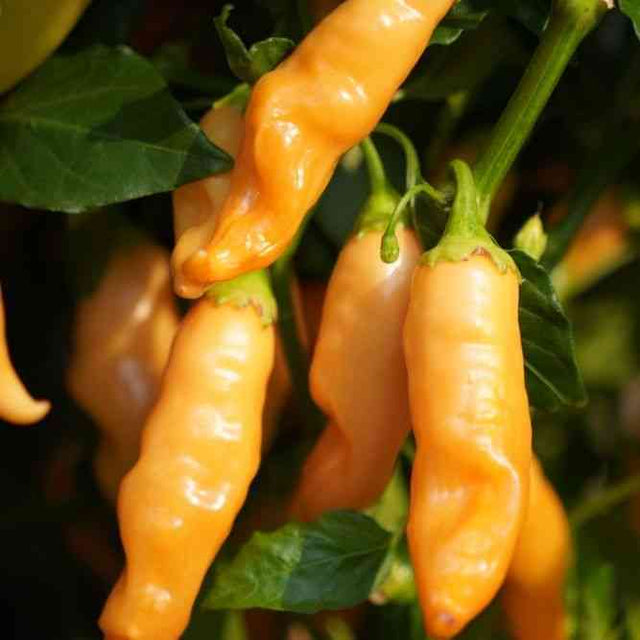
| Fruit | A small experiment with peas or compact beans in the brightest site | Tomatoes, peppers, eggplant, melons, okra, corn |
| Flowers and pollinator support | Shade-tolerant flowers chosen for the site | Full-sun annuals expected to bloom heavily |
A crop harvested before flowering usually needs less light than a crop expected to build sugars, flowers, and mature fruit.
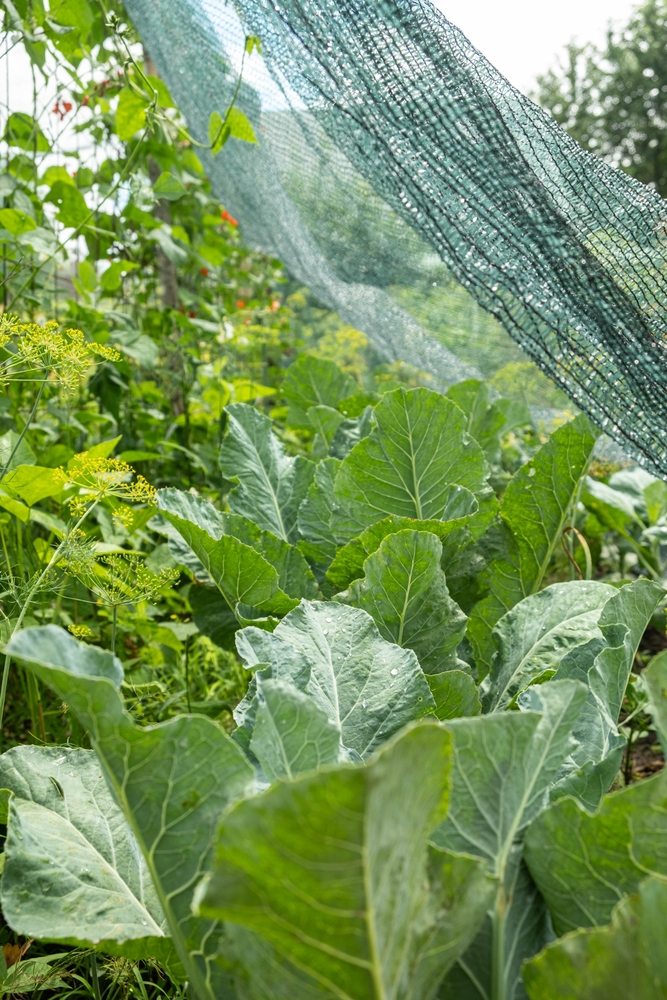
Follow the light through the day and season
Measure light during the season when the garden will be planted.
- Record the beginning and end of direct sun on a clear day.
- Repeat when trees have fully leafed out.
- Separate direct sun from bright ambient light.
- Notice whether shade comes from a building or living tree roots.
- Check morning versus hot afternoon exposure.
- Map the brightest strip and reserve it for the most light-demanding crop.
Partial shade can become valuable in hot climates, where afternoon protection extends lettuce, cilantro, and other cool-season crops. The strongest garden is not the one with the most sun. It is the one that understands every corner well enough to give each crop the conditions it can use.
In the Coastal Plain and Piedmont, afternoon shade may protect lettuce, parsley, and other cool-season crops from the hardest heat. Morning shade with a hot western exposure is a different site. Record when the sun arrives, not just the total number of hours.
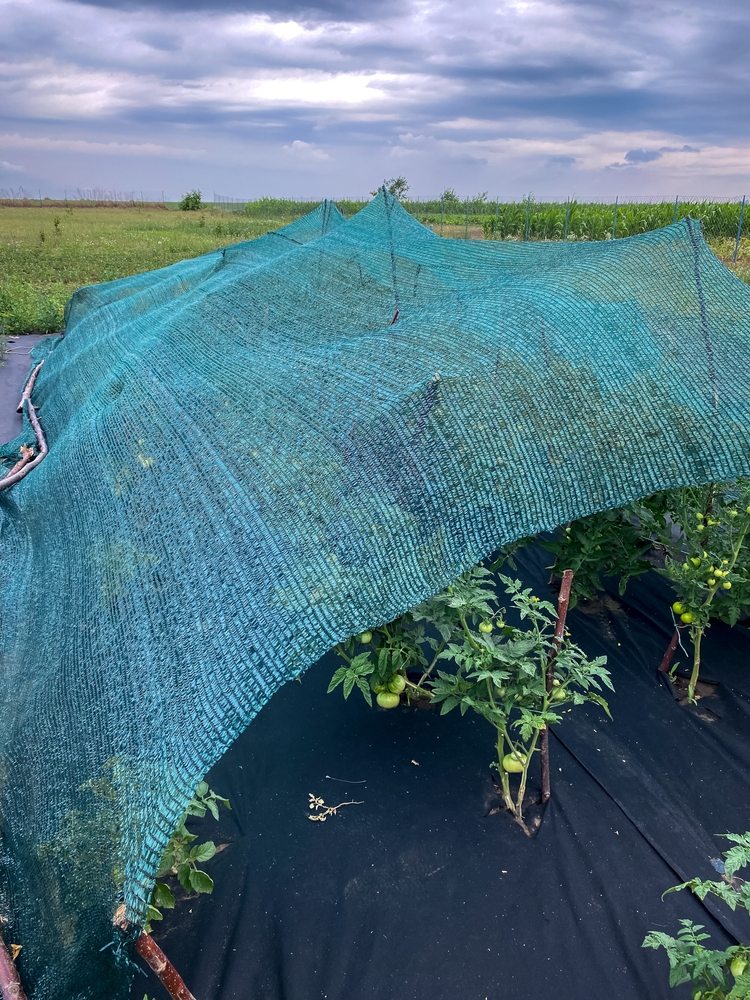
A step-by-step setup that can be maintained
A shade garden benefits from deliberate crop placement and modest succession.
- Put leafy greens in the most even light rather than the deepest shade.
- Use containers where they can be moved seasonally.
- Thin plants on time so leaves do not compete for limited light.
- Water by soil moisture; shade reduces evaporation but tree roots may still dry the bed.
- Increase spacing where humidity and slow drying raise disease risk.
- Harvest leaves young and replant small sections rather than waiting for oversized plants.
- Track which weeks receive enough light before nearby trees or buildings change the pattern.
Shade can be an advantage during hot weather, especially for lettuce, cilantro, and spinach, but the same site may be too dim in spring or fall.
Match the plan to the crop
Use the table as a trial hierarchy, not a guarantee.
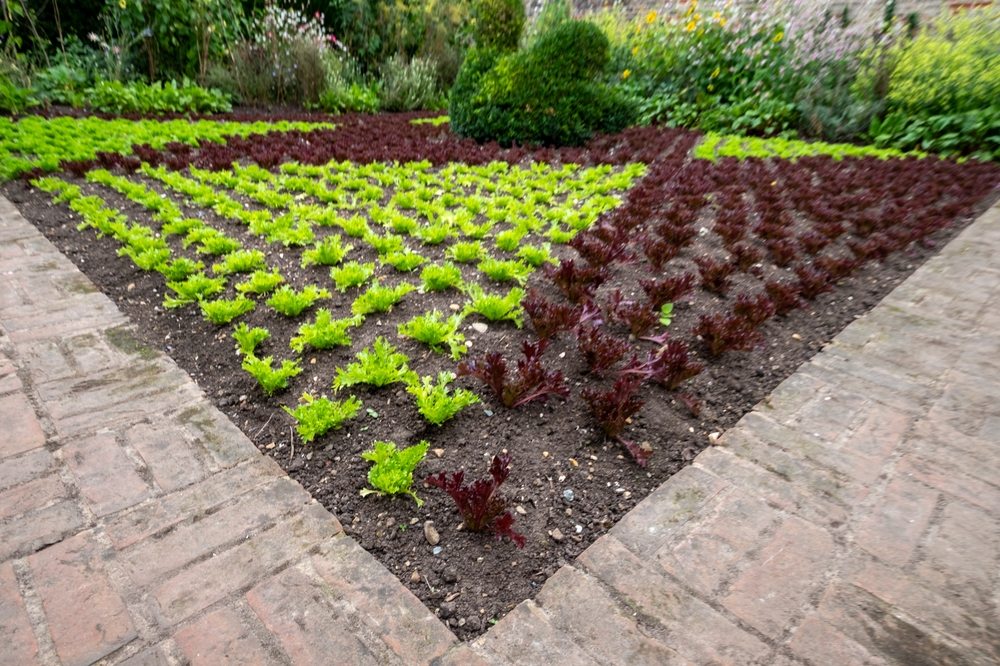
| Confidence level | Crops to try | Planning notes |
|---|---|---|
| Strong candidates | Leaf lettuce, arugula, spinach, mustard greens, scallions, chives | Harvest young; protect airflow |
| Often workable | Kale, collards, parsley, cilantro, radish, baby beets, chard | Expect slower growth and smaller harvests |
| Experiment in brightest area | Peas, bush beans, short carrots, some broccoli greens | Results depend strongly on hours and season |
| Usually poor fit | Corn, watermelon, cantaloupe, okra, large tomatoes, peppers | These crops need strong light to flower and mature well |
A few hours of shade in a hot Southern afternoon can help. Four hours of weak winter light is a different problem.
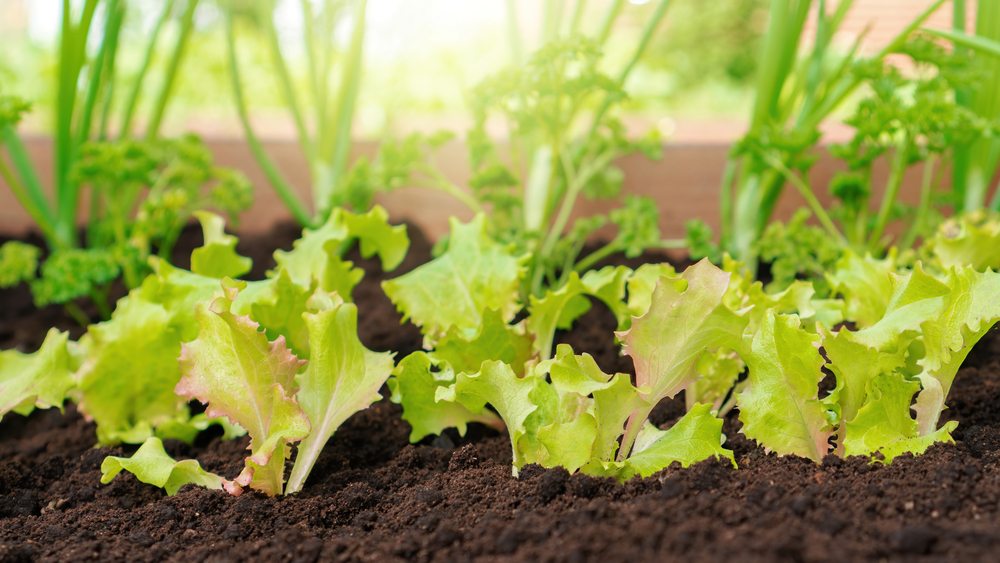
When light is limited, ask less of the plant. Leaves and tender stems are usually easier than large fruit. Quick roots may succeed where storage crops struggle. The choice is not between a perfect harvest and none. It is between matching the crop to the site and forcing the site to apologize all season.
Common mistakes and why they happen
Partial-shade gardening is most successful when expectations are adjusted before planting.
| Mistake | Why it causes trouble | Better approach |
|---|---|---|
| Calling bright shade “four hours of sun” | Indirect light is not direct sun | Measure actual sun |
| Overwatering | The surface stays wet longer in low light | Check below the surface before watering |
| Planting fruiting crops anyway | Plants survive but set little fruit | Use the brightest site or choose leaf crops |
| Ignoring tree roots | Roots compete for moisture and nutrients | Use containers or root-aware bed placement |
| Crowding greens | Slow drying and weak airflow increase disease | Thin and harvest promptly |
Keep records that make the next season easier
A light map makes the garden more valuable than a generic shade list.
- Direct-sun hours by month
- Tree leaf-out date
- Crop and variety
- Sowing and harvest dates
- Leaf size and bitterness
- Watering frequency
- Disease pressure
- Container moves
- Best-performing site
After one season, you will know whether your site is a lettuce garden, a kale garden, a movable-container garden, or a place better used for another purpose.
Draw the shadow before you buy the seed
“Four hours of sun” can mean four gentle morning hours, four intense afternoon hours, or scattered light that never reaches the leaves directly. Those conditions do not produce the same garden. I map the bed at several times on a clear day before deciding what belongs there.
- Record when direct sun first reaches the bed and when it leaves.
- Note whether tree leaves create seasonal shade that is absent in early spring.
- Watch for reflected heat from walls or pavement even when measured sun hours are low.
- Choose leaf and stem crops before fruiting crops when light is limited.
- Use containers as movable test plots for crops that are borderline.
- Compare yield and quality, not just survival; a plant can live in shade without producing a useful harvest.
Spring greens, herbs, scallions, and some roots may use partial shade well, especially when shade protects them from late-day heat. Tomatoes, peppers, melons, corn, and large squash generally need a stronger light budget to justify their space.
I treat the shadiest bed as a specialty site rather than a failed sunny bed. Once I stop asking it to grow the wrong crops, it often becomes the place where summer lettuce, cilantro, and tender herbs last longest.
A practical partial-shade trial I would run
I would not redesign the whole garden from one afternoon of observation. I would mark three or four possible planting areas, then record direct sun at midmorning, noon, midafternoon, and early evening on several clear days. I would repeat the check after deciduous trees have fully leafed out. That gives a real light map instead of a guess.
In the brightest partial-shade area, I would test a fast leafy crop and one compact root crop. In the cooler edge, I would use cilantro, parsley, or another crop that benefits from protection from late heat. I would keep fruiting crops in the strongest light and resist using valuable bed space to prove that a sun-hungry plant can merely survive.
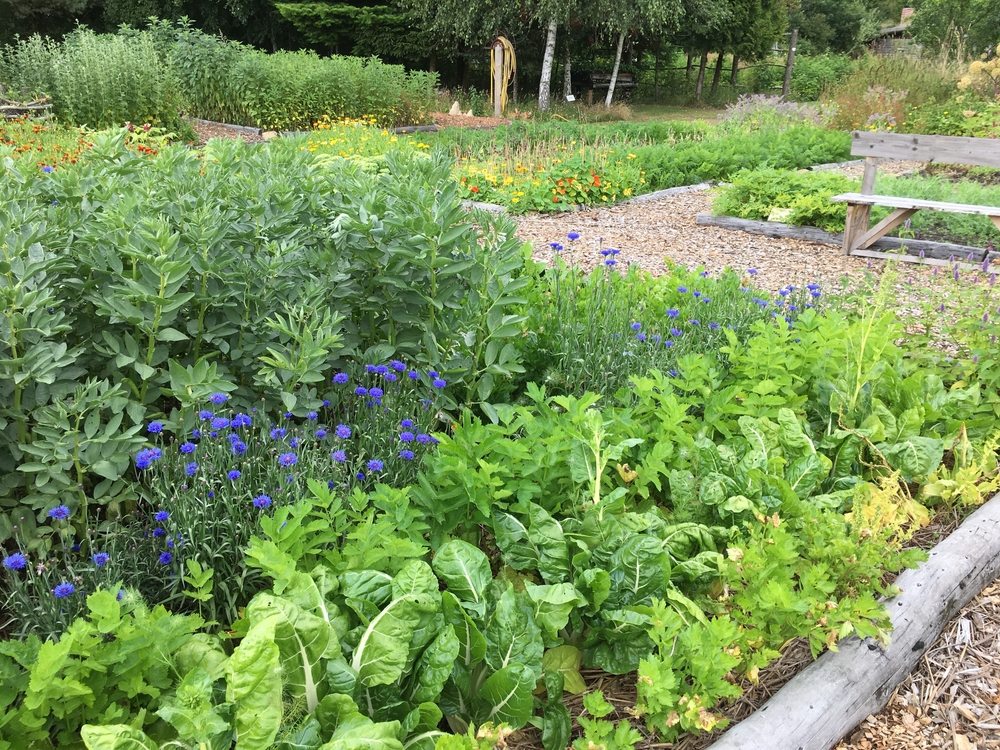
At harvest, I would compare leaf size, flavor, pest pressure, moisture use, and days to usable food. Shade becomes an asset when it is measured and assigned a job.
Questions gardeners ask
How many hours of sun is partial shade?
The phrase often refers to roughly three to six hours of direct sun, but intensity, time of day, and season matter. Measure your site.
Can tomatoes grow in partial shade?
They may survive and produce some fruit in a bright site, but yield, ripening, and disease performance are usually better with full sun.
Which vegetables need the least sun?
Leafy greens, scallions, chives, parsley, radishes, and baby-root harvests are better starting points than fruiting crops.
Does shade mean I should water less?
Often, but not always. Tree roots, containers, wind, and soil type can still dry the root zone quickly.
Can afternoon shade help in hot climates?
Yes. Protection from extreme afternoon heat can extend the quality of cool-season greens, provided the crop still receives useful light.
Should I fertilize more to compensate for shade?
No. Fertilizer cannot replace light and can create weak growth. Use soil testing and normal crop guidance.
I would rather help someone grow an excellent salad garden than sell them a full-sun crop that spends the season apologizing for the site.