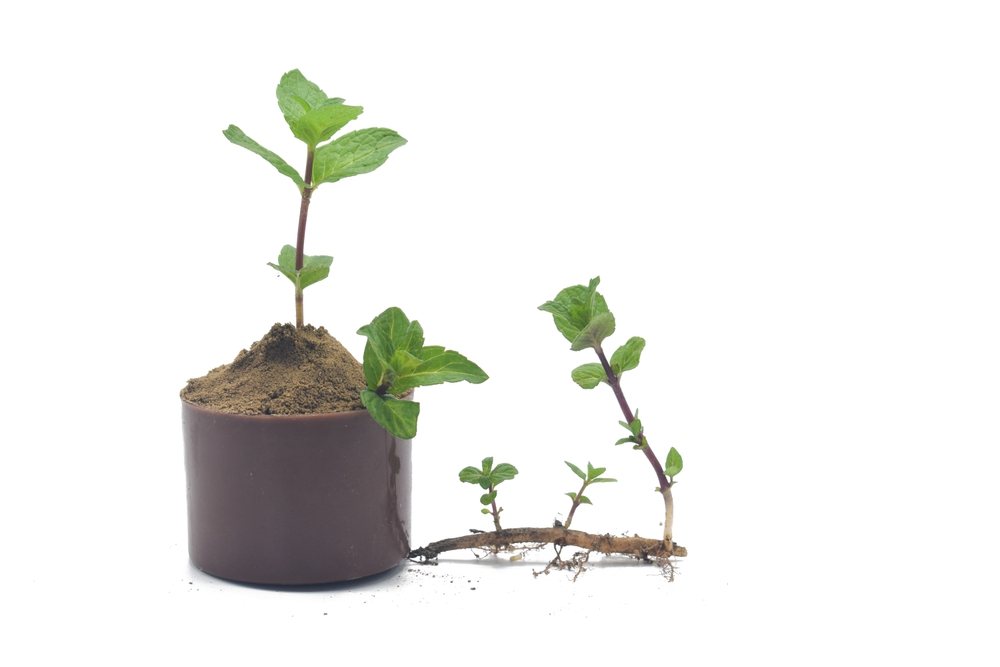
The word perennial hides more than it reveals. Mint returns because underground stems refuse to surrender. Thyme returns when drainage protects its crown. Rosemary may return in one winter and die in the next. Chives come back as a clump that quietly doubles while nobody is looking.
A perennial herb bed succeeds when each plant is given the kind of permanence it actually has.
Before planting, ask three questions: Will it survive winter? Will it survive summer? If it survives both, will it stay where I put it?
What perennial herbs actually means
Perennial herbs live for several seasons or regrow from persistent crowns and roots. Hardiness varies by species, cultivar, drainage, and microclimate.
Some herbs are woody shrubs, some are spreading rhizomes, and some are clumping bulbs or crowns.
- Mint and oregano can spread.
- Sage and rosemary become woody.
- Chives and thyme form persistent clumps.
Separate the terms that are often confused
Separate botanical perennial from local garden performance. Rosemary is perennial in mild climates but can be winter-killed. Cilantro is not perennial even when it reseeds.
A self-sown annual may return every year without the individual plant living more than one season.
| Term | Practical meaning | What it does not guarantee |
|---|---|---|
| Hardy clump | Chives, some thyme | That it never needs division |
| Spreading rhizome | Mint, some oregano | That it remains contained |
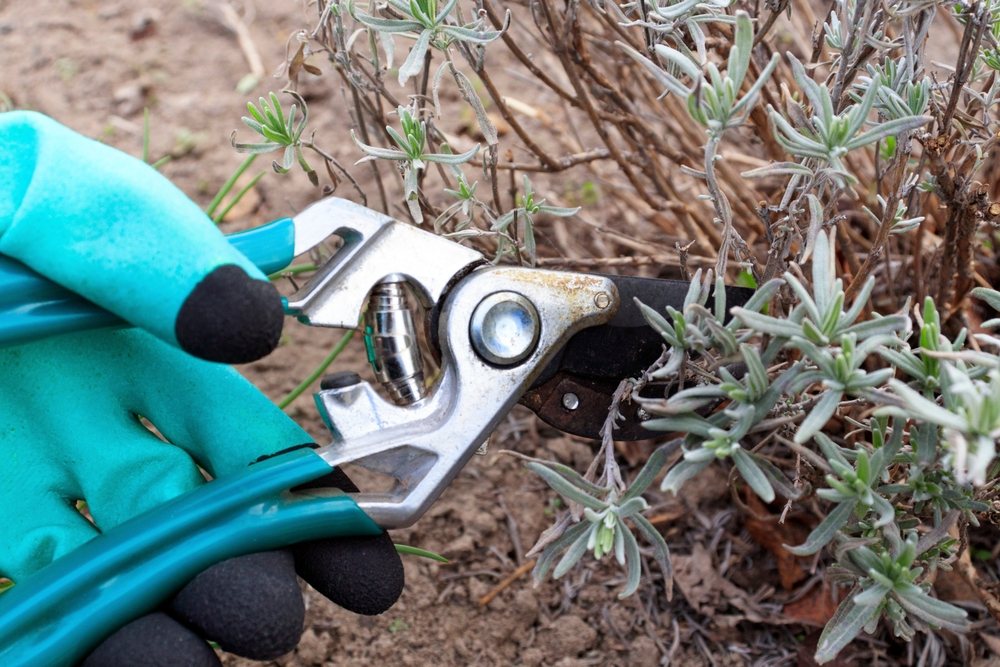
| Woody herb | Sage, rosemary, lavender | That old bare wood regrows after hard pruning |
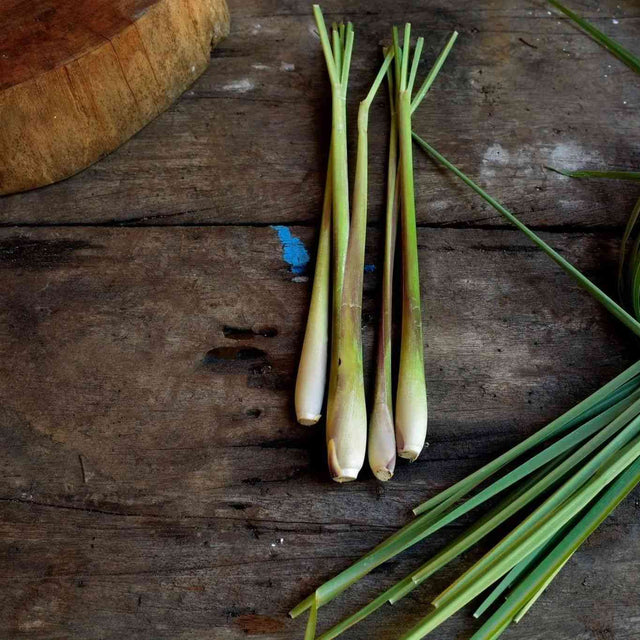
| Tender perennial | Some lemongrass, rosemary, tender sages | That outdoor winter survival is reliable |
Put the information to work
Map drainage and sun before planting.
- Contain aggressive spreaders.
- Separate dry Mediterranean herbs from moisture-loving herbs.
- Prune woody plants lightly and regularly.
- Take cuttings before winter from tender favorites.
Avoid the shortcuts that create bad decisions
Mixing all herbs in one irrigation zone is a common failure. Mint tolerates more moisture than lavender; rosemary resents winter saturation.
Another failure is cutting woody herbs to bare stems and expecting new shoots.
- Do not bury crowns in mulch.
- Do not let mint escape through drainage holes.
- Do not fertilize woody herbs into soft winter growth.
Account for place, season, and crop
Coastal gardens may overwinter rosemary but struggle with wet soil and summer disease. Mountain gardens may need winter protection or container culture for tender herbs.
Good drainage expands the list of herbs that survive more reliably across the Mid-Atlantic.
Keep the claim tied to evidence
Record winter low, dieback, resprouting date, spread, flowering, and pruning response.
Replace plants that repeatedly fail rather than treating the bed as a rescue ward.
A perennial herb earns permanence by returning useful, not merely alive.
Put this guide to work in a real garden
Put Perennial Herbs for Home Gardens: What Returns, Spreads, and Needs Winter Care into a one-season plan before buying more inputs. Choose the variety or material, mark the bed or container, write the sowing or planting date, and decide what success will look like: first harvest, stem length, fruit set, bloom, survival, or control of spread.
Inspect on a schedule. Early problems are usually easier to correct because the crop has more season left and the cause has not been buried under secondary damage. Water, fertility, airflow, support, and harvest timing should be adjusted from the plant’s response rather than from a rigid weekly ritual.
At the end of the crop, keep the record honest. Note what performed, what merely survived, what required too much labor, and what deserves a larger planting next year. Experience becomes expertise only when it is remembered accurately.
- Choose the variety and define the intended use.
- Prepare soil, container, support, or irrigation before planting.
- Set a weekly inspection date.
- Harvest or prune at the stage described in the guide.
- Write a short end-of-season verdict.
Use a 30-day checkpoint instead of guesswork
Before planting
Choose the variety, site, support, soil preparation, and irrigation method while the bed is still easy to change.
First two weeks
Protect establishment. Watch moisture, light, wind, transplant shock, and early pest pressure.
At rapid growth
Adjust spacing, support, pruning, and fertility before the plant becomes difficult to handle.
At first harvest or bloom
Record quality, timing, labor, and the plant’s response. Use that evidence to guide the rest of the season.
A guide provides a sound starting system, not a guarantee. Cultivar, weather, soil history, and management interact, and the correct response may change as the plant moves from establishment to harvest.
Keep a one-season record
The record does not need to be elaborate. A notebook page, spreadsheet row, or labeled photograph is enough when it captures the variables that matter.
- Variety and source
- Planting date and location
- Water, fertility, and major weather events
- First harvest or bloom and total season length
- Problems, corrections, and next-year decision
Write enough that another grower—or you, one year later—could understand what was planted, what happened, and why the next decision changed.
Questions gardeners ask
Which perennial herb spreads the most?
Mint is among the most aggressive because underground stems escape beds and pots.
Is rosemary perennial in the Mid-Atlantic?
Sometimes, depending on cultivar, winter low, wind, and drainage. Container backup plants are wise.
Should perennial herbs be cut back in fall?
Not all. Some benefit from spring cleanup, and woody herbs can be damaged by hard fall pruning.
Can perennial herbs grow together?
Group plants with similar moisture, sun, and drainage needs rather than treating all herbs alike.
Do perennial herbs need fertilizer?
Usually modestly. Heavy nitrogen can reduce flavor, encourage weak growth, and harm winter survival.
A perennial herb bed is a map of habits. Put the wanderers in bounds, the dry-land plants on high ground, and the tender ones where winter cannot surprise you twice.