Welcome to our store. Learn more

Free U.S. seed shipping $25+. Seeds ship free at the threshold.

Current Processing Times Before Shipping Are 1-2 Business Days

25% OFF Heirloom seed packets are $1.50, regularly $2.00. Seed packets only · sale price already applied · carries into checkout · coupon codes do not combine. Shop the sale →

Catnip

Scientific name Nepeta cataria L.

About this variety

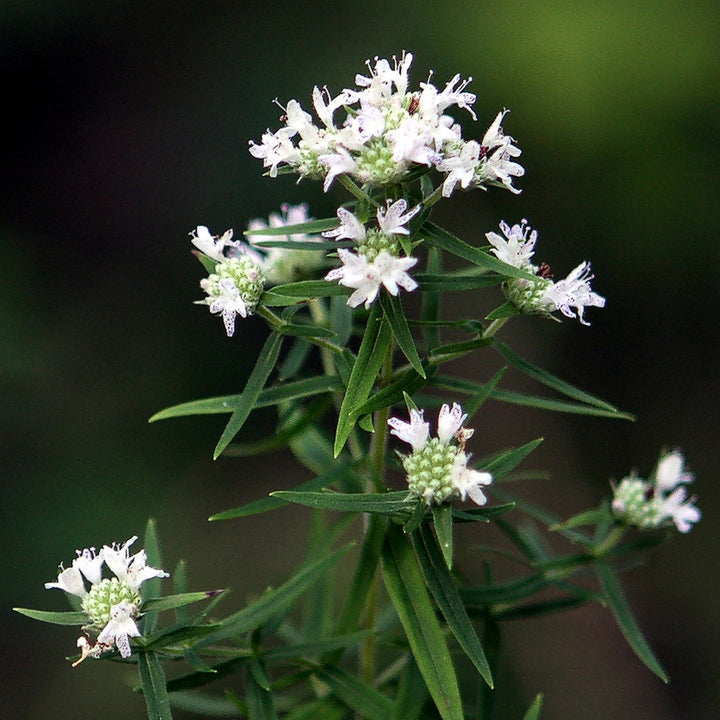
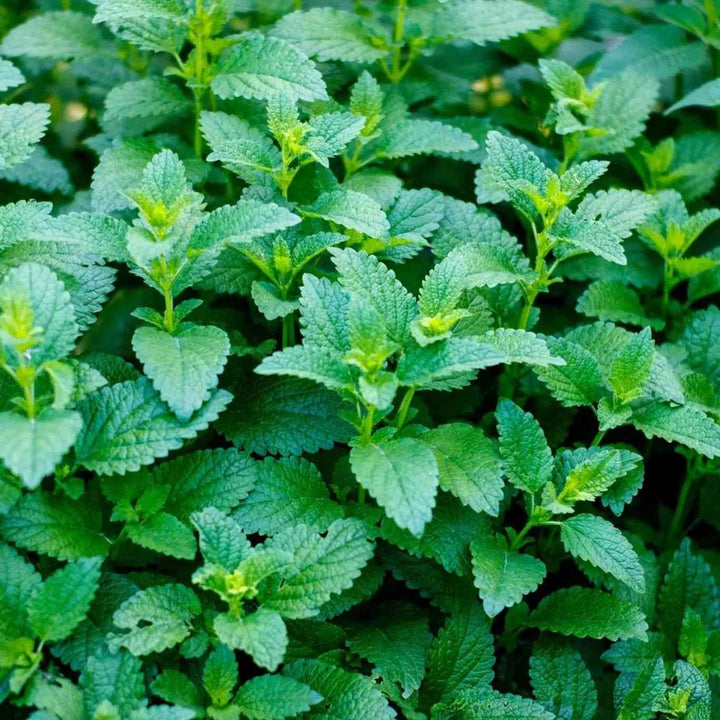
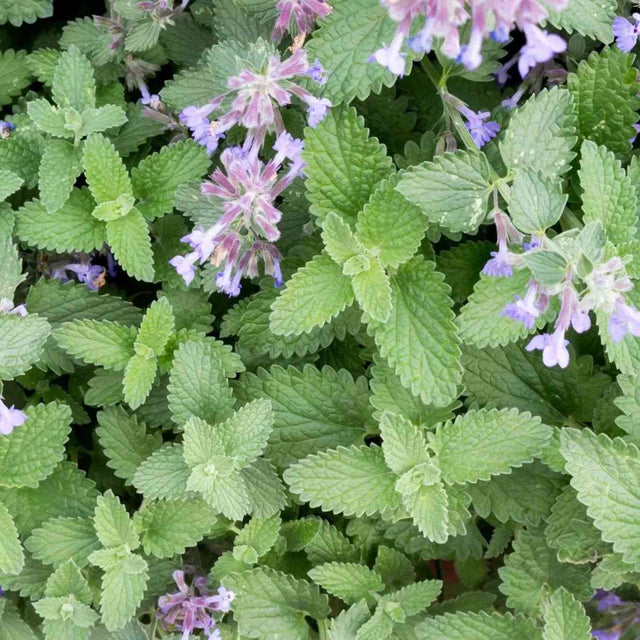
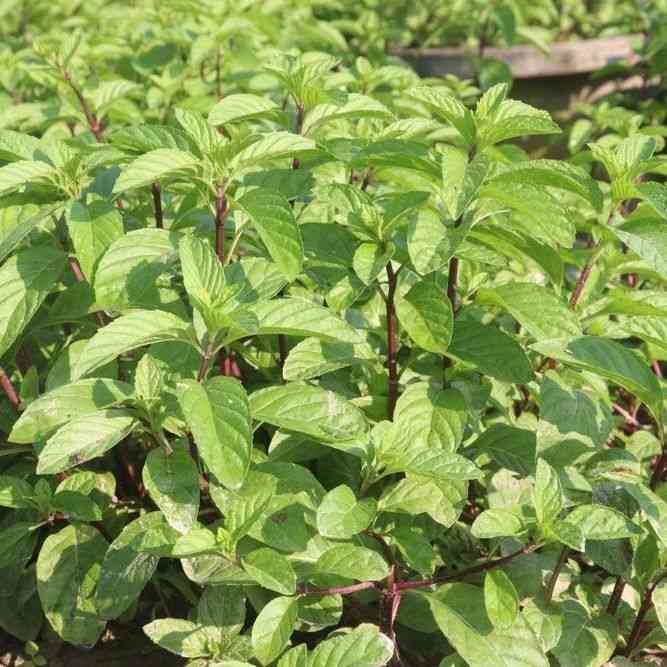
The calming herb that cats and gardeners adore. Catnip produces soft, gray-green leaves rich in aromatic oils that release a soothing, minty scent. Perennial and drought-tolerant once established, it thrives in full sun and well-drained soil.About CatnipCatnip is a perennial selection of catnip, with an upright/erect habit and an expected height or spread of 25–30 in. It is...

Continue with the complete description
$150 USD $200
25% OFF
Heirloom seed packet sale

$1.50, regularly $2.00. The sale price is already applied and carries into checkout. No code is needed. Coupon codes do not combine with this offer.

At a glance

The facts most gardeners need first

View the full variety record
350 minimum seeds per packet
Gardener experience

Moderate

Germination difficulty

Moderate

Germination time

10-21 Days at 65–80 °F seed-zone soil temperature

  • Germination
    10-21 Daysa seed-zone soil temperature of 65–80 °F
  • Maturity
    Approximately 150-159 Days, from sowing to the first established harvest or bloom. Weather, soil temperature, and planting method can shift the actual harvest date.
  • Sun
    Full sun
  • Support and spacing
    No support needed · space 12 in · rows 24 in
  • Growth habit
    Upright or erect · Perennial · 25–30 in tall
  • Best use
    Perennial or repeat-cut herb gardens, culinary leaves, flowers, and seed saving where appropriate
Secure checkout Details
Generic
Triple-tested seed qualityRegular quality and germination checks support every packet.

We regularly test seed quality and germination as lots move through storage and packing. We stand behind the seed we send and want customers to contact us when a packet does not perform as reasonably expected.

1-year seed warrantyCoverage begins on the date of purchase.

When properly stored, planted, and cared for, we guarantee reasonable germination and true-to-type growth for one year from the date of purchase. Conditions outside our control—including extreme weather, pests, unsuitable storage, and gardener error—are excluded. Contact us when something is not right so we can review the situation and work toward a replacement, refund, or another fair resolution.

Non-GMO / BE seed policyWe do not buy or sell genetically engineered or bioengineered seed.

Every seed variety we sell is non-GMO.

USDA’s National Bioengineered Food Disclosure Standard defines bioengineered foods as containing detectable genetic material modified through in vitro recombinant DNA methods in ways not achievable through conventional breeding or found in nature.

  • Hybrid means parent lines were conventionally crossed; hybrid does not mean GMO.
  • Heirloom and open-pollinated describe how a variety is maintained and reproduced.
  • Organic certification is separate and is shown only when verified for the individual product.
Packed in Colerain, North CarolinaPrepared in our seed room for gardens across the country.

Seeds are packed and shipped from Colerain, North Carolina. Our packets use forestry-certified paper, and we use recyclable paper mailers where appropriate. AONSK is also a 1% for the Planet partner while continuing to reduce waste in packing and fulfillment.

Garden tools

Need a plan for your space?

Use the garden-fit planner and soil calculator to turn the recorded growing facts into a practical plan.

Open garden tools Uses this product’s recorded growing information. Local weather and garden conditions may vary.

Variety field guide

What to expect from Catnip

Catnip is a perennial catnip selection grown for perennial or repeat-cut herb gardens, culinary leaves, flowers, and seed saving where appropriate.

Read the complete product descriptionTraits, flavor, garden use, variety notes, and the full catalog record

The calming herb that cats and gardeners adore. Catnip produces soft, gray-green leaves rich in aromatic oils that release a soothing, minty scent. Perennial and drought-tolerant once established, it thrives in full sun and well-drained soil.

About Catnip

Catnip is a perennial selection of catnip, with an upright/erect habit and an expected height or spread of 25–30 in. It is best suited to perennial or repeat-cut herb gardens, culinary leaves, flowers, and seed saving where appropriate. Notable traits include harvest clean leaves or tender stems before decline; reserve representative plants for flowering or division.

Treat Catnip as a named seed line with its own observations, not as a generic stand-in for the entire catnip crop.

History and provenance

Members of the mint family have long histories in Mediterranean, European, Asian, and North American gardens. Their common names can obscure hybrid origin or species differences, so this page separates verified botanical identity from flavor tradition and avoids turning traditional use into a medical claim. Catnip (Nepeta cataria) Origins and Etymology Catnip (Nepeta cataria) is a hardy perennial of the mint family (Lamiaceae), native to Europe, Central Asia, and parts of the Middle East, though now naturalized across much of the world. The species name cataria - meaning “of cats” - reflects its remarkable effect on felines, whose playful euphoria upon contact has made it famous for centuries. Cultural Significance and Lore Long before it became associated with housecats, Nepeta cataria was an esteemed healing and household herb. A member of the mint family long used in traditional remedies, catnip bridges playful and peaceful worlds-bringing joy to cats and calm to people alike.

Growing facts

Scientific name Nepeta cataria L.
Life cycle Perennial
Maturity 150-159 Days
Germination 10-21 Days at 65–80 °F
Seed depth 1/8 in
Plant height / spread 25–30 in
Growth habit Upright/Erect
Spacing 12 in between plants; 24 in between rows
Sunlight Full sun
Soil Loamy; pH 6.5–7.0
Water Moderate
Support No-Support

Starting Catnip from seed

Sow 1/8 in deep and keep the seed zone evenly moist. Expect emergence in 10-21 Days when the seed-zone temperature is near 65–80 °F. Germination preparation: Use a fine, evenly moist seed-starting mix or prepared seedbed. Light requirement: Light aids germination; barely cover. Soaking: None required. Stratification: None required. Scarification: None required.

Planting and care

Plant during spring and provide full sun. Space plants 12 in apart with 24 in between rows. Use loamy with a pH near 6.5–7.0, and follow a moderate watering plan. Support requirement: No-Support. Frost response: Hardy. Large permanent container possible, but in-ground culture usually supports longer life

Harvest and use

Approximately 150-159 Days, from sowing to the first established harvest or bloom. Weather, soil temperature, and planting method can shift the actual harvest date. Harvest: Harvest clean leaves or tender stems before decline; reserve representative plants for flowering or division. Uses: Perennial or repeat-cut herb gardens, culinary leaves, flowers, and seed saving where appropriate. Flavor: aromatic or tangy flavor specific to the named herb. Seed saving: Open-pollinated herb or leafy crop. Best uses include perennial or repeat-cut herb gardens, culinary leaves, flowers, and seed saving where appropriate. Flavor and eating quality: aromatic or tangy flavor specific to the named herb.

Saving seed

Select several healthy, true-to-type Catnip plants that match the expected upright/erect habit and overall plant form. Avoid saving seed only from the earliest or largest individual unless that is your deliberate selection goal. Pollination system: Open-pollinated herb or leafy crop. Compatible plants of the same species may cross to varying degrees through insects or wind. Separate compatible varieties that may flower together, or use cages, barriers, hand pollination, or another documented control appropriate to the crop. Catnip is a perennial. Seed production may require overwintering, vernalization, or more than one growing season, depending on climate and crop biology. Clean the seed carefully, dry it thoroughly away from direct heat, label the lot with variety and year, and store it cool, dark, and dry. Test germination before an important planting or distribution season.

Common problems

Common concerns: Aphids, whiteflies, spider mites, slugs, damping-off, root rot, and leaf diseases under humid crowded conditions. Management: Provide airflow, drainage, moderate fertility, careful watering, and clean harvest practices. Contain spreading mints where needed. Diagnosis note: Similar symptoms can have different causes. Compare plants of the same age, record weather and irrigation, and use local Extension or diagnostic support before applying a control.

Frequently asked questions

Frequently Asked Questions - Catnip

When is Catnip ready? Use 150-159 Days. Approximately 150-159 Days, from sowing to the first established harvest or bloom. Weather, soil temperature, and planting method can shift the actual harvest date.

How long does germination take? Expect 10-21 Days at about 65–80 °F. Cooler, hotter, crusted, saturated, or dry seedbeds can slow emergence.

How large does it grow? Expect about 25–30 in with an upright/erect habit. Space plants 12 in apart and rows 24 in apart. Support: No-Support.

Can it grow in a container? Large permanent container possible, but in-ground culture usually supports longer life Use a container with drainage and enough volume to maintain the listed spacing and steady moisture.

Can I save seed? Open-pollinated herb or leafy crop. Keep compatible varieties isolated and allow selected plants to reach full seed maturity.

Garden toolsOpen the garden-fit planner, planting-window questions, or soil calculator only when useful

Uses this product’s recorded growing information. Local weather, soil, and garden conditions may vary.

Garden-fit planning for this variety

Will Catnip fit your garden?

Use your space, timing, light, soil, water, and growing preferences to make a more informed choice.

Questions for this garden seed
Seed-starting fit and patience
Recorded product profileIntermediatePatientRead why
Soil test, pH, drainage, and amendment calculator Have a laboratory soil report? Enter pH, nutrients, texture, bed size, and site observations here. Open soil tools
Recorded soil typeLoamy
Recorded pH range6.5–7.0
Water needsModerate
LightFull sun

Use a current laboratory soil test

Soil-test interpreter

Compare your report with this product's listed pH target: 6.5–7.0.

This tool interprets values you enter; it does not replace laboratory or Cooperative Extension amendment rates. Soil test methods and nutrient recommendations vary by region.

Full growing record

Complete growing and seedkeeping record

Starting and plantingSeed preparation, sowing, germination, transplanting, spacing, and early establishment
Sow 1/8 in deep. Expect germination in 10-21 Days at 65–80 °F. Space plants 12 in apart and rows 24 in apart. Provide full sun, loamy near pH 6.5–7.0, and moderate watering. Support: No-Support. Catnip grows with an upright/erect habit to about 25–30 in. Plant during spring, provide full sun, and use loamy near pH 6.5–7.0. Space plants 12 in apart with 24 in between rows. Water requirement: Moderate. Support: No-Support.
Season-long growing guideWater, fertility, support, weather response, pollination, containers, and care through maturity
Sow 1/8 in deep. Expect germination in 10-21 Days at 65–80 °F. Space plants 12 in apart and rows 24 in apart. Provide full sun, loamy near pH 6.5–7.0, and moderate watering. Support: No-Support.
Harvest, storage, and usesRecognizing maturity, harvesting cleanly, handling and storage, kitchen uses, and garden roles

Harvest and storage

Harvest: Harvest: Harvest clean leaves or tender stems before decline; reserve representative plants for flowering or division. Uses: Perennial or repeat-cut herb gardens, culinary leaves, flowers, and seed saving where appropriate. Flavor: aromatic or tangy flavor specific to the named herb. Seed saving: Open-pollinated herb or leafy crop. Uses: Perennial or repeat-cut herb gardens, culinary leaves, flowers, and seed saving where appropriate. Flavor: aromatic or tangy flavor specific to the named herb. Seed saving: Open-pollinated herb or leafy crop.

Uses and garden roles

Catnip is best for perennial or repeat-cut herb gardens, culinary leaves, flowers, and seed saving where appropriate. Flavor and sensory character: aromatic or tangy flavor specific to the named herb. Harvest form or size: Harvest clean leaves or tender stems before decline; reserve representative plants for flowering or division.
Seed savingSelection, pollination, isolation, full maturity, cleaning, drying, labeling, and storage
Select several healthy, true-to-type Catnip plants that match the expected upright/erect habit and overall plant form. Avoid saving seed only from the earliest or largest individual unless that is your deliberate selection goal. Pollination system: Open-pollinated herb or leafy crop. Compatible plants of the same species may cross to varying degrees through insects or wind. Separate compatible varieties that may flower together, or use cages, barriers, hand pollination, or another documented control appropriate to the crop. Catnip is a perennial. Seed production may require overwintering, vernalization, or more than one growing season, depending on climate and crop biology. Clean the seed carefully, dry it thoroughly away from direct heat, label the lot with variety and year, and store it cool, dark, and dry. Test germination before an important planting or distribution season.
Pests, diseases, and troubleshootingPrevention, diagnosis, environmental disorders, common damage, and first-response checks
Common concerns: Aphids, whiteflies, spider mites, slugs, damping-off, root rot, and leaf diseases under humid crowded conditions. Management: Provide airflow, drainage, moderate fertility, careful watering, and clean harvest practices. Contain spreading mints where needed. Diagnosis note: Similar symptoms can have different causes. Compare plants of the same age, record weather and irrigation, and use local Extension or diagnostic support before applying a control.
Frequently asked questionsDecision-focused answers that supplement the detailed guides above
Frequently Asked Questions - Catnip

When is Catnip ready? Use 150-159 Days. Approximately 150-159 Days, from sowing to the first established harvest or bloom. Weather, soil temperature, and planting method can shift the actual harvest date.

How long does germination take? Expect 10-21 Days at about 65–80 °F. Cooler, hotter, crusted, saturated, or dry seedbeds can slow emergence.

How large does it grow? Expect about 25–30 in with an upright/erect habit. Space plants 12 in apart and rows 24 in apart. Support: No-Support.

Can it grow in a container? Large permanent container possible, but in-ground culture usually supports longer life Use a container with drainage and enough volume to maintain the listed spacing and steady moisture.

Can I save seed? Open-pollinated herb or leafy crop. Keep compatible varieties isolated and allow selected plants to reach full seed maturity.
History and provenanceBotanical identity, cultivar history, regional or cultural context, uncertainty, and source records

Scientific name: Nepeta cataria L.

Common name: Catnip

Cultivar or variety: Catnip

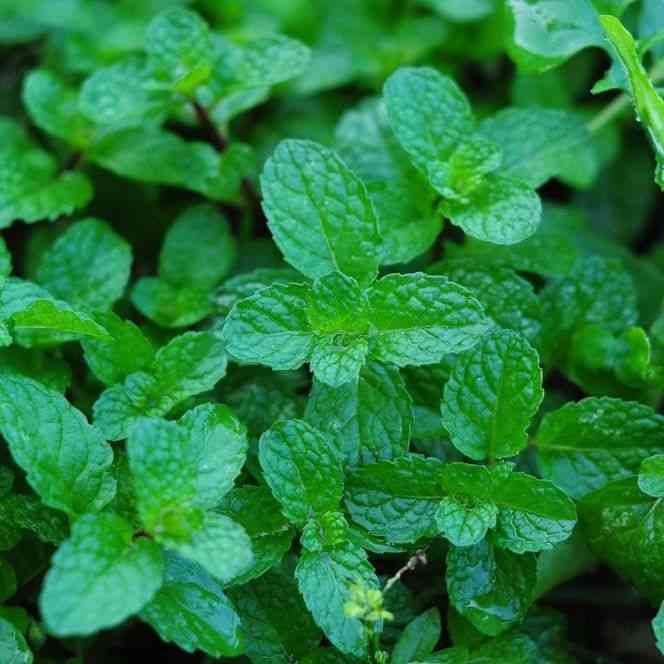
Members of the mint family have long histories in Mediterranean, European, Asian, and North American gardens. Their common names can obscure hybrid origin or species differences, so this page separates verified botanical identity from flavor tradition and avoids turning traditional use into a medical claim. Catnip (Nepeta cataria) Origins and Etymology Catnip (Nepeta cataria) is a hardy perennial of the mint family (Lamiaceae), native to Europe, Central Asia, and parts of the Middle East, though now naturalized across much of the world. The species name cataria - meaning “of cats” - reflects its remarkable effect on felines, whose playful euphoria upon contact has made it famous for centuries. Cultural Significance and Lore Long before it became associated with housecats, Nepeta cataria was an esteemed healing and household herb. A member of the mint family long used in traditional remedies, catnip bridges playful and peaceful worlds-bringing joy to cats and calm to people alike.

Continue planning

Related products, collections, and growing guides

Explore the full collection
Heirloom Mint Seeds for Culinary, Tea, and Herbal GardensExplore the full collection →
Spearmint

Spearmint

Discover the refreshing allure of Spearmint, a classic favorite among mint varieties.

Peppermint

Peppermint

Discover the invigorating essence of our Peppermint Seeds, known for their robust growth and refreshing aroma.

Lemon Balm

Lemon Balm

Lemon Balm is best suited to tea, fragrant leaves, pollinator flowers, and contained perennial beds.

Huacatay (Black Mint)

Huacatay (Black Mint)

Huacatay, commonly known as Black Mint, is a distinctive variety that adds a unique flair to any herb garden.

Customer experience

Reviews for Catnip

Customer Reviews

Based on 3 reviews
100%
(3)
0%
(0)
0%
(0)
0%
(0)
0%
(0)
A
Anonymous (United States)

Great

Thank you for your wonderful feedback! We're so happy you enjoyed the mint seeds. If you have any questions or need more, we're here to help. Enjoy your gardening!

D
Donna Burchfield (United States)

Wonderful value. Love the seed packets too!