Variety field guide
What to expect from Virginia Mountain Mint
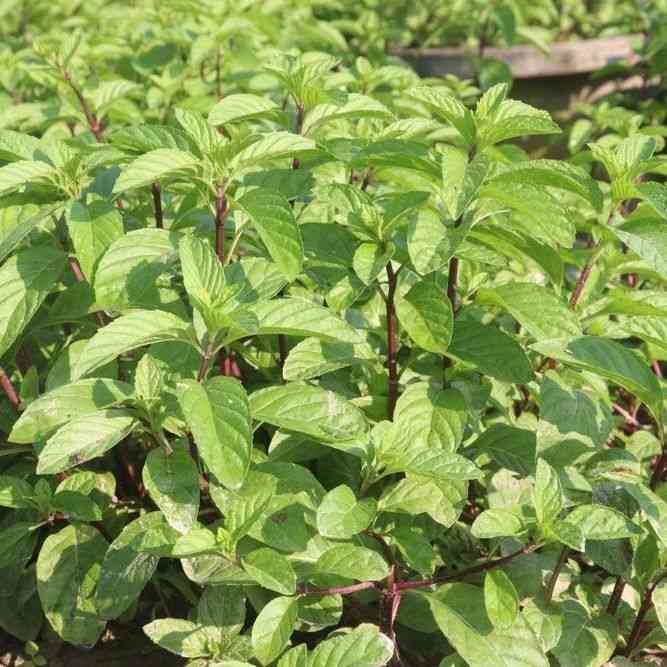
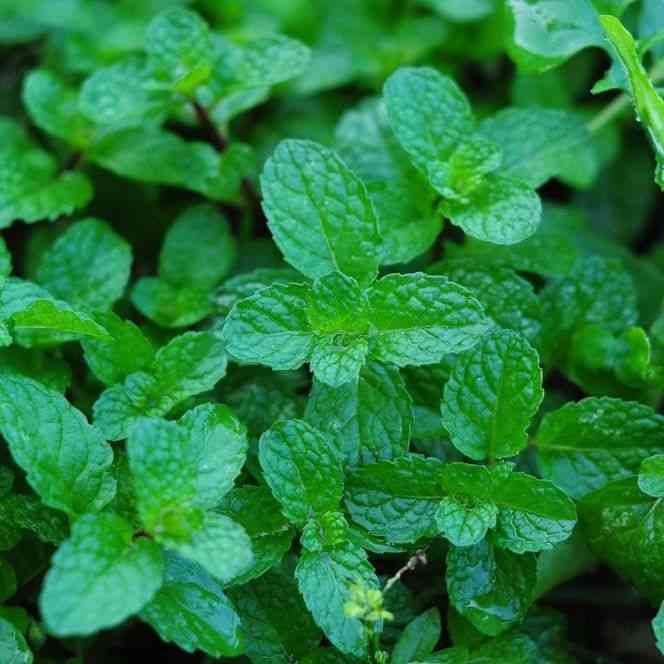
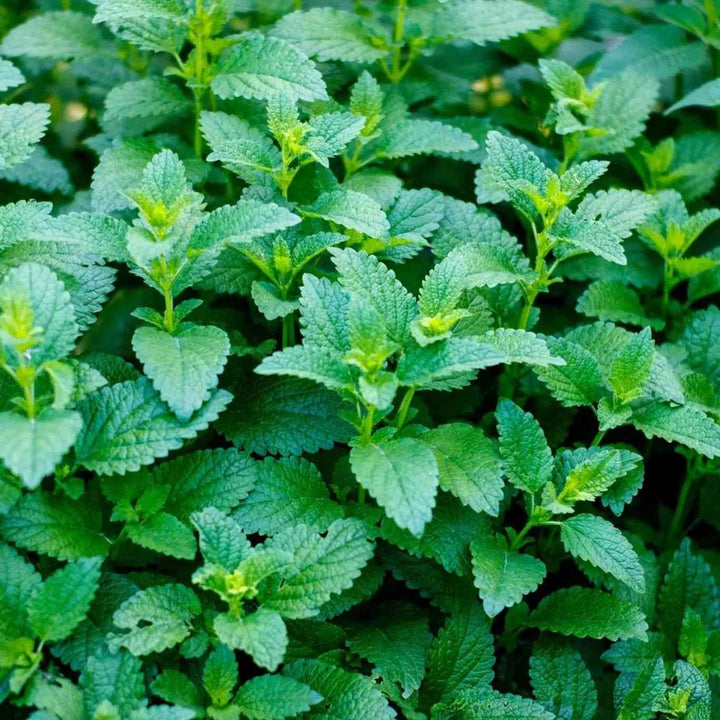
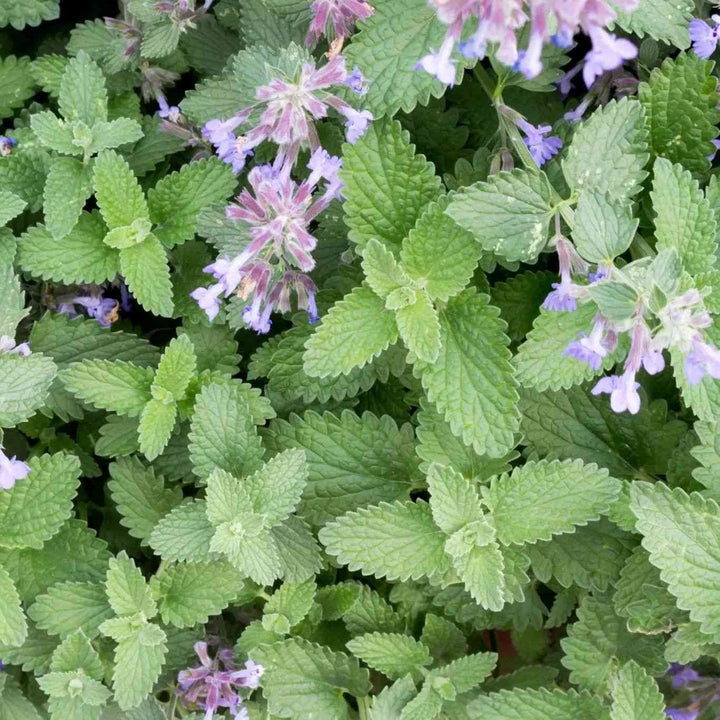
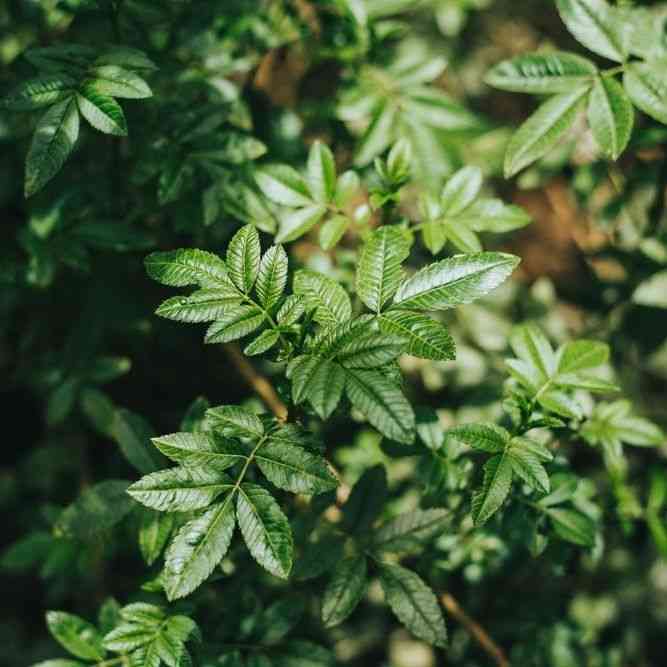
Virginia Mountain Mint fills summer borders with narrow, fragrant leaves and clusters of tiny pale flowers.
Open the complete descriptionHide the complete descriptionVariety traits, flavor, garden use, and the complete description
Virginia Mountain Mint fills summer borders with narrow, fragrant leaves and clusters of tiny pale flowers. Bees and butterflies gather around the blooms, while the minty foliage adds scent beside a path. This North American perennial occurs in moist meadows and other open habitats, and grows well in sun or light shade. Spreading roots gradually enlarge the clump, so give it room where that growth is welcome.
Minimum seeds per packet: 300 seeds.
Fragrant foliage and summer flowers alive with visitors.
Variety and background
Virginia Mountain Mint is surface-sown in light; cold pretreatment is not required by the specialist germination code. A fixed 365-day harvest claim is not appropriate.
Growing facts
| Scientific name | Pycnanthemum virginianum (L.) T.Durand & B.D.Jacks. ex B.L.Rob. |
|---|---|
| Life cycle | Perennial |
| Maturity / harvest basis | Harvest established growth; flowering varies with establishment |
| Seed depth | Surface Sow |
| Germination | 14-21 days |
| Germination temperature | 65-80 F |
| Plant height / spread | 28-40 in |
| Habit | Rhizomatous |
| Plant spacing | 18 in |
| Row spacing | 24 in |
| Sunlight | Full - Partial Sun |
| Pollination type | Open-Pollinated (OP) |
Starting from seed
Surface sow in spring or start indoors; press in without covering, as light aids sprouting. At 65-80 F allow 14-21 days and keep evenly moist. Set 18 in. apart, rows 24 in. apart. Give moist, draining soil and room for spreading clumps.
Planting and care
Surface sow in spring or start indoors; press in without covering, as light aids sprouting. At 65-80 F allow 14-21 days and keep evenly moist. Set 18 in. apart, rows 24 in. apart. Give moist, draining soil and room for spreading clumps. Virginia Mountain Mint is surface-sown in light; cold pretreatment is not required by the specialist germination code. A fixed 365-day harvest claim is not appropriate.
Harvest and use
Let plants establish before cutting stems for fresh or dried arrangements. Leave flowers for insects and dry heads for seed. Gather ripe seed into a paper bag, dry and clean; divide or edge clumps in spring to manage spreading roots.
Saving seed
Select several healthy, true-to-type Pycnanthemum virginianum - Mountain Mint plants that match the expected rhizomatous habit and overall plant form. Avoid saving seed only from the earliest or largest individual unless that is your deliberate selection goal. Pollination system: Open-pollinated herb or leafy crop. Compatible plants of the same species may cross to varying degrees through insects or wind. Separate compatible varieties that may flower together, or use cages, barriers, hand pollination, or another documented control appropriate to the crop. Pycnanthemum virginianum - Mountain Mint is a perennial. Seed production may require overwintering, vernalization, or more than one growing season, depending on climate and crop biology. Clean the seed carefully, dry it thoroughly away from direct heat, label the lot with variety and year, and store it cool, dark, and dry. Test germination before an important planting or distribution season.
Common problems
Common concerns: Aphids, whiteflies, spider mites, slugs, damping-off, root rot, and leaf diseases under humid crowded conditions. Management: Provide airflow, drainage, moderate fertility, careful watering, and clean harvest practices. Diagnosis note: Similar symptoms can have different causes. Compare plants of the same age, record weather and irrigation, and use local Extension or diagnostic support before applying a control.
Frequently asked questions
What distinguishes this selection?
Virginia Mountain Mint is surface-sown in light; cold pretreatment is not required by the specialist germination code. A fixed 365-day harvest claim is not appropriate.
How should I start it?
Surface sow in spring or start indoors; press in without covering, as light aids sprouting. At 65-80 F allow 14-21 days and keep evenly moist. Set 18 in. apart, rows 24 in. apart. Give moist, draining soil and room for spreading clumps.
When and how should I harvest?
Let plants establish before cutting stems for fresh or dried arrangements. Leave flowers for insects and dry heads for seed. Gather ripe seed into a paper bag, dry and clean; divide or edge clumps in spring to manage spreading roots.
Can I save seed?
Select several healthy, true-to-type Pycnanthemum virginianum - Mountain Mint plants that match the expected rhizomatous habit and overall plant form. Avoid saving seed only from the earliest or largest individual unless that is your deliberate selection goal. Pollination system: Open-pollinated herb or leafy crop. Compatible plants of the same species may cross to varying degrees through insects or wind. Separate compatible varieties that may flower together, or use cages, barriers, hand pollination, or another documented control appropriate to the crop. Pycnanthemum virginianum - Mountain Mint is a perennial. Seed production may require overwintering, vernalization, or more than one growing season, depending on climate and crop biology. Clean the seed carefully, dry it thoroughly away from direct heat, label the lot with variety and year, and store it cool, dark, and dry. Test germination before an important planting or distribution season.