Know the plant behind the name growing chamomile from seed
Herb names can hide major differences in life cycle, growth habit, flavor, hardiness, and harvest stage. With growing chamomile from seed, identify whether the plant is an annual, biennial, tender perennial, hardy perennial, or woody herb before deciding when to sow and how much winter protection to provide.
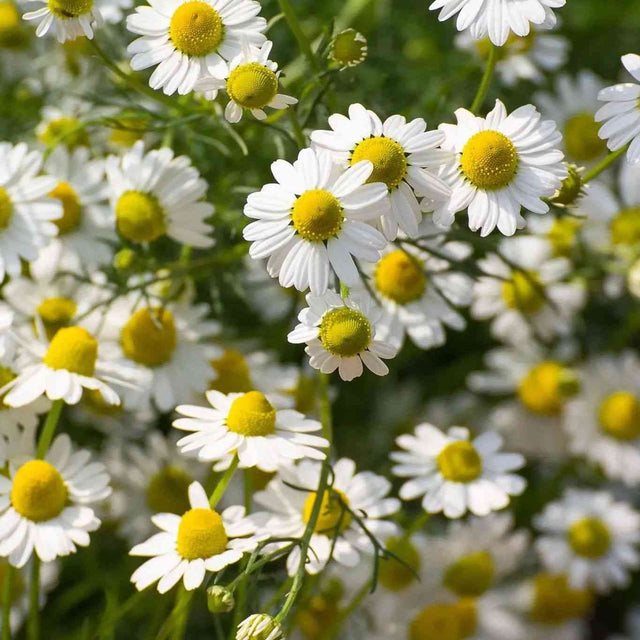
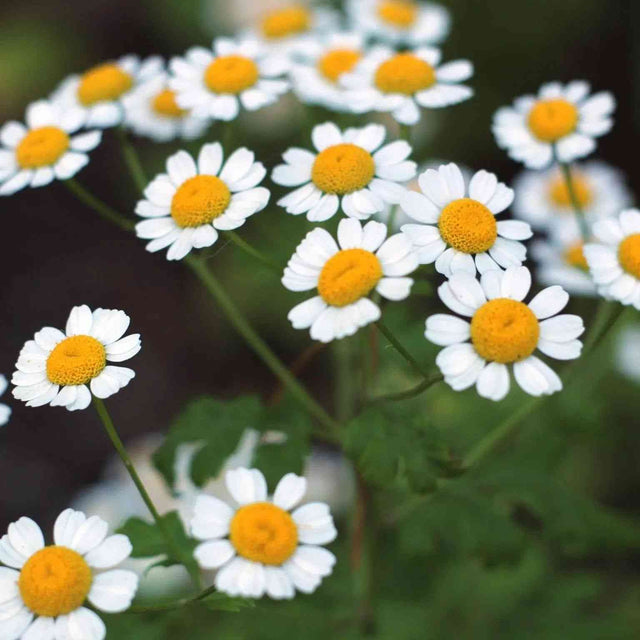
German and Roman chamomile are different species.
The seed is tiny and needs little or no covering.
German chamomile can self-sow.
Flowers mature over an extended period.
- Harvested flowers need rapid airy drying
- Allergy and medication considerations matter for herbal use
Choose the sowing and planting plan
- Identify the species before choosing habit and spacing
- Decide whether you want annual upright or perennial groundcover growth
- Prepare a weed-free fine seedbed
- Plan repeated flower harvest
- Use responsible food and herbal labeling
Set the sowing date for growing chamomile from seed by working backward from transplant size, outdoor temperature, and the plant’s natural pace. Slow herbs should be started early enough to develop without being held for months in tiny cells; fast herbs are usually better in succession sowings than in one oversized first batch.
Sow and establish the crop
- Surface sow
- Mist or bottom water
- Thin gently
- Harvest open flowers on dry days
- Dry in a single layer with airflow
- Store only when fully dry
Use a clean, porous mix and label growing chamomile from seed at sowing. Fine seed can be displaced by heavy watering, while large seed can fail if buried too deeply or kept saturated. Once seedlings emerge, strong light and modest air movement matter more than extra heat.
Water, drainage, and fertility
Match water to the mature habit of growing chamomile from seed. Mediterranean woody herbs generally resent constant saturation, while leafy annual herbs lose quality when repeatedly drought-stressed. Fertilize for steady usable growth rather than maximum softness; excess nitrogen can dilute aroma, delay flowering or seed harvest, and increase weak growth.
Harvest for leaves, flowers, roots, or seed
Decide which part of growing chamomile from seed is the crop before harvest begins. Leaf herbs are often best cut before heat or seed set reduces tenderness; flower and tea herbs need a clean dry harvest window; seed herbs must remain until seed is mature enough to finish drying without molding. Harvesting goals can require different spacing and succession plans from ornamental growing.
Containers, overwintering, and renewal
Containers can control spreading herbs and make tender plants movable, but they dry faster and provide less winter insulation. For growing chamomile from seed, plan whether the plant will be treated as an annual, overwintered dormant, maintained under lights, or protected outdoors. Inspect carefully for pests before bringing any plant inside.
Problems to diagnose
| What you see | What it may mean | Better next step |
|---|---|---|
| Seedbed becomes weedy | Chamomile seedlings are tiny | Prepare bed before sowing |
| Flowers brown in storage | Dried too slowly or stored damp | Improve drying |
| Plants spread widely | Self-sowing | Harvest more seed heads or thin volunteers |
| Tea causes reaction | Individual sensitivity or allergy | Stop use and seek professional advice when needed |
Saving seed and preserving identity
Allow seed from growing chamomile from seed to mature fully on healthy, correctly identified plants. Consider cross-pollination with related varieties or species, collect in dry weather, finish drying before sealing, and label the crop, variety, year, and source. Seed-grown woody or named herbs may vary, so preserve a clone by cuttings or division when uniformity is essential.
Turn one planting into a reliable herb record
For growing chamomile from seed, record more than whether the seed germinated. Note emergence time, seedling uniformity, aroma, plant habit, first harvest, flowering, winter survival, and the way the crop responds to cutting. Herbs grown for leaves, flowers, roots, or seed can appear successful at one stage and still fail the intended harvest goal.
| Record | Use this guide to capture |
|---|---|
| Starting condition | German and Roman chamomile are different species. |
| Decision being tested | Identify the species before choosing habit and spacing. |
| First controlled action | Surface sow. |
| Warning sign to watch | Seedbed becomes weedy |
| Response if it appears | Prepare bed before sowing |
Date every observation connected to growing chamomile from seed and keep the variety, material, or structure identified. Compare plants of the same age and growth stage when possible. Weather, shade, container exposure, bed position, and planting date can create differences that look like varietal or treatment effects when they are not recorded.
At the end of the trial, decide whether growing chamomile from seed improved the intended result enough to justify the seed, material, space, and labor. Keep the method only when the benefit can be described clearly. A neutral or failed result is still useful when it prevents the same expensive assumption from being repeated across a larger planting.
Frequently asked questions
Which chamomile is used for tea?
Both are used, but German chamomile is the common seed-grown annual tea crop.
Should seed be covered?
Only very lightly, because the seed is tiny and germinates near the surface.
How often can flowers be harvested?
Pick repeatedly as new flowers open.
Can chamomile self-sow?
German chamomile often does where flowers are allowed to mature.