
“Water tomatoes once a week” is advice without a soil, a container, a forecast, or a plant. A deep loam bed under mulch may hold moisture for days. A five-gallon pot in July can need attention every morning. The plant is the same; the water budget is not.
The aim is steady moisture through the active root zone. That protects growth, fruit set, and calcium movement better than alternating drought with a heroic soaking.
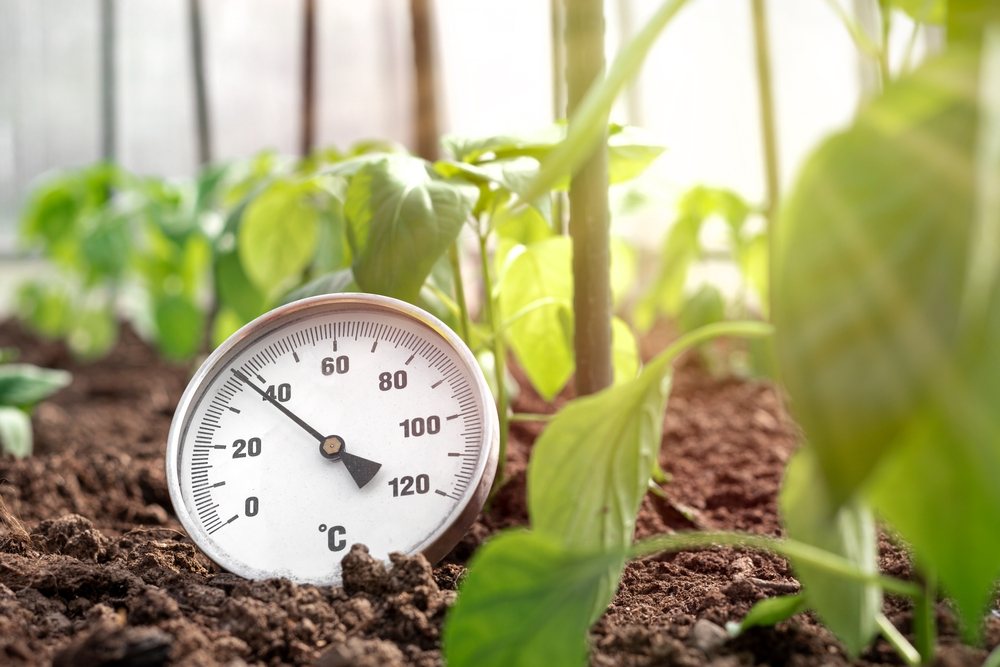
A schedule is only the opening guess. Push a finger, trowel, or soil probe below the surface. The top inch can be dry while roots are comfortable, or look dark while the lower pot has already gone dry.
Understand what tomato watering can and cannot do
Tomatoes need enough water to maintain growth and move nutrients, but roots also need oxygen. Constant saturation is not consistency; it is a drainage problem.
The right interval changes with soil texture, plant size, fruit load, wind, temperature, mulch, rainfall, and container volume.
- Beds reward deep watering that encourages a broad root system.
- Containers require more frequent checks because their reservoir is small.
- New transplants need closer attention than established plants.
Choose the method by the constraint that actually matters
Check moisture several inches down and note whether the plant recovers after evening temperatures fall. Midday wilt during extreme heat can occur even in moist soil.
Use rainfall totals as a clue, not a guarantee. A brief storm may wet foliage and leave the root zone nearly dry.
| Situation | Best starting choice | Why |
|---|---|---|
| In-ground loam under mulch | Deep root-zone watering when the upper several inches begin drying | The bed stores moisture and loses less to evaporation |
| Sandy soil | Smaller applications more often | Water drains quickly below shallow roots |
| Large container | Check daily in hot weather; water thoroughly when needed | Containers heat and dry from every side |
| New transplant | Frequent light checks, then gradually deeper intervals | Roots have not yet explored the bed |
Set the system up in the right order
Water early enough that you can inspect drainage and leaf condition.
- Apply water slowly at the root zone.
- Pause and allow infiltration rather than letting water run away.
- Recheck depth with a trowel or probe.
- Add mulch after the soil has warmed and transplants are established.
Watch for the failure points
The two common errors are wetting only the surface and flooding a stressed plant after it has gone bone-dry. Both produce shallow or damaged roots.
Leaf curl, blossom drop, cracked fruit, and blossom-end rot can involve water stress, but none is diagnosed by one symptom alone.
- Do not water by foliage color alone.
- Do not leave saucers full of water under tomato containers.
- Do not assume mulch removes the need to check moisture.
Adjust for North Carolina, Virginia, and the Mid-Atlantic
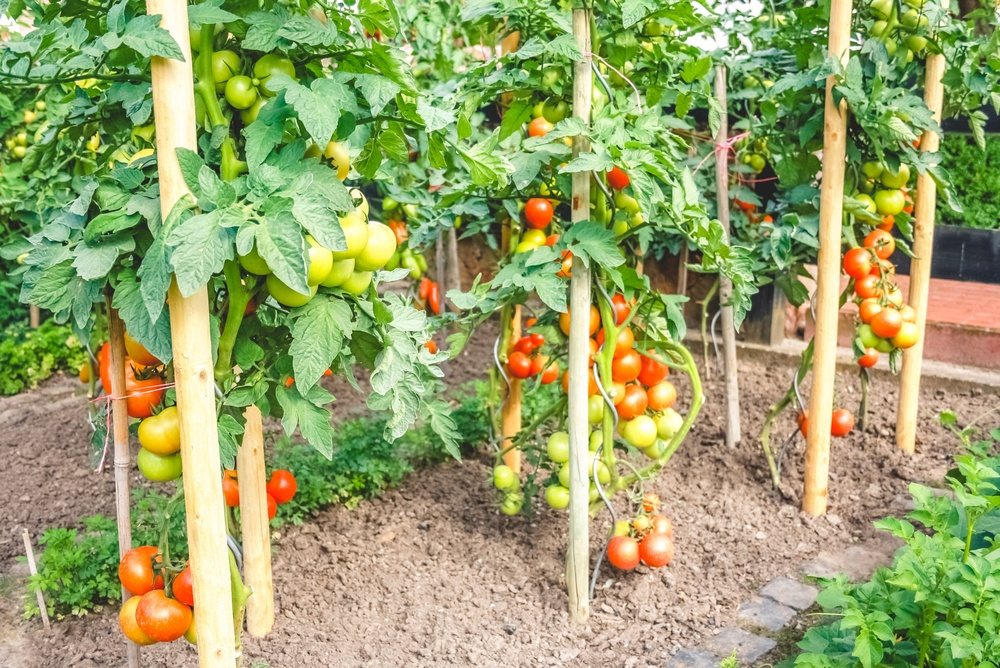
Eastern North Carolina heat, wind, and high nighttime temperatures can increase demand while also reducing fruit set. Piedmont clay can remain wet below a dry crust. Mountain soils and cooler nights may lengthen intervals.
In prolonged wet weather, the answer may be less irrigation and more airflow, drainage, and disease scouting.
Keep records that make the next season easier
Record rainfall, watering duration, soil depth reached, and any fruit disorders. After two weeks, the garden will show its own pattern.
Container gardeners should note pot size and mix composition because those two details explain much of the variation.
The best schedule is the one that can be adjusted before the plant reaches crisis.
Put this guide to work in a real garden
Put How Often Should You Water Tomato Plants? Soil Depth, Weather, Containers, and Mulch into a one-season plan before buying more inputs. Choose the variety or material, mark the bed or container, write the sowing or planting date, and decide what success will look like: first harvest, stem length, fruit set, bloom, survival, or control of spread.
Inspect on a schedule. Early problems are usually easier to correct because the crop has more season left and the cause has not been buried under secondary damage. Water, fertility, airflow, support, and harvest timing should be adjusted from the plant’s response rather than from a rigid weekly ritual.
At the end of the crop, keep the record honest. Note what performed, what merely survived, what required too much labor, and what deserves a larger planting next year. Experience becomes expertise only when it is remembered accurately.
- Choose the variety and define the intended use.
- Prepare soil, container, support, or irrigation before planting.
- Set a weekly inspection date.
- Harvest or prune at the stage described in the guide.
- Write a short end-of-season verdict.
Use a 30-day checkpoint instead of guesswork
Before planting
Choose the variety, site, support, soil preparation, and irrigation method while the bed is still easy to change.
First two weeks
Protect establishment. Watch moisture, light, wind, transplant shock, and early pest pressure.
At rapid growth
Adjust spacing, support, pruning, and fertility before the plant becomes difficult to handle.
At first harvest or bloom
Record quality, timing, labor, and the plant’s response. Use that evidence to guide the rest of the season.
A guide provides a sound starting system, not a guarantee. Cultivar, weather, soil history, and management interact, and the correct response may change as the plant moves from establishment to harvest.
Keep a one-season record
The record does not need to be elaborate. A notebook page, spreadsheet row, or labeled photograph is enough when it captures the variables that matter.
- Variety and source
- Planting date and location
- Water, fertility, and major weather events
- First harvest or bloom and total season length
- Problems, corrections, and next-year decision
Write enough that another grower—or you, one year later—could understand what was planted, what happened, and why the next decision changed.
Questions gardeners ask
How much water do tomato plants need each week?
About one to two inches of total water is a common starting range, but soil, weather, mulch, and plant size can move the need above or below it.
Should tomato leaves wilt at midday?
Temporary midday wilt can occur in heat even when soil is moist. Check the root zone and whether the plant recovers by evening before watering again.
Is morning always the best time to water?
Morning is usually practical because plants enter the day hydrated and foliage dries quickly, but root-zone watering can be done when needed as long as drainage is sound.
Why do tomatoes crack after rain?
Rapid water uptake after a dry period can expand fruit faster than the skin can stretch. Even moisture reduces, but does not eliminate, cracking.
Do grow bags need more water?
Often yes. Their porous sides increase air exchange and evaporation, so they dry faster than solid containers of the same volume.
Tomatoes do not ask for a ritual. They ask for steadiness. Learn the depth, respect the weather, and water before the plant must choose between fruit and survival.
Related tomato nutrition guide: Water and fertilizer decisions work together. Use our soil-test and tomato-feeding guide before adding more nutrients to a stressed plant.


