
Tomato fertilizer guide
Tomatoes need nutrients, but they do not need every nutrient added at every stage. The correct program begins with soil testing, realistic yield goals, the fertility already present, and the way the plant is growing.
Nitrogen supports leaves and stems but can delay flowering when excessive. Phosphorus supports energy transfer and root processes but often accumulates in gardens that receive repeated compost or manure. Potassium supports water regulation, fruit development, and stress response but should not be applied blindly.
A measured plan protects both crop and soil. It also prevents deficiency symptoms from being confused with water stress, root disease, temperature injury, or herbicide exposure.
Fertilizer is useful because it is powerful. The same bag that corrects a shortage can delay flowers, burn roots, raise salts, and leave the gardener feeding a problem.
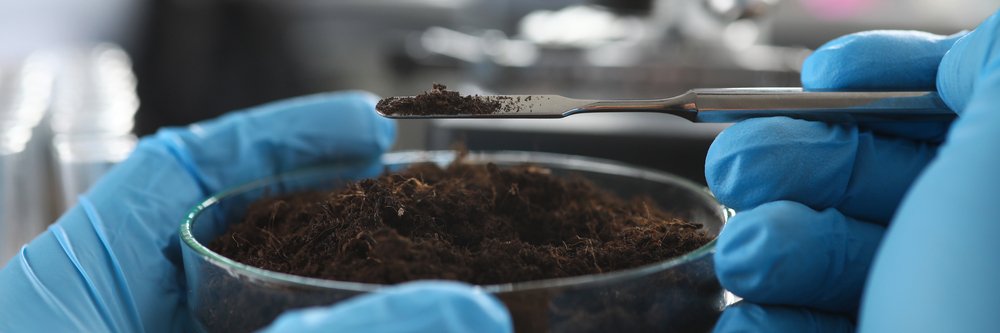
Start with a soil test and amendment history
- Test pH, phosphorus, potassium, and other nutrients available through the lab.
- List compost, manure, lime, and fertilizer applications from prior years.
- Note whether the bed is in-ground, raised, or container-grown.
- Record the previous crop and any disease or salt problems.
- Use the laboratory recommendation rather than a universal tomato formula.
A soil can be rich in phosphorus and still look poor because roots are cold, waterlogged, compacted, or diseased. Nutrition begins with root function.
Understand nitrogen without chasing dark leaves
| Observation | Possible meaning | Response |
|---|---|---|
| Pale lower leaves with slow growth | Low nitrogen or root stress | Check water, roots, and test before feeding |
| Dark lush vines with few flowers | Excess nitrogen or shade | Stop nitrogen and improve light |
| Normal growth and flowering | Supply is likely adequate | Do not feed by calendar alone |
| Rapid growth after heavy rain | Mineralization and water response | Wait before adding more |
Split applications are safer than one heavy dose where nitrogen is needed. Keep dry or concentrated fertilizer away from stems and roots.
Use phosphorus and potassium only where evidence supports them
Phosphorus deficiency is uncommon in many long-managed gardens because compost and manure add it repeatedly. Excess phosphorus can affect nutrient balance and water quality. Do not apply high-phosphorus bloom boosters simply because tomatoes are flowering.
Potassium can be useful where a test shows need, especially in sandy or heavily cropped soils. Too much can interfere with magnesium and calcium balance. Choose a fertilizer based on the missing nutrient, not the picture of a tomato on the label.
Feed according to plant stage and growing system
At planting, avoid placing strong fertilizer directly against roots. Use the soil-test recommendation and blend amendments uniformly. After establishment, side-dress only when crop demand and plant response justify it.
Container tomatoes need more frequent, diluted feeding because watering leaches nutrients from a small root volume. They also accumulate salts when fertilizer is overused. Flush with clear water periodically and ensure drainage is open.
Indeterminate plants may require support over a longer season. Determinate plants concentrate growth and harvest. Neither habit justifies constant nitrogen.
Read symptoms as patterns, not single leaves
| Pattern | Possible causes | What to inspect |
|---|---|---|
| Old leaves yellow first | Nitrogen shortage, root loss, normal aging | Whole-plant vigor and root condition |
| Leaf margins yellow or scorch | Potassium stress, salt injury, drought | Soil moisture, fertilizer rate, test |
| Purple coloration | Cold roots, phosphorus stress, cultivar trait | Temperature and growth rate |
| Interveinal yellowing | Magnesium or other issue | Leaf age, pH, soil test |
| Twisted new growth | Herbicide injury, mites, virus, heat | Exposure history and pest signs |
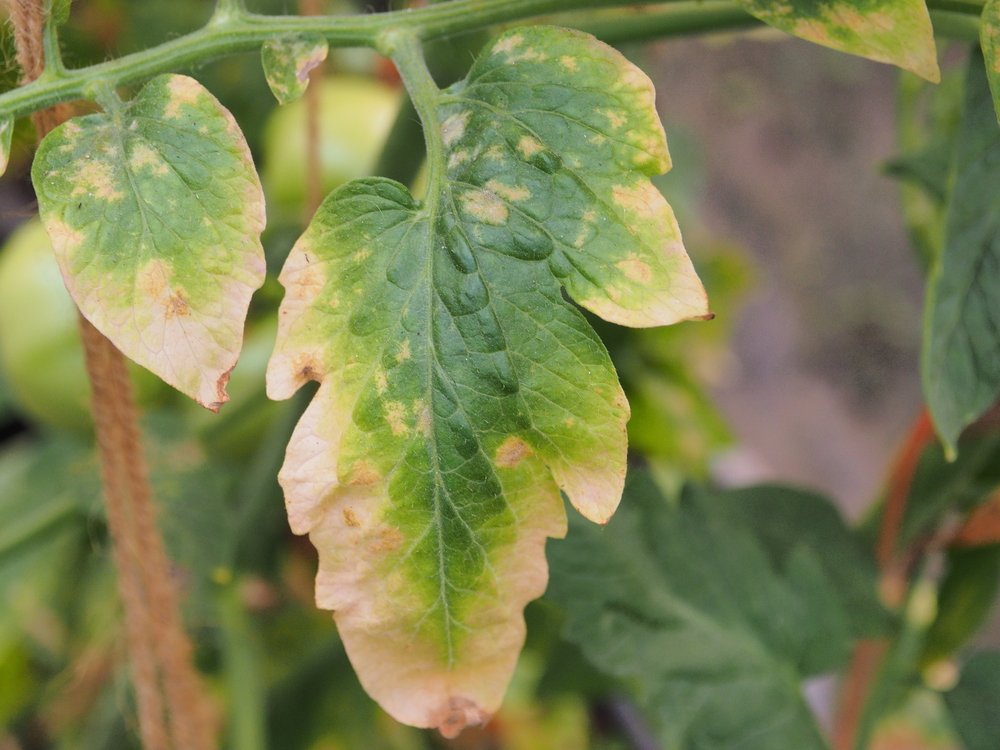
Do not diagnose from one stock photograph. Look at which leaves are affected, how the pattern spreads, recent weather, irrigation, roots, and every input used.
Integrate compost without overloading the bed
Mature compost improves soil organic matter and supplies nutrients, but repeated heavy applications can raise phosphorus and salts. Count compost as part of the fertility program.
Fresh manure should not be placed around growing tomatoes. Use properly managed material and observe food-safety intervals and local guidance. A dark soil surface does not prove balanced fertility.
Prevent fertilizer from worsening blossom-end rot and blossom drop
Excess nitrogen drives rapid leafy growth and can contribute to flower loss and calcium delivery problems. High salts damage roots and alter water uptake. Heavy feeding cannot overcome hot nights or inconsistent irrigation.
Stabilize water, protect roots, and wait for the plant and weather to respond before adding another product. Tomatoes often need less intervention than the label encourages.
Adjust for regional soil and rain
Sandy coastal soils may leach nitrogen and potassium rapidly, favoring smaller split applications. Piedmont clay can hold nutrients but suffer from compaction and poor drainage. Raised beds and containers behave according to their fill, not the county soil map.
Heavy summer rain can leach mobile nutrients and temporarily suffocate roots. Drought can concentrate salts. Feed after inspecting moisture and growth, not merely because a week has passed.
Questions gardeners ask
What is the best fertilizer for tomatoes?
There is no universal best product. Use a soil test and choose the formulation that supplies what is actually missing.
Should I use a high-phosphorus bloom booster?
Not unless a test or reliable diagnosis shows phosphorus is needed. Many gardens already have excessive phosphorus.
How often should container tomatoes be fed?
Often more frequently than in-ground plants, but at lower concentration and according to the potting mix, irrigation, and product label.
Can too much fertilizer reduce tomatoes?
Yes. Excess nitrogen can produce large vines, delay flowering, increase disease pressure, and worsen water and nutrient imbalance.
Are yellow leaves always a nitrogen deficiency?
No. Aging, root damage, water stress, disease, salts, and other nutrient problems can also cause yellowing.


