Choose a trellis by mature plant weight, climbing method, wind exposure, airflow, and harvest access. Build for August, not for the seedling in May.
Most support failures begin when the gardener looks at a young plant and builds something equally young. Vines remember gravity even when we forget it.
Support is cheaper before the storm.
A trellis is easy to admire when the vines are young. The true test comes after rain, wind, and the weight of fruit. That is when a decorative support either becomes infrastructure or folds into the crop it was meant to hold.
I choose support by asking what the mature plant will weigh, how I need to harvest it, and whether I can reach both sides. A cattle panel, tomato cage, stake, string line, or woven fence can all work. Each one changes airflow, shade, labor, and the way the gardener moves through the row.
The mistake is waiting until the plant has already fallen. By then roots tear, stems kink, disease enters damaged tissue, and the repair becomes harder than the original work would have been.
This guide treats trellising as part of crop planning—not an accessory added after the plant has made its decision.
A tomato plant with ten pounds of fruit is not the same object it was when you pushed a small cage over it in May. A cucumber wall after a thunderstorm carries water as well as vines. Support the crop you expect to harvest.
Choose the structure from the mature crop backward
The crop’s attachment method and final weight should choose the structure.
| Crop | How it uses support | Useful systems |
|---|---|---|
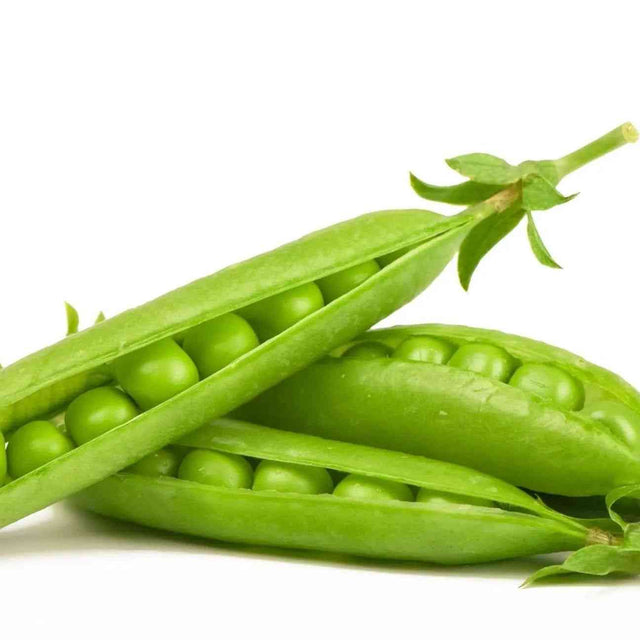
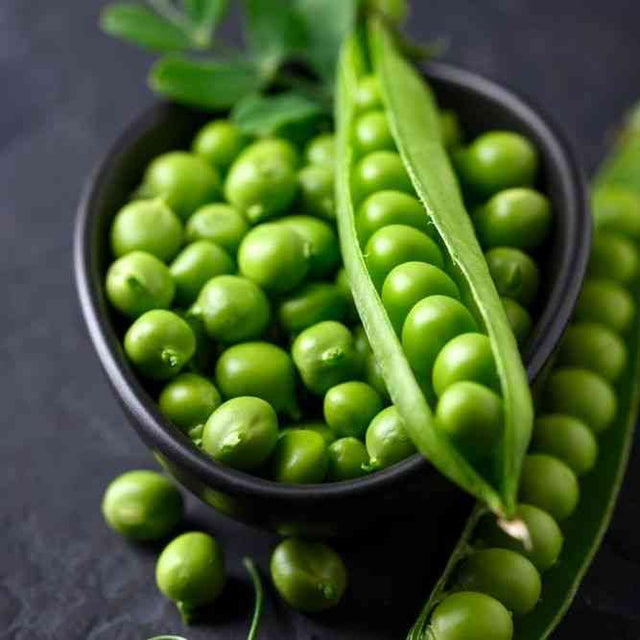
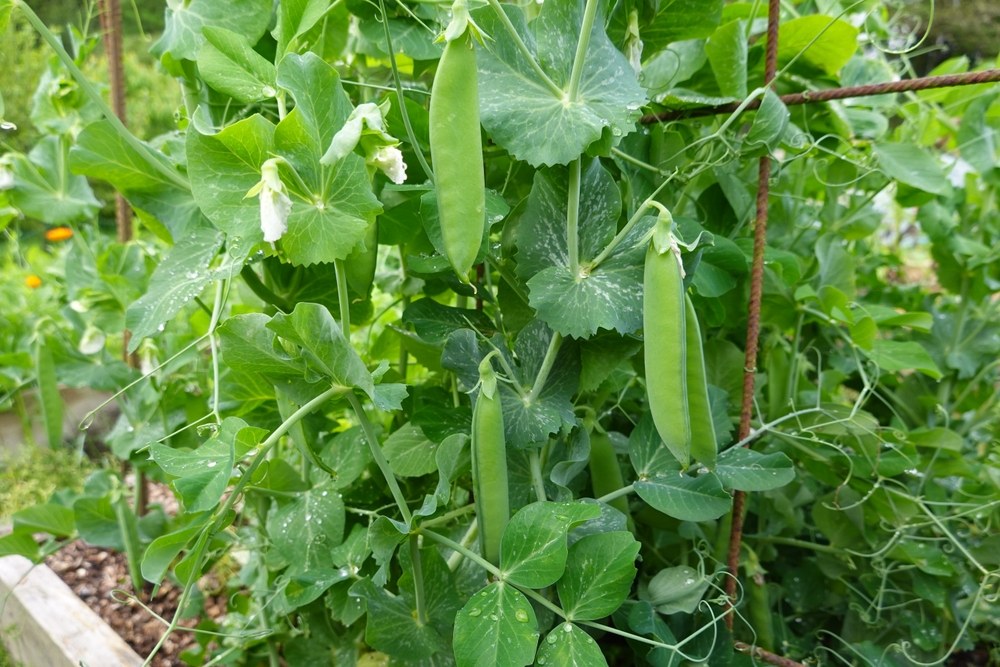
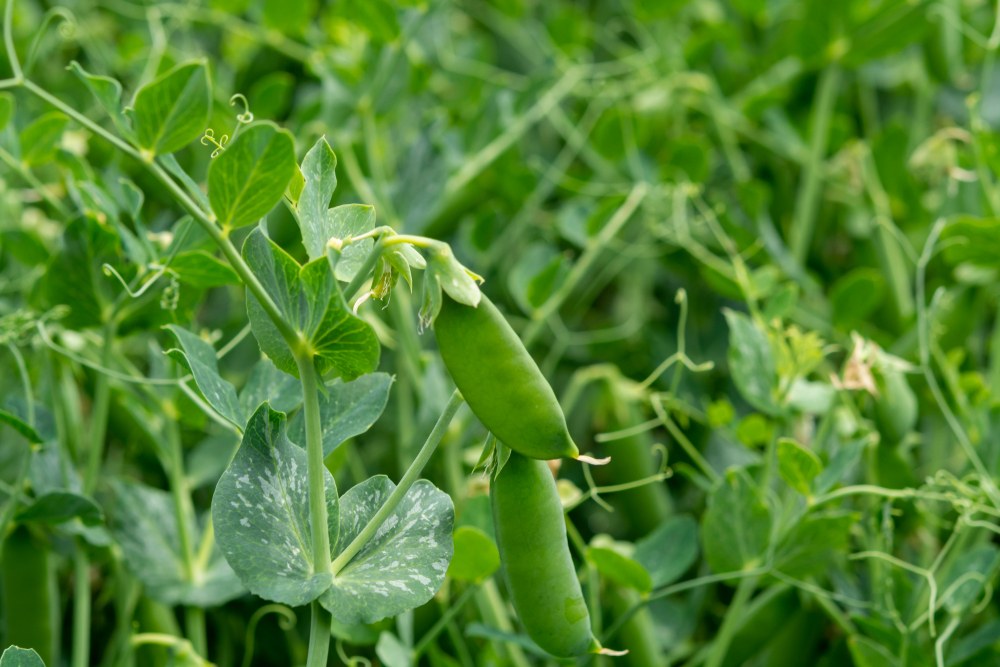
| Peas | Tendrils grasp thin material | Netting, twiggy brush, string, light fencing |
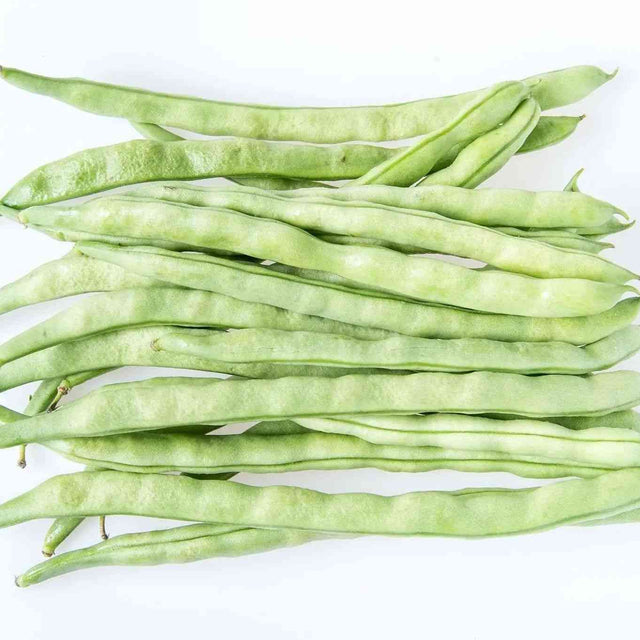
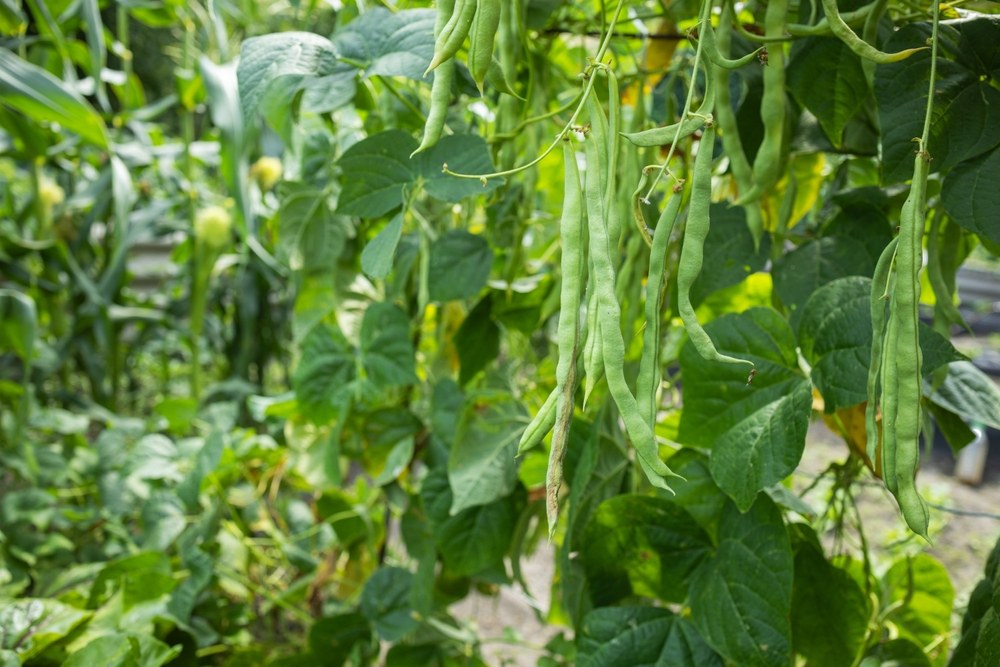
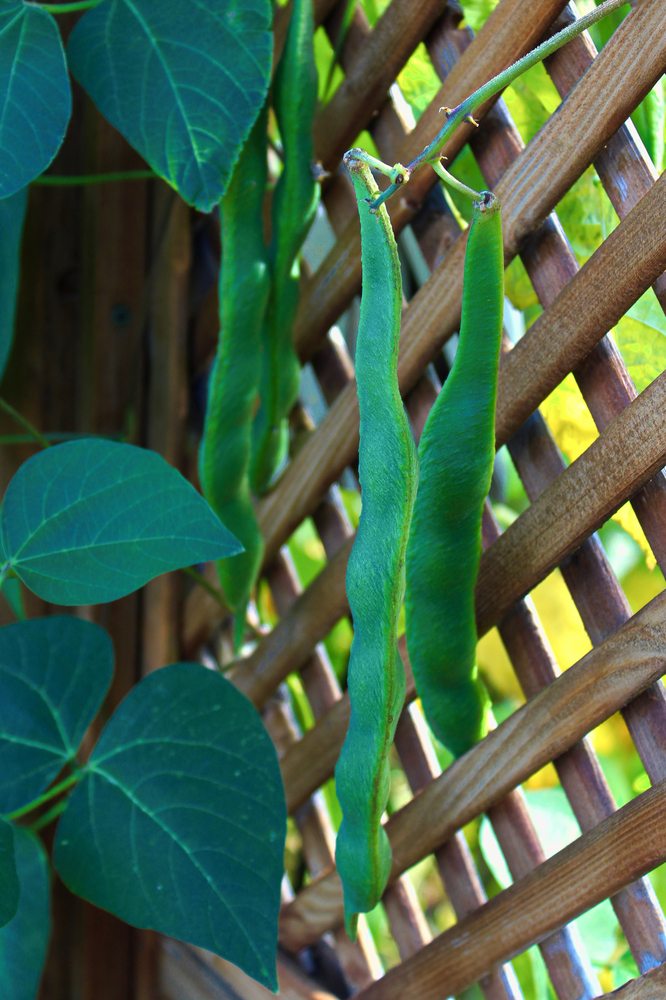
| Pole beans | Stems twine around supports | Poles, teepees, cattle panels, strong string |
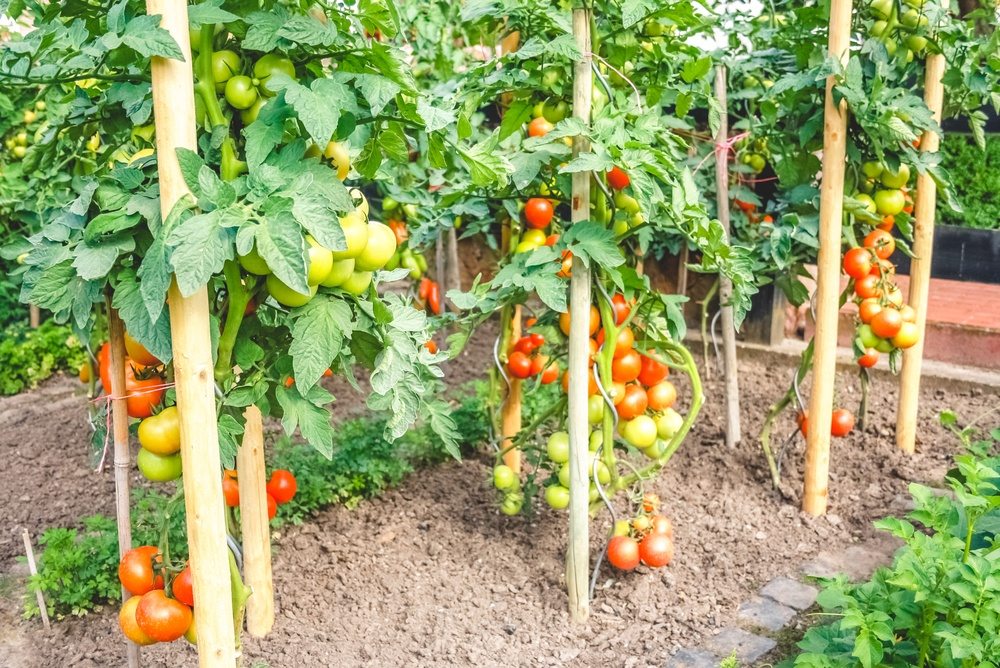
| Tomatoes | Need tying, weaving, staking, or containment | Cages, stakes, Florida weave, panels |
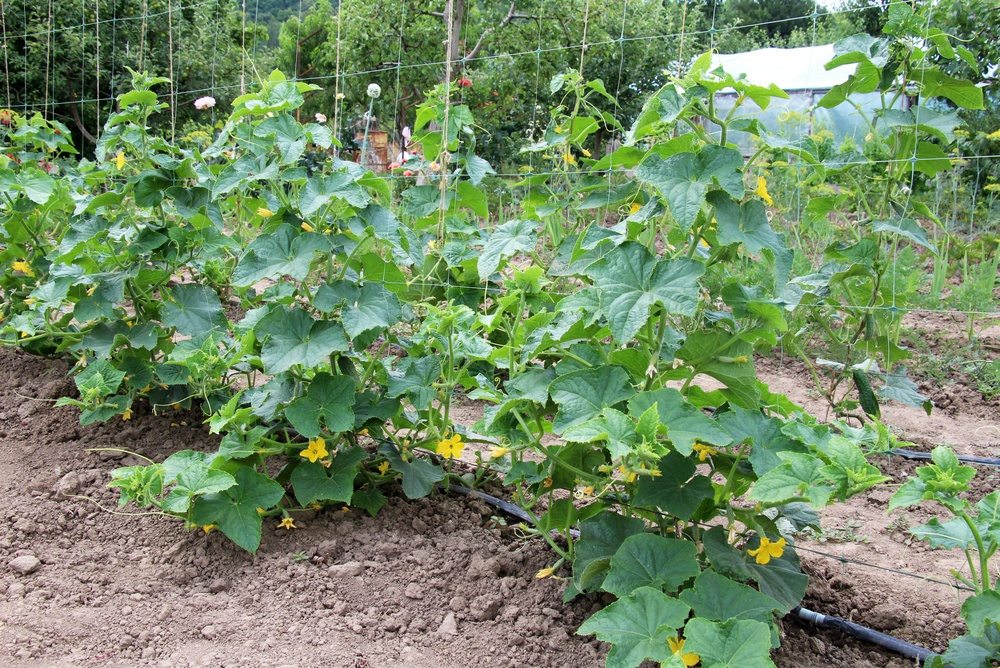
| Cucumbers | Tendrils grasp netting and wire | Panels, netting, A-frames |
| Small melons or squash | Vines climb; fruit adds load | Heavy panel with fruit support where needed |
| Gourds | Vigorous vines and variable fruit weight | Large durable arbor or panel |
A single system can support several crops, but the attachment points and maintenance will differ.
Measure weight, reach, wind, and harvest access
Measure the mature crop and the gardener’s reach.
- Expected vine or plant height
- Fruit and wet-foliage weight
- Prevailing wind
- Sun path and potential shading
- Harvest access on both sides
- Tool and mower clearance
- Anchor depth and soil stability
- Whether the support can be cleaned or rotated
The best trellis is not the one people notice first. It is the one that keeps the crop upright, makes harvest easier, improves airflow, and survives long enough to justify the labor. Build it before the roots have something to lose.
A support that survives a calm spring may fail after a thunderstorm loads it with wet foliage and fruit. In humid Mid-Atlantic gardens, the structure should also open the canopy enough for harvest and drying instead of turning the center into a wall of leaves.
A step-by-step setup that can be maintained
The best support is installed before it is urgently needed.
- Choose rot-resistant, food-garden-appropriate materials.
- Anchor posts before sowing or transplanting.
- Place tall structures where they will not shade shorter crops unintentionally.
- Use openings large enough for hands and fruit.
- Add tying points appropriate to the crop.
- Train young growth gently and regularly.
- Inspect after storms and when fruit begins adding weight.
- Remove plant debris and repair the structure after the season.
A permanent support should be part of crop rotation planning. A movable support should be light enough to move but strong enough to work.
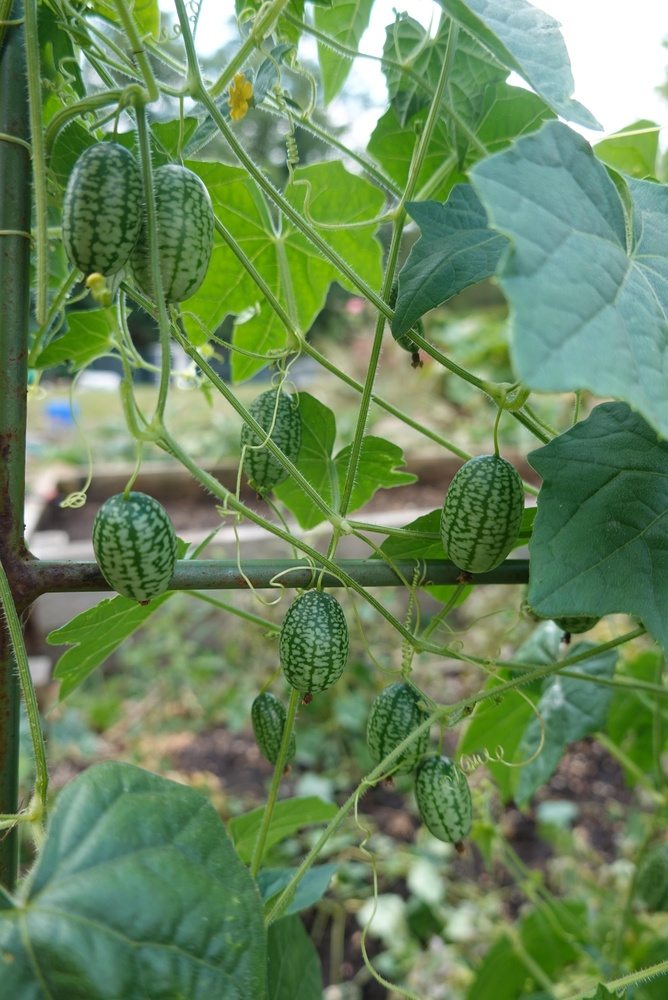
A support can hold the plant perfectly and still be a bad design if the fruit disappears inside it or the gardener cannot reach through without breaking stems. I plan the hand path as carefully as the vine path.
Match the plan to the crop
Structure changes plant spacing and disease conditions but does not erase root needs.
| System | Advantages | Limitations |
|---|---|---|
| Cattle panel | Strong, long-lasting, wide openings | Cost, storage, sharp edges, fixed footprint |
| String trellis | Inexpensive and adjustable | Needs strong anchors and seasonal replacement |
| Netting | Good for peas and cucumbers | Can tangle wildlife and be hard to clean |
| Tomato cage | Simple containment | Small commercial cages may collapse under vigorous plants |
| Florida weave | Efficient for rows of tomatoes | Requires timely weaving and sturdy end posts |
| Teepee | Useful vertical focus for beans | Dense top, central access, limited rotation |
Vertical growing saves ground area, not necessarily total plant volume. Vines still need air, roots, and harvest lanes.
Common mistakes and why they happen
Support failures are often planning failures rather than material failures.
| Mistake | Why it causes trouble | Better approach |
|---|---|---|
| Installing after vines run | Stems break and roots are disturbed | Install early |
| Weak cage for heavy tomato | Structure leans or collapses | Size for mature plant and storm load |
| Tiny mesh openings | Fruit and hands cannot pass | Use harvest-friendly openings |
| Tall trellis on south side | Short crops are shaded | Map sun direction |
| No fruit support | Melons or squash tear from vines | Use slings for heavy fruit when trained vertically |
Keep records that make the next season easier
Support notes help you stop rebuilding the same failure.
- Crop and variety
- Support height and width
- Materials and cost
- Plant spacing
- Training labor
- Storm performance
- Disease and airflow observations
- Harvest ease
- Repairs needed
A successful trellis is one you can still use when the crop is at its largest and the weather is at its worst.
Build for hands as well as vines
A trellis can hold a vine perfectly and still be a bad garden structure. If fruit hides on the far side, the top is beyond reach, clips catch clothing, or the panel blocks the wheelbarrow route, the support increases labor every time the crop is touched.
- Mock up the support with stakes and string before installing permanent posts.
- Walk both harvest sides and confirm that hands can reach through the openings.
- Place ties where stems can be supported without rubbing against wire in the wind.
- Plan how old vines, netting, clips, and twine will be removed after frost.
- Leave enough base access for watering, mulching, pruning, and pest scouting.
- Use a hinge, removable panel, or seasonal anchor when crop rotation matters.
- For heavy fruit, calculate the load after rain, when leaves and vines are at their heaviest.
For a row of indeterminate tomatoes, I would rather have fewer plants on a strong accessible system than more plants collapsing into one another. For peas, I prefer thin graspable material. For pole beans, I want height but not so much height that the best beans become bird food.
The best test comes during the first storm and the first heavy harvest. I write down where the support leaned, where fruit snagged, and which ties were easy to replace. That record turns a one-season structure into a better system next year.
The support test I would make before planting
I would place the empty support in the bed before sowing and walk around it as though the crop were already full. Can I reach both sides? Can I harvest without stepping into the root zone? Will it shade a lower crop? Can it survive wind from the direction storms usually arrive? Can I remove the crop at the end of the season without dismantling half the garden?
For heavy tomatoes, I would test the cage or trellis with my own weight against it. For beans and cucumbers, I would make sure the openings fit a hand and that vines can be removed without cutting the structure apart. For squash, I would question whether vertical training is genuinely easier or simply more dramatic.
The right support should reduce work through the entire season. If it creates a new obstacle every time I water or harvest, it is not support. It is sculpture.
A one-bed support plan that leaves room for hands, light, and weather
In a small garden, place the tallest permanent support on the north side of the bed whenever the site allows. That keeps a pole-bean or cucumber wall from stealing southern light from peppers, lettuce, herbs, or low flowers. Leave a service strip between the trellis and bed edge so stems can be tied and roots watered without climbing into the soil.
Put heavy cages where their full diameter will not block the path. A tomato cage squeezed against a walkway becomes a daily collision; a squash trellis over a narrow aisle becomes a tunnel nobody can harvest. Draw the mature footprint before planting. The seedling is a liar about the space it will take.
Use separate anchors for containers carrying tall vines. A trellis attached only to a light pot can topple the root system in wind. Where storms are routine, brace long panels, avoid broad loose fabric that acts like a sail, and inspect fasteners before the crop reaches full weight.
The final test is human: can you reach both sides, see lower leaves, pick without breaking vines, move a basket through the path, and remove the structure at season’s end? A support that serves the plant but defeats the gardener is unfinished engineering.
Inspect supports before storms and before the next season
Walk the support system before heavy weather. Tighten loose fasteners, replace cut twine, brace leaning posts, remove fruit that has become too heavy for a damaged section, and clear anything that can whip against stems. A trellis failure rarely begins in the storm. The storm merely finds the weakness already there.
After the crop is removed, clean soil and diseased residue from reusable materials. Dry metal and wood before stacking. Discard brittle netting that will fail under next year’s first load instead of saving it because it still resembles netting.
Record mature height, crop weight, wind exposure, harvest access, and repairs. The next structure should be stronger where the old one bent, lower where fruit became unreachable, and wider where the gardener could not pass. Good support earns its keep twice: once by holding the crop and again by making the next season easier to design.
Choose materials by lifespan, crop weight, and the way they fail
Metal panels and heavy wire cost more but carry wet vines and storms for many seasons when anchored well. Wood is easy to work and can fit a traditional garden, but soil contact, rot, and repeated fastener holes shorten its life. Bamboo and saplings can be strong when properly cured and tied, though every joint should be inspected as the crop gains weight.
Plastic netting is light and quick, but cheap mesh can sag, tangle wildlife, and become difficult to remove from dead vines. Natural twine composts more cleanly but may weaken before a long crop finishes. Choose the failure you are prepared to manage, not only the material that looks easiest on planting day.
Reusable supports should be cleaned between seasons, especially after disease. Smooth materials are easier to wash than woven mesh. Store every component dry and out of direct weather. Infrastructure is part of crop health: a clean, sound trellis improves airflow, keeps fruit off soil, and prevents the emergency repairs that break roots and stems in midsummer.
Questions gardeners ask
Do tomatoes need a trellis?
Most tomatoes benefit from support. Indeterminate types need strong ongoing support; determinate plants may still benefit from cages or stakes that keep fruit clean and branches upright.
Can cucumbers grow on a trellis?
Yes. Trellising can improve access and keep fruit cleaner, but plants still need adequate root spacing and consistent water.
Can watermelons be trellised?
Small-fruited types can be trained on a very strong trellis with fruit support. Large watermelons are usually better on the ground.
How tall should a pole bean trellis be?
Choose a height that supports the variety but remains harvestable. Many pole beans readily exceed six feet.
What is the best trellis for peas?
Pea tendrils prefer thinner materials such as netting, string, or twiggy supports they can grasp.
Does trellising prevent disease?
It can improve airflow and reduce soil contact, but it does not replace rotation, sanitation, proper watering, and resistant varieties.
Build for the mature plant, not the hopeful seedling. The support should be the calmest part of the crop.
Research and field references
These references support the botanical, growing, seed-saving, and historical distinctions used in this guide. Product observations are presented separately from source-derived claims.