A garden can make promises in May that it has no intention of keeping in August. The rows look generous on paper. Then heat arrives, weeds collect interest, storage fills, and the crop planned as security becomes another job waiting at the back door.
A staple-food garden is not a larger version of a summer vegetable patch. It is a household system. It must produce food people will eat, at stages they can harvest, process, store, and cook. It must also leave enough healthy plants to save seed without sacrificing the entire crop.


Start with meals, not acreage
Clemson Extension begins garden planning with a direct question: what does the household actually eat? That question matters more in a staple garden than in an ordinary catalog order. A crop is not a staple because it is historic, impressive, or high yielding. It becomes a staple when the household uses it repeatedly and can handle the harvest.
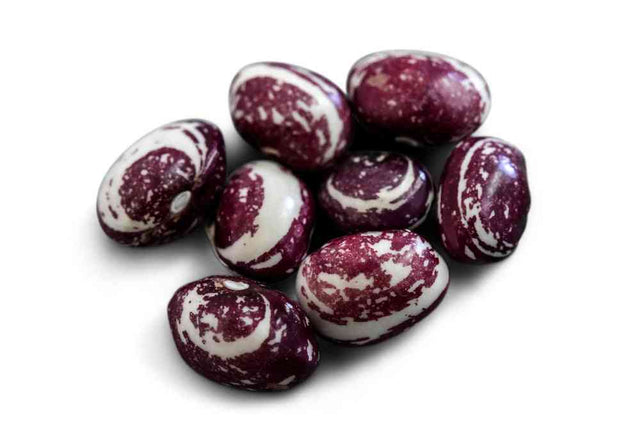
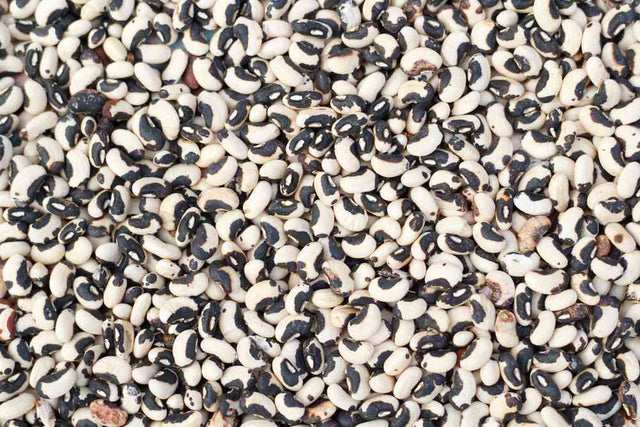
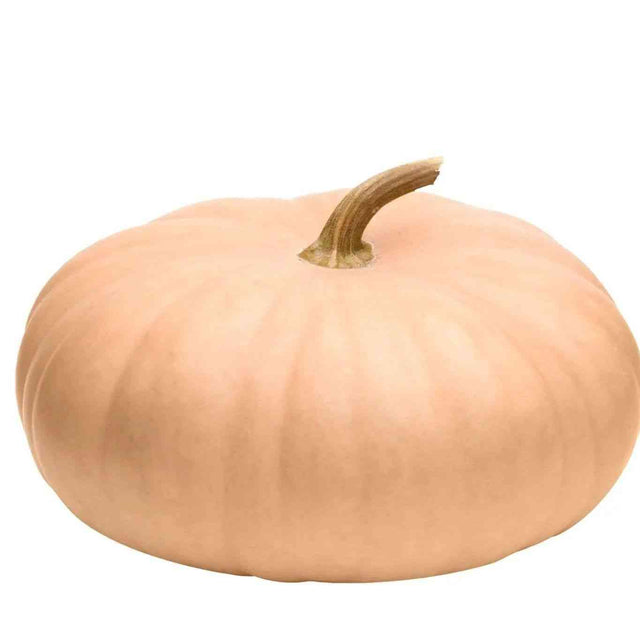
List ten meals the household already cooks. Mark which garden crops could supply part of them. Dry beans may serve soups and pot meals. Corn may become roasting ears, meal, grits, hominy, or seed, but each use requires the right variety and processing. Sweet potatoes can provide a storage root. Pumpkins and winter squash can hold into cooler months. Cowpeas and okra can carry the hottest part of the Southern season.
If a crop has no clear kitchen path, plant a trial, not a field.
Give every crop a job
| Food-system job | Crop examples | Planning question |
|---|---|---|
| Fresh frequent harvest | Snap beans, okra, greens, summer squash | Can someone pick and use this every few days? |
| Dry protein or pulse | Dry beans, cowpeas, garden peas where climate allows | Is there enough season to mature and dry the seed? |
| Starch or calorie crop | Sweet potatoes, flour or dent corn, grain amaranth | Does the household have the space and processing method? |
| Storage vegetable | Winter squash, pumpkins, sweet potatoes, dry beans | Is there a suitable curing and storage place? |
| Season bridge | Collards, turnips, peas, summer greens, cowpeas | Which crop carries the gap between spring, summer, and fall? |
| Seed crop | Selected open-pollinated blocks | Can enough plants mature without being eaten or crossed? |
One crop can fill more than one role, but do not count the same harvest twice. Beans eaten fresh cannot also become dry storage beans. Amaranth cut all summer for greens cannot also be assumed to yield a full grain crop. Seed saved from the best pumpkins means those fruit are removed from the food calculation.
Audit the household before the seed list
The garden is limited by more than square feet. It is limited by water, labor, tools, harvest containers, freezer space, dry storage, cooking time, and the number of days people can work during peak season.
- Land: How much full-sun ground can be reached without crossing wet soil or carrying water too far?
- Water: Can the whole planned area be irrigated during a dry week, or only the most valuable blocks?
- Labor: Who will weed, pick, shell, cure, thresh, and store the crop when several harvests overlap?
- Processing: Are there shellers, screens, drying racks, pressure canners, freezers, or only ordinary kitchen tools?
- Storage: Is there a cool dry place for grain and beans, a warm curing space, or a refrigerator already full?
- Seed: Which crops need population space, isolation, and extra maturity beyond food harvest?
A plan that ignores any one of those limits is not ambitious. It is incomplete.
Use eastern North Carolina’s three seasons
NC State describes three useful growing seasons in eastern North Carolina: spring, summer, and fall. The climate can grow a wide range of crops, but timing is the discipline. Cool-season crops decline in heat. Warm-season crops fail in frost and can pause during extreme heat. Humidity and pest cycles change the risk even when the calendar says a crop should fit.
Do not put the entire food plan into one spring planting. Use cool-season peas, greens, roots, and brassicas where they fit. Move into beans, corn, squash, okra, cowpeas, sweet potatoes, and amaranth after soils warm. Use late summer to establish fall greens and roots before day length and cold slow growth.
Succession planting spreads harvest and risk. It also spreads labor. Three short bean sowings can be more useful than one row that matures all at once.


Build crop blocks around real strengths
| Crop group | What it does well | What it demands |
|---|---|---|
| Corn, Zea mays subsp. mays | Grain, meal, roasting ears, or culturally specific food uses depending on variety | Block planting for pollination, enough population for seed, wildlife protection, and processing |
| Common beans, Phaseolus vulgaris | Snap, shell, or dry bean roles with bush and pole habits | Correct harvest stage, support for pole types, and cooler windows than cowpeas prefer |
| Cowpeas, Vigna unguiculata | Heat-adapted fresh shell or dry peas and a strong Southern summer role | Warm soil, timely picking or full dry-down, and protection from weevils in storage |
| Pumpkins and winter squash, Cucurbita spp. | Storage flesh, seed, and fall harvest | Vine space, pollination, full maturity, curing, and sound storage |
| Sweet potato, Ipomoea batatas | High-use storage roots and edible young leaves in some food traditions | Warm soil, slips, careful harvest, curing, and frost deadline |
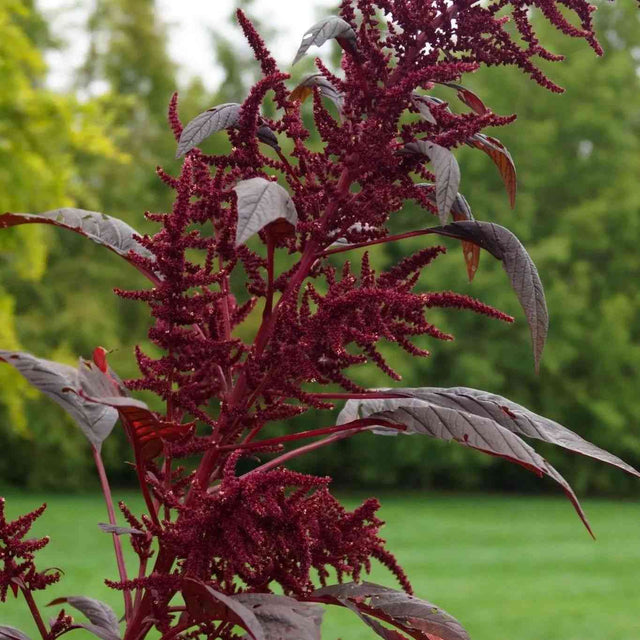
| Amaranth, Amaranthus spp. | Summer greens, grain, flowers, dye, or seed depending on type | A declared use, tiny-seed harvest, identification, and drying in humidity |
| Okra, Abelmoschus esculentus | Reliable hot-season pods and seed in long summers | Frequent harvest, accessible rows, and root-knot awareness |
Do not force every crop into one symbolic layout
Mixed plantings can be useful, but a staple-food garden should not turn every crop into a demonstration. Corn grown for dry grain needs pollination density and harvest access. Dry beans need support or a clean stand for mature pods. Squash vines need room. Seed blocks need isolation and enough representative plants.
A Three Sisters planting can carry agricultural, cultural, and practical meaning, but it is not the only valid layout for corn, beans, and squash. Modern pest pressure, variety mismatch, narrow gardens, and labor access can make separate blocks more reliable. Use mixed systems where the varieties, scale, and purpose fit. Use separate production blocks where they make the work clearer.
Tradition is not honored by forcing a system into ground where it cannot work. It is honored by understanding the work the system was built to do.
Seed saving needs its own acreage
Food production and seed production compete for the same plants. A good seed block keeps enough representative plants, prevents unwanted crossing, and allows seed or fruit to reach full maturity. That can require more space and time than the kitchen crop.
Plan seed before planting:
- Choose which varieties matter enough to maintain this year.
- Identify species and compatible varieties flowering nearby.
- Reserve several healthy plants rather than one convenient survivor.
- Keep food harvest away from marked seed plants.
- Record source, population, selection, weather, and harvest.
Trying to save seed from every crop in the first year can weaken the whole system. Begin with a few varieties and do them well.
Design water and access before the drought
NC State advises locating gardens near a practical water source. Water is heavy, and a garden hundreds of feet from the hose becomes a different project in July. Put the most water-sensitive and valuable crops where irrigation is easiest. Use mulch after soils warm, and organize blocks so watering does not wet every leaf late in the day.
Paths are production space because they allow work. Leave room for carts, baskets, hoses, and harvest. A dense garden that cannot be entered after rain will lose food to hidden pods, disease, and delayed harvest.
Use zones. The closest zone should hold crops needing frequent picking. Storage crops and seed blocks can sit farther out if they need less daily attention. The garden should reflect the movement of the people who work it.
Make a harvest and processing calendar
Write more than planting dates. Estimate when each crop will demand picking, shelling, threshing, curing, freezing, canning, or storage inspection. The National Center for Home Food Preservation emphasizes tested methods and crop-specific preparation for freezing and canning. A harvest is not secure because it reached the kitchen.
Avoid scheduling every storage crop for the same two weeks. Use different maturities, succession sowing, and crop roles to spread the work. If pumpkins, dry beans, corn, sweet potatoes, and grain amaranth all mature together, the bottleneck is not the garden. It is the household.
A practical first-year staple garden
The first year should be a measured system, not a declaration of self-sufficiency. A reasonable starting structure is:
- One fresh-picking block close to the house for okra, snap beans, greens, or summer squash.
- One dry-storage block for a bean or cowpea the household already eats.
- One storage-crop block for winter squash, pumpkins, or sweet potatoes.
- One small grain trial, such as flour corn or amaranth, sized to the processing tools available.
- One seed-saving priority with enough plants and isolation to maintain it honestly.
- One fall block reserved in advance rather than occupied permanently by spring crops.
At the end of the year, record pounds or usable containers only if you actually measured them. More important, record what was eaten, what spoiled, what was too labor-intensive, what the family requested again, and which crop failed for a correctable reason.
What failure looks like
| Failure | What it usually reveals | Next-season correction |
|---|---|---|
| The garden produced food nobody used | The plan began with crops instead of meals | Reduce that crop to a trial and expand foods already used |
| Harvests rotted in baskets or on counters | Processing and storage capacity were smaller than production | Stagger planting, reduce area, and schedule preservation work |
| A drought forced abandonment of distant beds | Water access was treated as an afterthought | Shrink the footprint or build irrigation before planting |
| Seed saving consumed the food crop | Seed acreage and population were not separated from kitchen harvest | Choose fewer seed priorities and mark dedicated plants |
| One pest or storm erased the season | Too much production depended on one crop or planting date | Split crops across seasons, varieties, and successions |
| The garden became impossible to enter | Paths and harvest access were sacrificed for plant count | Design work lanes and keep frequently picked crops close |
Build a system that can survive the harvest
A staple garden is not measured by how full it looks in June. It is measured by what reaches the table in August, the shelf in October, and the seed box before winter.
Plant what the household will use. Give every crop a job. Leave room for work. A garden can carry history, beauty, and ambition, but it must still survive the harvest.